


1. Product Overview
-
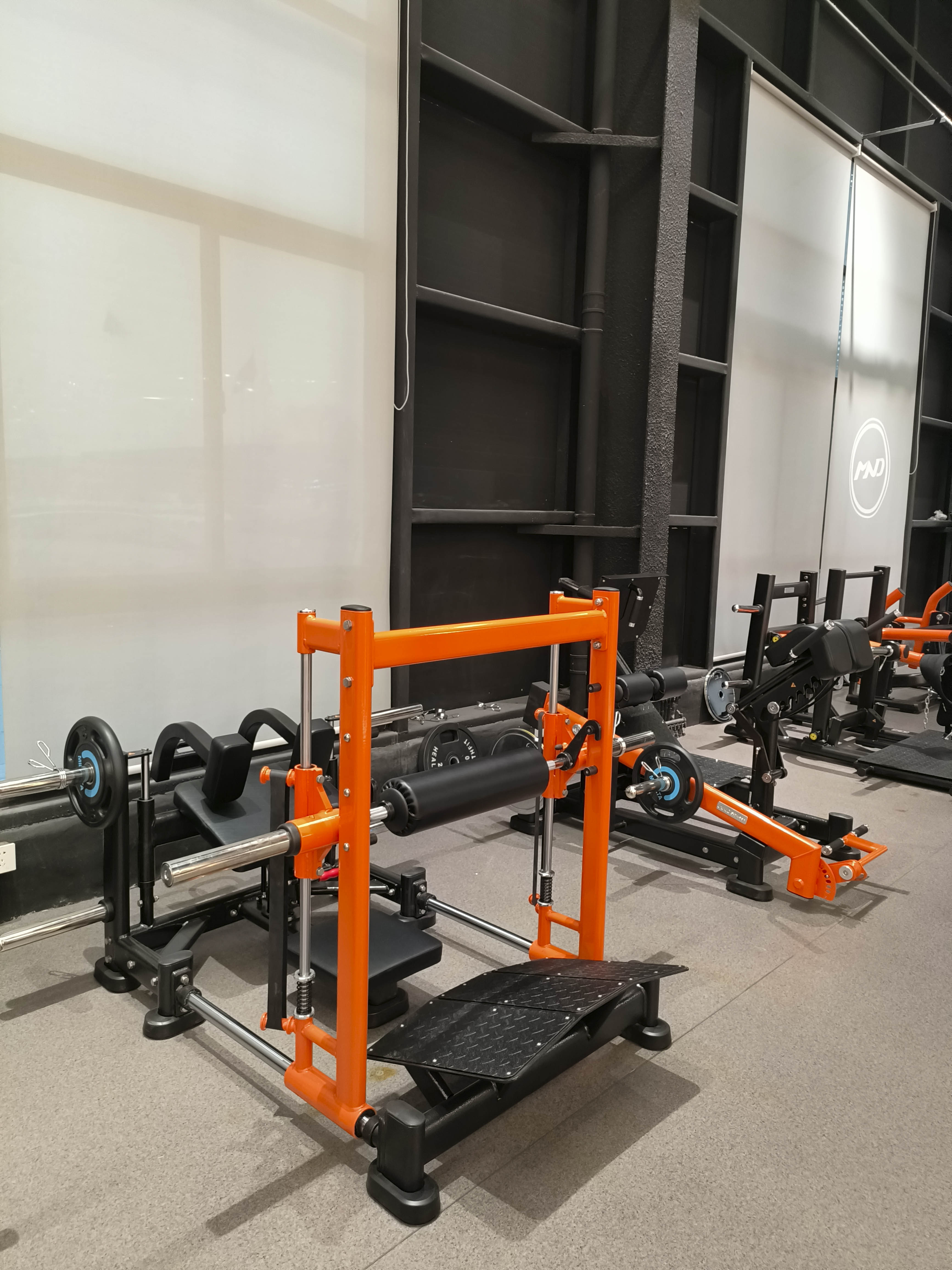
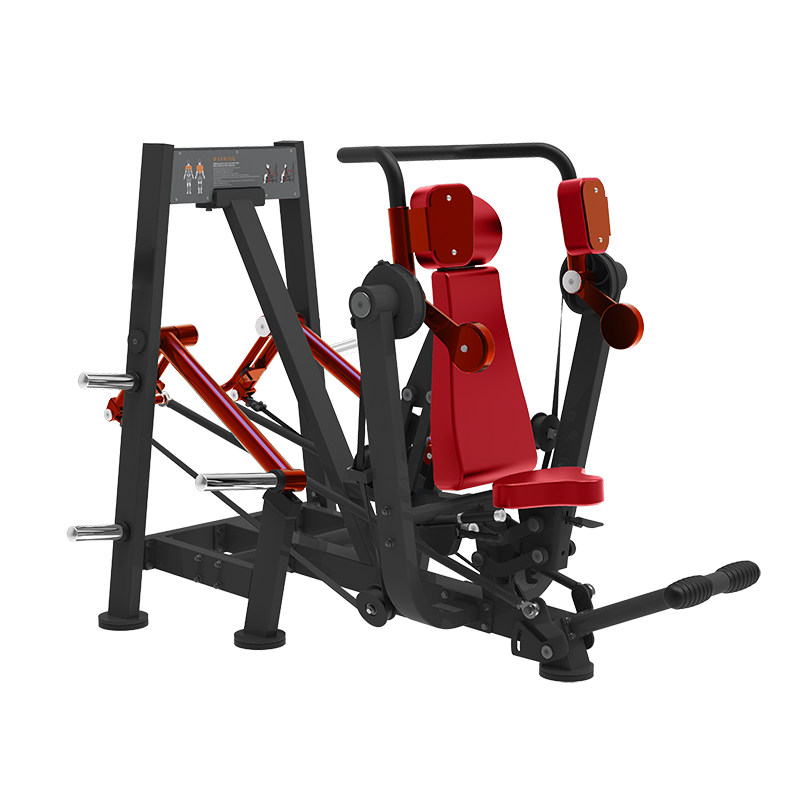
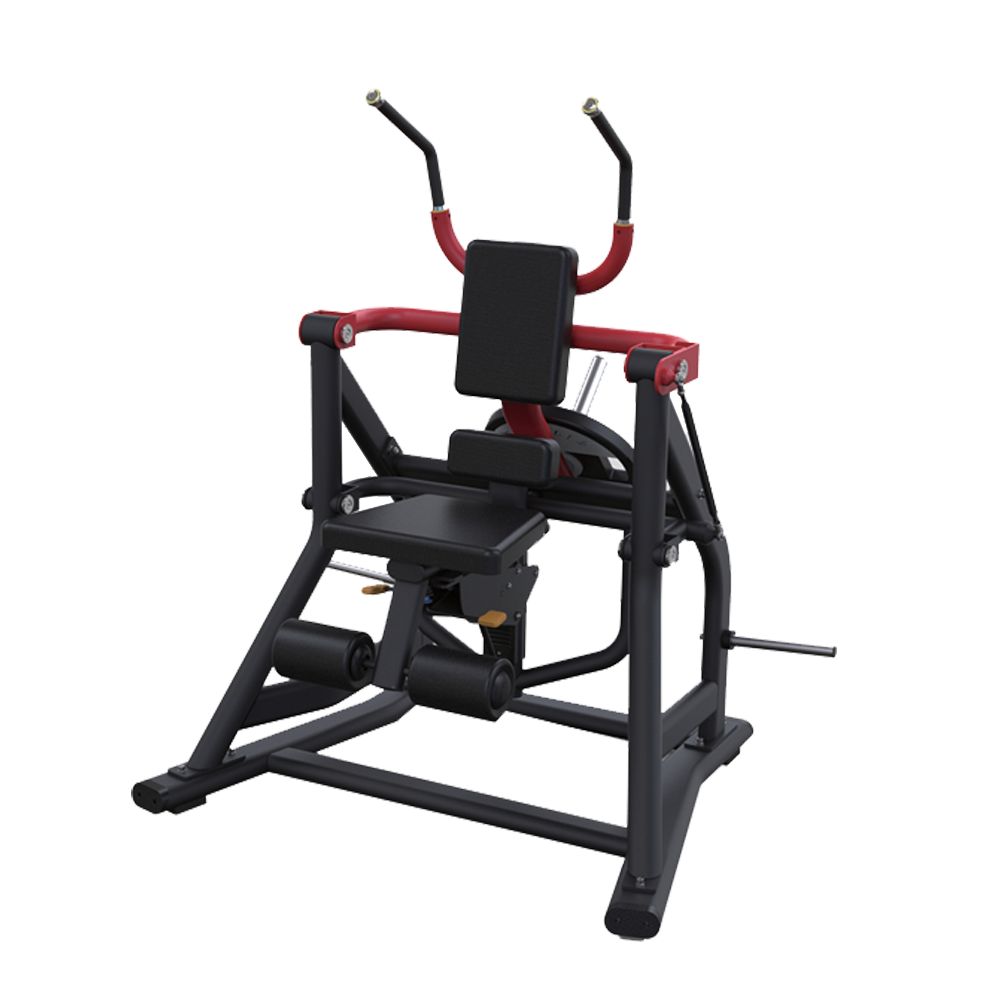
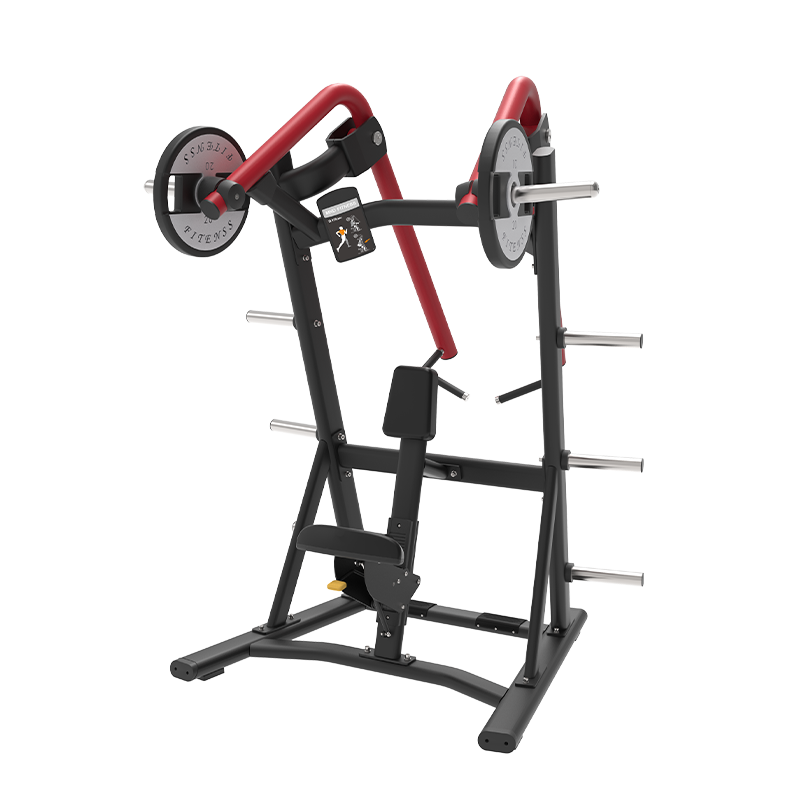
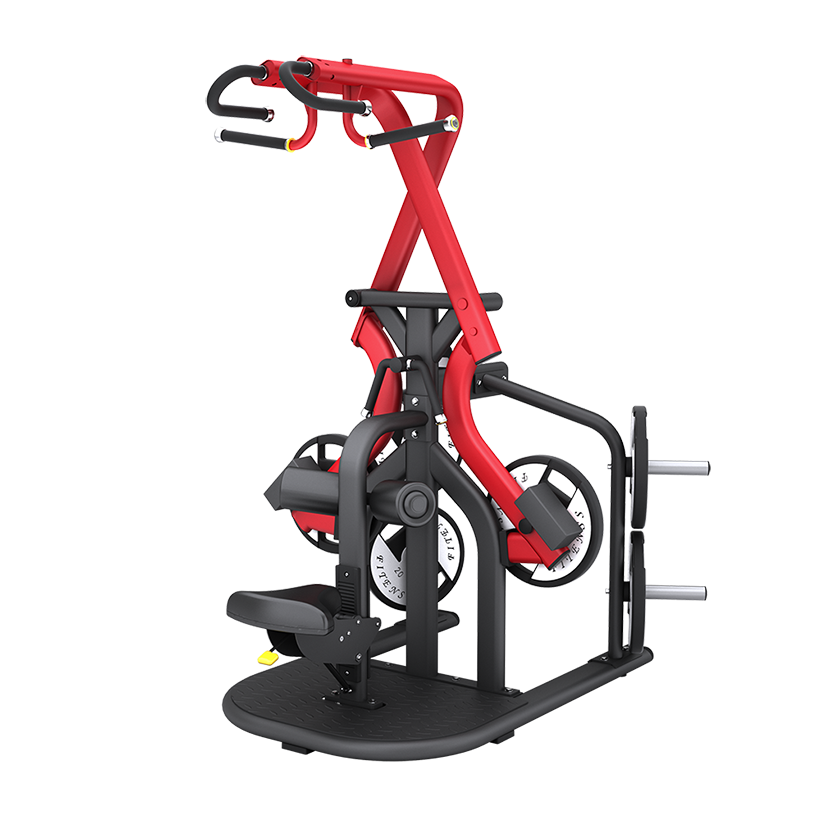
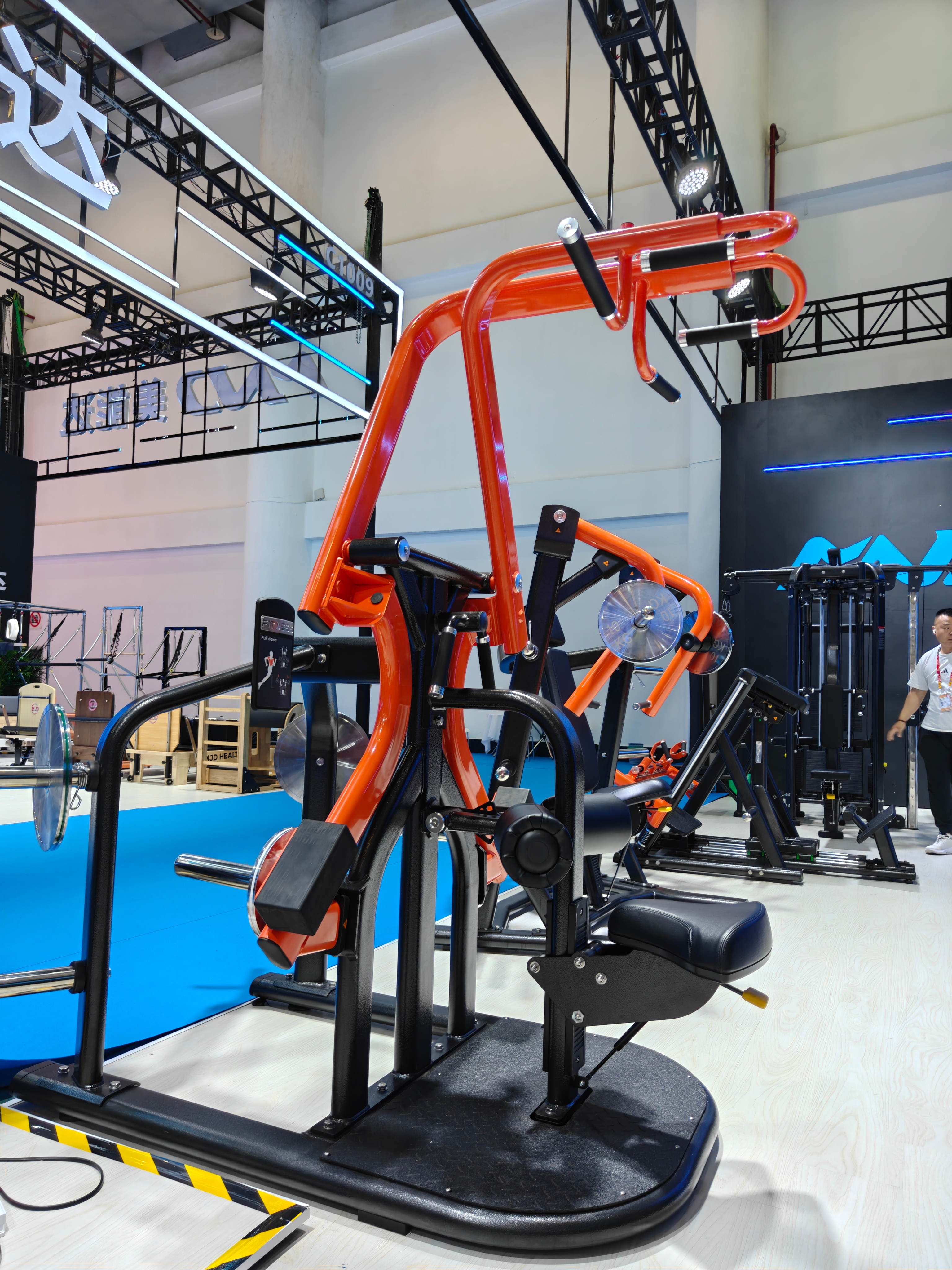
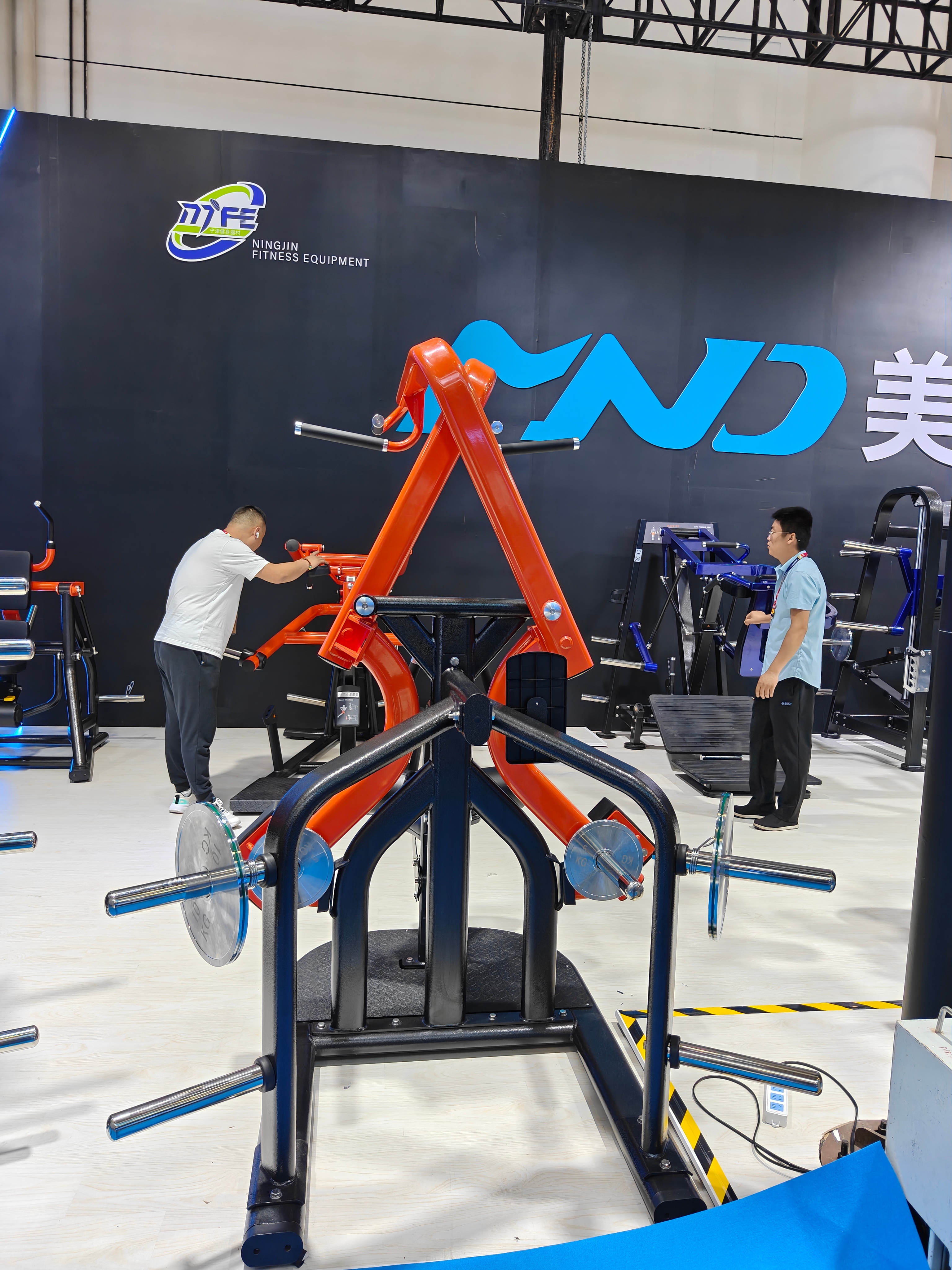
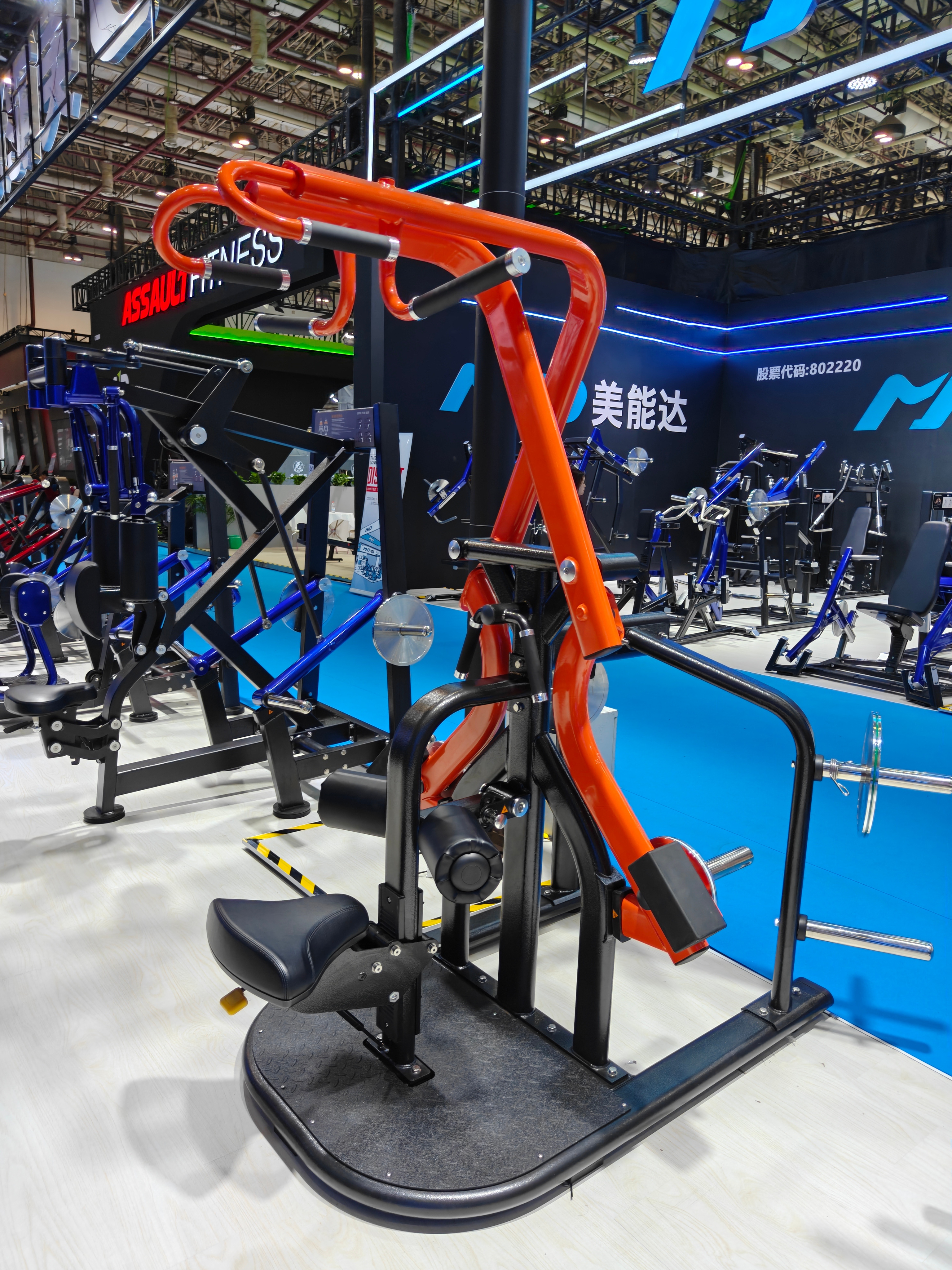
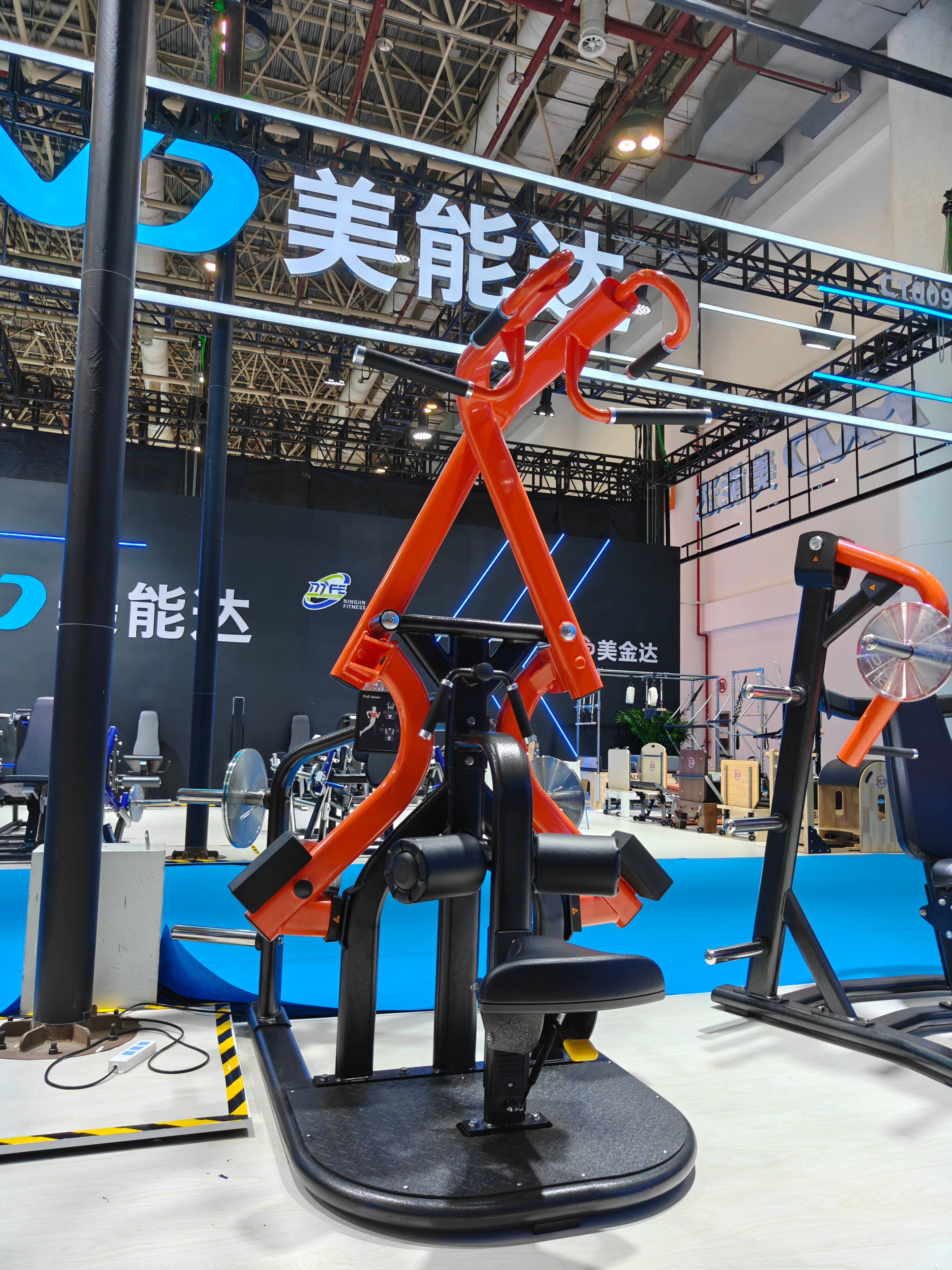
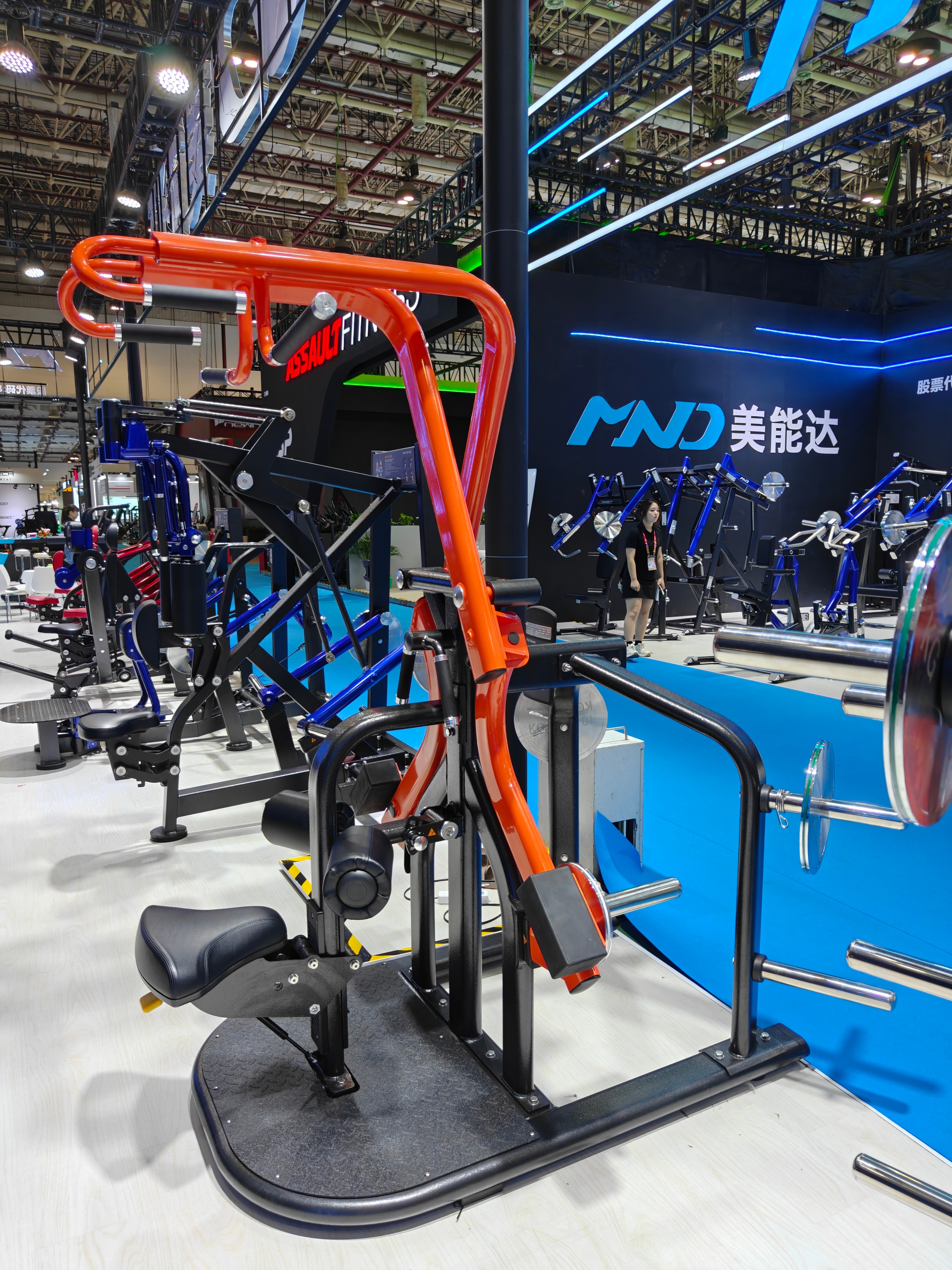
Item: MND-PL36 Lat Pulldown Machine
-
Target Muscle: Latissimus Dorsi, Trapezius, Rhomboids, Biceps Brachii
-
Application: Commercial Gyms, Fitness Centers, Hotel Gyms, Physical Training Facilities
2. Key Features & Selling Points
-
Heavy-Duty Construction: Built with a thick, heavy-gauge steel frame ensuring maximum stability during intense workouts. The red powder-coated finish is both aesthetically pleasing and resistant to chips and scratches.
-
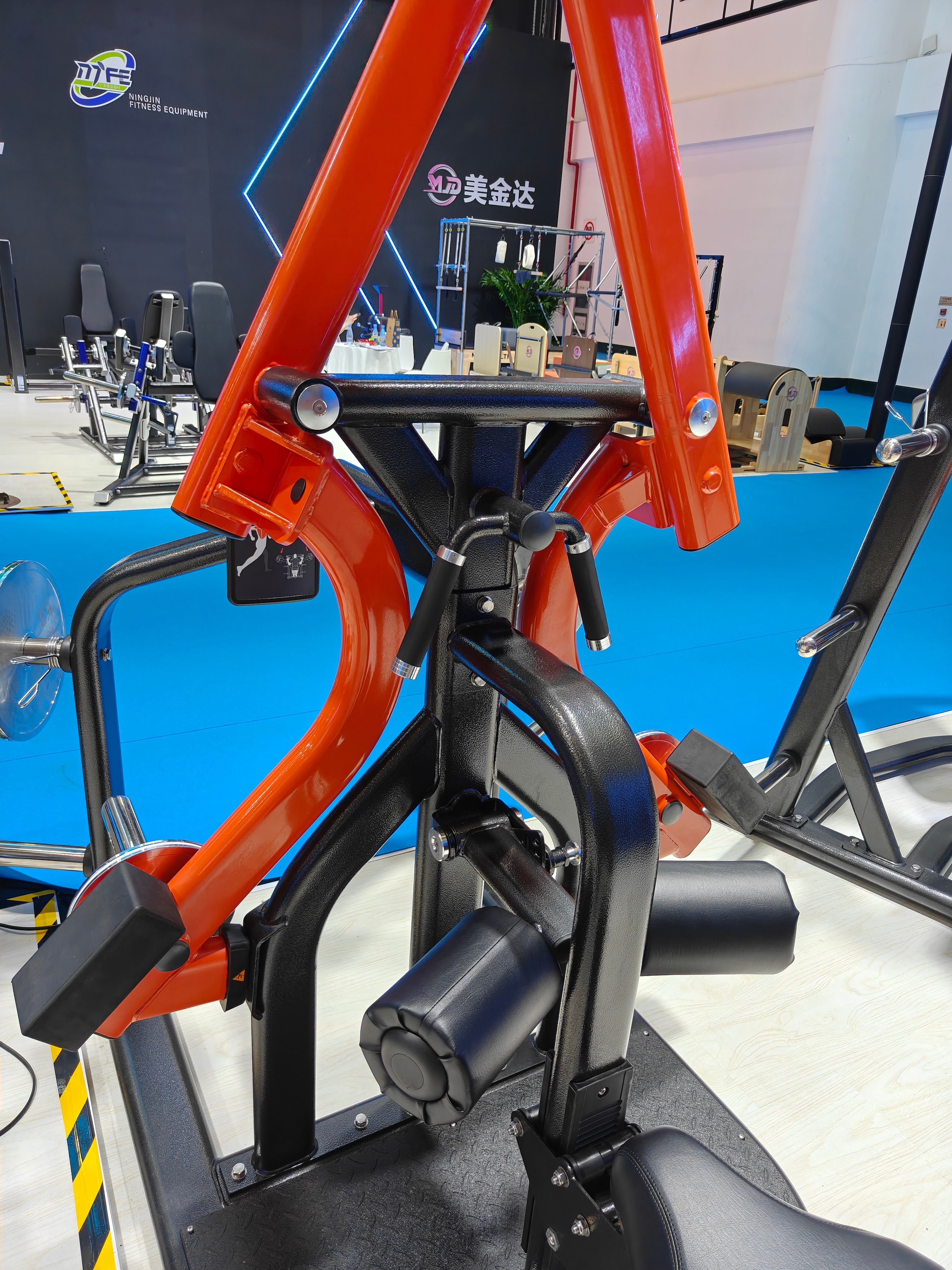
Ergonomic Design: Equipped with a high-density, padded seat and knee pads that adjust easily to accommodate users of different heights, ensuring proper alignment and safety.
-
Versatile Grip Options: Includes multiple grip handles (wide, narrow, and neutral grips) to allow for varied training angles, stimulating different parts of the back muscles effectively.
-
Smooth Operation: Features a precision-machined weight stack with a selector pin for quick resistance changes. High-quality cables and pulleys ensure smooth, quiet, and consistent performance.
-
Compact Footprint: Designed to deliver maximum functionality while occupying minimal floor space in your gym layout.
3. Specifications
|
Parameter
|
Details
|
|---|---|
|
Model
|
MND-PL36
|
|
Material
|
Q235 Steel + Powder Coating
|
|
Weight Stack
|
Standard 91kg (200 lbs) / Customizable
|
|
Color
|
Red & Black (Custom colors available)
|
|
Dimensions
|
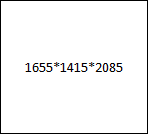 mm mm |
|
N.W./G.W.
|
112 kg / 132 kg
|
4. Why Choose This Machine?
Investing in the MND-PL36 means providing your members with a reliable tool to build the coveted "V-taper" physique. Its intuitive design reduces the learning curve for beginners while offering enough resistance and variation for advanced bodybuilders. It is a staple machine that adds professional value to your fitness facility.
🔹 FAQ Section (For Alibaba Q&A / Description)
-
Q: Is this machine suitable for home use?A: While durable enough for home use, the MND-PL36 is specifically designed and built to withstand the rigorous demands of a commercial gym environment.
-
Q: Can we customize the logo and color?A: Yes, we support OEM/ODM services. We can customize the logo, color scheme, and even specific configurations based on your requirements.
-
Q: What is the warranty policy?A: We offer a 10-year warranty on the main frame and 1-3 years on parts and cables, along with lifetime technical support.
Gym Equipment Procurement Guide: Selection Logic for Strength and Cardio Equipment
When planning a gym, many people tend to evaluate all equipment with the same set of criteria, which often leads to various operational issues. Strength training and cardio equipment differ significantly in function, frequency of use, and maintenance requirements, and their procurement should reflect different priorities.
Key Considerations for Strength Training Equipment Selection
When selecting strength equipment, focus should be placed on structural stability, smoothness of movement, durability of padding, reliability of the weight stack, and ease of daily maintenance. Details determine the experience: a slightly inconvenient seat adjustment mechanism or a hard-to-access service point can become a long-term operational headache. In multi-user environments, clear adjustment markings and ergonomic design are far more important than cosmetic appearance.
Minolta’s strength series features a well-structured range that can accommodate selectorized machines and functional training needs, fitting various floor plans. This is particularly useful for operators looking to designate zones for chest, back, legs, shoulders, and cross-training without mixing incompatible designs.
Core Considerations for Cardio Equipment
Procurement of cardio equipment typically prioritizes durability under prolonged operation and maintainability. Console layout, belt feel, pedal stability, and ease of cleaning all contribute to the actual purchasing decision. In high-traffic clubs, cardio equipment is often judged not by technical specifications alone, but by how frequently it requires servicing or is out of order.
Minolta’s MND-X500, X600, and X700 treadmill series offer a tiered product range, helping buyers match equipment grade to member demographics or facility type. This tiered approach is convenient for operators who wish to equip premium zones and general-use areas with different specifications.
The Dual Nature of "High-End Positioning"
Some buyers gravitate toward high-end fitness equipment due to its visual impact. This instinct is reasonable. Finish quality, brand presentation, and overall solidity directly influence members' perception of the facility’s quality. Members do notice when a gym appears under-equipped.
However, "high-end" is not a free pass. A machine may look impressive but may not be suited for the demands of a commercial environment. Superior surface finishes cannot compensate for welding stability, and high-quality upholstery does not address poor maintenance access. A striking frame design can become a nuisance if it complicates cleaning or makes the floor plan feel cramped.
This is where a manufacturer with a broad product line can assist, provided the buyer remains disciplined. The goal is not to purchase the most visually striking machine, but to choose equipment that supports daily high-intensity use, maintains brand image, and allows for easy maintenance.
How to Evaluate a Supplier Like Minolta
An effective evaluation process should begin with the operational environment, not the product catalog.
First, define the facility type. Boutique studios, hotel gyms, university recreation centers, rehabilitation spaces, and large commercial clubs all use equipment differently. This affects the ideal equipment mix, finish standards, and expected maintenance intensity.
Second, request information on product families rather than individual flagship models. A supplier offering multiple strength and cardio series is easier to scale with if the initial purchase is successful. It also simplifies standardization across multiple locations.
Third, assess the supplier’s technical communication capabilities. Buyers often focus too much on machine specifications and overlook the importance of documentation. Clear assembly drawings, replacement part references, and unambiguous model naming can prevent significant friction later. This is especially critical when procuring commercial fitness equipment across borders.
Fourth, inspect the physical evidence the supplier can provide. An actual manufacturing workshop, quality control lab, and showroom are not proof of excellence on their own, but they do help buyers assess whether the company is organized enough for ongoing business. In manufacturing, process visibility is always a positive sign.
Common Procurement Mistakes
One common mistake is over-prioritizing appearance. A glossy finish may be attractive during the sales process, but the gym manager has to live with the machine long after the ribbon-cutting ceremony.
Another mistake is underestimating parts continuity. If a facility plans to expand, spare parts and replacement units are as important as the initial shipment. A fragmented supply chain can turn a minor issue into a prolonged closure.
A third mistake is assuming all equipment in the same category performs similarly. Even within the premium fitness equipment segment, details vary significantly. Adjustment mechanisms, weight stack feel, foot placement, and practical serviceability can greatly influence the user experience.
Finally, some buyers treat a broad export history as a substitute for product suitability. Exporting to many regions is certainly advantageous, but the key question remains: Does the product line fit this specific project, budget, and maintenance plan?
Practical Advice for Procurement Teams
If you are compiling a shortlist of suppliers, start with the actual use case, not brand messaging. Plan the floor layout, define training zones, and decide where durable workhorse units are needed versus where a more polished look is desired. Then, compare equipment lines item by item.
If the project may expand in the future, inquire about order consistency. Understand how the factory distinguishes between series, as this matters for future replenishment. Do not overlook the "boring" questions: packaging, assembly support, replacement parts availability, and how the supplier handles mixed-container shipments.
For chains and distributors, product line breadth is particularly valuable. A manufacturer that can provide both strength and cardio equipment under one roof reduces coordination efforts and simplifies subsequent purchasing rounds—where real commercial value often materializes.
Frequently Asked Questions (FAQ) by Buyers
Q: Is Minolta FITNESS equipment only for commercial gyms?
A: Not necessarily. Company information indicates products for both commercial and home use. However, buyers should always match the product line to the actual duty cycle.
Q: Why is a broad product range important?
A: It facilitates gym standardization, simplifies sourcing replacement units, and allows for future expansion without restarting the vendor selection process.
Q: What should I request before placing an order?
A: Model documentation, product family details, assembly information, and a clear understanding of after-sales support. For large projects, consider requesting sample evaluations before committing to a full rollout.
Key Takeaway for Buyers
Minolta FITNESS is best viewed as a manufacturer with scale, category breadth, and international market experience. For procurement managers, this combination is advantageous when a project requires coordinated high-end strength equipment, durable cardio lines, and a cohesive strength floor. The breadth of the catalog matters, but only if it is matched by clear communication and purpose-driven selection.
If you are shortlisting suppliers, start with your floor plan and service expectations. Then, compare Minolta’s series against your actual use case, not just the visual impression. This is usually where smarter purchasing decisions are made. Gym Grade Back Strength Training Equipment Adjustable Weight Stack Lat Pulldown Machine