


Why buyers keep asking about the MND SP line
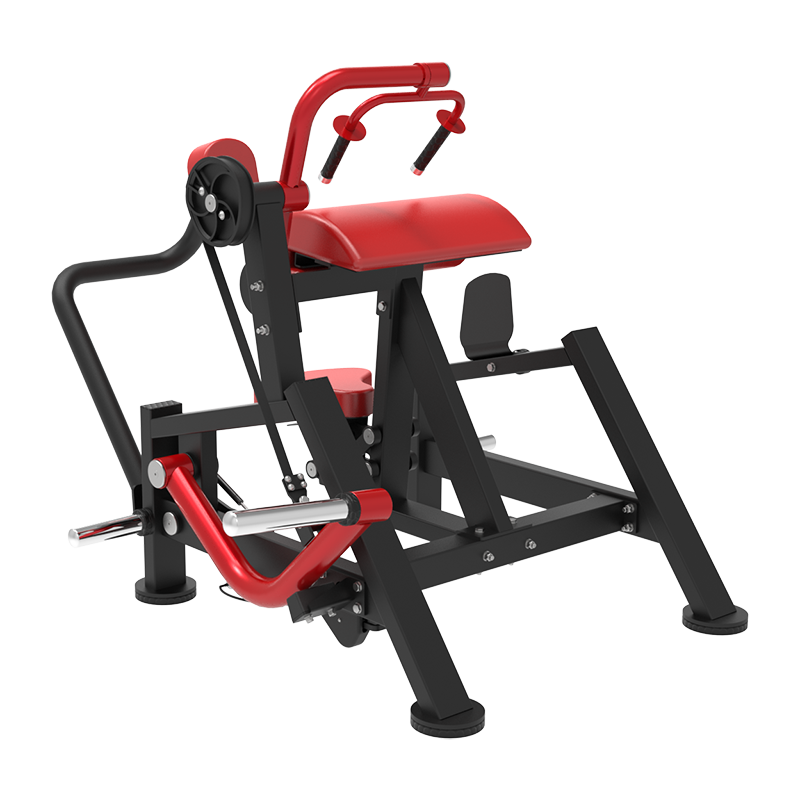
When sourcing a new MND SP line for a gym floor, the real question is rarely just “What looks good?” Buyers are usually trying to solve a harder problem: how to choose a plate-loaded strength range that feels serious to members, survives commercial traffic, and does not create maintenance headaches for the operations team. That is where the MND SP line tends to enter the discussion. It sits in the broader category of plate loaded strength machine options, but the buying decision is usually about much more than the loading style. It is about footprint, biomechanics, durability, and whether the equipment fits the training culture of the facility.
For sourcing managers and gym owners, this matters because a poorly matched strength area can become expensive quickly. A machine that is awkward to load, inconsistent in movement, or too space-hungry may still look impressive in a catalog, but it will frustrate users on the floor. The right call depends on what kind of members you serve, how much traffic the equipment will take, and how you want the strength zone to perform over time.
Where the MND SP line fits in the commercial strength market
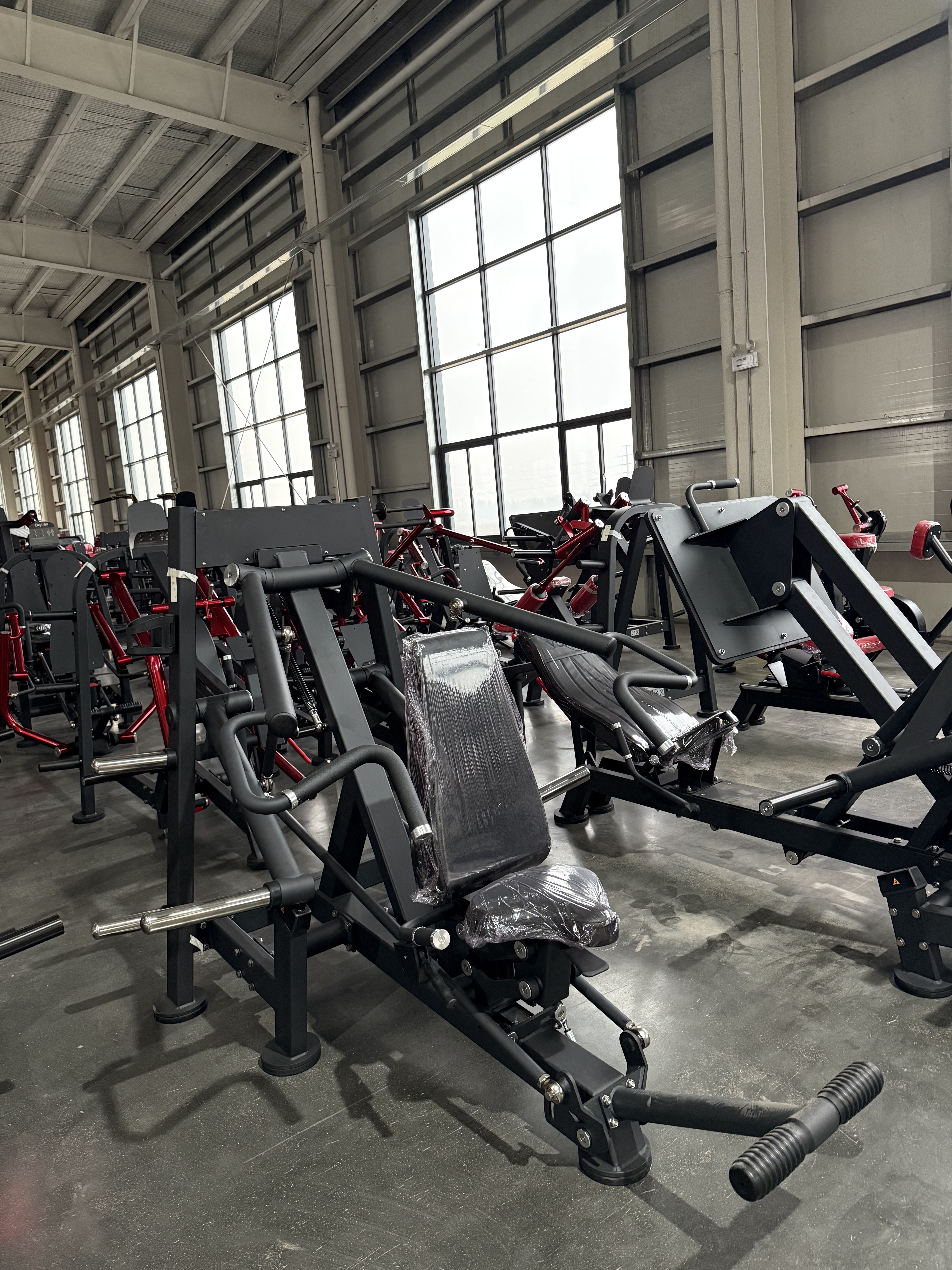
The MND SP line belongs in the conversation around commercial gym equipment for facilities that want plate-loaded stations with a more serious training feel than basic selectorized units. In practical terms, plate-loaded gear is often chosen for its straightforward loading, its training versatility, and the heavy-duty impression it creates on the gym floor. That impression matters, but so does the underlying build.
Shandong Minolta Fitness Equipment Co., Ltd., the manufacturer behind MND FITNESS, brings more than a decade of experience in the fitness equipment sector. The company states that its facility covers 120,000 square meters and includes a manufacturing workshop, quality control lab, and exhibition hall. It also says it offers more than 300 types of exercise equipment across cardio and strength categories. That breadth is useful for buyers who want to source a coordinated equipment package rather than piece together a strength area from multiple suppliers.
MND FITNESS also reports exports to more than 100 countries across Europe, Africa, the Middle East, South America, and Southeast Asia. For procurement teams, that is not a guarantee of fit, of course, but it does suggest the company is accustomed to international commercial supply expectations.
What buyers usually want from a plate loaded strength machine
A plate loaded gym machine is judged differently than a cardio unit or a lightweight home product. The priorities are harder and less forgiving.
1. Stable movement under load
Commercial users expect the machine to track cleanly even when loading gets serious. That does not mean every motion should be identical to free weights; it means the arc of movement should feel intentional and predictable. A strength training machine that wobbles, binds, or feels inconsistent under plate load is difficult to recommend for a busy commercial floor.
2. Easy entry and exit
The best machine in the world is still a poor fit if users cannot get into position comfortably. Good plate-loaded design usually balances aggressive training geometry with practical access. This becomes especially important in mixed-use gyms where not every member is a seasoned lifter.
3. Durability that matches traffic
A machine labeled as heavy-duty should withstand repeated loading, unloading, and general abuse. In actual commercial settings, that means weld quality, frame rigidity, pad wear, handle placement, and hardware consistency matter as much as the headline design.
4. Layout efficiency
A commercial strength zone lives or dies by square footage. Buyers should ask whether a machine earns its footprint. Some large plate-loaded pieces generate strong member interest but consume too much floor space for the usage they receive. That is a practical tradeoff, and it is worth saying out loud before purchase orders are signed.
Why plate-loaded equipment still sells well
There is a reason plate-loaded equipment keeps a place in serious gyms even as selectorized machines continue to improve. A plate-loaded strength machine often gives users a freer, more robust training feel. That matters to experienced lifters, sports-performance facilities, and clubs that want to signal a harder training environment.
The appeal is not only mechanical. Plate-loaded stations can also create a visual center of gravity on the floor. They look like work is happening there. For many gyms, that is part of the brand.
Still, there is a caveat: plate-loaded does not automatically mean better. If your member base is largely beginner or rehabilitation-oriented, a mixed lineup may be smarter. A commercial strength area should reflect actual use patterns, not just the aspiration to look “pro.”
How to evaluate the MND SP line against other options
If you are comparing the MND SP line to other MND fitness equipment or to competing products, try to avoid making the decision on price alone. Buyers often do that under deadline pressure, and it usually backfires.
Look at these points instead:
Construction and finish
Ask how the frame is built, how exposed hardware is managed, and whether the finish is suitable for daily cleaning and contact. In a commercial gym, cosmetic wear becomes visible quickly. Once the first layer of visual fatigue appears, the floor starts to look older than it is.
Movement feel
Even without published performance data, you can still evaluate the machine by testing the path of motion, the seat or pad adjustment logic, and how naturally the user can set up. A machine should not require a technical explanation every time a member walks up to it.
Serviceability
Commercial buyers should care about replacement parts and routine maintenance access. A strength training machine that is difficult to service becomes a long-term nuisance. That is especially true for multi-site operators, where consistency matters as much as strength.
Range fit
The MND SP line should be assessed as part of the broader facility mix, not as a standalone hero product. If the rest of the gym already includes serious free-weight areas and strong selectorized coverage, the plate-loaded section should complement that structure rather than duplicate it.
What Minolta’s broader product range means for sourcing
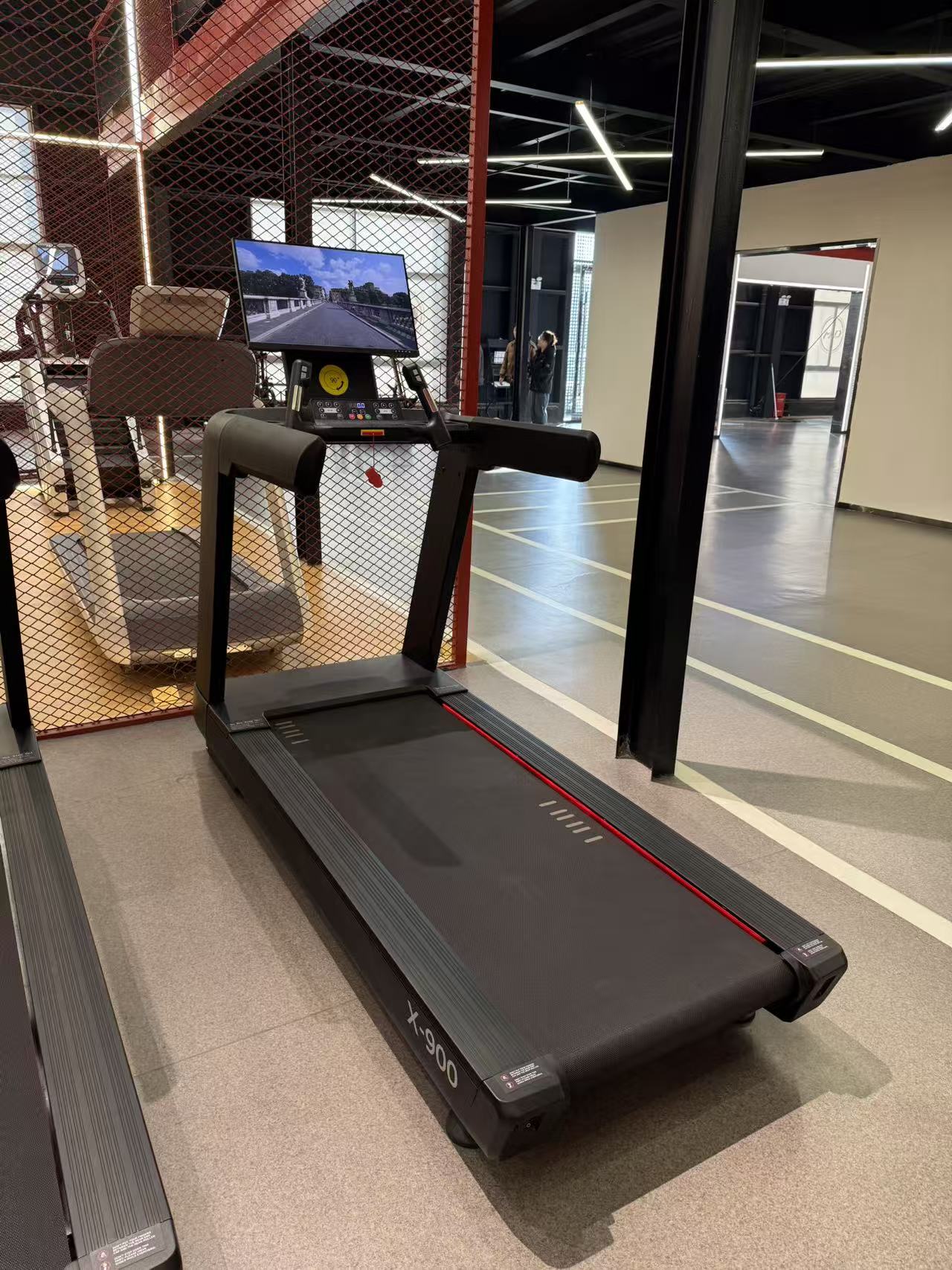
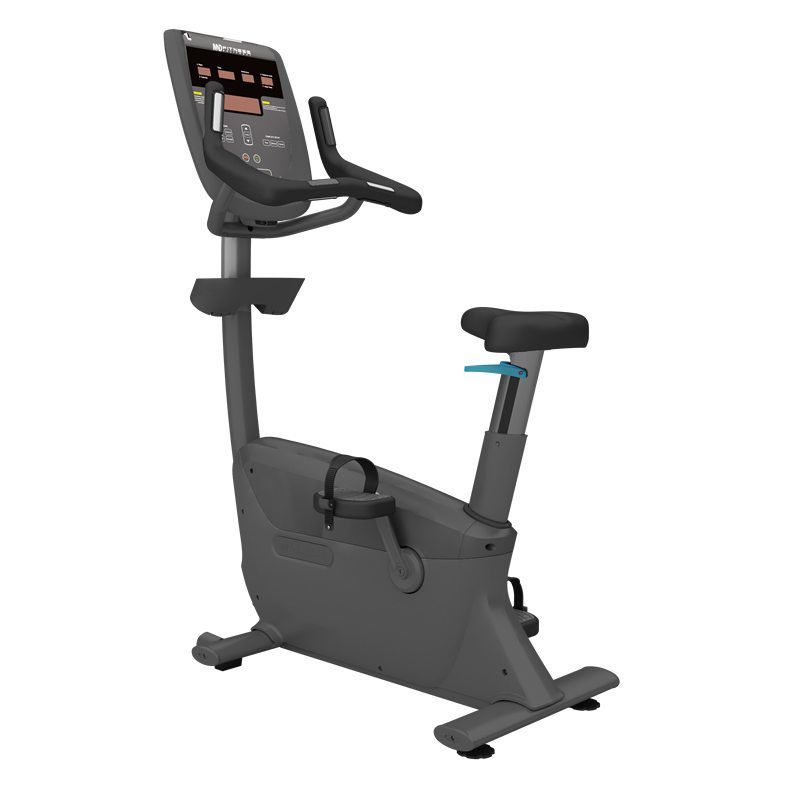
One advantage of working with a manufacturer like Shandong Minolta Fitness Equipment Co., Ltd. is the scale of its catalog. The company says it produces strength lines including MND-AN, MND-FM, MND-FH, MND-FS, MND-FB, MND-E Crossfit, MND-F, MND-FF, MND-G, and MND-H, alongside cardio ranges such as MND-D exercise bikes and MND-X500, X600, and X700 treadmills.
For buyers, a broad product family can simplify procurement. A single supplier may be able to support a club opening with coordinated strength and cardio packages, which helps with visual consistency and logistics. It can also make follow-on purchases easier when the gym expands or replaces aging units.
That said, broad catalog depth is not a substitute for checking the specific machine family you plan to buy. A good corporate profile does not automatically tell you whether the exact plate loaded gym machine you want is the right fit for your club’s user base.
Common buyer mistakes with plate-loaded equipment
The first mistake is underestimating how much space plate-loaded gear consumes once you factor in loading access and user movement around the machine. Floor plans that look fine on paper can feel cramped after installation.
The second mistake is assuming all commercial gym equipment in the same category will feel similar in use. It will not. One machine can feel fluid and well-balanced; another can feel clumsy, even if both are marketed as premium.
The third mistake is failing to define the target member. A hard-training facility, a hotel gym, and a university fitness center do not want the same plate-loaded mix. That sounds obvious until a buyer inherits a specification written for someone else’s market.
The fourth mistake is focusing only on first impressions. A plate loaded strength machine may look impressive in a showroom, but maintenance access, pad durability, and daily wipe-down practicality are what decide whether it remains impressive six months later.
Practical advice for procurement teams
If you are sourcing the MND SP line or reviewing similar MND high end plate loaded machine options, start by asking for enough information to compare on substance. That means dimensions, load compatibility, adjustment range, and frame construction details where available. If certain data is not supplied, ask directly rather than filling the gap with assumptions.
For chain operators, it is also worth standardizing your review sheet. Compare setup ease, user comfort, footprint, and perceived robustness in a repeatable way. A scattered evaluation process often favors the loudest opinion in the room instead of the best operational choice.
For single-site gyms, the key question is simpler: will this machine actually be used enough to justify its floor space? If the answer is yes, the plate-loaded format can be a strong addition. If the answer is uncertain, consider a more flexible mix.
FAQ: quick answers buyers usually need
Is the MND SP line suitable for commercial use?
It is positioned within the commercial strength category, so it is relevant for gyms that want plate-loaded stations. Final suitability still depends on the specific model, floor plan, and member profile.
Why choose a plate loaded strength machine instead of a selectorized unit?
Plate-loaded equipment often offers a heavier training feel and can appeal to stronger, more experienced users. Selectorized machines are usually faster to adjust and easier for beginners.
Can the MND SP line be part of a full equipment package?
Yes, especially if the buyer is looking at a broader commercial gym equipment order. Minolta’s wider lineup suggests the company can support coordinated strength and cardio sourcing.
What should I verify before placing an order?
Confirm machine dimensions, intended use, adjustment logic, service access, and whether the line fits your training concept. If any specification is unclear, treat that as a procurement question, not a minor detail.
A sensible next step
If you are comparing the MND SP line with other plate-loaded gym machine options, the most useful next move is to review it in the context of your actual floor plan and user base. Ask for the model-level specifications, test the movement feel if possible, and compare it against the rest of your strength mix. The right decision is usually not the flashiest one. It is the one that keeps the gym working well after the new equipment stops feeling new.