


Why a Super Pullover Machine Still Has a Place on the Gym Floor
A Super Pullover Machine is not the flashiest piece of strength equipment in a commercial gym, but it solves a real programming problem: it gives users a guided upper-body pressing or pullover-style movement with less coordination demand than free weights. For buyers, that matters because the right machine can fill a gap between dumbbells, cables, and plate-loaded stations. It can also handle a steady stream of members who want a simple, stable movement pattern without waiting for a bench and bar.
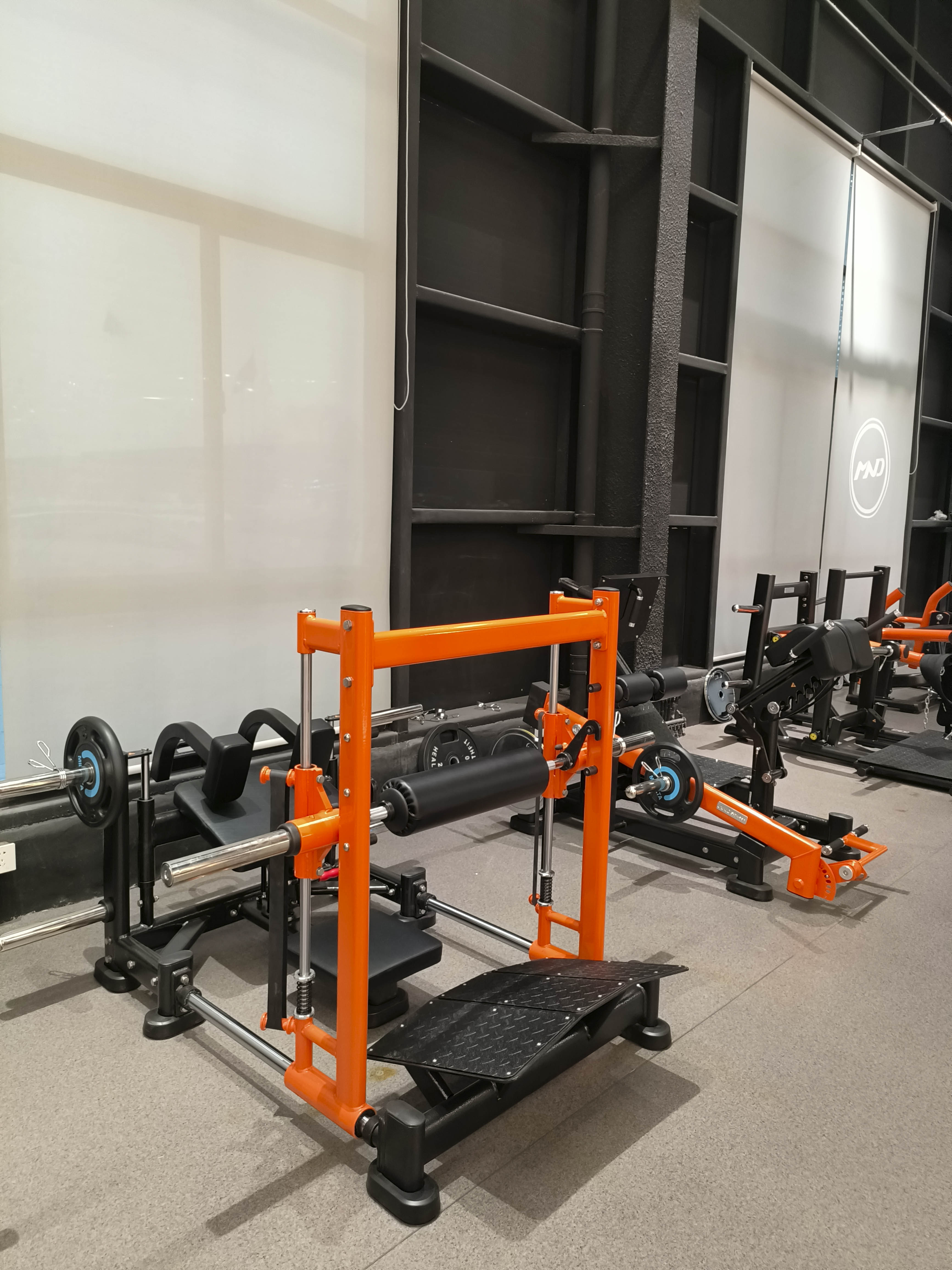
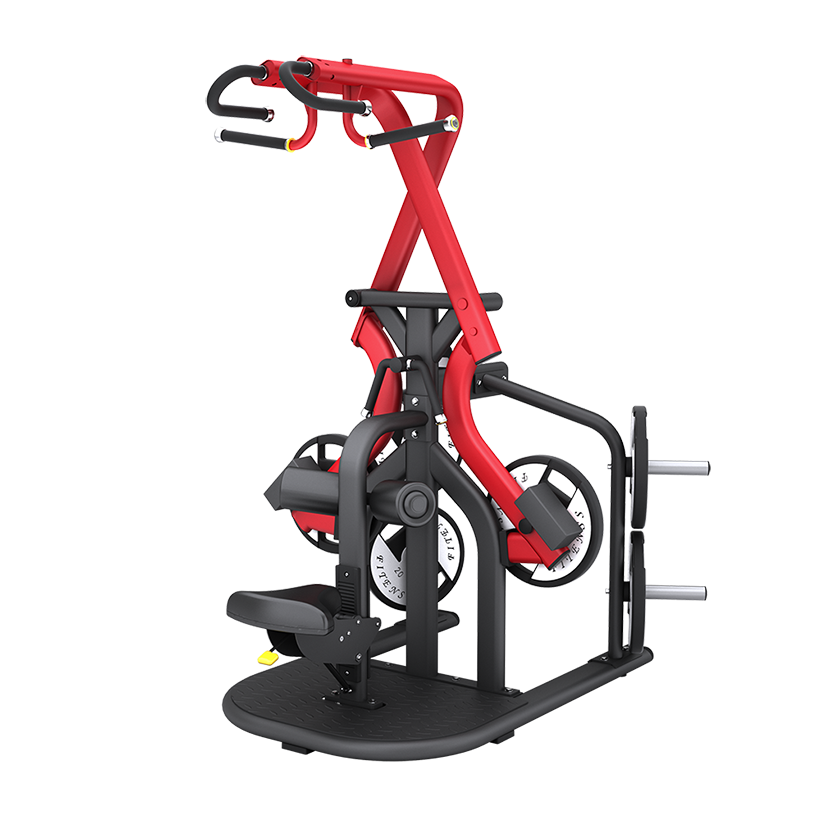
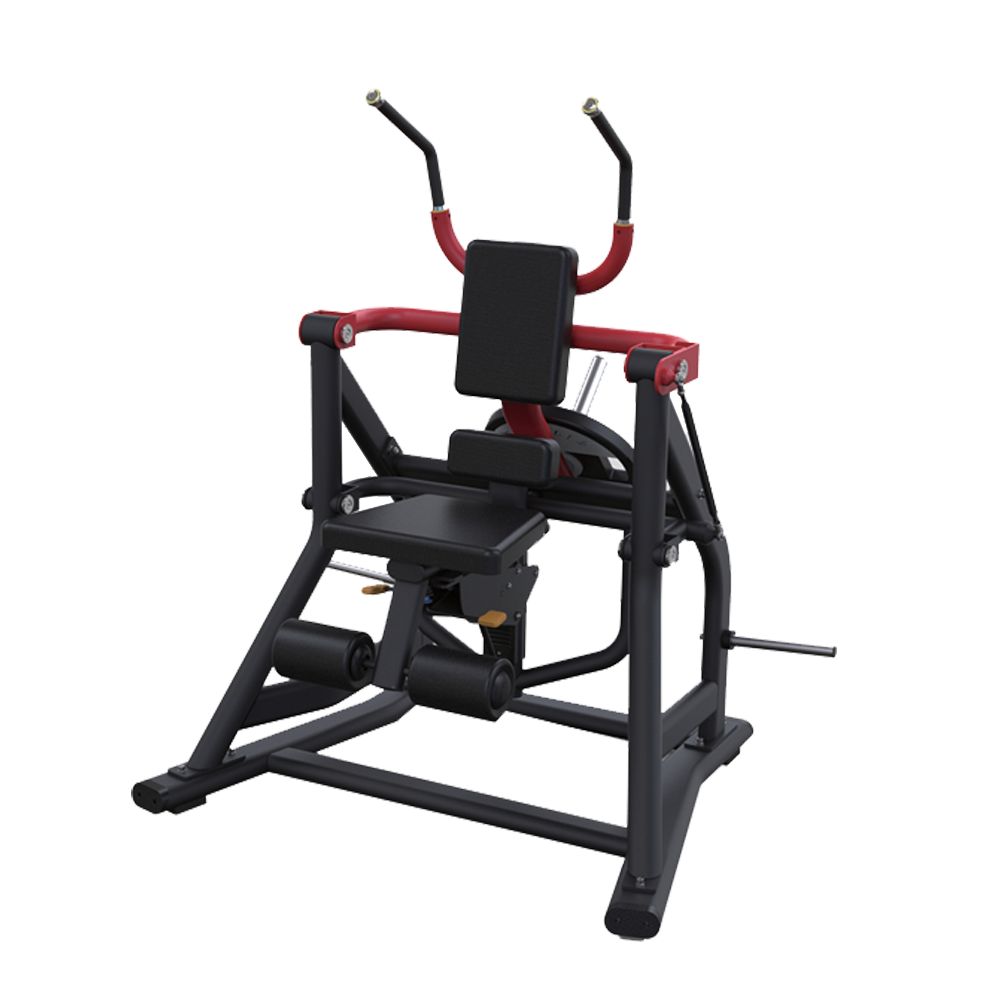
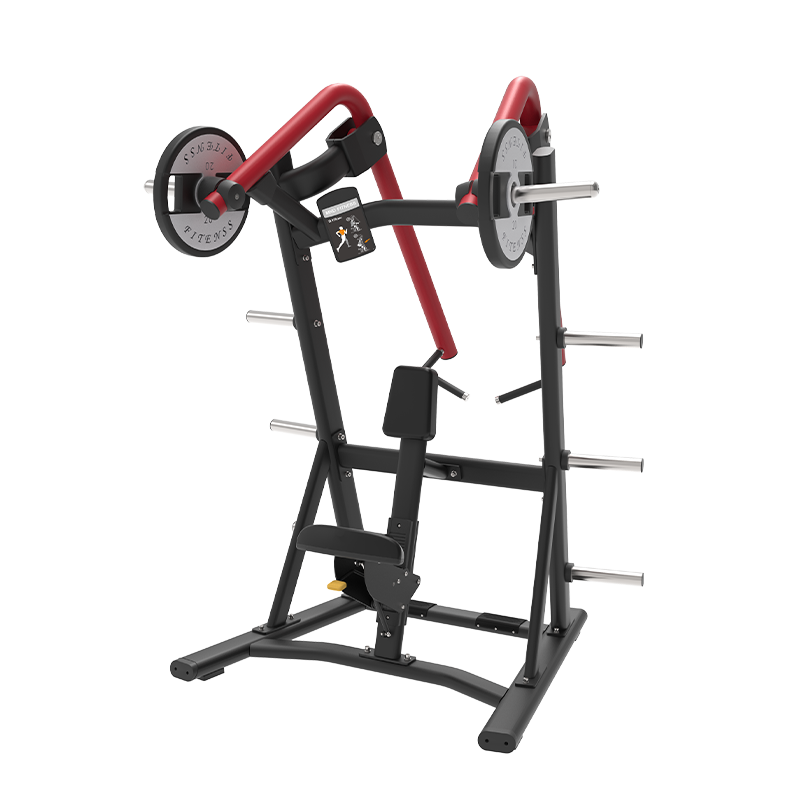
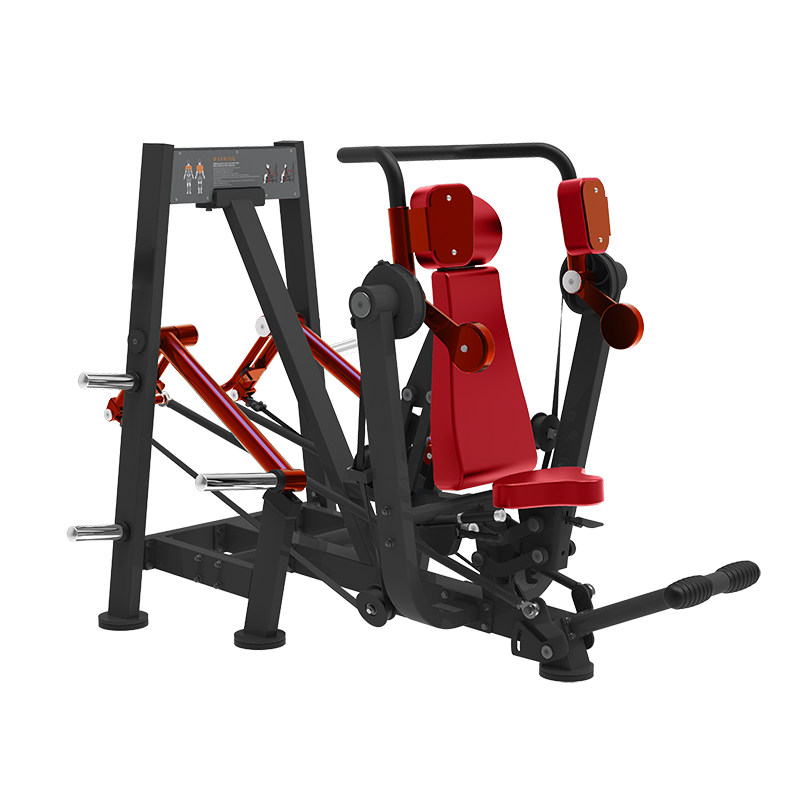
In the market, the term can be used loosely. Some buyers say pullover machine when they mean a chest press variant, a lat-focused unit, or another upper body exercise equipment station with a levered resistance path. That is why the details matter. The machine in the provided product data appears to be a commercial strength-training unit with a welded steel frame, plate-loading pegs, dual working arms, and upholstered support pads. It reads as a robust commercial fitness machine designed for controlled pressing mechanics, but the exact model and resistance path are not certain from the image alone.
That uncertainty is not a drawback; it is the practical starting point for purchasing. If you are sourcing for a gym, rehab room, or training facility, the decision is rarely about the name on the shroud. It is about movement feel, frame stability, serviceability, footprint, and whether the station fits the type of users you expect to see at 5 p.m. on a Tuesday.
What the Machine Appears to Be Built for
Based on the visible structure, this unit looks like a plate-loaded, lever-style machine with independent arms on both sides. The frame is welded steel, finished in matte black with red-orange secondary arms, guards, and pads. That mix is common in commercial fitness equipment because it makes the heavy structure read clearly on the floor while highlighting the moving parts and contact points.
The visible loading pegs on the left side suggest plate-loaded resistance, which is still preferred by many commercial buyers for its straightforward operation and predictable maintenance. There are rubberized grips on the upper bar and lower control handle, and the seat/back support uses red vinyl or a similar synthetic upholstery. Those details may sound minor, but on a busy gym floor they matter. Grips affect comfort and user confidence. Upholstery affects cleanability and the long-term look of the station. A welded base affects how planted the machine feels when someone drives through a rep with real intent.
There are also multiple pivot joints and cam or lever elements visible. That usually means the resistance path is guided rather than free-swinging, which helps keep the motion more repeatable. Whether the machine is best described as a pullover machine, chest press, shoulder press, or another press variant depends on the final geometry and intended movement arc. Sellers should be careful not to overstate that point if the model is not confirmed.
Quick Buyer Takeaways
If you are comparing a Super Pullover Machine to other upper-body stations, here is the simple view:
For members: it offers a guided pressing motion that is easier to learn than free weights.
For operators: it can reduce training friction on the floor because the setup is intuitive and the machine is anchored to a stable base.
For maintenance teams: plate-loaded and lever-style structures are usually easier to inspect than more complex systems, although pivot wear and upholstery condition still need routine attention.
For buyers: confirm the actual motion pattern before purchase. A pullover, chest press, and shoulder press may look related in a photo, but the user experience can be very different.
How This Kind of Commercial Fitness Machine Is Typically Used
In commercial gyms, a machine like this is usually placed in the strength-training zone alongside press, row, and shoulder stations. Its role is to support chest, shoulder, and triceps work, with the exact emphasis depending on the lever path and user position. The fact that this unit has dual loading pegs and multiple grip positions suggests it is built to handle a range of users and allow some variation in hand placement.
That flexibility is useful. Some members want a narrow grip and a tighter pressing arc. Others want a broader posture and more shoulder involvement. On a crowded floor, a machine that lets coaches and trainers cue small changes without changing stations can be a real advantage. It also makes the unit more valuable for facilities that serve different training populations, from general fitness users to rehabilitation or prehab clients, if the seller specifies that use case.
There is one practical caution worth stating plainly: plate-loaded machines can invite rough handling if the frame is light or the bushings are not well chosen. A commercial floor punishes weak hardware. When sourcing, ask for the construction details that are not visible in the photo: frame gauge, pivot design, coating system, and the serviceability of wear parts. Those are the details that separate durable gym equipment from a machine that looks strong in a catalog and starts loosening up in year two.
Manufacturing Details That Matter More Than Marketing Copy
Shandong Minolta Fitness Equipment Co., Ltd. says it operates from Ningjin, a region known for its hardware base, and that it produces commercial gym equipment across multiple strength and cardio series, including MND-AN, MND-FM, MND-FH, MND-FS, MND-FB, MND-E Crossfit, MND-F, MND-FF, MND-G, and MND-H. The company also states that its facility covers 120,000 square meters and includes a manufacturing workshop, quality control lab, and exhibition hall. It reports more than 300 types of exercise equipment and exports to over 100 countries.
Those are useful facts for buyers because they suggest scale, process, and export experience. For a machine like this, scale matters less as a talking point than as a signal that the supplier is likely familiar with fabrication, finishing, and assembly workflows common in commercial fitness equipment. The likely manufacturing sequence would involve welded steel tube framing, powder-coated metal parts, molded or covered padding, and assembled pivot hardware. That is standard practice, but the quality lives in the execution: weld consistency, alignment, coating adhesion, and how smoothly the moving arms track under load.
Buyers often focus on the visible pads and handles first. Fair enough, those are the parts members touch. But the hidden work is what keeps the machine in service: precise fixture alignment, clean plate-loading sleeves, repeatable arm symmetry, and hardware that does not shake loose under repeated use. If you are comparing suppliers, ask for those build details directly rather than treating them as assumed.
Selection Criteria for Sourcing Teams
1. Motion path and user position
Do not buy from appearance alone. Confirm whether the machine is truly a pullover-style unit or a press variant. The seat height, back pad angle, and arm path determine the exercise feel more than the paint color does.
2. Frame stability and floor presence
The visible heavy welded frame and stable base are good signs. In a commercial setting, you want a machine that does not wander during aggressive reps or shift when users rerack plates.
3. Pad quality and cleanability
Red vinyl padding can work well on a busy floor if it is durable and easy to wipe down. Thin or poorly stitched upholstery becomes a maintenance issue faster than many buyers expect.
4. Grip options and ergonomics
Multiple grip positions are more than a feature line. They can reduce user hesitation and make the station friendlier to different shoulder widths and training styles.
5. Service access
Ask how the pivot points are maintained, how replacement parts are handled, and whether the unit can be serviced without major disassembly. This is one of those unglamorous details that determines whether the machine is a long-term asset or a recurring nuisance.
Common Mistakes Buyers Make
The most common mistake is assuming every large upper-body station with arms is the same thing. It is not. A pullover machine, a press machine, and a converging chest station may share commercial construction language, but they train differently and appeal to different users.
Another mistake is overlooking the size of the population that will actually use the machine. A heavy-duty unit with a pronounced resistance curve may be ideal for an advanced lifting area, but less suitable for a rehab-oriented facility or mixed-use studio where user onboarding needs to be simple.
Finally, some buyers treat finish color as a central decision factor. Color matters for brand fit, sure. But the floor will forgive a slightly louder color long before it forgives sloppy welds or a motion path that feels awkward at load.
Practical Advice for Gym Owners and Distributors
If you are a gym owner, think in terms of traffic flow. A Super Pullover Machine should sit where users can approach it safely, load plates without bumping adjacent stations, and exit without blocking another member’s path.
If you are a distributor, keep the description disciplined. Use the visible features: dual loading pegs, heavy welded frame, adjustable-looking seat and back components, multiple grips, and commercial construction. Avoid claiming exact capacity, dimensions, or a specific resistance mechanism unless the supplier has verified those specs. It is better to be precise and slightly restrained than to promise something that does not survive the first customer call.
If you are buying for a facility with coaching staff, ask them which upper-body machine they actually want repeated day after day. Trainers often reveal the real need. They will tell you if members need a simpler press, a more shoulder-friendly arc, or a station that helps novices build confidence without a spotter.
FAQ
Is a Super Pullover Machine the same as a Pullover Machine?
Often the terms are used interchangeably in sales language, but not always. The exact movement depends on the frame geometry and arm path.
Can it be used as Upper Body Exercise Equipment in a commercial gym?
Yes, if the final design and spec sheet support that use. The product data suggests a commercial-grade strength station intended for chest, shoulder, and triceps work.
What should I confirm before ordering?
Verify the exercise path, plate compatibility, adjustability, footprint, and service parts. If the machine will be placed in a high-traffic gym, also confirm coating durability and upholstery replacement options.
Is this suitable for rehabilitation settings?
Potentially, but only if the seller specifically supports that application and the movement path is appropriate for the population. Do not assume rehab suitability from appearance alone.
A sensible next step
If you are evaluating this Super Pullover Machine for a project, request the full technical sheet and compare it against the actual exercise you want to deliver on the floor. Shandong Minolta Fitness Equipment Co., Ltd. has the scale and product range to support commercial supply, but the right buying decision still comes down to the machine’s geometry, build quality, and fit for your users. That is where a good purchase starts: not with a glossy image, but with the movement, the frame, and the service plan behind it.