


What buyers usually mean when they search for mnd fitness commercial gym
When sourcing a mnd fitness commercial gym package, most buyers are not looking for a single machine. They are trying to decide whether a brand can support a full training floor: strength stations, cardio rows, plate-loaded pieces, and the mixed-use durability that a commercial site actually needs. That matters because the difference between a decent-looking lineup and a truly workable gym floor shows up fast once members start using the equipment all day, every day.
For sourcing managers, the decision is less about catalog size and more about consistency. Do the machines feel matched across the range? Are the frames, cable paths, seats, and adjustment points built for repeat use? Can the supplier cover both a compact studio and a larger club without forcing you to piece together equipment from several sources? Those are the questions that usually separate a smooth opening from a year of maintenance complaints.
Shandong Minolta Fitness Equipment Co., Ltd., which markets under MND FITNESS, is positioned as a manufacturer with more than a decade in the fitness equipment sector. The company says its facility covers 120,000 square meters and includes a manufacturing workshop, quality control lab, and exhibition hall. It also states that it offers more than 300 types of exercise equipment and has exported to over 100 countries. For a buyer, that does not answer every technical question, but it does suggest a supplier with breadth and export experience rather than a narrow one-product workshop.
Quick take: what the MND lineup appears to cover
If you are comparing mnd fitness commercial machines against other suppliers, the catalog structure is worth noting. Minolta lists multiple strength series, including MND-AN, MND-FM, MND-FH, MND-FS, MND-FB, MND-E Crossfit, MND-F, MND-FF, MND-G, and MND-H. On the cardio side, it lists MND-D exercise bikes and treadmill families such as MND-X500, X600, and X700.
That matters because a commercial gym rarely buys one category alone. A new club needs a floor plan that balances load-bearing strength machines with cardio traffic. A hotel gym may need a compact lineup. A school or training center may need equipment that tolerates many users with different experience levels. The MND structure suggests the company is trying to serve those different use cases rather than only chasing a single segment.
Why commercial buyers care about consistency more than variety
A long catalog can be useful, but variety without consistency creates headaches. If one machine feels smooth and another feels rough, members notice. If adjustment knobs vary in feel, staff notice. If the cardio lineup looks visually disconnected from the strength range, the gym floor loses some of its professional finish.
That is why buyers often evaluate mnd fitness gym machines by family rather than by individual model. A matched look across MND fitness strength equipment and cardio equipment helps with branding. It also simplifies procurement, because the buyer can build around a single supplier relationship instead of mixing frames, upholstery styles, and service contacts.
There is also the practical maintenance side. Commercial operators usually prefer equipment families with predictable parts logic, even if they do not say that out loud in the early sales meeting. It is less glamorous than choosing a favorite chest press, but it saves real time once the floor is operating.
Strength, cardio, and plate-loaded machines: how to think about the categories
Strength series
MND FITNESS lists multiple strength series, which is useful if you need to tailor a floor for different training styles. In commercial settings, selectorized strength units are often chosen for ease of use and broader member accessibility, while plate-loaded options appeal to more experienced lifters and facilities with a heavier training identity.
If you are reviewing mnd fitness strength equipment, pay attention to how the line fits your end users. A community gym, for example, may need machines that are intuitive and forgiving. A performance gym may want more aggressive loading potential and a stronger emphasis on plate-loaded machines. The point is not to buy the heaviest-looking model. The point is to match machine behavior to the actual user base.
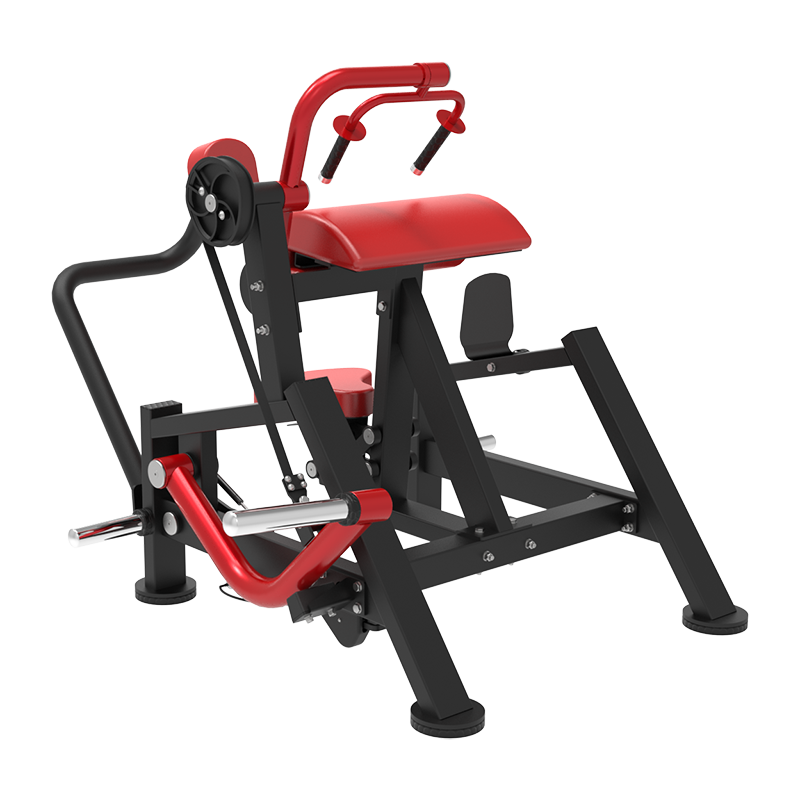
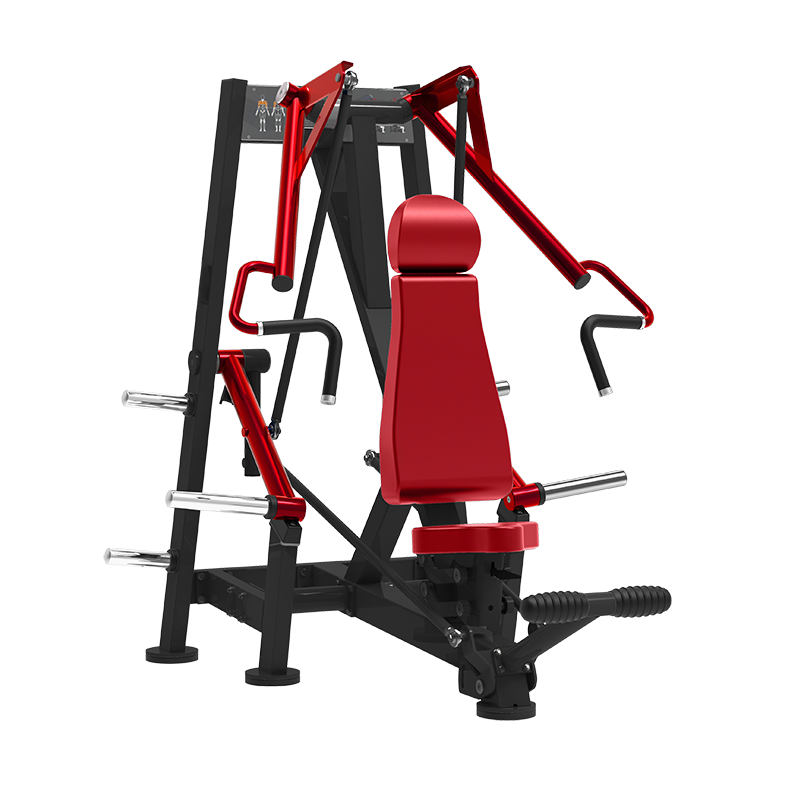
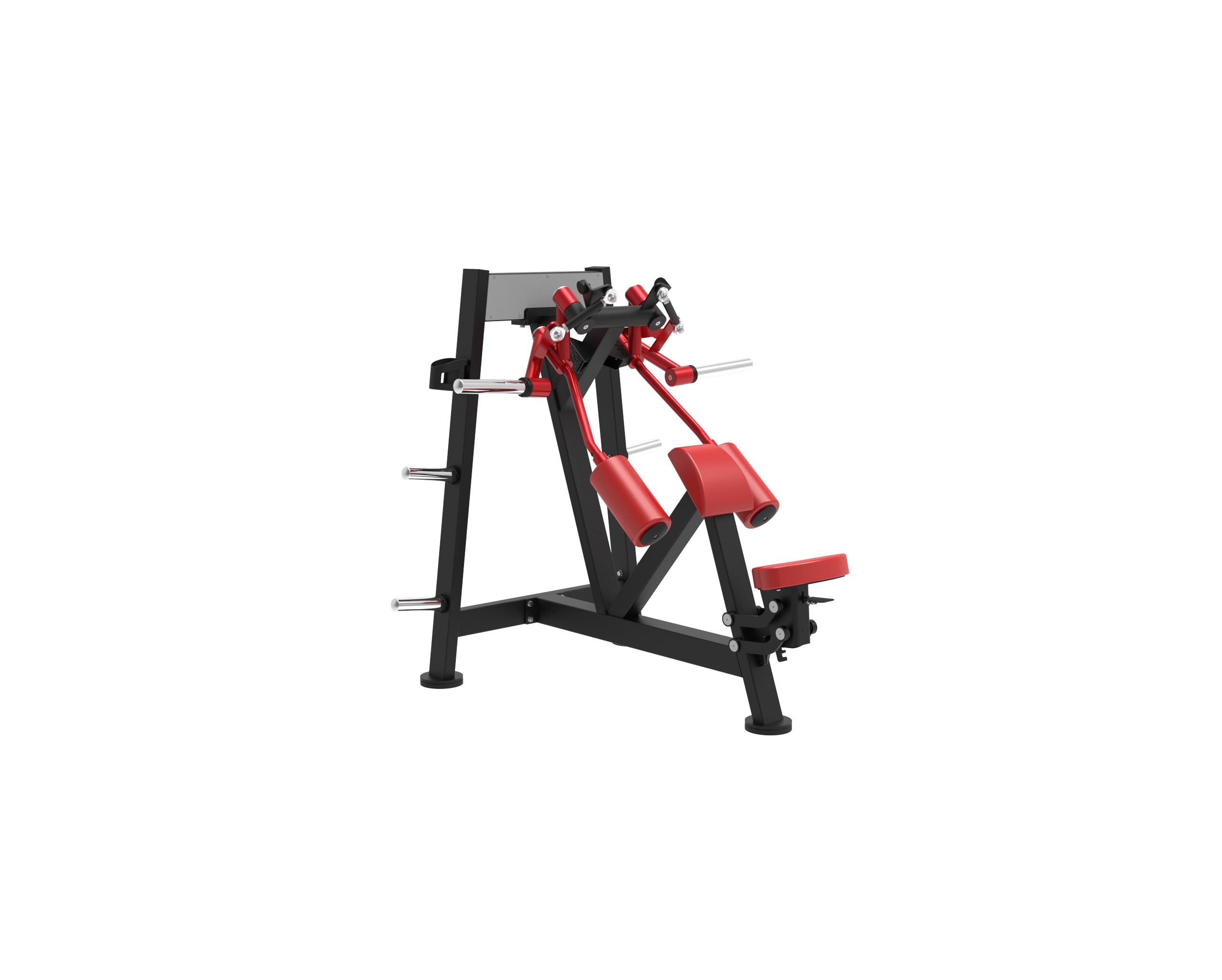
MND fitness plate loaded machines can be especially relevant in larger facilities where buyers want a robust feel without the complexity of some specialty systems. Still, plate-loaded equipment deserves a closer inspection of loading angles, user access, and floor spacing. In a crowded room, a machine that looks compact on paper may still create traffic issues.
Cardio series
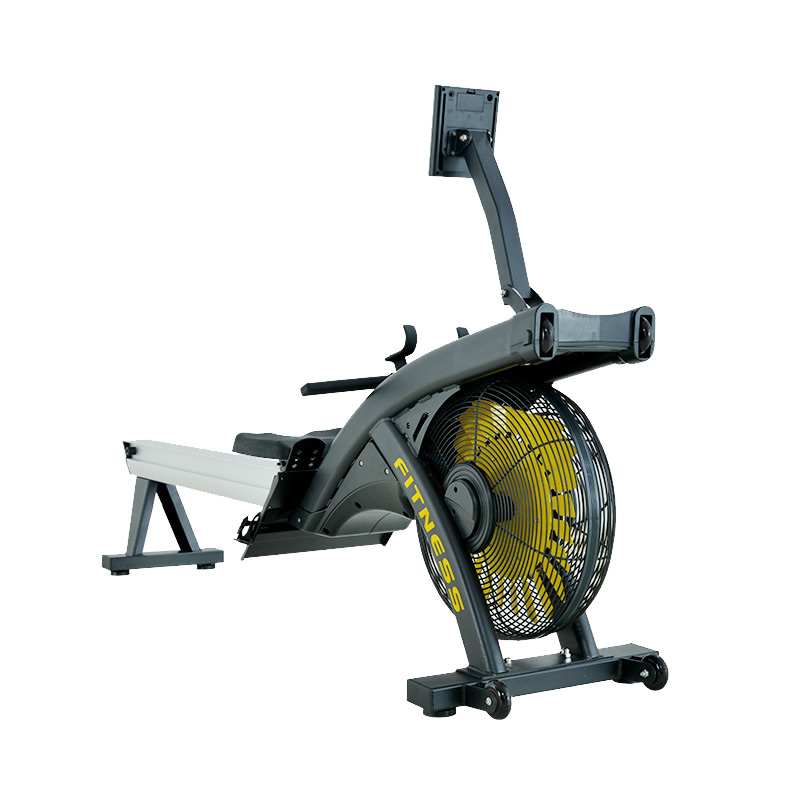
On the cardio side, Minolta lists MND-D exercise bikes and MND-X500, X600, and X700 treadmills. For many operators, treadmill selection is less about novelty and more about serviceability, belt feel, console clarity, and how the units stand up under sustained use. Cardio pieces often take more daily abuse than the buyer initially expects, especially in hotel, apartment, and club environments where usage spikes and supervision is inconsistent.
If you are comparing mnd fitness cardio equipment with alternatives, check the basics carefully: frame stability, step-up height, display readability, and whether the machine layout supports fast turnover during peak hours. Small details become large once the gym is busy.
What to check before placing a commercial order
The useful questions are usually the unexciting ones.
First, decide whether you are buying for a general fitness club, a boutique studio, a rehabilitation-adjacent setting, or an institutional environment. The same machine can look acceptable in all four, but it may not be ideal in all four.
Second, review the product mix as a system. A commercial gym machine mnd search often starts with one model, but the real purchase should cover the whole floor plan: push, pull, legs, core, cardio, and spacing between stations.
Third, ask how the supplier handles customization and branding. Many buyers need color matching, logo placement, or layout support. Those details are not cosmetic in a commercial opening; they affect how quickly the site feels finished.
Fourth, look at the supplier’s manufacturing footprint and export experience. Minolta’s stated 120,000-square-meter facility and export history across Europe, Africa, the Middle East, South America, and Southeast Asia do not automatically guarantee a fit for your market, but they can reduce the risk of dealing with a supplier that has only domestic experience.
Common mistakes buyers make with commercial gym sourcing
One frequent mistake is overbuying specialized equipment before the core floor is complete. A gym can survive without a niche machine for a while. It cannot survive a weak leg zone, a poor cardio mix, or a layout that frustrates members every hour.
Another mistake is assuming all commercial equipment is equally commercial. That sounds obvious, but it happens. Buyers sometimes compare on appearance alone and overlook frame design, user contact points, or how a machine will age after repeated use.
A third mistake is ignoring operational fit. A hotel gym and a serious strength club do not want the same balance of mnd fitness commercial machines. A hotel needs simplicity and broad appeal. A strength-focused club may justify more plate-loaded machines and fewer all-purpose units.
Finally, some buyers focus too much on the first order and too little on the supplier relationship. If a manufacturer cannot support expansion, replacement planning, or repeat purchases, the initial deal may be cheaper than the long-term reality.
How to compare suppliers without getting lost in the brochure
Start with floor planning. Lay out the equipment as if people are already using it, not as if it is still boxed. Walk the traffic paths. Look for pinch points.
Then compare the catalog depth. A supplier with both mnd fitness strength equipment and cardio equipment is easier to consolidate around than one that only covers half the floor. Breadth is not everything, but it helps when you want a coherent installation.
After that, ask for product family details rather than isolated photos. A consistent family of mnd fitness gym machines is easier to maintain and present than a handful of unrelated pieces.
It is also wise to ask for documentation on the specific models you care about. Commercial buyers often need more than a sales sheet, especially when the equipment is going into a chain, a public facility, or a project with internal approval steps.
Who the MND commercial range seems best suited for
Based on the company information provided, MND FITNESS appears aimed at buyers who want a broad commercial equipment source with export experience and a large manufacturing base. That tends to suit distributors, gym developers, hospitality buyers, and operators opening multi-zone facilities.
The company’s range of over 300 types also suggests flexibility for mixed projects. If a buyer needs a package that combines strength, cardio, and some specialized training pieces, that breadth can be useful. For smaller operators, the question is whether they want that much variety or prefer a tighter, more curated floor.
Practical buyer advice before you request a quote
Have your room dimensions ready. Have your user profile ready too. The supplier can only help if it knows whether you are building a general fitness center, a premium club, or a compact commercial room.
If you are interested in mnd fitness commercial gym equipment, ask for a proposed assortment by zone: warm-up, cardio, selectorized strength, free-weight support, and any plate-loaded area. That makes it easier to compare against rival bids.
Be cautious with vague comparisons. One supplier may quote a lower headline price but omit machines you will end up adding later. Another may look more expensive but provide a more complete base package. In commercial fitness, that difference can be bigger than the sticker price suggests.
FAQ: a few questions buyers usually ask
Is MND only for large gyms?
Not necessarily. The range described by Minolta includes commercial and home use, but the company’s broader catalog and export footprint make it relevant to commercial projects of different sizes.
Should I choose selectorized or plate-loaded machines?
It depends on your users and space. Selectorized units are generally easier for general members. Plate-loaded machines are often better for strength-oriented environments and users who want a more traditional lifting feel.
What is the main advantage of buying from a broad-line supplier?
Consolidation. If one manufacturer can cover cardio, strength, and supporting gym machines, procurement and floor consistency are usually simpler.
Next step for buyers
If you are building or refreshing a commercial facility, the next move is not to browse endlessly. It is to define the floor, the user mix, and the equipment categories you need first. Then request a structured proposal that covers mnd fitness commercial machines across the zones that matter most.
That approach gives you a cleaner comparison, a more realistic budget, and fewer surprises once installation begins. And in this business, fewer surprises is usually the best outcome you can ask for.