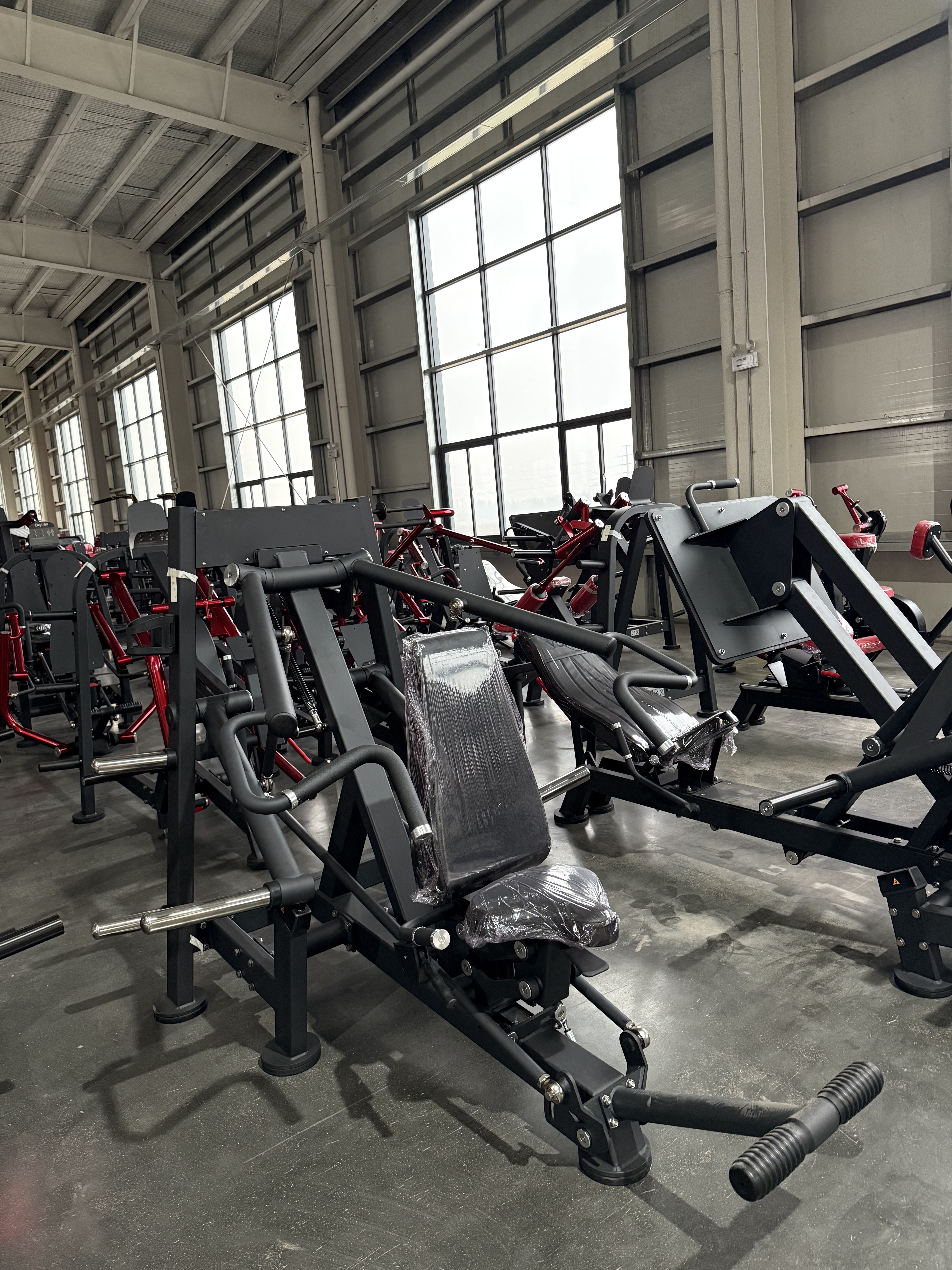



Choosing exercise equipment for a gym project is less about catalog browsing and more about solving a layout, durability, and user-mix problem
Exercise equipment looks straightforward until you have to buy it in volume. A treadmill is not just a treadmill once it has to survive a busy floor, support different body types, fit the power and space constraints of a site, and stay available when service calls are expensive. The same is true for strength machines, bikes, and the long list of fitness equipment that fills a modern facility. For sourcing managers, gym operators, and product teams, the real question is not “what looks good?” but “what combination will hold up, keep members moving, and make operational sense after month three?”
That is where a structured view helps. If you are comparing home gym equipment against commercial gym equipment, or building a mixed cardio-and-strength floor from scratch, the buying decision changes with use intensity, floor plan, maintenance access, and the expectations of the people training there. A club with short peak-hour traffic has different needs from a hotel gym, a school facility, or a large commercial chain. One mistake here can echo for years: too little equipment, too much of the wrong type, or machines that are hard to service in the real world.
What buyers usually need to decide first
Before comparing models, it helps to step back and define the job each machine must do. That sounds basic, but it saves a lot of expensive correction later.
1) Commercial or home use
The first filter is duty cycle. Home gym equipment is often designed for lower frequency, lighter traffic, and less aggressive wear. Commercial gym equipment has to tolerate repeated daily use, a wider range of user sizes, and frequent adjustments by people who may not treat the machine gently. That does not automatically mean “bigger is better,” but it does mean you should look harder at frame construction, moving parts, upholstery wear, and access to replacement components.
2) Cardio, strength, or mixed floor
A cardio-heavy facility needs reliable treadmills, bikes, and other endurance machines that can handle constant rotation. A strength zone needs selectorized stations, plate-loaded units, and functional training pieces that support efficient movement between exercises. Many operators need both, but the ratio matters. Too much cardio in a strength-oriented space leaves money sitting idle. Too much strength in a general-population gym can create bottlenecks during peak hours.
3) Space, traffic, and service access
This is the part buyers sometimes underestimate. Equipment dimensions on paper are not the same as practical spacing on a floor plan. You need room for entry, exit, weight stacks, maintenance access, and safe movement around the machine. A treadmill bank that looks efficient in a rendering can become a choke point when members are actually using it.
What Shandong Minolta Fitness Equipment Co., Ltd. brings to the table
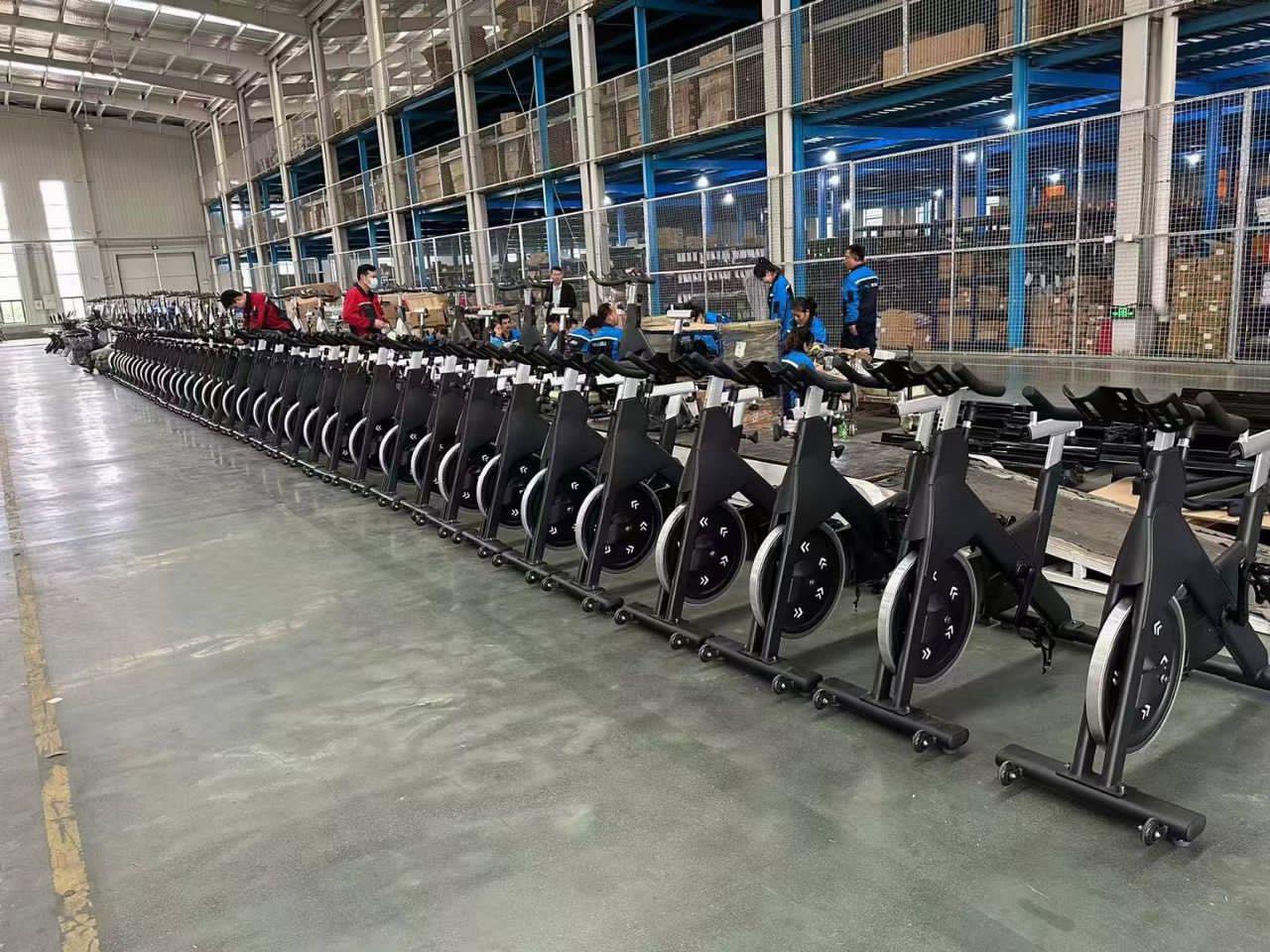
Shandong Minolta Fitness Equipment Co., Ltd., also known as MND FITNESS, is positioned as a commercial fitness equipment manufacturer with more than a decade of experience. The company says its operation in Ningjin benefits from the local hardware industry cluster, and its facility covers 120,000 square meters, including a manufacturing workshop, quality control lab, and exhibition hall. For buyers, that combination usually matters more than marketing language: it suggests a production base large enough to support varied orders and an internal structure that can handle inspection and product presentation.
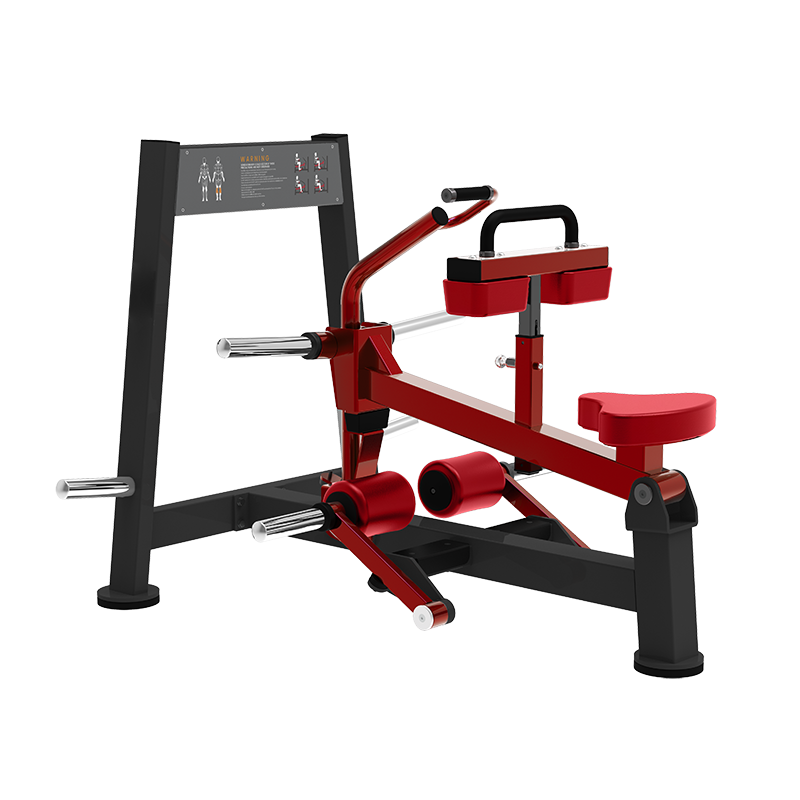
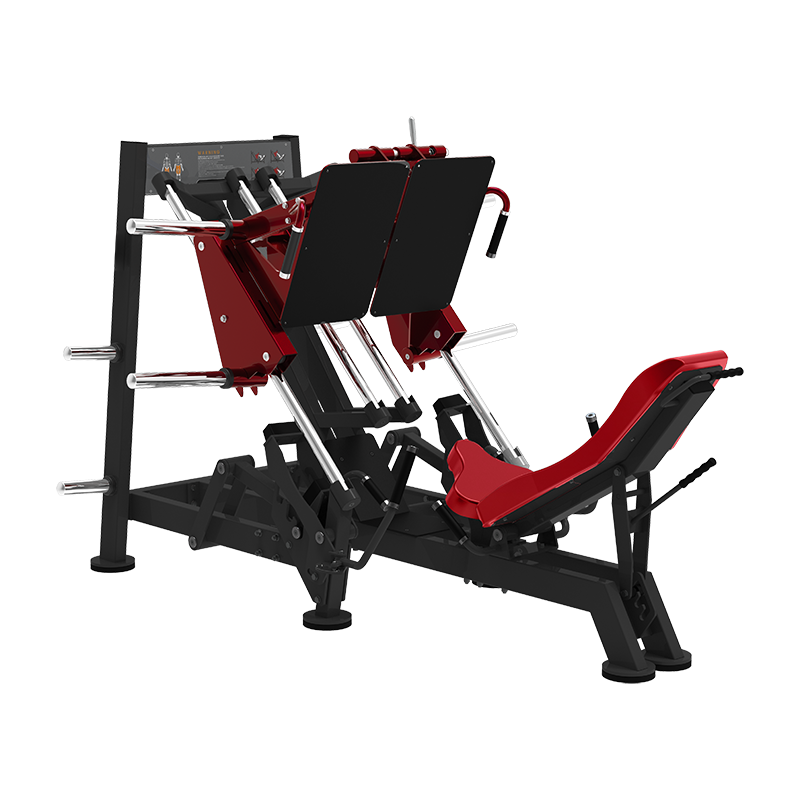
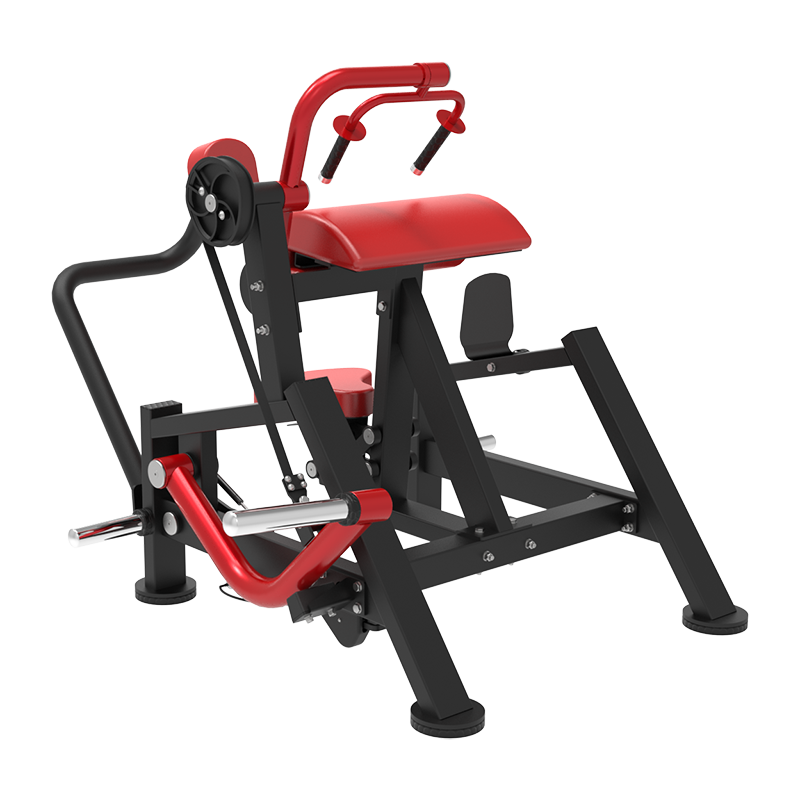
The company’s lineup is broad. According to the information provided, it offers more than 300 types of exercise equipment for commercial and home use, including several strength series such as MND-AN, MND-FM, MND-FH, MND-FS, MND-FB, MND-E Crossfit, MND-F, MND-FF, MND-G, and MND-H, as well as cardio series such as MND-D exercise bikes and MND-X500, X600, and X700 treadmills.
That breadth matters for procurement teams because sourcing is rarely about a single machine. It is about platform consistency, visual identity across a floor, and the ability to reorder related units without redesigning the whole gym. A supplier with a wide portfolio can sometimes make that easier, though buyers still need to compare the actual product family, not just the catalog size.
How to compare exercise equipment without getting distracted by brochures
There are a few practical checkpoints that separate serious purchasing from guesswork.
Frame and construction quality
For fitness equipment, the visible finish is only part of the story. What matters just as much is how the frame is built, how stable the machine feels under load, and how consistently parts align. Buyers should ask how the machine behaves after repeated use, not just how it looks on arrival.
Movement feel and user comfort
Commercial buyers often focus on durability first, but member experience still decides whether a machine gets used. Seat adjustment range, handle placement, start-up resistance, stride feel, and console clarity all affect adoption. A machine can be mechanically sound and still underperform if it feels awkward to a broad user base.
Maintenance reality
If a machine is difficult to service, its apparent value drops quickly. Ask how easy it is to inspect the moving parts, replace wear items, and keep the unit in rotation. In busy commercial gyms, downtime is not a small nuisance; it is lost capacity.
Portfolio fit
Do not buy each item in isolation. The floor should feel coherent. A strength area made from one product family and a cardio area from another can still work, but visual and functional consistency usually helps the operator and the member. That is one reason manufacturers with multiple series, like MND FITNESS, often appeal to buyers building a unified site.
Common mistakes buyers make when sourcing gym equipment
The most common mistake is overbuying for the first month and underplanning for the second year. New facilities often want a dramatic opening day floor, but the real issue is how the equipment performs after the novelty wears off.
Another mistake is choosing by unit price alone. Lower-priced exercise equipment can make sense, but only if it does not create a hidden cost in service calls, replacement parts, or member complaints. A marginally cheaper treadmill that spends time offline is not cheaper in any meaningful operational sense.
A third problem is mixing commercial and home gym equipment without considering duty level. It may be tempting in smaller studios or start-up facilities, yet the mismatch becomes obvious once traffic increases. The machine that seemed fine during a showroom visit may start to show its limitations in daily use.
Finally, some buyers do not think about the regional environment. Exported gym equipment has to travel well and support local after-sales realities. MND FITNESS notes exports to more than 100 countries across Europe, Africa, the Middle East, South America, and Southeast Asia. That kind of reach can be useful, but the buyer still needs to confirm packaging, spare-part support, and shipment planning for the local market.
A practical buying sequence for sourcing teams
A sensible procurement process usually runs in this order:
First, define the facility type and target user mix. A corporate fitness room, a public gym, and a hotel wellness space do not demand the same inventory.
Second, set the product mix by category: cardio, selectorized strength, free-weight support, and functional training. This prevents impulse buying.
Third, confirm space and electrical requirements where relevant. Treadmills and other cardio units often need more planning than people expect.
Fourth, narrow suppliers based on product breadth and consistency. A manufacturer offering both strength and cardio lines can simplify sourcing, but only if the product quality is uniform.
Fifth, ask for service documentation, spare-parts logic, and shipping details before committing. This is where a lot of projects quietly succeed or fail.
Why large manufacturing capacity matters, but not by itself
A big facility, a quality control lab, and a long product list are encouraging signals. They suggest the supplier is not improvising. For buyers, especially those ordering across multiple sites or planning phased rollouts, that can be useful. Still, capacity alone does not prove fit. The right exercise equipment is the equipment that matches your users, your maintenance model, and your budget structure. Plenty of projects go wrong because a buyer assumed “factory scale” meant “automatic suitability.” It does not.
The better approach is to treat the supplier as part of the operational design. If the company can support a consistent range of commercial gym equipment and provide clear product families, that reduces complexity. If it can also cover some home gym equipment needs, it may help operators with smaller satellite locations or premium residential installs. But the final selection should still be based on actual use, not on how complete the brochure looks.
Questions worth asking before you place an order
What are the main machine families, and which ones are intended for commercial use?
How do the cardio and strength lines differ in build and intended application?
Are there product series that can be mixed visually across one site?
What support exists for spare parts and ongoing maintenance?
Can the supplier help with a multi-site rollout or phased expansion plan?
Those questions are simple, but they force a useful conversation. Suppliers that answer clearly usually make the rest of the project easier.
Next step for buyers
If you are shortlisting exercise equipment for a new gym, a refurbishment, or a regional rollout, start with the floor plan and the member profile, then compare supplier portfolios against that reality. Shandong Minolta Fitness Equipment Co., Ltd. is worth reviewing if you want a manufacturer with broad strength and cardio coverage, a large production base, and experience shipping gym equipment into international markets. The key is to match the right series to the right application, not to fill a room just because the catalog is long.
For sourcing teams, that is usually the difference between a smooth opening and a year of preventable fixes.