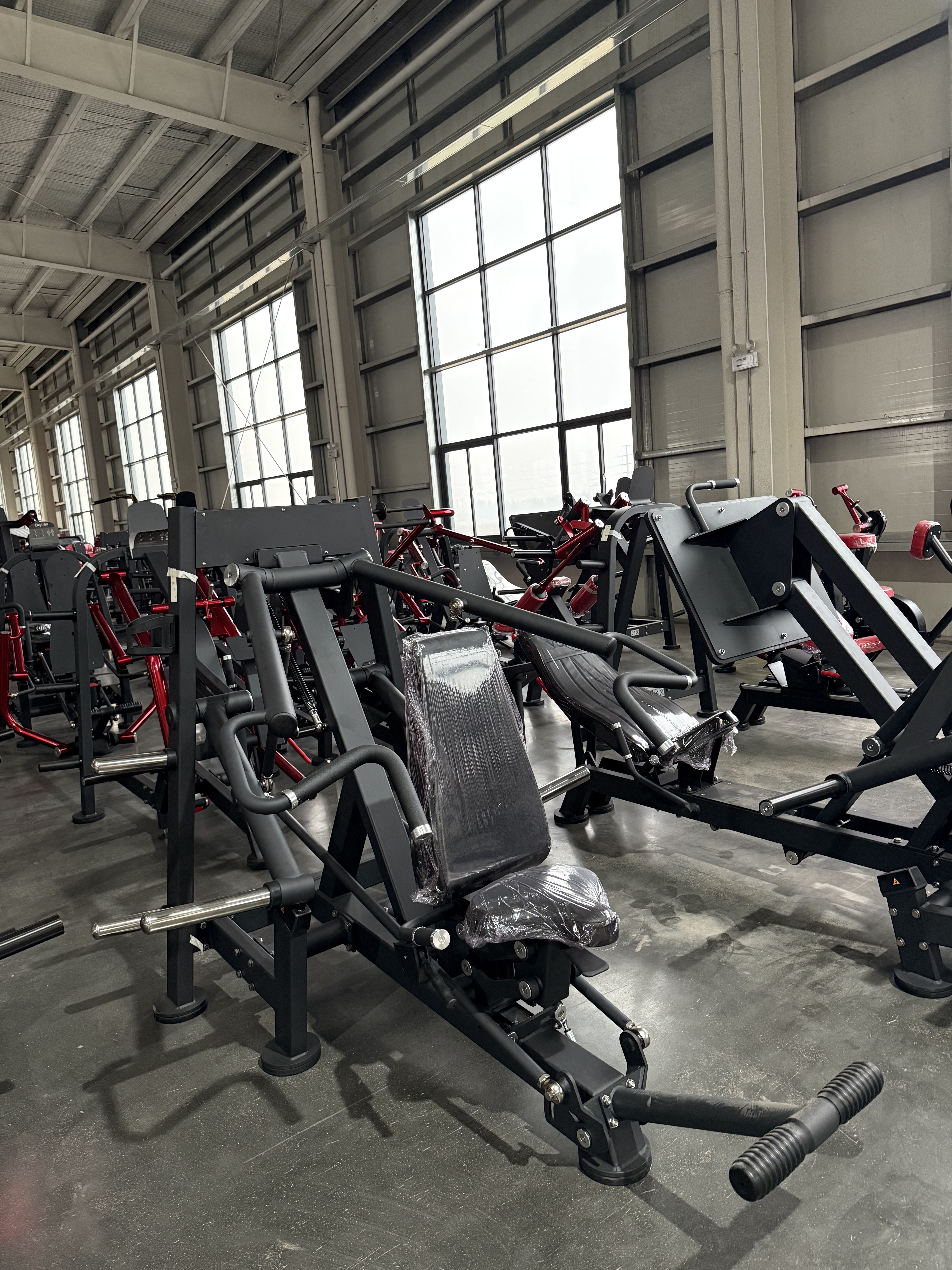



Why buyers keep searching for MND FITNESS
When sourcing mnd fitness equipment, most buyers are not just shopping for machines. They are trying to reduce risk: fewer breakdowns, a cleaner floor plan, a more credible training offer, and less back-and-forth with a supplier after the order lands. That is true whether you run a commercial gym, fit out a hotel fitness room, or build a multi-site chain that needs equipment to look consistent and hold up under real use.
The phrase also gets used in a practical way. Some buyers want a manufacturer with a broad catalog. Others want one source for strength and cardio so the final install feels coordinated. A smaller group is looking for premium gym equipment that can support a higher-ticket member experience without pushing maintenance costs into the red. In each case, the decision is less about a single machine and more about what kind of operating partner the manufacturer can be.
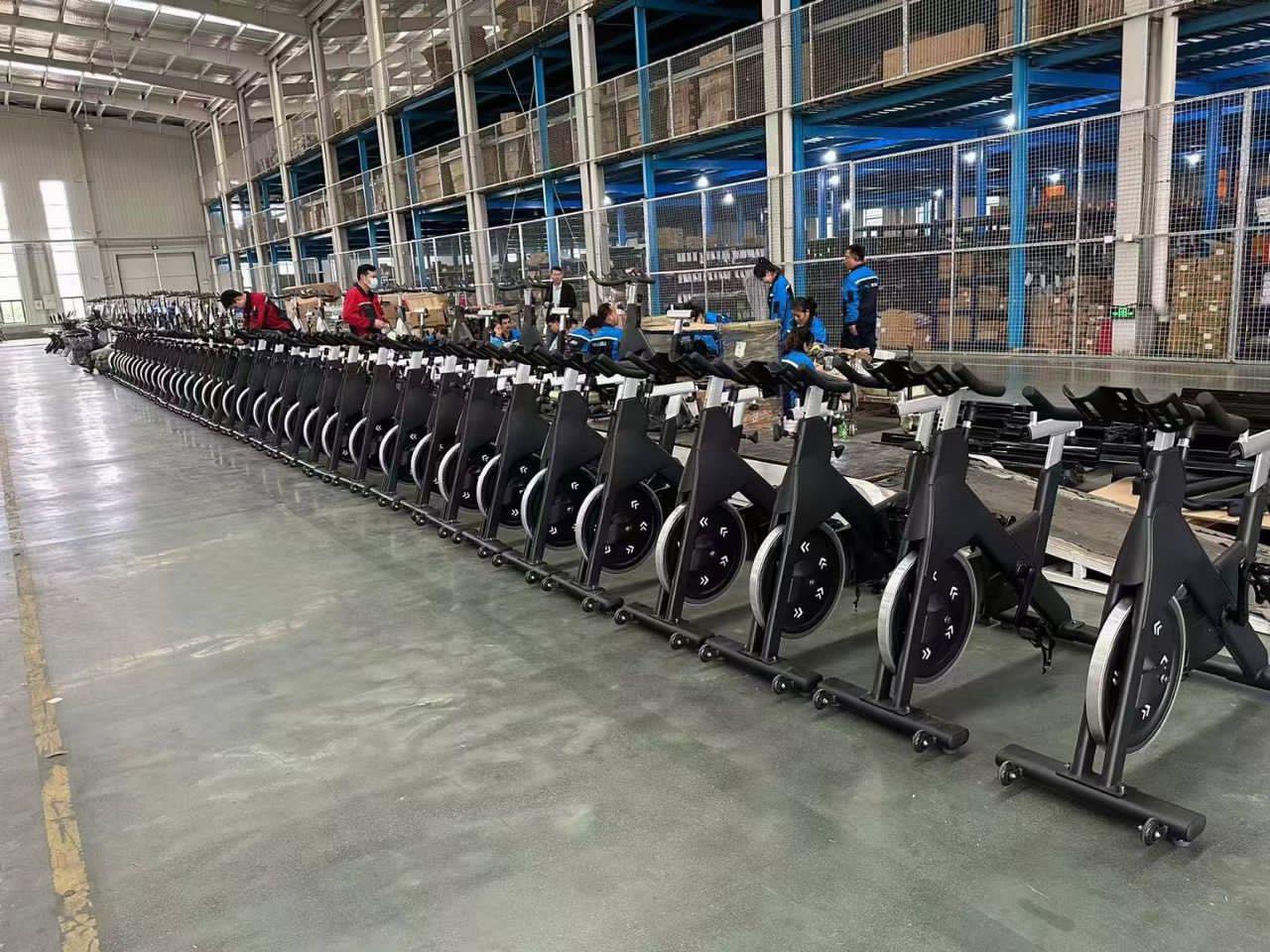
Shandong Minolta Fitness Equipment Co., Ltd. sits in that conversation for a reason. The company’s facility in Ningjin covers 120,000 square meters and includes a manufacturing workshop, a quality control lab, and an exhibition hall. It offers more than 300 types of exercise equipment and says it has exported to over 100 countries. Those are the kinds of signals buyers usually want before they even start comparing model sheets.
A quick read on the company and its lineup
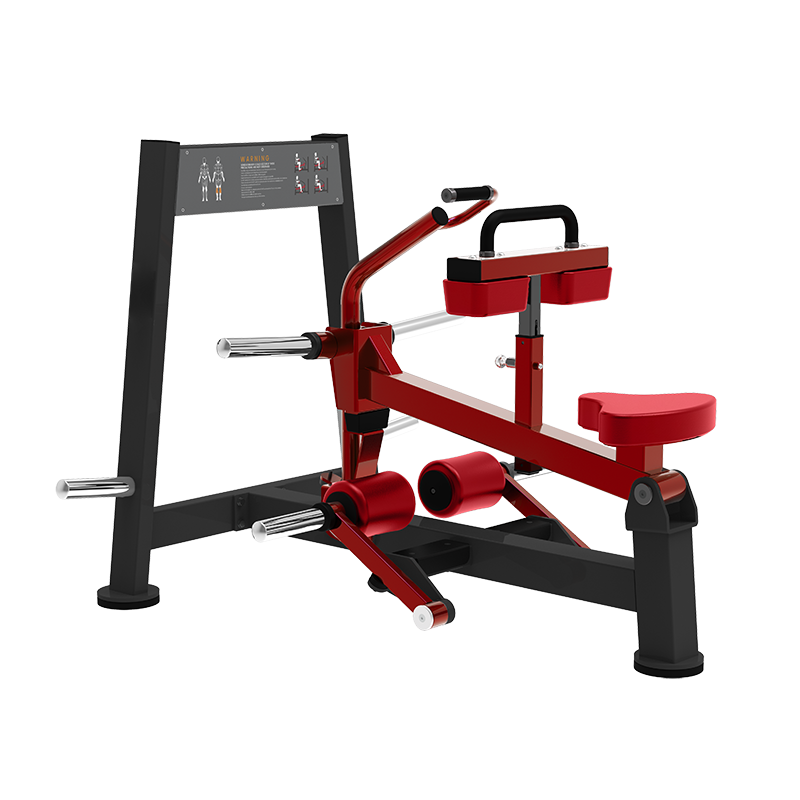
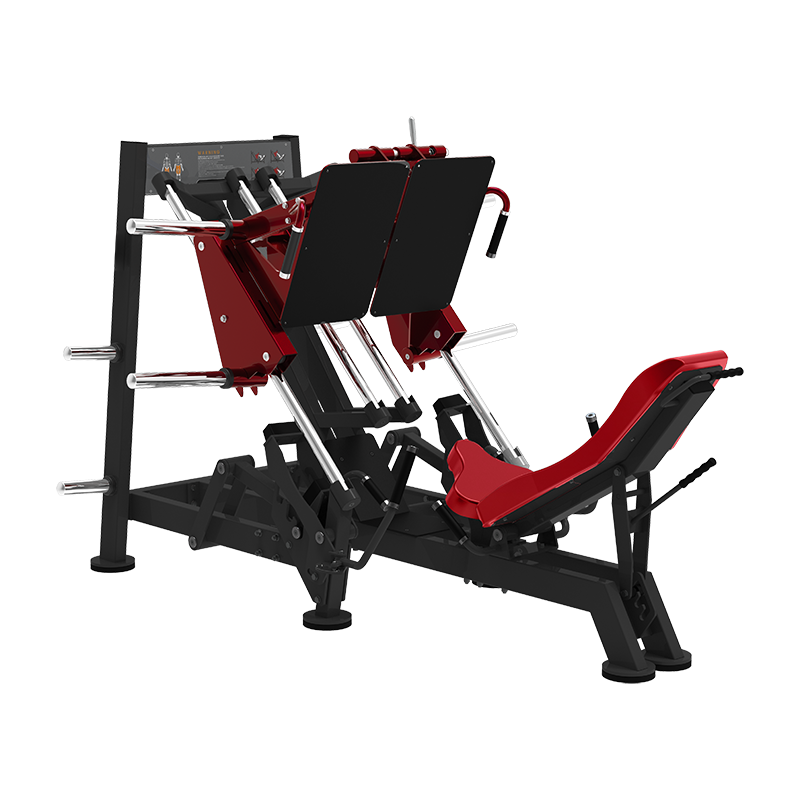
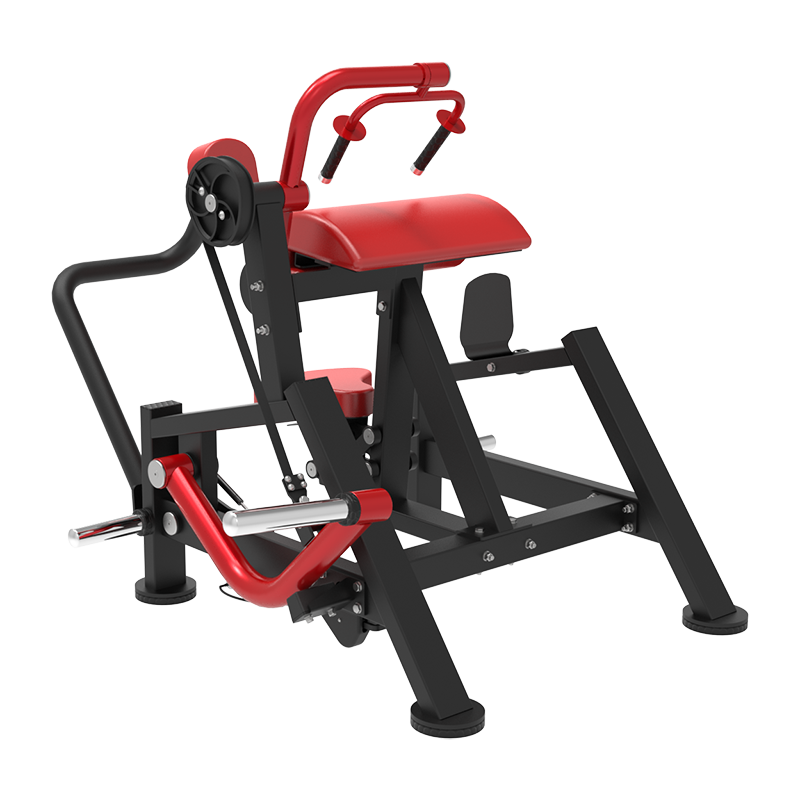
Minolta’s product range is broad enough to support a full gym floor, not just a single training zone. The company lists several strength series, including MND-AN, MND-FM, MND-FH, MND-FS, MND-FB, MND-E Crossfit, MND-F, MND-FF, MND-G, and MND-H. Its cardio side includes MND-D exercise bikes and the X500, X600, and X700 treadmill lines.
That matters because many purchasers prefer to work with one supplier for both categories. Mixed sourcing can be manageable at the sample stage, but it often becomes awkward during installation, warranty handling, and later expansion. A uniform supplier can simplify spare parts planning and reduce the amount of time your team spends chasing down technical documents.
For buyers comparing commercial fitness equipment from multiple vendors, a wide range is also a useful clue. It usually suggests the factory is set up for volume production and repeatable builds, not just occasional custom orders. That does not remove the need for due diligence, but it does change the starting point.
What the buyer is really comparing
People often say they are comparing finish quality, frame size, upholstery, or console design. In practice, they are comparing three deeper things: durability, user experience, and supplier reliability.
Durability is the obvious one. A gym floor absorbs daily wear in a way home equipment never does. Cable paths loosen, adjustment points get slammed, seats are dragged, and handlebars are gripped by dozens of different users. If the machine feels good on day one but becomes noisy or unstable in month eight, the purchase was poor regardless of how polished the brochure looked.
User experience is subtler. A machine may be mechanically sound and still feel wrong for a commercial setting if the entry points are awkward or the adjustment range is too limited. That is especially relevant for professional gym machines, where easy access and intuitive setup can affect how often members use the equipment.
Supplier reliability is often overlooked until something goes wrong. A buyer dealing with luxury fitness equipment or a branded club concept usually needs more than a shipment. They need consistency across orders, responsive technical communication, and enough product depth to support future replacements or expansion.
Strength and cardio: different buying rules
It is a mistake to evaluate all gym equipment with the same checklist. Strength and cardio behave differently in the field, and the buying priorities should reflect that.
Strength training equipment
With strength training equipment, the focus should be on frame stability, movement feel, pad construction, weight-stack reliability, and how easy the machine is to maintain. Small issues matter here. A slightly awkward seat adjustment or poor access to service points can become a recurring complaint from staff. For multi-user environments, clarity of adjustment markings and basic ergonomics are worth more than decorative trim.
Minolta’s strength series structure suggests a range that can cover selectorized machines and functional training needs across different floor plans. That is useful for operators building out zones for chest, back, leg, shoulder, and cross-training use without mixing too many incompatible designs.
Cardio equipment
Cardio buyers usually care about treadmills and bikes that can survive long operating hours with manageable upkeep. Console layout, belt feel, pedal stability, and the ease of cleaning are all part of the real purchase. In a busy club, cardio equipment is often judged not by technical specs alone but by how often it ends up off the floor for service.
The MND-X500, X600, and X700 treadmill lines suggest a tiered offering, which may help buyers match product level to member profile or facility type. That can be handy for operators who want one treadmill spec for a premium zone and another for a general-use area.
Where high-end positioning helps, and where it can mislead
Some buyers look for high end fitness equipment because the visual impact matters. That is a reasonable instinct. Finish quality, branding presentation, and the sense of solidity all shape how members perceive the gym. People do notice when a club looks underbuilt.
Still, “high end” is not a free pass. A machine can look premium without being the right tool for a commercial environment. Surface finishes do not replace welded stability. Nice upholstery does not solve poor maintenance access. And a dramatic frame design can be a nuisance if it complicates cleaning or makes the floor plan too crowded.
This is where a factory with a broad catalog can help, provided the buyer stays disciplined. The goal is not to buy the most dramatic machine. The goal is to choose equipment that supports daily use, brand image, and serviceability at the same time.
How to evaluate a supplier like Minolta
A useful evaluation process should start with the operating environment, not the catalog.
First, define the facility type. A boutique studio, hotel gym, university rec room, rehabilitation space, and large commercial club will all use equipment differently. That changes the ideal mix of machines, the finish standard, and the expected service intensity.
Second, ask for product families rather than single hero models. A supplier with multiple strength and cardio series is easier to scale with if the initial opening goes well. It is also easier to standardize across sites.
Third, check how the company handles technical communication. Buyers sometimes focus on the machine spec sheet and forget the importance of documentation. Assembly drawings, replacement part references, and clear model naming can save a lot of friction later. This is especially true when buying commercial fitness equipment across borders.
Fourth, inspect the physical evidence the supplier can provide. A real manufacturing workshop, a quality control lab, and an exhibition hall are not proof of excellence by themselves, but they do help buyers judge whether the company is organized enough for ongoing business. In manufacturing, process visibility is never a bad sign.
Common mistakes buyers make
One common mistake is overbuying appearance. A glossy finish can be attractive on a sales floor, but the gym manager has to live with the machine after the ribbon cutting.
Another mistake is underestimating parts continuity. If a facility plans to grow, spare parts and replacement units matter as much as the first shipment. A fragmented supply chain can turn a small issue into a long closure.
A third mistake is assuming all equipment in the same category performs similarly. Even within premium gym equipment, the details vary. Adjustment geometry, stacking feel, foot placement, and the practical ease of service can change the user experience significantly.
Finally, some buyers treat broad export history as a substitute for fit. Exporting to many regions is useful, and Minolta’s reported reach across Europe, Africa, the Middle East, South America, and Southeast Asia suggests real international experience. But the right question is still: does the product line fit this project, this budget, and this maintenance plan?
Practical advice for sourcing teams
If you are building a shortlist, start with use case, not brand language. Make a floor plan. Define training zones. Decide where you need durable workhorse units and where you want a more polished look. Then compare the machines line by line.
Ask for consistency across orders if the project may expand later. Ask how the factory distinguishes series, because that can matter for future replenishment. And do not ignore the boring questions: packaging, assembly support, replacement parts, and how the supplier handles mixed containers.
For chains and distributors, breadth is particularly valuable. A manufacturer that can provide strength and cardio under one roof reduces coordination effort. It also makes the next purchasing round simpler, which is often where the real commercial value shows up.
FAQ buyers usually ask
Is MND FITNESS only for commercial gyms?
No. The company information indicates equipment for commercial and home use. That said, buyers should always match the product line to the real duty cycle.
Why does a broad product range matter?
It makes it easier to standardize a gym, source replacement units, and scale future locations without starting the vendor search again.
What should I request before placing an order?
Model documentation, product family details, assembly information, and a clear understanding of after-sales support. If the project is large, ask for sample evaluation before committing to a full rollout.
The real takeaway for buyers
MND FITNESS is best viewed as a manufacturer with scale, category breadth, and international market experience. For sourcing managers, that combination can be useful when the project calls for coordinated luxury fitness equipment, durable cardio lines, and a coherent strength floor. The catalog breadth matters, but only if it is matched by clear communication and fit-for-purpose selection.
If you are shortlisting suppliers, begin with your floor plan and service expectations. Then compare Minolta’s series against the actual use case, not just the visual impression. That is usually where the smarter purchase gets made.