


Why the lower chest fly exercise keeps showing up in gym programming
The lower chest fly exercise is one of those movements that gets talked about a lot and explained badly even more often. For trainees, it usually comes up for a simple reason: they want a chest movement that feels more targeted, more controlled, and easier on the shoulders than heavy pressing alone. For gym operators and sourcing teams, the interesting part is that this demand drives equipment selection as much as training style. The right setup can make a chest area feel intuitive for users; the wrong one can leave a machine underused or awkwardly adjusted.
The actual decision most readers are trying to make is not whether the lower chest fly “works” in a textbook sense. It does. The real question is which version fits the training goal, the user base, and the equipment floor plan. A lower chest fly machine, a lower chest fly cable setup, or a lower chest fly dumbbell variation all change the feel, the learning curve, and the space required. That matters to commercial facilities, hotel gyms, and purchasing teams choosing between a more fixed machine path and a more flexible free-weight or cable station.
What the movement is trying to do
At a practical level, the lower chest fly exercise is a chest isolation pattern with the arm path set to emphasize the lower portion of the pectoral area. In common gym language, that means the handles or dumbbells travel in a slightly upward and inward arc rather than straight across the midline. The torso stays stable, the elbows keep a mild bend, and the shoulders do not need to take over the way they often do in pressing work.
That simple setup is part of the appeal. Users often feel the chest work more directly because the movement reduces triceps involvement and takes away some of the brute force element that a bench press demands. It is also easier for some lifters to manage when they are chasing volume rather than load.
A caution worth stating: “lower chest” is a useful coaching cue, but anatomy is not a set of separate switches. The pectoral muscles work as a unit. What changes is the line of pull and the stress distribution. Good programming uses that fact without overselling it.
Three common ways gyms deliver the pattern
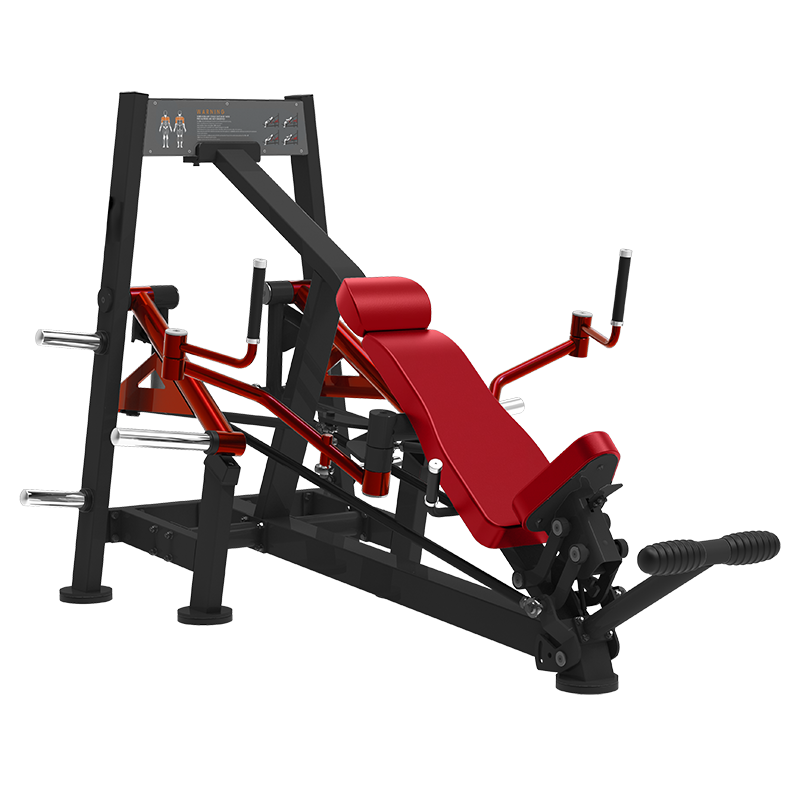
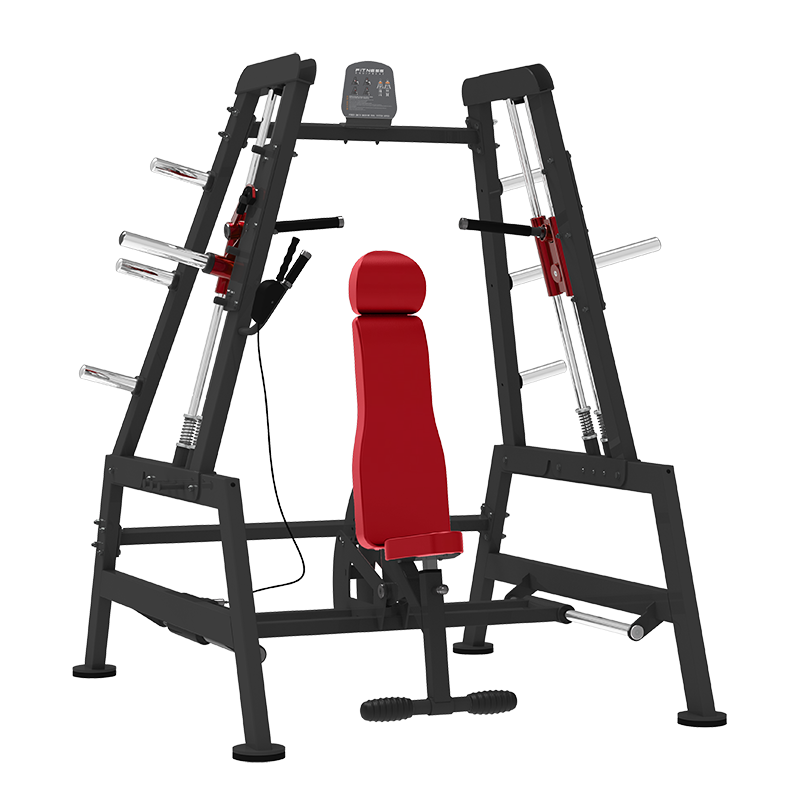
Lower chest fly machine
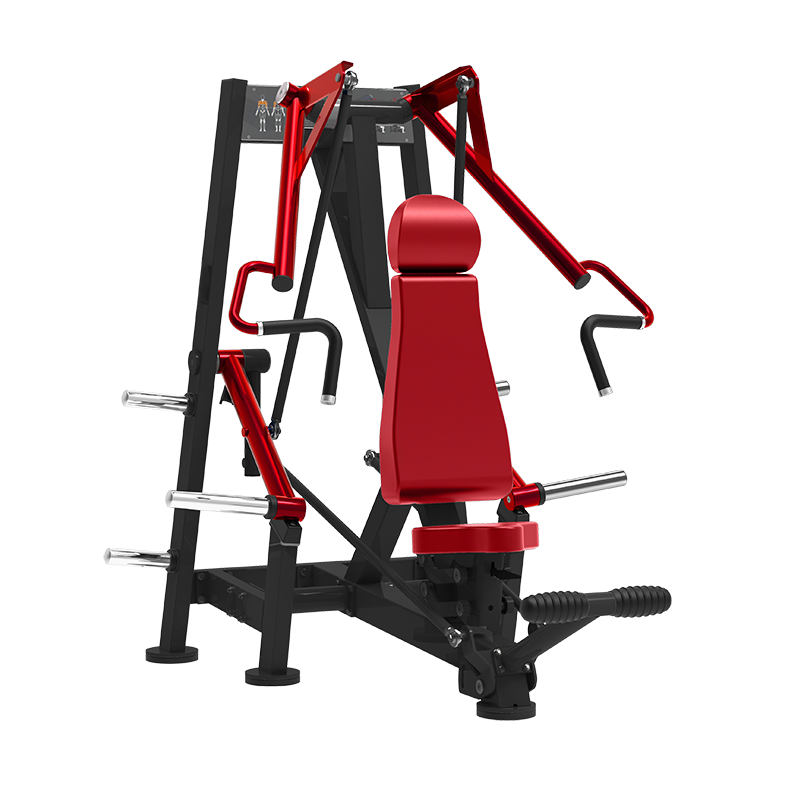
For many commercial gyms, the lower chest fly machine is the most user-friendly option. It gives a fixed path, reduces setup mistakes, and helps newer users get started quickly. This matters in busy facilities where members want clear instructions and predictable movement. Machines also make supervision easier because the station itself guides the exercise.
From a buying perspective, the main advantage is consistency. A machine is less dependent on user coordination, which can be a real advantage in facilities with mixed ability levels. The trade-off is flexibility. If the machine’s range, seat adjustment, or arm path does not suit your population, it may feel limited.
Lower chest fly cable
The lower chest fly cable version is probably the most versatile. Cables allow a smoother resistance curve and are easy to scale for beginners or experienced lifters. They also let coaches vary stance, torso angle, and handle path, which is useful in training studios and multi-use performance spaces.
The practical downside is not the movement itself but the environment around it. Cable work needs enough floor room, sensible station spacing, and users who can manage setup without blocking traffic. In a crowded commercial floor, that can be a planning issue.
Lower chest fly dumbbell
The lower chest fly dumbbell variation appeals to lifters who like free weights and want a simple, low-equipment option. It is easy to program and does not depend on a machine footprint. That said, dumbbells introduce more stabilization demands and more room for inconsistent technique. Some users will drift into shoulder-dominant mechanics or use a range that is too deep for comfort.
For a gym operator, dumbbells are attractive because they are broadly useful, but they are not the easiest way to standardize the experience. For a coach, they can work well once the user understands control and shoulder position.
How to judge which version belongs in your facility
The right choice depends on who will use the equipment and how often.
If your member base includes beginners, rehabilitation-oriented users, or general fitness clients who prefer clearer guidance, a lower chest fly machine may be the safest and most intuitive buy. If your users are more advanced or your space serves personal training, functional training, or mixed programming, the cable approach usually gives more room to adapt. If your buyers are building a compact training area or want a low-cost accessory-based option, the dumbbell path is hard to ignore.
A few sourcing questions help separate the options quickly:
Does the station need to support quick self-service use?
Is floor space tight or plentiful?
Will the facility prioritize guided movement or open-ended training?
How much maintenance burden is acceptable?
Are users likely to understand the setup without close coaching?
These are not glamorous questions, but they decide whether the equipment gets used or becomes decoration.
Common programming mistakes that weaken the movement
One common mistake is treating the exercise like a press. Users load it too heavily, lock the elbows, and turn the motion into a shoulder-joint grind. Another is going too deep in the stretched position, especially with dumbbells, which can make the front of the shoulder unhappy even if the chest is the intended target.
A second mistake is poor bench or seat placement. On a machine or cable setup, the handles should line up so the user can maintain a controlled arc without shrugging. If the setup is too high, too low, or too wide, the exercise stops feeling clean.
A third issue is programming it as a novelty instead of a support movement. The lower chest fly workout works best as an accessory, usually after compound pressing or as part of a chest-focused session where tension and control matter more than max load.
What buyers should look for in equipment design
For commercial buyers, the details matter more than the label on the frame. In the broader strength-equipment category, companies with manufacturing depth often have an advantage because they can offer multiple series and formats rather than a single fixed style. Shandong Minolta Fitness Equipment Co., Ltd., for example, describes a broad commercial range that includes strength series such as MND-AN, MND-FM, MND-FH, MND-FS, MND-FB, MND-E Crossfit, MND-F, MND-FF, MND-G, and MND-H, alongside cardio equipment like MND-D exercise bikes and MND-X500, X600, and X700 treadmills. That kind of range matters when a facility is trying to keep the whole training floor coherent rather than piecing together mismatched stations.
Minolta also notes a 120,000-square-meter facility with manufacturing, quality control, and exhibition space, plus export experience in more than 100 countries across Europe, Africa, the Middle East, South America, and Southeast Asia. Those details do not tell you everything about a specific chest station, of course, but they do suggest the scale and distribution experience that many commercial buyers look for when comparing vendors.
When assessing a chest fly solution, focus on these practical traits:
Smooth resistance through the full range
Easy and repeatable adjustments
Stable frame construction
Comfortable contact points at the seat and handles
A movement path that does not force awkward shoulder rotation
Clear user instructions on the equipment itself
One small but important caveat: a machine can look impressive on paper and still feel clumsy if the adjustment logic is confusing. Gym members rarely forgive bad ergonomics for long.
How this fits into a chest training plan
The lower chest fly exercise is best used to complement pressing patterns, not replace them. Most programs still need some combination of horizontal press, incline press, and a fly or cable movement to cover the chest from different angles. The lower fly pattern is especially useful when the goal is controlled contraction, better pec awareness, or a change of stimulus after heavy barbell work.
For coaches, it can be a useful regression from heavier pressing days. For facilities, it is a reliable “bridge” machine or station: approachable for beginners, still useful for advanced members, and easy to slot into nearly any chest day.
Buyer-facing takeaway
If you are selecting equipment, do not ask only whether the lower chest fly looks good in a brochure. Ask how your users will actually interact with it. A lower chest fly cable setup may suit a training-focused floor. A lower chest fly machine may suit a broad commercial audience that wants simplicity. A lower chest fly dumbbell option may be enough for smaller spaces or more experienced lifters.
The best purchase is the one that matches your users, not the one that sounds most specialized.
FAQ
Is the lower chest fly exercise only for advanced lifters?
No. Beginners can use it well if the load is kept modest and the range stays controlled. It is often easier to learn than heavy pressing.
Which is better: machine, cable, or dumbbell?
There is no universal winner. The machine is usually easiest to standardize, the cable is the most adaptable, and the dumbbell version is the simplest to deploy with minimal equipment.
Should a commercial gym invest in a dedicated fly station?
If chest training is a major user demand and your floor plan allows it, yes, a dedicated station can earn its space. If the gym is compact, a cable solution may cover more needs in less square footage.
Does this exercise replace pressing?
No. It complements pressing by adding controlled horizontal adduction work and a different feel under load.
What to do next
If you are building out a strength area, compare chest fly options by user skill level, space, and maintenance expectations before you compare features. For equipment buyers, that sequence usually leads to a better decision than chasing the most elaborate frame or the longest feature list. If you need a commercial equipment supplier with a broad catalog, Shandong Minolta Fitness Equipment Co., Ltd. is one example of a manufacturer operating across multiple strength and cardio lines, which can make floor planning and sourcing a little more straightforward.