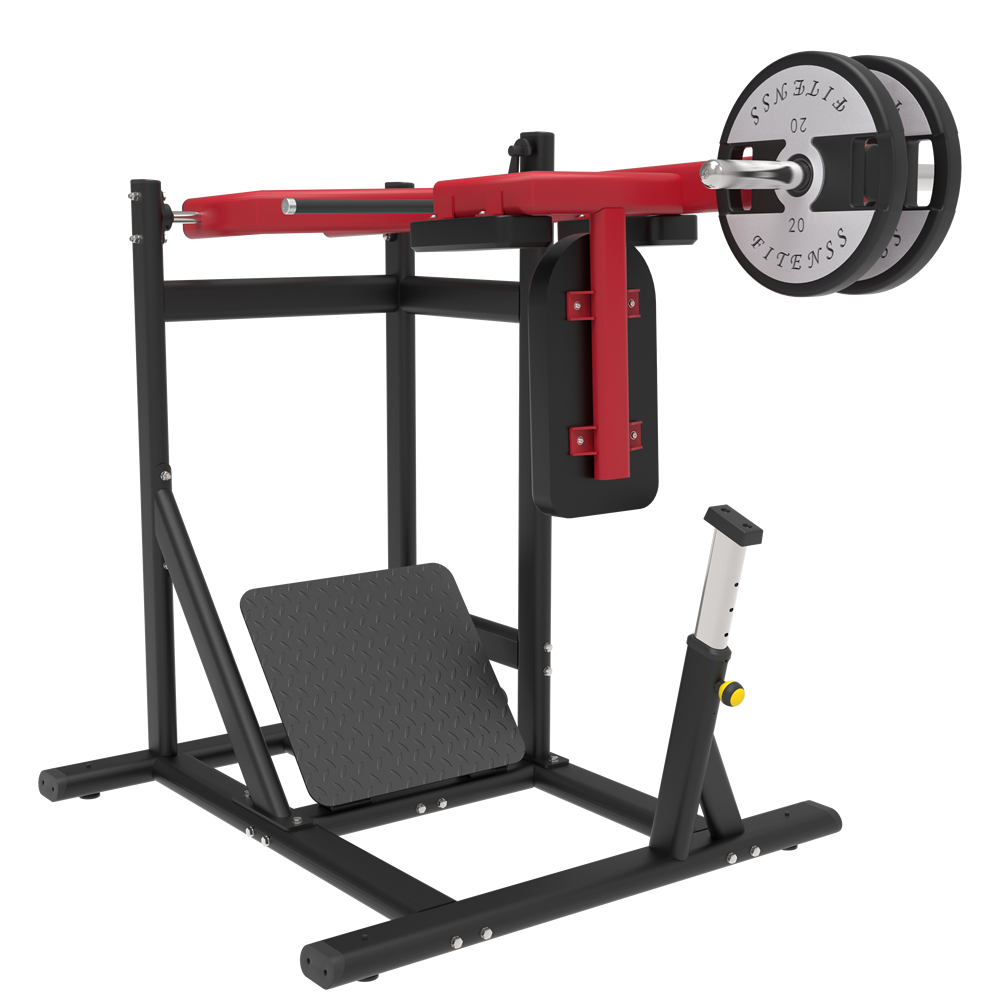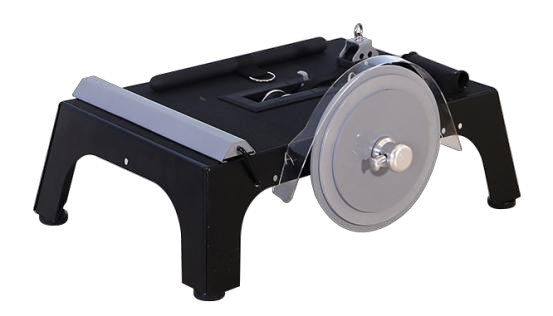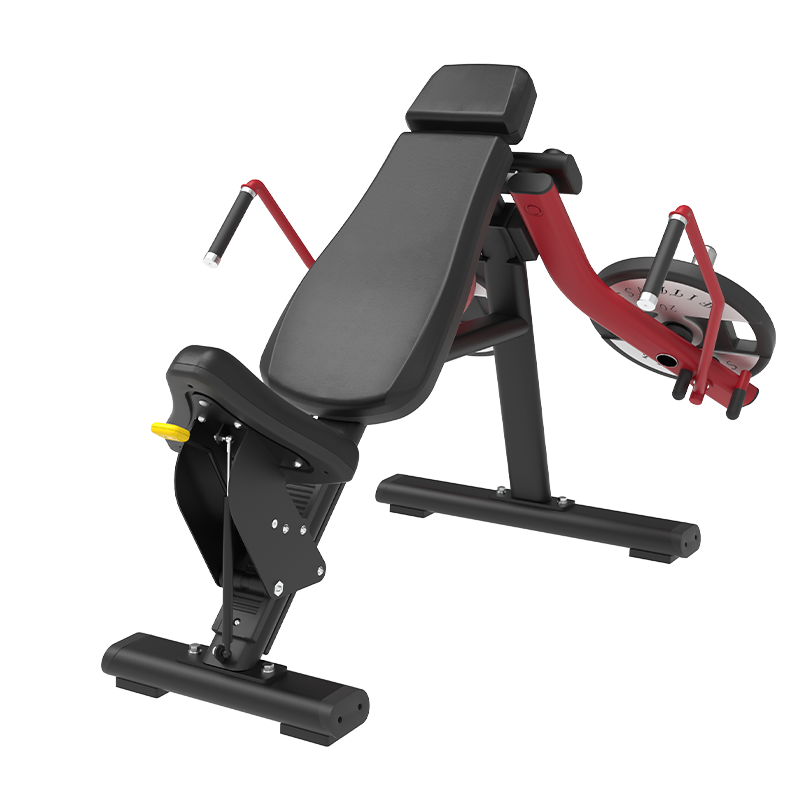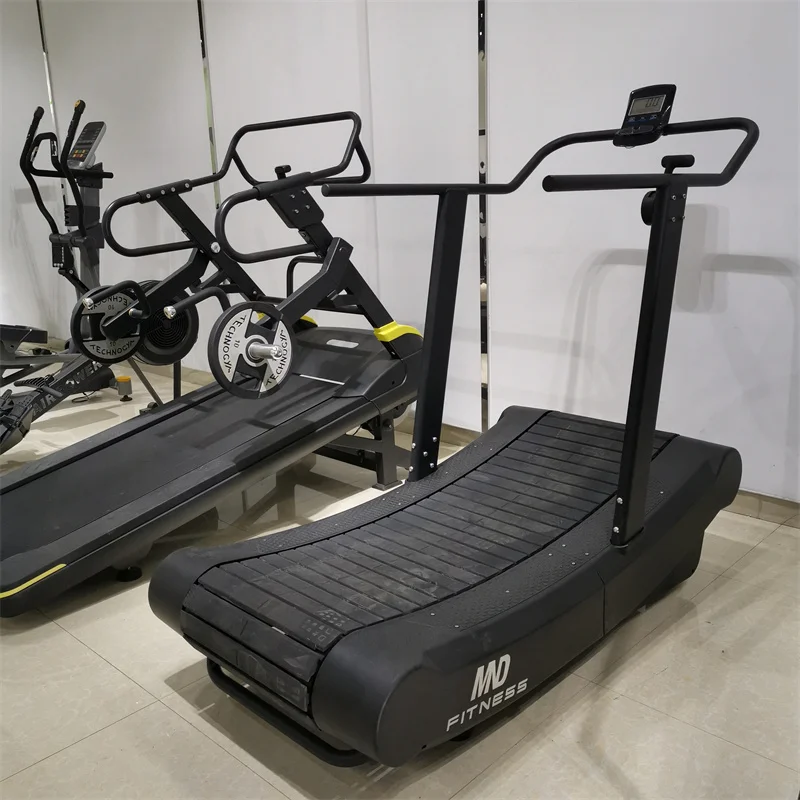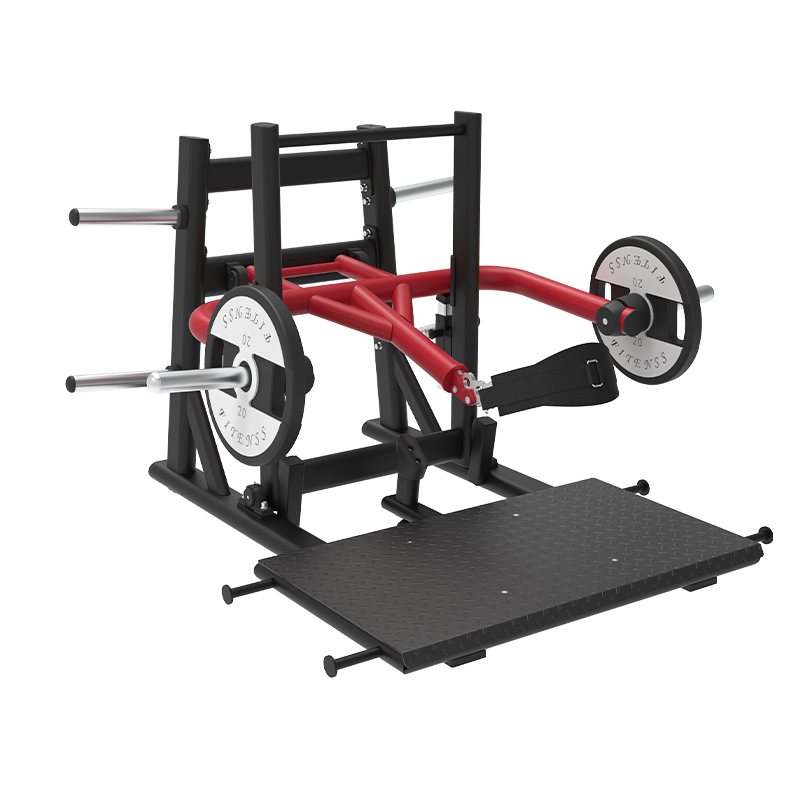



Commercial gym operators and athletic training facilities have spent years relying on conventional selectorized weight stacks and plate-loaded levers. While those stations still anchor the typical gym floor, strength coaches and rehab practitioners have increasingly demanded tools that generate variable eccentric overload without requiring a spotter to strip plates. The MND-CC18 centrifugal impedance trainer addresses this niche by substituting static iron plates with rotational inertia, offering an adaptable training stimulus in a relatively compact footprint.
For procurement officers and gym owners, evaluating an isoinertial or centrifugal system is very different from assessing a standard multi-station rack. You are not simply buying structural steel and a pulley ratio; you are purchasing a dynamic flywheel mechanism where bearing alignment, rotational friction, strap retraction, and frame stability dictate whether the machine lasts five months or five years on a busy gym floor. This teardown examines how the MND-CC18 functions, where a 27kg impedance trainer fits into a commercial layout, and what sourcing managers should verify before issuing a purchase order.
Understanding Centrifugal Impedance vs. Gravity-Based Resistance
Traditional strength equipment relies entirely on gravity acting on a fixed mass. You lift twenty kilograms up, and gravity pulls twenty kilograms down. The primary limitation is that your concentric phase (the drive) is limited by the weakest point in your biomechanical range of motion, leaving the eccentric phase under-loaded.
A centrifugal impedance trainer operates on kinetic energy conservation. When an athlete pulls the drive strap, they accelerate an internal inertia disk. Once the concentric stroke finishes, the strap recoils around the shaft, pulling the user back with the exact amount of kinetic energy transferred into the wheel. If the athlete attempts to halt that recoil abruptly over a short range of motion, the eccentric resistance spikes dramatically.
This kinetic feedback loop makes this style of impedance workout equipment exceptionally versatile: it self-regulates to the athlete's output. A collegiate sprinter can perform maximal-effort Romanian deadlifts or lateral lunges with high power output, while a post-op physical therapy patient can execute gentle decelerations on the exact same unit without touching a pin.
Technical Profile: The MND-CC18 in Context
Within the portfolio of MND fitness equipment, the CC18 is configured primarily as a versatile, low-profile flywheel impedance exercise device designed for high-density training zones. Unlike massive multi-gym rigs that require permanent concrete bolting and dedicated floor spans, the CC18 prioritizes floor efficiency while delivering enough inertial capacity for serious athletic conditioning.
| Engineering Dimension | Design Implementation (MND-CC18 Class) | Operational Consequence |
|---|---|---|
| Resistance Mechanism | Centrifugal inertia flywheel | Eliminates sticking points; delivers eccentric overload proportional to concentric drive. |
| Mass / Form Factor | Impedance training machine 27kg class base | Mobile enough for functional turf areas; requires anti-slip base footing or anchoring for lateral pulls. |
| Transmission | High-tensile synthetic webbing & drive spindle | Smooth recoil without the cable snapback common to braided steel wire on small pulleys. |
| Aesthetics / Finishes | Electrostatic powder coating (custom color fitness equipment options) | Allows brand alignment with varsity colors or boutique gym schemes; resists sweat corrosion. |
Mechanical Evaluation: What Sourcing Teams Must Inspect
Centrifugal units endure distinct physical stresses compared to selectorized towers. Instead of vertical shear on guide rods, the CC18 experiences rotational torques, rapid angular decelerations, and high friction on the strap feed mechanism.
1. Spindle Concentricity and Bearing Tolerances
At high pull speeds, an unbalanced flywheel can generate significant vibration. That vibration quickly destroys sealed bearings and creates unpleasant feedback in the athlete's hands or harness. Shandong Minolta manufactures equipment out of Ningjin's established industrial hardware zone, utilizing dedicated testing benches in their quality control lab. When reviewing samples, verify that spindle runout is minimal and that high-speed sealed bearings are used to avoid grease degradation under repeated sprint intervals.
2. Strap Wear and Exit Fairleads
The synthetic belt used in a commercial gym impedance trainer takes the brunt of cyclical friction. A poorly deburred entry slot will fray a strap within weeks of heavy use. Look closely at the roller bearings or ceramic/nylon guides surrounding the strap exit port. Smooth radiuses and low-friction guiding surfaces are non-negotiable for low-maintenance commercial operations.
3. Chassis Stability During Off-Axis Pulls
When performing vertical squats or shrugs, the user stands directly on the machine's base plate, using their own body weight to anchor the unit. However, athletic drills often involve horizontal pulls—such as low rows, lunges, and lateral shuffles. Sourcing managers should inspect whether the unit features tie-down slots, wall-mount brackets, or suction/rubberized feet capable of resisting translational drift during asymmetric pulls.
Strategic Placement in Facility Design
Integrating an impedance station requires a different floor management approach than lining up pin-loaded machines against a wall. Because the movement path on the CC18 is defined by the user rather than a fixed mechanical track, the clearance radius must accommodate multi-planar movement.
We typically see high-performance facilities station these units along the perimeter of artificial turf lanes. This placement allows athletes to move directly from an overspeed sprint drill into an eccentric deceleration set on the platform. Furthermore, because Minolta supports custom color fitness equipment finishes across its strength lines, facilities ordering alongside larger suites—like MND's plate-loaded or functional rigs—can match frame coatings and upholstery accents across the entire training floor, maintaining visual cohesion.
Maintenance Protocol for Facility Managers
Flywheel units are mechanically simpler than cable crossovers—there are no weight stack bushings to lube or selector pins to lose. However, neglecting the few moving parts they do possess leads to sudden downtime. A reliable maintenance routine should include:
- Weekly strap inspection: Check the entire usable length of the webbing for edge fraying or heat glazing caused by dragging against the guide frame.
- Bi-weekly spindle security check: Confirm that the central retaining bolts holding the inertia disks remain torqued to specification, particularly if the unit allows adding or removing inertia disks.
- Monthly base plate cleaning: Sweat and magnesium chalk accumulate in the crevices of textured footplates, creating a corrosive paste that can degrade powder coating if not wiped down with a mild neutral cleaner.
Frequently Asked Questions (FAQ)
Can the MND-CC18 replace a standard squat rack?
No, and it is not intended to. While it provides intense eccentric squat stimulus through a belt squat harness, it serves as a complementary athletic performance station rather than a replacement for Olympic barbell training. It is best used for power production, deceleration training, and rehabilitation without compressive spinal loads.
Is the 27kg base weight sufficient to stay stable during use?
For vertical exercises where the athlete stands on the footboard (squats, calf raises, high pulls), the user's weight holds the chassis securely to the rubber floor. For horizontal or diagonal pulls, you will need to utilize anchoring points or position the frame against a stable upright or wall bumper to prevent skidding.
How does MND FITNESS handle international shipping for mixed container loads?
Operating from a 120,000 square meter production base, Minolta regularly consolidates functional units like the CC18 alongside their larger commercial lines (such as the MND-F or MND-G strength series and cardio equipment) for containerized shipment across Europe, South America, and the Middle East, minimizing dead freight costs for importers.
Procurement Next Steps
If you are planning an upgrade to a functional fitness zone or outfitting a strength and conditioning facility, balancing selectorized equipment with dynamic isoinertial stations provides measurable training advantages. For specific technical drawings, inertia disk options, or container consolidation estimates for the MND-CC18, connect directly with the commercial sales engineering team at Shandong Minolta Fitness Equipment Co., Ltd. Request their complete OEM catalog and color-matching guidelines to ensure seamless integration with your current equipment roster.
" photos="