


What buyers usually mean when they search for MND fitness equipment
When sourcing mnd fitness equipment, most buyers are not simply looking for a catalog. They are trying to answer a more practical question: which commercial gym equipment will hold up under daily use, fit the training style of the facility, and give a sensible return over time. That is a different decision from buying a few machines for a private studio or outfitting a hotel gym that sees light traffic.
Shandong Minolta Fitness Equipment Co., Ltd. positions MND FITNESS as a manufacturer with more than a decade in the sector, a 120,000-square-meter facility, and a range that covers both strength and cardio. For sourcing managers and gym operators, that matters because it points to scale, process control, and the ability to select from several product families rather than relying on a single fixed line. The real task is not just choosing equipment; it is matching the right product family to the way the facility actually operates.
Why this category matters for commercial buyers
In commercial fitness, equipment is judged by a harsher standard than consumer products. A machine that looks good in a showroom may still be a poor fit if it wears quickly, feels awkward under repeated use, or creates maintenance headaches. That is why premium exercise machines are usually evaluated on frame construction, movement quality, upholstery durability, cable routing, ease of cleaning, and parts access. None of those details are glamorous, but all of them affect uptime.
MND FITNESS says its range includes more than 300 types of exercise equipment, spanning cardio and strength options for commercial and home use. For a buyer, breadth can be useful, but only if the vendor can keep model selection disciplined. A large range should simplify procurement, not complicate it. If a brand offers multiple strength series and treadmill lines, the decision should come down to what each series is designed to do and how the pieces fit together on the gym floor.
Quick reference: how to think about the MND lineup
A practical way to approach the catalog is by training category rather than by product count.
Strength-focused lines
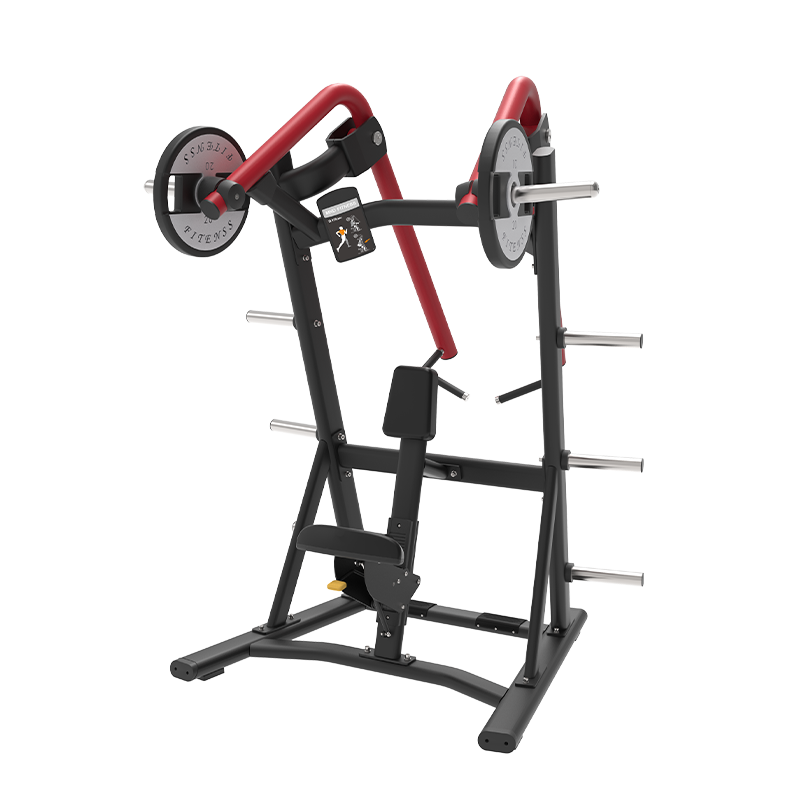
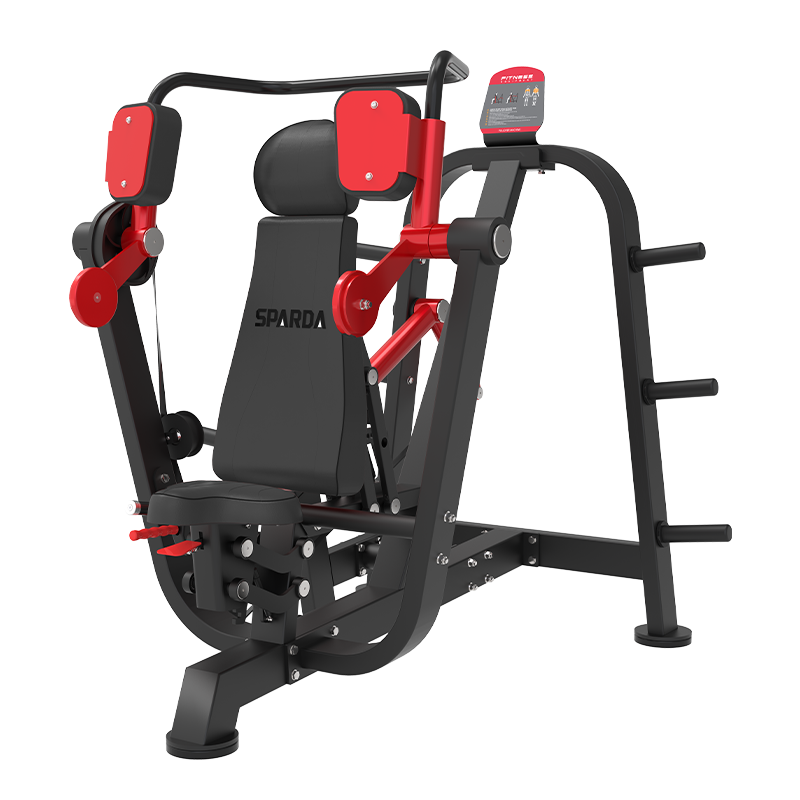
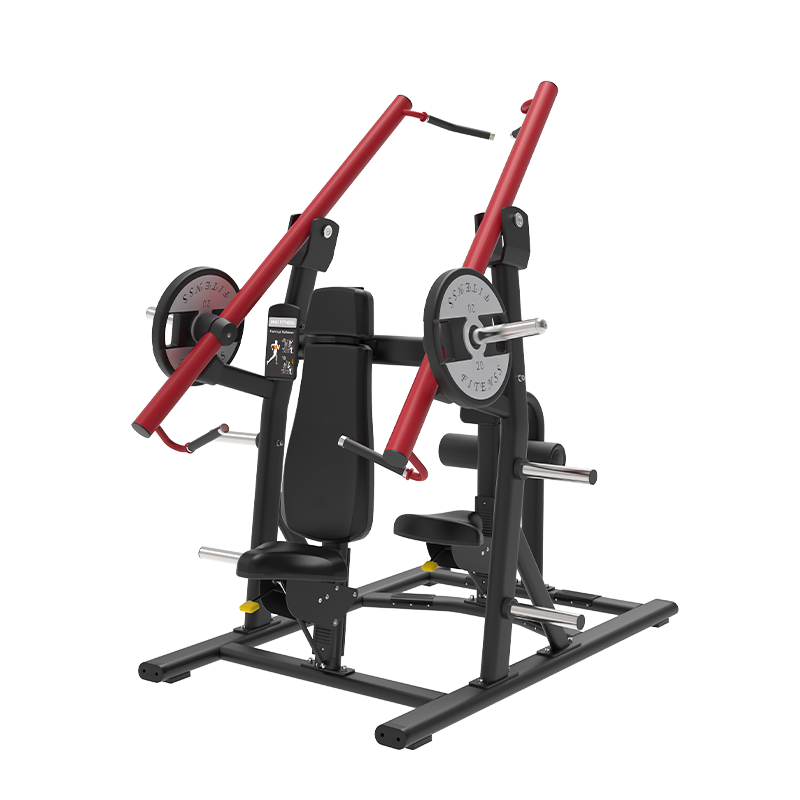
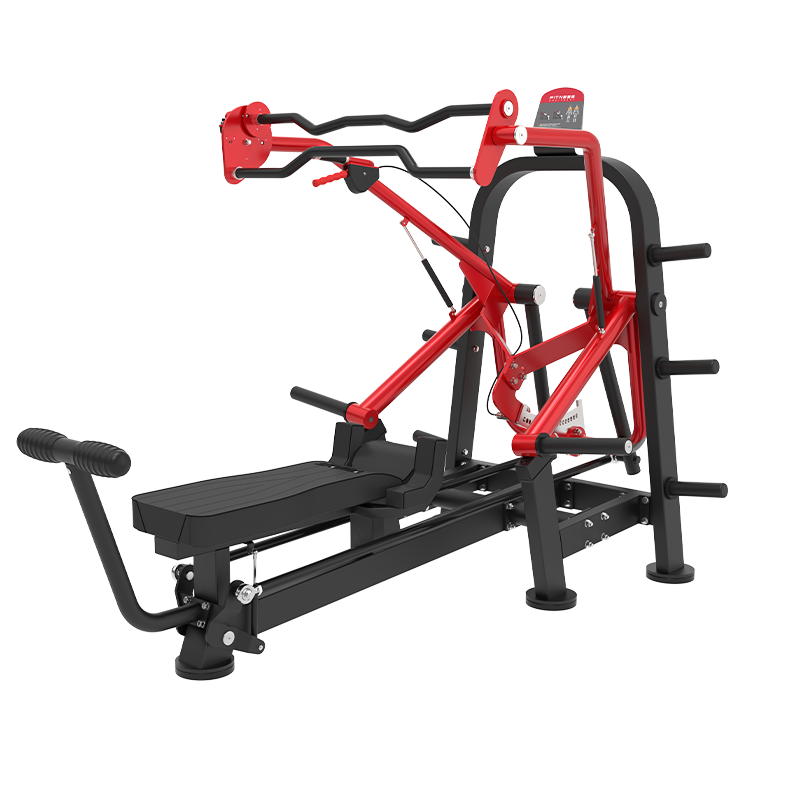
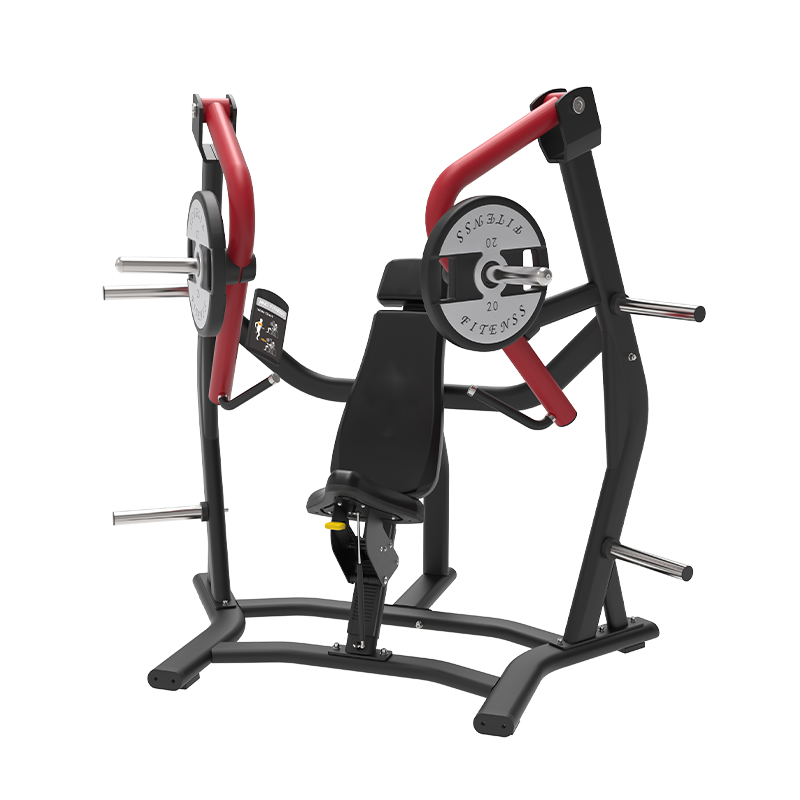
The company lists several strength series, including MND-AN, MND-FM, MND-FH, MND-FS, MND-FB, MND-E Crossfit, MND-F, MND-FF, MND-G, and MND-H. Even without diving into each SKU, the naming alone suggests a broad strength-training portfolio that can support different facility styles: traditional gyms, functional training areas, and heavier-duty strength zones.
For buyers, this is where commercial gym equipment decisions usually get serious. Strength machines need smooth biomechanical feel, stable load paths, and hardware that remains consistent after long use cycles. They also need to be serviceable. If replacing a pin, cable, or upholstered pad is unnecessarily difficult, the operator pays for it later.
Cardio-focused lines
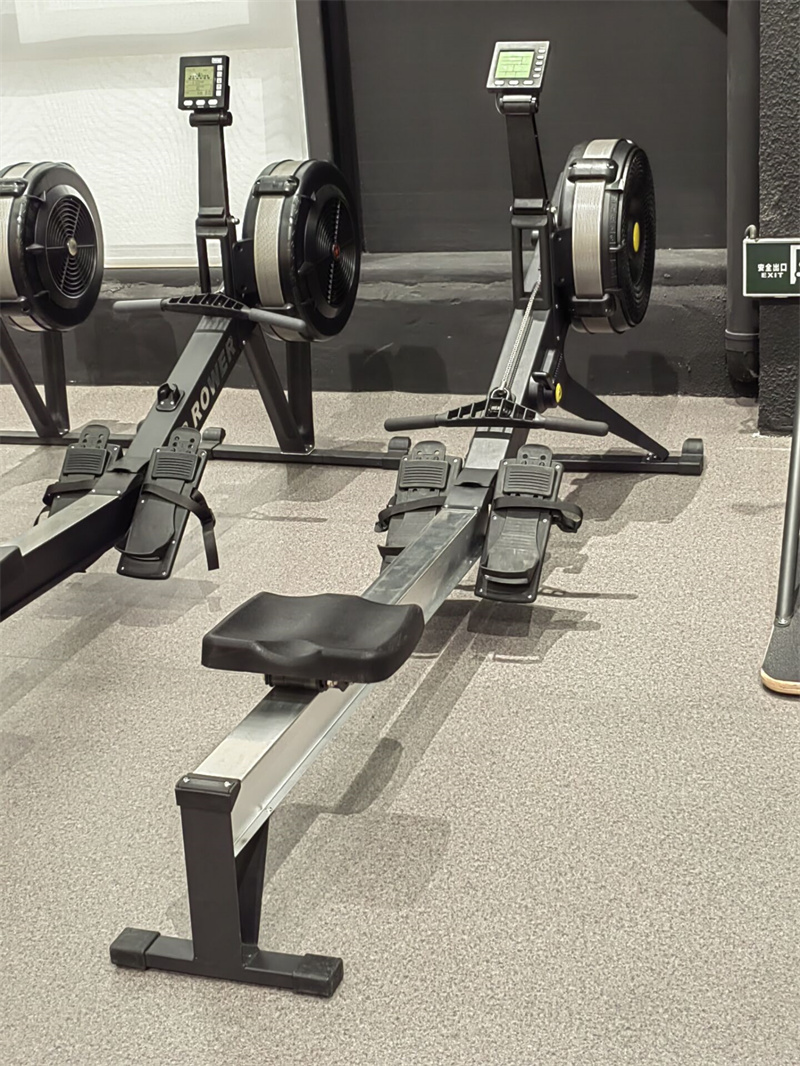
MND-D exercise bikes and the MND-X500, X600, and X700 treadmills make up the cardio side of the range described in the company information. Cardio equipment is often purchased in volume, which means consistency matters as much as individual performance. A treadmill line, for example, should feel uniform across units so maintenance staff and end users are not learning a different interface every time they switch stations.
That is especially important in multi-site fitness businesses. Standardization reduces training time, replacement complexity, and the “one-off machine problem” that can slow a rollout.
What to look for beyond the product photo
The first mistake buyers make with strength training equipment is judging the machine by visual design alone. A clean frame and modern upholstery do help sales on the showroom floor, but they do not tell you how the selectorized stack feels, how the joint moves under load, or how the machine behaves after a year in a humid, high-traffic room.
A more useful review process looks at five things:
- How the movement path supports the intended exercise
- Whether the frame and joints appear designed for repetitive commercial use
- Whether the machine is easy for different body sizes to adjust
- How visible wear parts are, especially in high-touch areas
- Whether the series looks coherent enough to build a consistent floor plan
Those questions matter whether you are buying a single high-end fitness machine or outfitting an entire club. On a small scale, you want the machine to be intuitive and low-fuss. On a larger scale, you want the lineup to look and function like a system.
How commercial buyers usually compare suppliers
In the fitness market, suppliers are often compared on more than the equipment itself. Buyers also consider factory scale, production breadth, export experience, and whether the supplier can support different market needs. According to the company information, MND FITNESS has exported to more than 100 countries across Europe, Africa, the Middle East, South America, and Southeast Asia. That suggests a supplier used to working across different commercial environments and market expectations.
That kind of export history does not replace a technical review, but it does matter. A vendor that has shipped to many regions has likely had to deal with varied shipping standards, market preferences, and commercial gym equipment mixes. For sourcing teams, that can reduce friction when order requirements are broad or when a project spans several countries.
Selection criteria that save money later
A lot of procurement mistakes happen because buyers over-weight the initial unit price and under-weight the operating reality. That is especially true with premium exercise machines. A low-cost machine that needs more maintenance, creates complaints, or fails to match the gym’s training style becomes expensive quickly.
The better approach is to compare the equipment against the actual use case:
For strength zones
Look at whether the machine supports beginner users without feeling unstable, but still offers enough resistance and ergonomics for serious lifters. In a commercial setting, strength machines should feel durable and predictable. Small inconsistencies in cable feel or seat adjustment become obvious when dozens of members use the machine every day.
For cardio floors
Assess usability, not just features. Treadmills and bikes should be straightforward enough for first-time users, but also robust enough to support repeated sessions. If a machine is complicated to maintain, the operator often ends up limiting access to it, which is a poor outcome for any fitness business.
For mixed facilities
Consider how the line will look and function as a group. A facility rarely buys one piece at a time forever. It grows in stages. A brand with multiple series can be helpful if the styling, dimensions, and training logic remain compatible across the floor.
Common mistakes when sourcing gym equipment
One common error is assuming all commercial equipment is interchangeable. It is not. Two machines can both be labeled as commercial gym equipment and still deliver very different user experiences.
Another mistake is neglecting maintenance access. If service staff cannot easily reach wear parts, downtime grows. That is a hidden cost that tends to show up after the purchase order is already signed.
Buyers also sometimes over-specify. For example, a chain fitness club may not need every area to be loaded with the heaviest or most complex machine available. In some layouts, a sensible mix of reliable core units and a smaller number of specialty stations is a better commercial decision.
Why factory capacity and product range still matter
The number of SKUs is not the only measure of capability, but it does signal something when paired with manufacturing scale. A 120,000-square-meter site with a manufacturing workshop, quality control lab, and exhibition hall implies a supplier built to handle production, inspection, and customer review in one place. That can make the buying process easier, especially when purchasers want to inspect multiple categories before deciding.
For teams comparing mnd fitness equipment with other vendors, the question is whether the company can support current volume and future expansion. The right partner should be able to serve a hotel fitness room today and a multi-zone commercial club tomorrow without forcing a complete platform change.
Buyer advice for the first order
If this is your first purchase from MND FITNESS or a similar supplier, start with a balanced pilot order rather than trying to solve the entire facility in one transaction. Choose a few core pieces from the strength series and a few cardio models, then judge how they look in the space, how staff handle them, and how members react.
That may sound cautious, but it is usually the cleaner path. A gym floor is a working environment, not a showroom. A machine can meet the spec sheet and still be awkward in practice.
Ask for the product family structure, compare the lines side by side, and make sure the selection supports your floor plan rather than overwhelming it. If the supplier can help you cross-reference training goals with machine categories, that is a good sign. If they only push volume, be careful.
FAQ: practical questions buyers ask
Is MND FITNESS only for commercial gyms?
No. The company information says the range is tailored for commercial and home use. For sourcing teams, the commercial side is usually the main focus, but the broader range can be useful for mixed projects.
What types of products are included?
The listed portfolio includes strength series and cardio equipment, such as exercise bikes and treadmills. The company also says it offers over 300 types of exercise equipment.
Why do buyers care about export reach?
Because export experience can indicate that a manufacturer is used to varied market requirements and larger logistics demands. It is not a substitute for technical review, but it is a useful buying signal.
What to do next
If you are evaluating mnd fitness equipment for a club, distributor network, hotel, or training facility, start by narrowing the selection to the workout zones you need most. Build the order around dependable commercial gym equipment first, then add specialty pieces only if they genuinely support the business model.
The best purchase is not the biggest catalog. It is the lineup that fits the floor, the users, and the maintenance plan without causing unnecessary friction six months later.