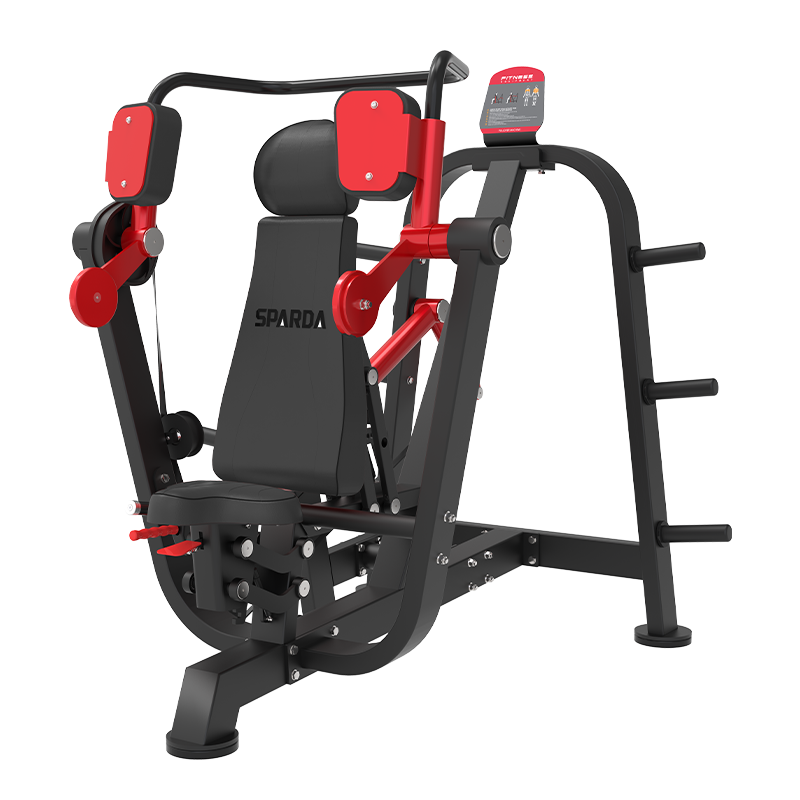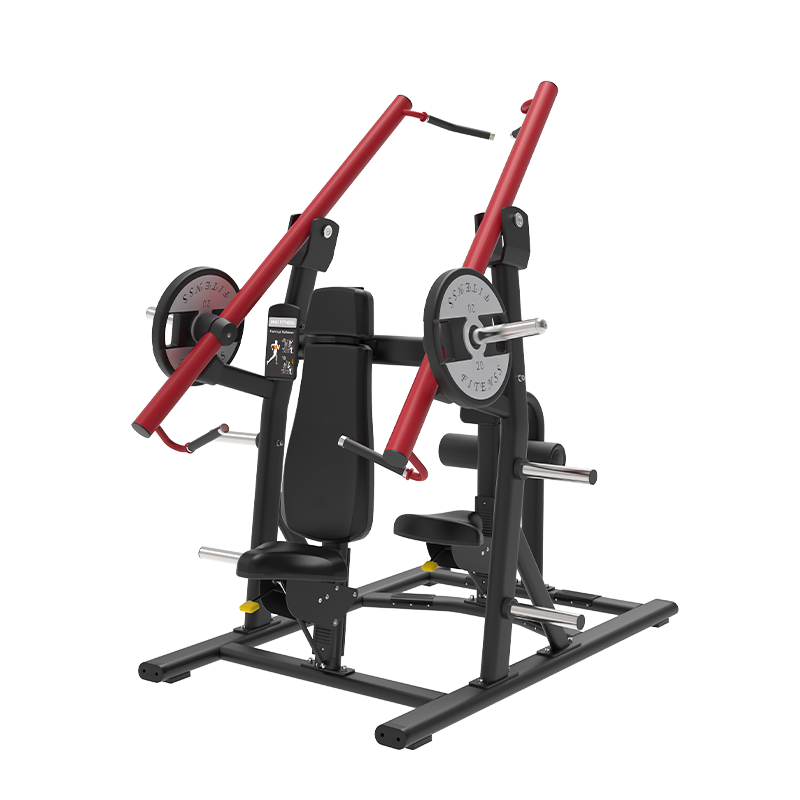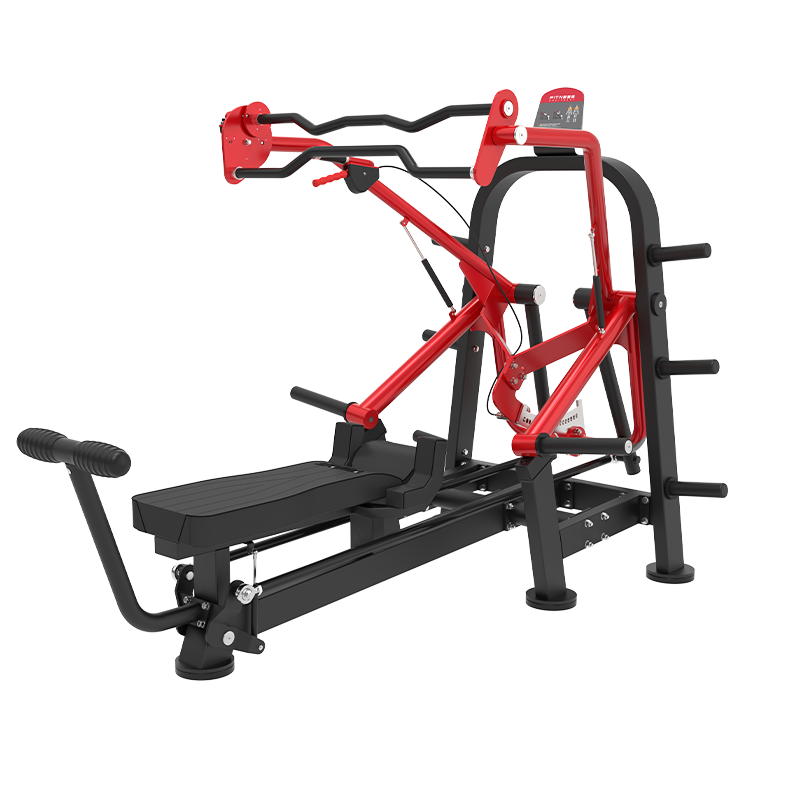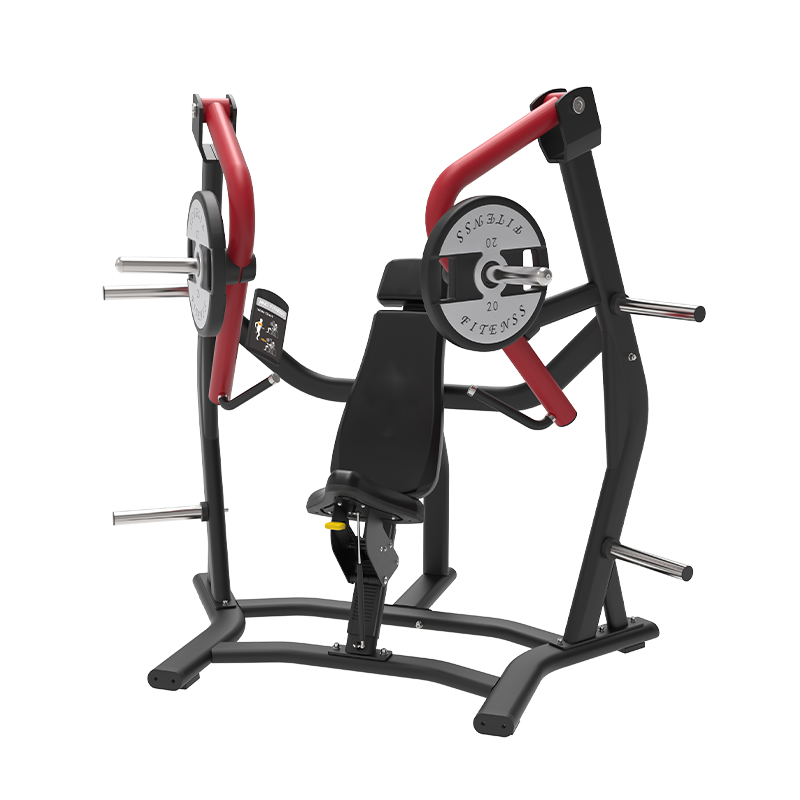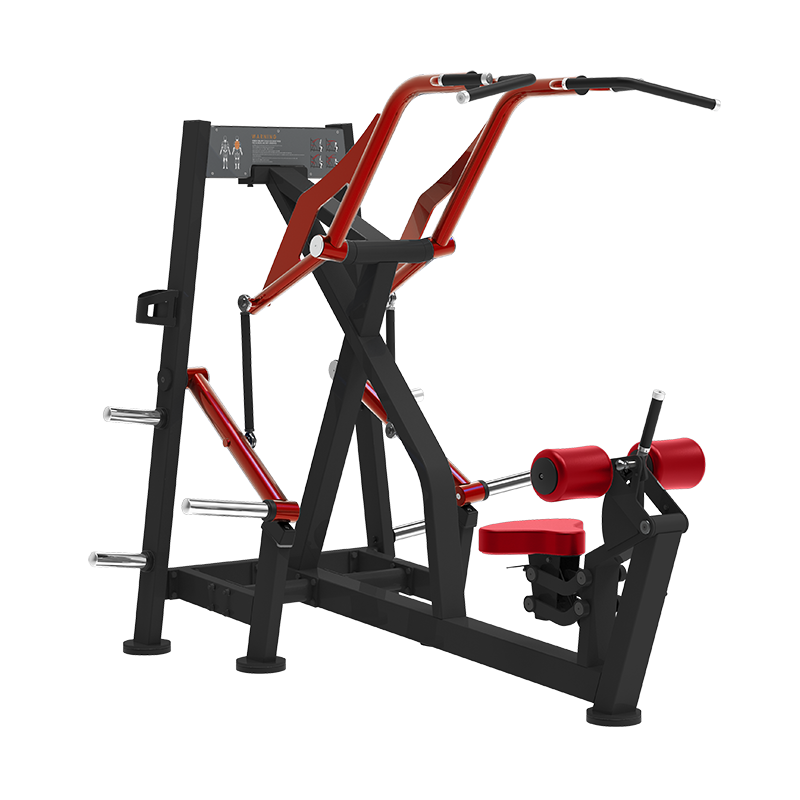



Why buyers still ask about the MND Fitness Pullover Machine
The MND Fitness Pullover Machine sits in a useful corner of the strength floor: it is not the flashiest station, but it solves a real programming problem for gyms, hotels, rehabilitation-oriented facilities, and training centers that want a focused upper-body movement without loading the lower back or turning the exercise into a balancing act. For sourcing teams, that matters. A Pullover Machine can fill the gap between free weights and multi-gym circuits, especially when members want a guided path for back, chest, and ribcage-focused upper body work.
The reason this category continues to attract attention is simple. Many facilities need equipment that looks straightforward, feels intuitive to new users, and still earns its keep with experienced lifters. A Commercial Pullover Machine can do that if the design is sensible. It should support a natural range of motion, offer stable padding and handles, and be robust enough for repeated commercial use. If you are comparing a Fitness Pullover Machine against other upper body stations, the real question is not whether it “works” in theory. It is whether it fits your floor, your member base, and the wear pattern of a busy gym.
What a pullover station is actually doing
The pullover movement has an old-school reputation, but the machine version is more approachable than the classic dumbbell pullover. On a Back Pullover Machine or Lat Pullover Machine, the user typically works through a controlled arc that emphasizes the lats and surrounding upper-body musculature, while also involving the chest and shoulder girdle to a degree depending on setup and body position. The machine does the stabilizing; the user concentrates on movement quality.
That is the appeal. In a commercial setting, guided motion reduces the learning curve. It also makes the station easier to supervise on a crowded floor. Members who are uncomfortable with benches, free-weight coordination, or shoulder-heavy compound lifts often understand a Pullover Machine within a few reps. The exercise is not magical, and it should not be sold that way. But for certain users, it is a practical way to train pulling mechanics, expand upper-body variety, and reduce congestion around cable stacks.
Key takeaways for buyers
If you are evaluating a Chest Pullover Machine or a broader Upper Body Workout Machine lineup, the decision usually comes down to four questions.
First, does the machine feel stable enough for commercial traffic? A well-built frame, clean welds, and sensible padding matter more than fancy styling.
Second, is the movement path intuitive for first-time users? A machine that needs too much instruction will sit idle.
Third, does it complement your current strength area? Buying a Lat Pullover Machine makes more sense if you already have presses, rows, and basic pulldown stations covered.
Fourth, can the supplier support volume manufacturing and consistent product quality? That is where factory scale and process discipline start to matter.
What Shandong Minolta Fitness Equipment brings to the table
Shandong Minolta Fitness Equipment Co., Ltd. is not a small workshop trying to assemble a one-off unit. The company operates from Ningjin, a region known for hardware manufacturing strength, and states that its facility covers 120,000 square meters. It also describes a manufacturing workshop, quality control lab, and exhibition hall on site. For B2B buyers, those are useful indicators because they suggest a supplier organized around production flow, inspection, and product presentation rather than opportunistic trading.
MND FITNESS says it offers more than 300 types of exercise equipment for commercial and home use, with Strength Series lines such as MND-AN, MND-FM, MND-FH, MND-FS, MND-FB, MND-E Crossfit, MND-F, MND-FF, MND-G, and MND-H, plus Cardio Series products including MND-D exercise bikes and MND-X500, X600, and X700 treadmills. That breadth can matter if you are sourcing a coordinated facility package rather than a single machine. A buyer planning a multi-piece floor often prefers one supplier that can match frame styling, finish consistency, and service communication across categories.
The company also states that it has exported gym equipment to more than 100 countries across Europe, Africa, the Middle East, South America, and Southeast Asia. Export history does not replace a close technical review, of course, but it does suggest that the manufacturer has dealt with different market expectations and logistics realities. That is usually a positive sign when you are narrowing a shortlist for a Commercial Pullover Machine.
How to judge the machine itself
A pullover station should be examined like any other serious strength unit: by how it behaves under repeated use, not by how it looks on a brochure.
Frame and structure
The frame should feel planted. In commercial use, small flex or wobble becomes annoying fast. Ask how the main tubing is built, how the joints are handled, and whether the base gives the machine enough footprint for aggressive users. A heavier-looking frame is not automatically better, but flimsy is never acceptable on a Fitness Pullover Machine intended for a club environment.
Biomechanics and adjustment
Users vary. A good Pullover Machine should not force one body size into one posture. Seat position, start position, pad geometry, and handle placement all shape the user experience. Even a solid machine can become awkward if the motion arc is too fixed or the setup is too tall for shorter users. That is the sort of issue that shows up only after a facility has bought the unit, which is why trialing samples matters.
Pad comfort and contact points
A chest-contact station or back-supported design lives and dies by its touch points. Padding should be firm enough to support, but not so hard that it creates pressure complaints after a few sets. Handle texture, entry points, and knee or torso support all deserve attention. Minor details here become major complaints later.
Maintenance and wear
Commercial equipment lives in the real world. Sweat, dust, and heavy traffic expose weak hardware quickly. For buyers comparing an Upper Body Workout Machine family, look for easy-access service points, standard wear parts where possible, and a finish that resists ugly deterioration. Nobody wants a machine that looks tired after a season.
Where this machine fits best
A Commercial Pullover Machine is most useful in facilities that want more than the standard press-and-pull sequence. It can serve:
Fitness clubs that want to expand upper-body training options without filling the floor with complicated stations
Hotel gyms where members need simple, guided exercises
Corporate wellness spaces with mixed experience levels
Training centers that value variety for back-focused programming
Rehab-adjacent environments where controlled motion is preferable, provided the prescribing professional approves the exercise choice
That last point deserves a caveat. Equipment selection is not the same as exercise prescription. A machine may be mechanically suitable, but user suitability still depends on the individual and the programming context.
Common buyer mistakes
One mistake is assuming all pullover stations are interchangeable. They are not. Some emphasize a more chest-biased feel, while others better support lat engagement. The distinction matters more than buyers sometimes admit, especially when the floor already has plenty of general press work but lacks true pulling variety.
Another mistake is ignoring floor placement. A Pullover Machine often needs enough clearance for entry, exit, and user movement around the seat or support pads. It is easy to approve the unit on paper and then discover it blocks a sightline or crowds adjacent equipment.
A third mistake is focusing only on the initial purchase and not the total operating life. For a high-traffic facility, durable construction and dependable supply support are worth more than a marginally cheaper price from a supplier with weak production control. That is not a dramatic statement; it is just how commercial gyms stay functional.
Practical questions to ask a supplier
Before ordering, buyers should ask a few direct questions.
What is the intended user profile for the machine? If the supplier cannot explain the motion and positioning clearly, that is a warning sign.
How does the product fit into the rest of the strength series? Suppliers with broader ranges often maintain a more consistent design language.
What does after-sales support look like for export customers? This is especially relevant if the equipment is moving into a new region or a multi-site rollout.
Are there photos, drawings, or sample details that show how the machine is configured? Good industrial buyers want evidence, not vague assurances.
Why a broad supplier can be an advantage
One reason some buyers look at MND FITNESS is that a company with a broad catalog can reduce sourcing friction. If you are purchasing a Pullover Machine alongside other stations, it is easier to coordinate finishes, color systems, and shipment planning when the supplier already builds multiple product families. The same is true for facilities that want to build out in stages. A consistent supplier can simplify follow-on orders, even when the initial purchase is only one machine.
That said, breadth should not excuse weak product evaluation. A manufacturer can offer 300-plus items and still require case-by-case review on each unit. Buyers should still inspect geometry, materials, and packaging details before committing.
FAQ: what buyers usually want to know
Is a pullover machine only for back training?
Not necessarily. While many users treat it as a lat-focused station, the machine can also involve the chest and shoulders depending on the design and the user’s technique.
Is it suitable for commercial gyms?
Yes, if the build quality, stability, and comfort points are appropriate for repeated use. That is the central test for any Commercial Pullover Machine.
Does it replace rows or pulldowns?
No. It is better viewed as a complement to rows, pulldowns, presses, and other upper body work rather than a substitute.
Should buyers choose a machine based on brand name alone?
No. Brand reputation helps, but the actual design, production consistency, and support response matter more.
Next step for sourcing teams
If the MND Fitness Pullover Machine is on your shortlist, treat it like a floor decision, not a catalog impulse. Ask for configuration details, compare the motion feel against your current upper-body lineup, and verify how the unit fits into your commercial space. For buyers building out a complete facility, Shandong Minolta Fitness Equipment Co., Ltd. may be worth reviewing alongside its broader strength and cardio catalog, especially if you want a supplier capable of supporting a coordinated rollout rather than a single isolated order.
The smartest move is usually a simple one: request product specifics, confirm the intended use case, and examine whether the machine serves your members better than another press or pull station would. In commercial fitness, that question saves more money than any marketing claim ever will.