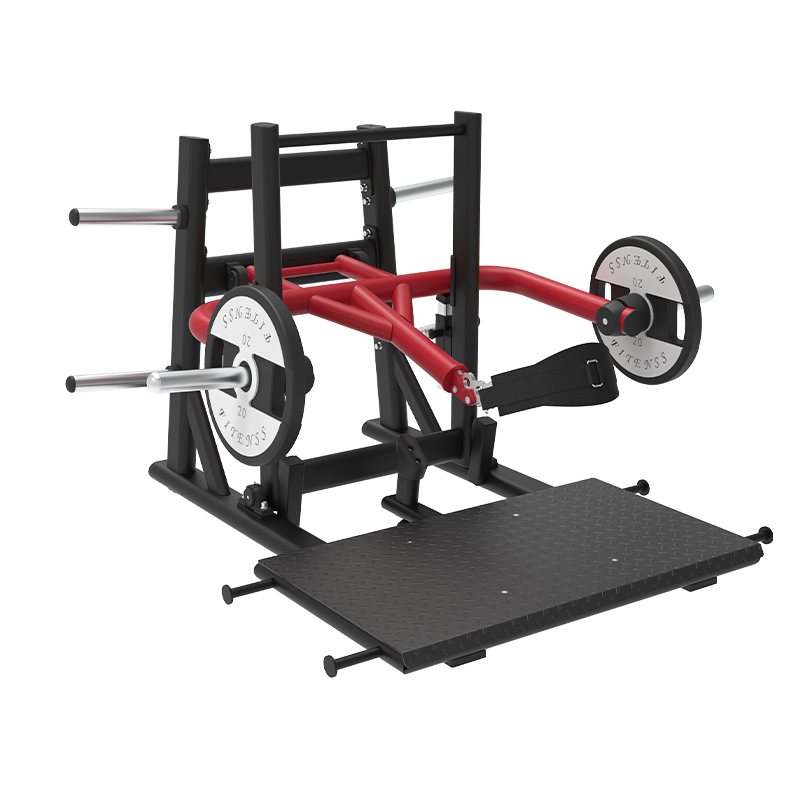



Optimizing Facility Layouts with the PL38 Commercial Grade Squat Trainer
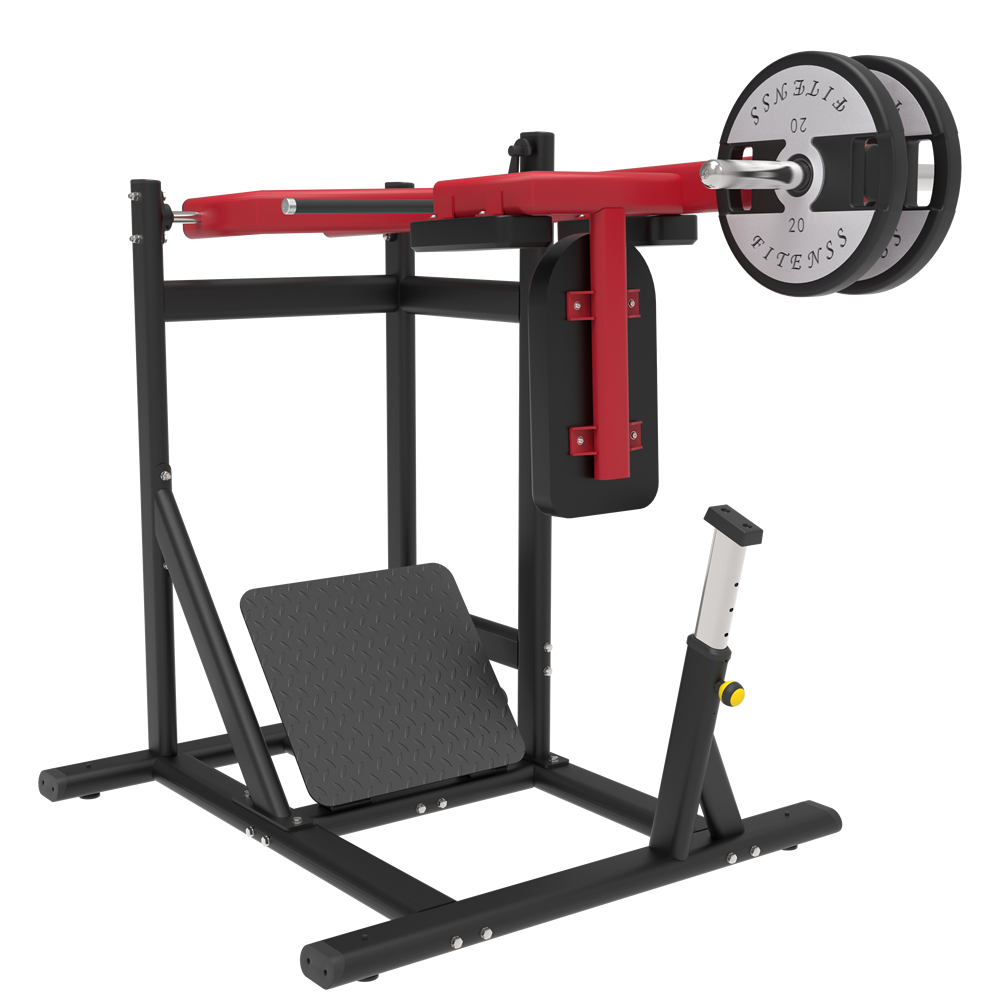
When sourcing strength training equipment for a high-traffic commercial gym, the selection process often boils down to a balance between biomechanical efficiency and space utility. The PL38 Commercial Grade Squat Trainer has emerged as a staple for facilities looking to provide targeted leg development while managing floor space constraints. Unlike free-weight racks that require massive safety clearance zones, this specialized equipment allows members to perform deep, compound movements with a degree of stability that appeals to both beginners and advanced lifters.
Understanding the Role of the Leg Hip Thigh Exercise Machine
Engineers and gym owners know that the term Leg Hip Thigh Exercise Machine is broad, but when we look at plate-loaded squat systems, the goal is consistent: to replicate the movement pattern of a barbell squat while mitigating the risk of instability. The PL38 is designed to isolate the lower kinetic chain, specifically engaging the quadriceps, glutes, and hamstrings without the excessive fatigue associated with balancing a free-weight load. This makes it an ideal inclusion for facilities aiming to increase membership retention by providing equipment that feels safe, intuitive, and effective.
Key Design Considerations for Commercial Environments
Shandong Minolta Fitness Equipment Co., Ltd. has leveraged over a decade of manufacturing expertise to ensure their equipment stands up to the rigors of heavy use. In a commercial setting, equipment is subject to thousands of cycles each week. A squat trainer must feature robust welding, reinforced pivot points, and a frame geometry that does not shift under load. The PL38 incorporates these heavy-duty engineering principles, drawing on the company's 120,000 square meter production facility capabilities to ensure that structural integrity is not compromised.
When evaluating a piece of equipment for a professional gym, look closely at the weight plate storage and the pivot mechanism. A well-designed trainer should have a low entry threshold, allowing users of different heights to enter and exit the machine safely without needing to climb over obstacles. The ergonomics of the back pad and footplate angle should facilitate a full range of motion while maintaining constant tension on the target muscle groups.
Strategic Procurement from Manufacturing Hubs
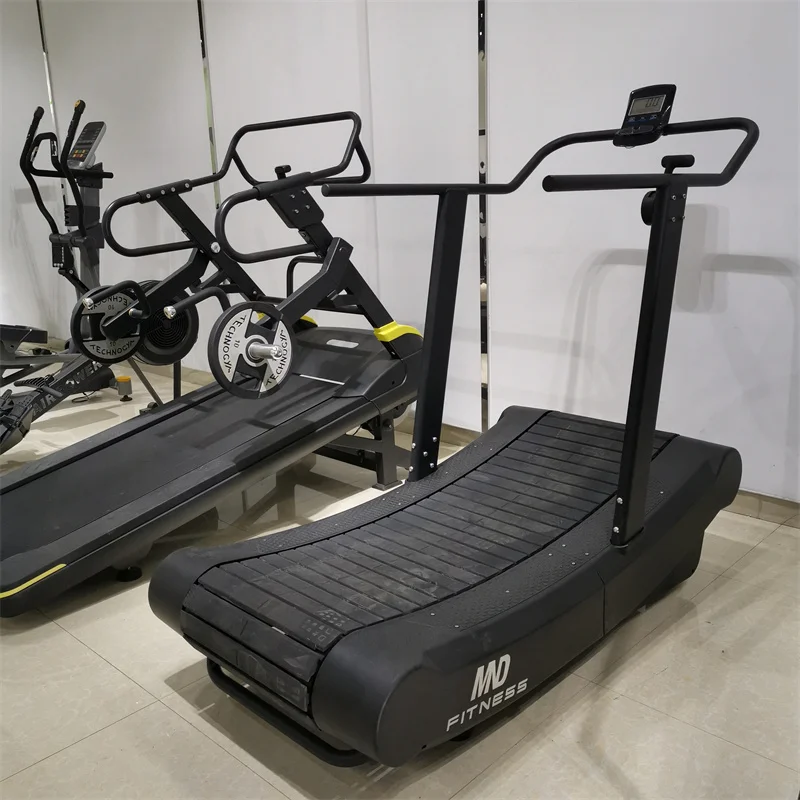
Sourcing from a reputable manufacturer like Shandong Minolta Fitness Equipment Co., Ltd. provides distinct advantages beyond the individual unit specifications. With experience exporting to over 100 countries, the manufacturer understands the regulatory and logistical demands of global fitness markets. Their diverse portfolio, which includes everything from the MND-F series to cardio solutions like the MND-X500 and X600 treadmills, allows for a more cohesive procurement strategy.
Rather than piecing together a gym from various suppliers, working with a comprehensive manufacturer allows for consistent aesthetic and mechanical standards throughout the facility. This uniformity reduces the maintenance headache, as staff can become familiar with a single design language and a shared spare-parts inventory, which is a practical detail often overlooked by those just starting out in gym management.
Practical Tips for Gym Owners and Sourcing Managers
Before finalizing the purchase of any squat trainer, consider the floor weight limits of your facility. These machines, while space-efficient, are inherently heavy due to the need for a stable, commercial-grade frame. Ensure that your flooring can support the static and dynamic loads applied during use, particularly in the squat area where foot impact and weight plate exchanges are frequent.
Another point of caution is the ease of adjustment. A machine that takes a complex series of levers and pins to adjust for different user heights will inevitably be underutilized. Look for intuitive adjustment points that are clearly labeled. If your gym serves a diverse demographic, including seniors or those rehabilitating from injury, having an easily adjustable machine is a major selling point for your facility's value proposition.
Maintenance and Longevity in High-Traffic Facilities
Even the best-manufactured equipment requires a preventative maintenance routine. For a plate-loaded squat trainer, this means regular inspection of the pivot bearings and the integrity of the upholstery. Sweat and cleaning chemicals can degrade material surfaces over time, so ensure that the leather or synthetic covering is high-grade and tear-resistant. During your next facility walkthrough, verify that the moving parts are lubricated to prevent the squeaking that often plagues older gym equipment.
Choosing the right squat trainer is more than just checking a specification sheet; it is about investing in the long-term flow of your floor space. Whether you are expanding an existing fitness center or equipping a new commercial studio, focusing on reliable, high-output equipment will ensure your members keep returning for their training cycles.
For those interested in exploring the specific technical documentation for the PL38 or other units in the MND Fitness range, reaching out directly to the manufacturer's sales team is the most effective next step to discuss shipping logistics and customized configurations for your specific gym footprint.