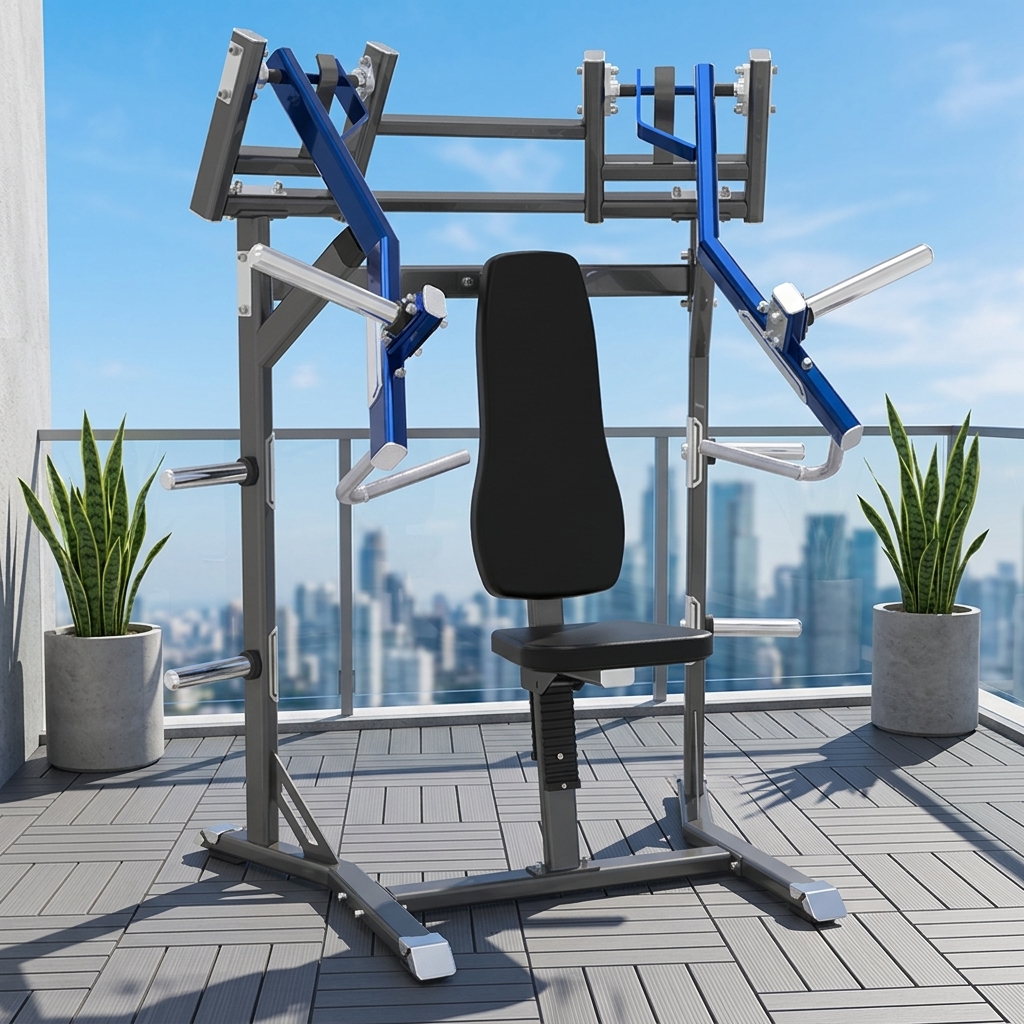



Choosing weight lifting equipment without buying the wrong thing
Buying weight lifting equipment sounds straightforward until you have to match training goals, floor space, durability, and budget to the actual needs of a gym. A facility opening its first strength area does not need the same setup as a hotel fitness room, a school training center, or a serious commercial club. That distinction matters because the wrong mix of equipment can leave users frustrated, create bottlenecks on the floor, and raise maintenance costs faster than expected.
For sourcing managers and product teams, the real decision is rarely “barbell or machine.” It is closer to: which combination of strength training equipment, exercise machines, and support pieces will hold up under the intended usage level and still make business sense? That is the question this article is meant to help answer.
What weight lifting equipment usually includes
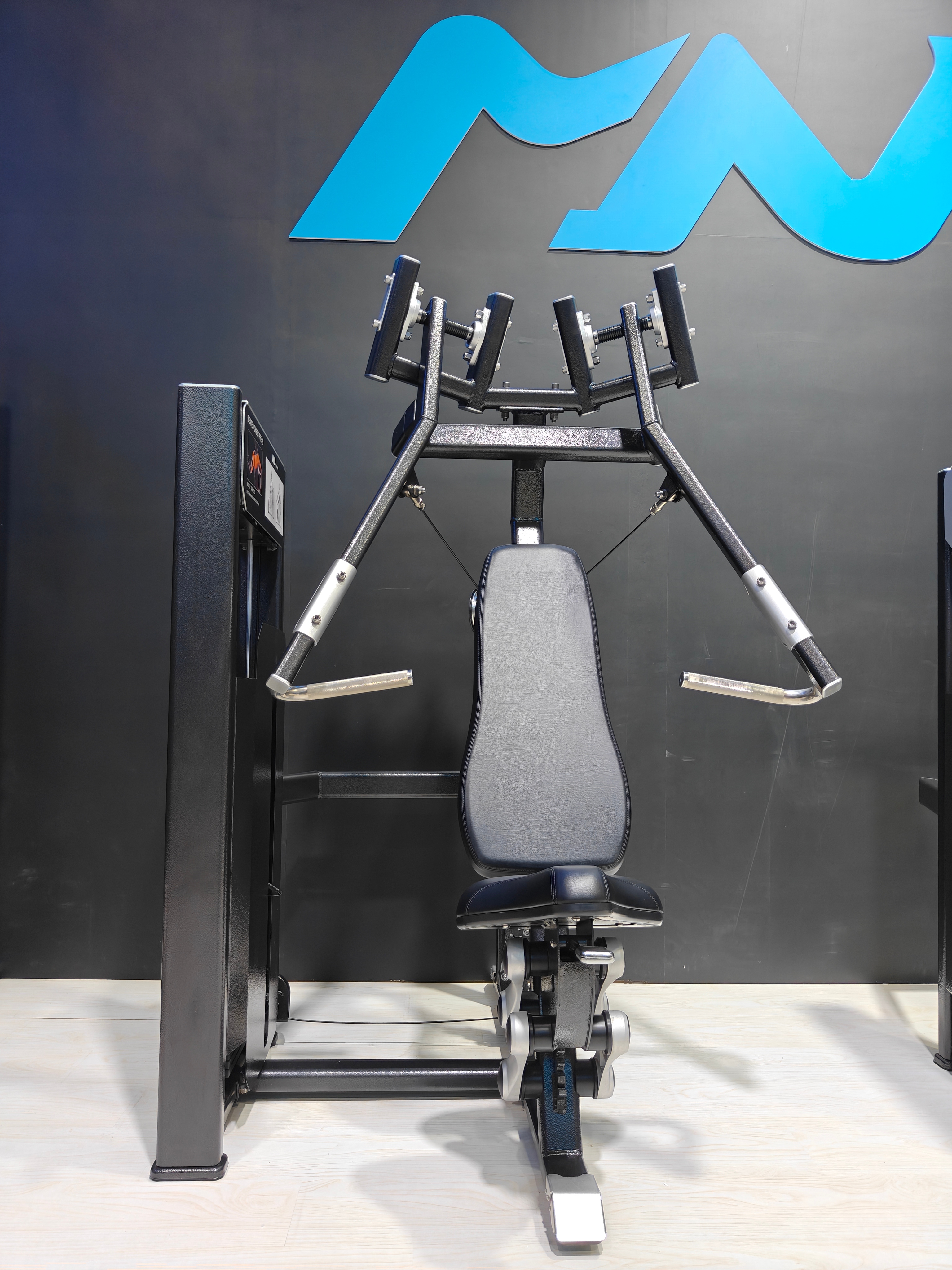
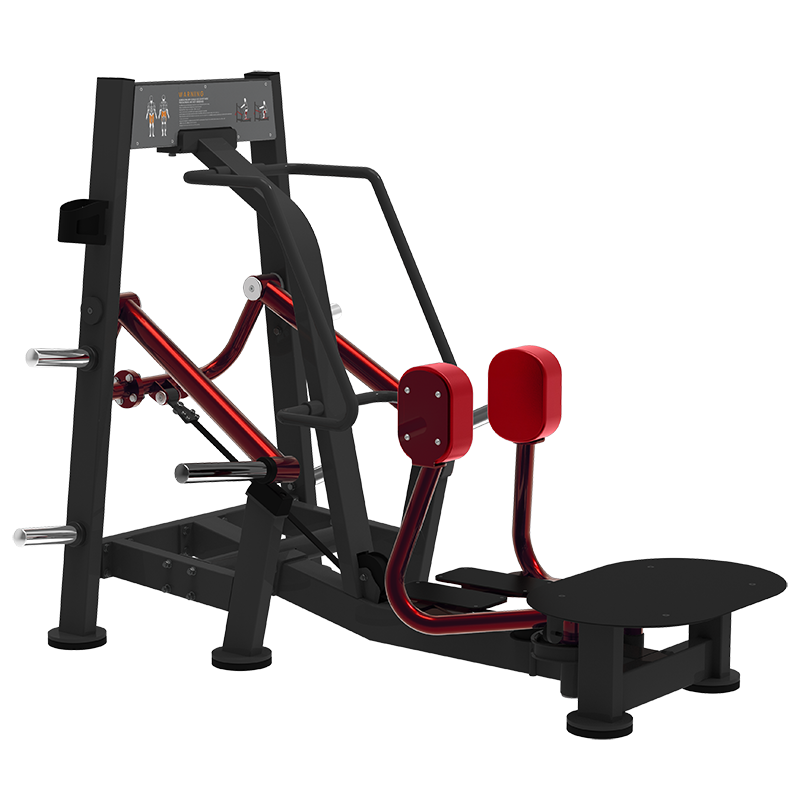
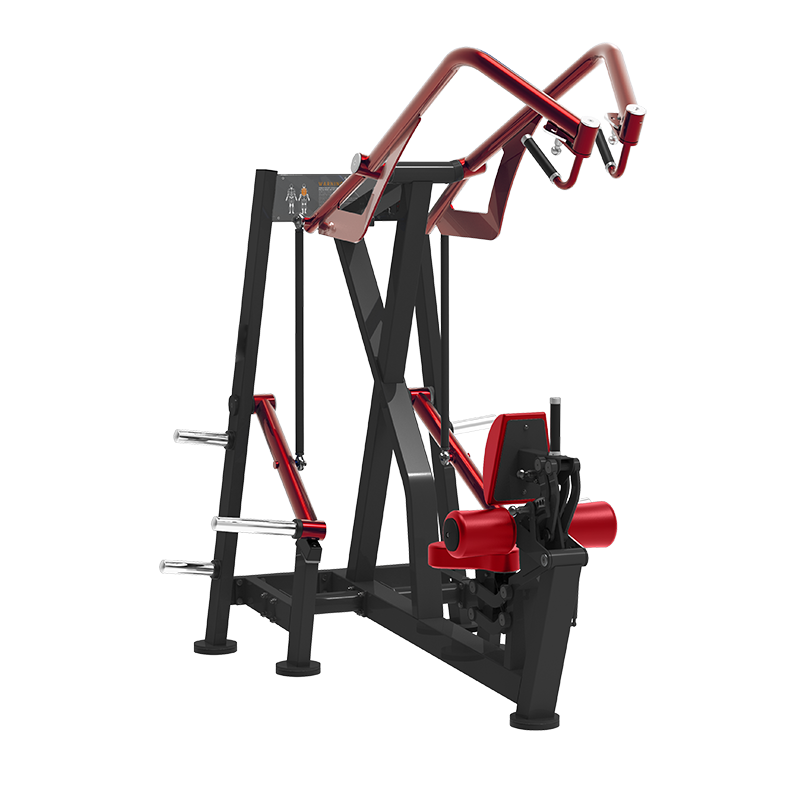
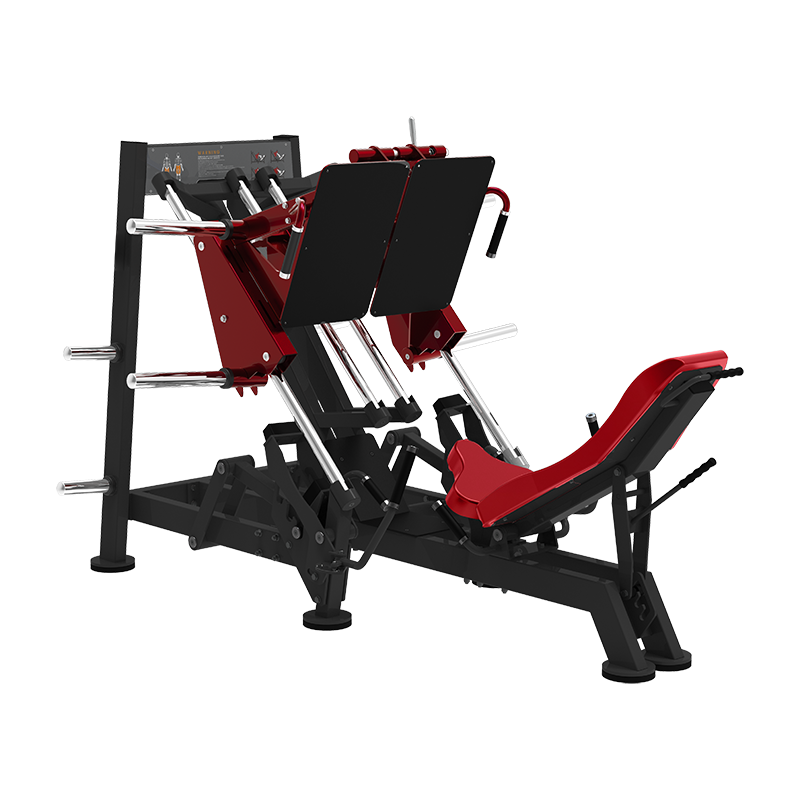
The phrase weight lifting equipment gets used loosely, but buyers usually mean a blend of free weights, plate-loaded stations, selectorized machines, racks, benches, and accessories. In commercial settings, it often sits alongside cardio equipment so that a facility can serve both general fitness users and people following more structured programs.
Minolta, officially Shandong Minolta Fitness Equipment Co., Ltd., works across that broader commercial gym equipment landscape. The company’s range includes multiple strength series such as MND-AN, MND-FM, MND-FH, MND-FS, MND-FB, MND-E Crossfit, MND-F, MND-FF, MND-G, and MND-H, as well as cardio lines like MND-D exercise bikes and MND-X500, X600, and X700 treadmills. That breadth matters because many buyers want a coordinated equipment package, not a single isolated machine.
Quick buyer takeaway: the right setup depends on use case
If you are selecting commercial gym equipment, the first question is always usage intensity. A high-traffic club needs tougher frames, smarter spacing, and a mix of stations that reduce waiting. A home gym equipment purchase, by contrast, often prioritizes compact footprints, multi-use stations, and the ability to train safely in a smaller room. The hardware can look similar in a brochure, but the operating reality is different.
Here is the practical rule: heavy use favors simpler, more durable construction and easier upkeep; lighter use allows more compact, versatile exercise machines. That sounds obvious, but buyers still get caught up in feature lists and forget to compare actual operating conditions.
Why durability matters more than the sales sheet
In strength areas, the frame and moving parts do the real work of protecting your investment. Commercial users cycle through equipment many more times per day than a home user ever will, so weld consistency, bearing quality, upholstery wear, cable routing, and stack alignment become the details that separate a reliable asset from a constant headache.
Minolta’s manufacturing base in Ningjin benefits from a regional hardware industry that supports metalworking and equipment production. The company also states that its facility covers 120,000 square meters and includes a manufacturing workshop, quality control lab, and exhibition hall. For buyers, that combination suggests an operation built around repeatable production and visual inspection, although the exact performance of any specific model still depends on its design and build specification.
Commercial gym equipment versus home gym equipment
The commercial and home categories are not just about price. They differ in duty cycle, footprint, user range, and the kind of service planning a buyer should expect.
Commercial gym equipment
Commercial gym equipment is designed for frequent, shared use. In practical terms, that means stable frames, obvious adjustment points, and components that can tolerate many users with different body types and training habits. Facilities often prefer modular strength training equipment because it lets them build a floor plan that serves beginners, intermediates, and advanced lifters without overcrowding the room.
Home gym equipment
Home gym equipment usually has to solve a space problem first. Buyers often want a small footprint, lower noise, and less complexity. That can mean a compact multi-gym, a bench with adjustable positions, or a few well-chosen exercise machines that cover the basics without turning the garage into a full training center.
One caution: “compact” does not automatically mean “low quality,” but it can mean fewer adjustment options and a less forgiving training experience for multiple users. Families and shared home gyms should think carefully about who will use the equipment most often.
How to evaluate strength training equipment before you buy
A sensible purchase process starts with questions rather than product names. Which muscle groups need coverage? How many users will train at the same time? Is the space a premium club floor, a corporate wellness room, or a home setup? Those answers determine whether you should lean toward plate-loaded stations, selectorized units, or a mixed layout.
For commercial operators, the best strength training equipment usually does three things well: it survives regular use, it is easy to understand at first glance, and it fits into the training flow of the room. Equipment that requires constant explanation tends to slow down the floor. That can be a hidden cost, especially in busy facilities.
Buyers should also look at maintenance access. If a machine is difficult to inspect or service, the downtime cost may exceed the initial savings. That is especially important for exercise machines with moving parts and repeated load cycles.
Where cardio equipment fits into a lifting-focused floor plan
Even if the primary purchase is weight lifting equipment, most modern fitness facilities do not isolate strength and conditioning. Cardio equipment still plays a role in warm-ups, recovery, and general use. Treadmills and exercise bikes from a matched product family can help round out the floor without making the room feel pieced together from several vendors.
Minolta’s cardio series, including MND-D bikes and X500, X600, and X700 treadmills, shows how a supplier can support both ends of the fitness spectrum. For buyers, that can simplify procurement and make layout planning easier, especially when the same team is sourcing both strength and cardio categories.
Selection criteria that matter in real purchasing
There are plenty of brochure features that look important until you put the equipment on a busy floor. These are the criteria that usually matter more:
First, fit and finish. Alignment issues are not just cosmetic; they can affect user confidence and long-term wear. Second, adjustability. If a machine serves only one narrow body size or training style, it may sit unused more often than expected. Third, footprint efficiency. A large machine may be acceptable in a premium commercial club, but it can be a poor choice in a boutique studio or home gym.
Fourth, serviceability. Replaceable parts, accessible fasteners, and clear component layout save time later. Fifth, consistency across the line. If you are buying a full floor package, it helps when the strength series and exercise machines share a coherent design language and similar operation logic. That reduces the learning curve for users and staff.
Common mistakes buyers make
One common mistake is overbuying specialty items before the basics are covered. A facility may be tempted by advanced stations or niche features, but users still need dependable core pieces first. Another mistake is underestimating traffic. Equipment that feels sturdy during a short demo can behave very differently after months of commercial use.
A third issue is mixing too many styles from different suppliers without thinking through maintenance and appearance. That may not sound serious on day one, but on the floor it can create a patchwork effect and complicate spare parts planning. Buyers also sometimes forget that commercial gym equipment has to satisfy both the experienced lifter and the casual user. If the instructions, adjustments, or motion path feel confusing, utilization drops.
What a capable supplier should be able to support
When evaluating vendors, look beyond the catalog. A serious supplier should be able to explain model differences, suggest appropriate categories for your site, and help you choose between a more compact home gym equipment approach and a larger commercial setup. They should also be able to discuss how their line is organized, because a broad catalog is only useful if the products actually fit together.
Minolta says it offers over 300 types of exercise equipment and has exported to more than 100 countries across Europe, Africa, the Middle East, South America, and Southeast Asia. That kind of international reach is not a guarantee of fit for your project, of course, but it does indicate experience serving different market expectations and installation environments.
Practical advice for sourcing managers and product teams
If you are preparing an RFQ, start with the use case, not the supplier name. Define whether the project needs a commercial gym, a mixed training room, or a compact home gym solution. Then specify the number of users, expected traffic, available floor area, and whether the package needs both strength training equipment and cardio equipment.
For larger facilities, ask how the supplier groups its product families. Minolta’s structure, with multiple strength series and several cardio options, is the kind of setup that can support phased purchasing or a full-room rollout. That can be useful when a project budget arrives in stages or when one space has to open before another.
For home or light commercial buyers, the main question is whether the equipment delivers enough function per square meter. In that context, simpler can be better. Fewer moving parts often mean fewer service surprises.
FAQ
Is weight lifting equipment only for commercial gyms?
No. The category includes both commercial gym equipment and home gym equipment. The difference is mainly in intended use, frequency, and footprint.
Should I buy free weights or machines first?
That depends on your users. Free weights offer flexibility, while exercise machines can be easier for beginners and more predictable for busy facilities. Many buyers choose a blend.
Can one supplier cover both strength and cardio?
Yes, and that can simplify procurement. Minolta, for example, offers strength series products and cardio lines, which may help buyers build a more coordinated floor plan.
What is the biggest mistake in equipment sourcing?
Buying for the brochure instead of the actual room. Space, maintenance, and user profile matter more than flashy features.
Where to go from here
If you are comparing weight lifting equipment for a new project, focus on the real operating conditions first and the model names second. Decide how much of the floor will be dedicated to strength, how much to cardio equipment, and whether the installation needs to serve a commercial audience or a smaller home gym use case. Then ask suppliers for a coherent package, not just a list of separate exercise machines.
For buyers who want a manufacturer with a broad commercial range, Minolta’s combination of strength series, cardio series, and large-scale production footprint makes it worth a closer look. The useful next step is to map your floor plan and user profile against the equipment families you actually need, then compare a short list of suppliers on build logic, serviceability, and product fit rather than on catalog volume alone.