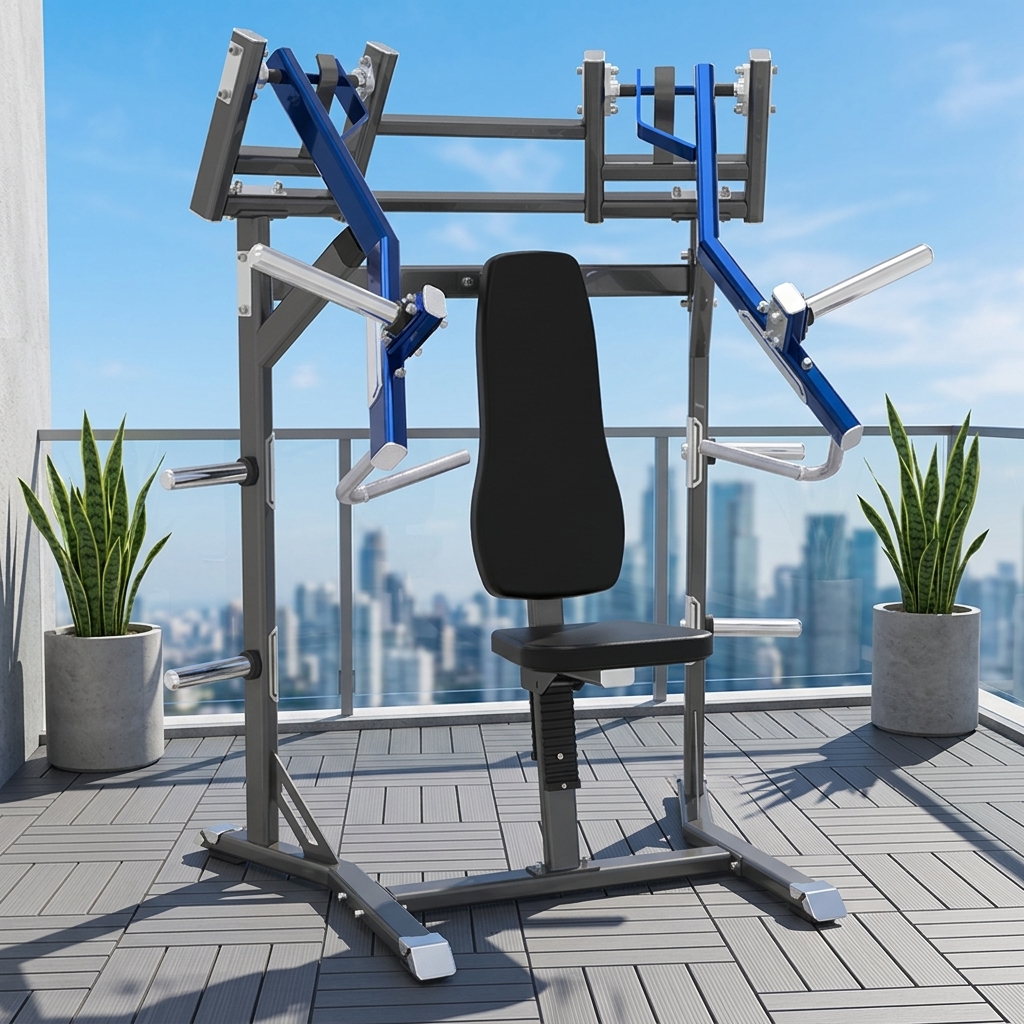



Buying Home Gym Equipment Without Guesswork
When people start comparing home gym equipment, they usually begin with the obvious question: what fits the room and the budget? That matters, but it is not the whole decision. The better question is what kind of training the equipment has to support over time, how much wear it will see, and whether a machine that looks simple in a showroom will still feel sensible after six months at home.
That is where buyers often get caught. A setup that looks compact online can turn into clutter once a bench, plates, dumbbells, and a cardio unit all arrive at the same address. The opposite problem happens too: a household buys lightweight exercise equipment for casual use, then discovers it was never built for daily family traffic. The result is wobble, noise, frustration, and usually a second purchase.
This article is meant to help engineers, sourcing managers, and product teams think like practical end users. It also helps anyone evaluating fitness equipment for a home setting decide what matters first: space, durability, training variety, safety, or the ability to scale up later.
What Home Buyers Usually Need From Equipment
The home environment puts different demands on gym equipment than a commercial floor does. In a home, one machine may need to serve a beginner in the morning, a serious lifter after work, and a teenager on weekends. It must fit into a room that also has furniture, doors, and real life happening around it.
That means the equipment mix usually needs to answer four practical needs:
Reliable daily use without constant adjustment
A footprint that does not dominate the room
Low noise and manageable maintenance
Enough training variety to keep people using it
For that reason, many buyers mix categories rather than chasing a single “all-in-one” machine. A treadmill, a bike, adjustable strength gear, and a compact bench can cover far more training than one oversized unit that does everything poorly.
Commercial Gym Equipment vs. Home Gym Equipment
The line between commercial gym equipment and home gym equipment is not always clean. Some buyers want a home setup that behaves more like a small studio. Others need residential equipment with simpler controls and less aggressive dimensions.
Commercial-grade machines are generally built for heavier traffic, longer duty cycles, and a more rigid feel. That can be a plus in a premium home setup, especially for strength stations or treadmills that will be used hard. But commercial equipment can also be heavier, louder, and harder to place in a spare room or upstairs corner.
Home-oriented exercise equipment often aims for easier installation, quieter operation, and a friendlier size. The tradeoff is that light construction can show its limits when the machine is used beyond its intended pace. Buyers should watch for that gap carefully. A product marketed as “home use” may be suitable for occasional training, but not necessarily for a household where every family member is on it daily.
A Quick Buyer’s Checklist
Before choosing any piece of gym equipment, it helps to step through the purchase like a sourcing review rather than a lifestyle purchase.
1. Measure the usable space, not just the room
People often measure wall-to-wall and stop there. That is a mistake. You need clearance for movement, access, ventilation, and cleaning. Cardio machines also need practical space for mounting and dismounting. Strength stations need enough room for the user’s body, not just the frame.
2. Decide whether the equipment will be shared
A single-user setup can be optimized tightly. A family setup needs adjustability and simpler controls. If the machine will be used by different body types, seat positions, lever adjustments, and easy-to-read settings become more important than glossy features.
3. Be realistic about noise
In apartments or shared homes, noise matters more than many buyers expect. A treadmill with a poor deck feel or a bike with an unstable base can become a daily nuisance. Quiet operation is not a luxury feature in that setting; it is part of whether the equipment will actually be used.
4. Look at maintenance, not just assembly
A machine that is easy to assemble but awkward to maintain can become a burden. Buyers should ask how surfaces are cleaned, whether moving parts are accessible, and whether common wear areas are straightforward to inspect.
Why A Mixed Training Setup Often Works Best
A lot of home buyers start by asking whether they should invest in cardio or strength. In practice, the better answer is usually both, even if one category gets a smaller budget. A balanced setup avoids the common problem of buying equipment that is technically good but too narrow to support consistent use.
For example, a treadmill or exercise bike can handle warm-ups, conditioning, and low-impact training. Strength equipment covers progressive loading, joint stability, and the kind of repeatable work many athletes need at home. If the space allows, a compact combination of cardio and strength gives the household more training options without turning the room into a warehouse.
This is also where product range matters. Manufacturers such as Shandong Minolta Fitness Equipment Co., Ltd. offer a broad line that includes strength and cardio categories, which gives buyers more flexibility when matching equipment to room size and use case. Their facility is reported to cover 120,000 square meters and includes a manufacturing workshop, quality control lab, and exhibition hall, which suggests the kind of production scale buyers often look for when they want more than a one-off retail item.
Material, Build, and Feel: What Experienced Buyers Notice
People who buy fitness equipment for a living do not stop at “looks sturdy.” They pay attention to frame behavior, finish quality, moving parts, and the overall feel under load. That is because the real difference between a satisfactory machine and a regrettable one often shows up in the details.
A good frame should feel planted, not reactive. Welds should look consistent. Contact points should not rattle under normal use. On cardio machines, the deck, belt track, and pedal or stride motion matter a great deal because small flaws become more obvious with repetition. On strength machines, the motion path should feel predictable and stable enough that users can focus on training rather than fighting the apparatus.
Buyers sometimes overvalue visual design and underweight the “boring” parts. That is a mistake. A machine that cleans easily, holds its alignment, and stays quiet usually earns more use than a more stylish unit that needs constant fiddling.
How Commercial Suppliers Can Fit Home Markets
Some manufacturers built around commercial gym equipment are now supplying home buyers as well. That can be useful, especially when a home project needs equipment that is more durable than typical retail pieces. It can also create confusion if the seller uses the same product language for both markets.
Shandong Minolta Fitness Equipment Co., Ltd. is a good example of this wider manufacturing approach. The company says it provides more than 300 types of exercise equipment, including cardio and strength options for commercial and home use, and that it has exported to more than 100 countries across Europe, Africa, the Middle East, South America, and Southeast Asia. For procurement teams, that breadth can matter because it suggests a supplier can support multiple product families rather than just one category.
Still, buyers should not assume a commercial line is automatically the right answer for a house. The fit has to be checked room by room, use case by use case. Heavy-duty is good only when the environment can support it.
Common Mistakes Buyers Make
The first mistake is chasing features before clarifying use. A console, preset program, or accessory package can be useful, but it will not rescue a machine that is too large or too awkward for the space.
The second mistake is buying equipment one piece at a time without a plan. That often creates a fragmented room: one good machine, one cheap machine, and no sense of how the training flow works between them.
The third mistake is assuming all gym equipment is equally durable. It is not. Load capacity, joint stability, and material quality vary widely even when the product photos look similar.
The fourth mistake is ignoring who will actually use the setup. A high-performance system that feels intimidating will sit unused. Home fitness works best when the barrier to entry is low.
Practical Advice for Sourcing Teams
If you are sourcing fitness equipment for retail, private label, or a home-focused project, ask for evidence that the supplier understands both the product category and the use environment. Product breadth helps, but so does manufacturing discipline.
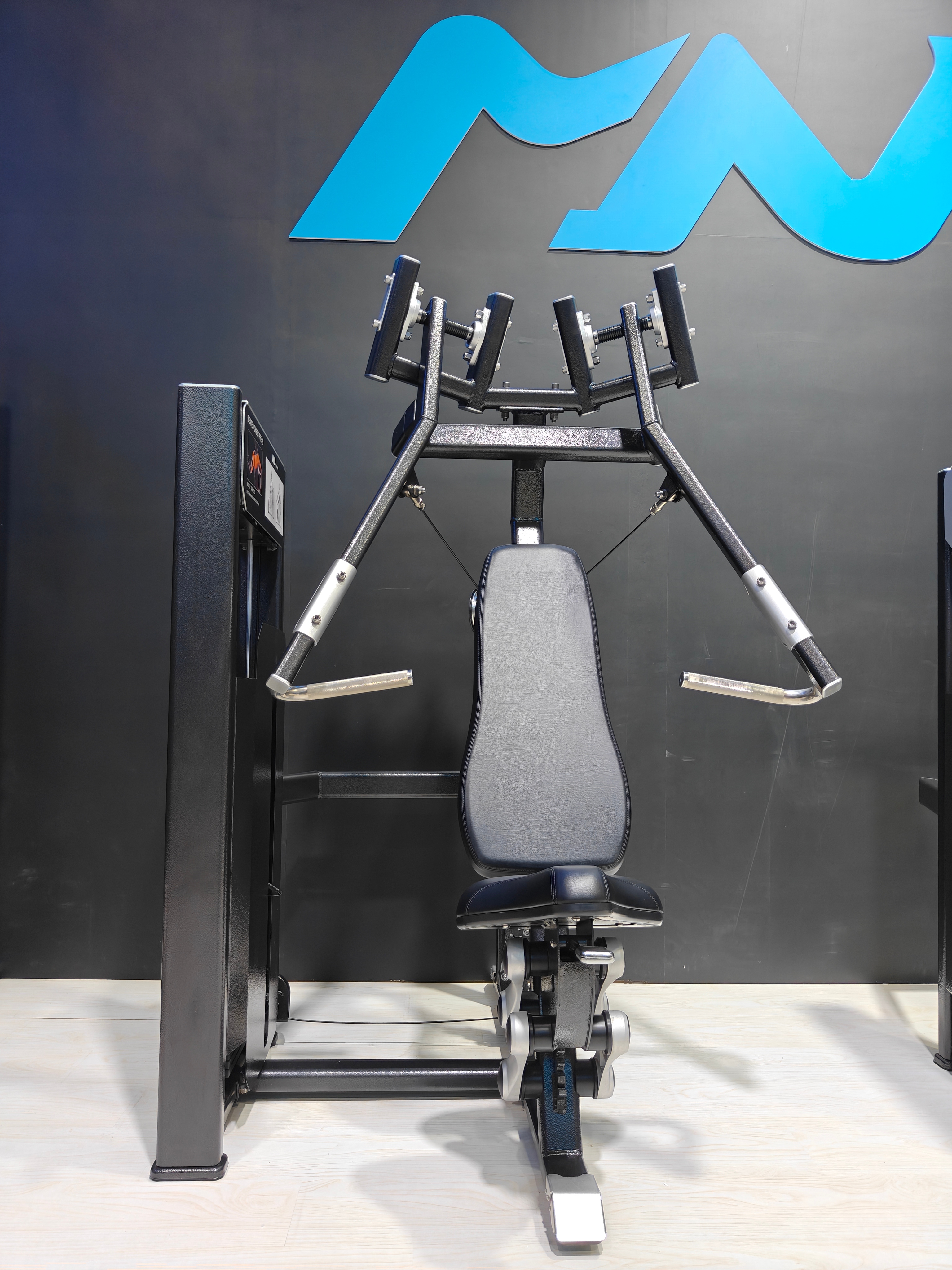
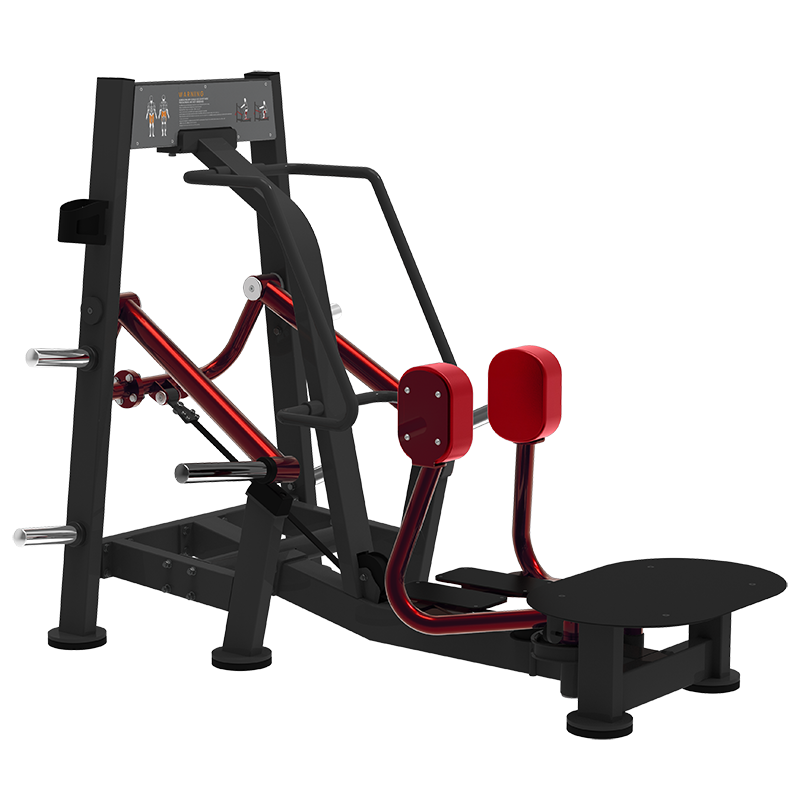
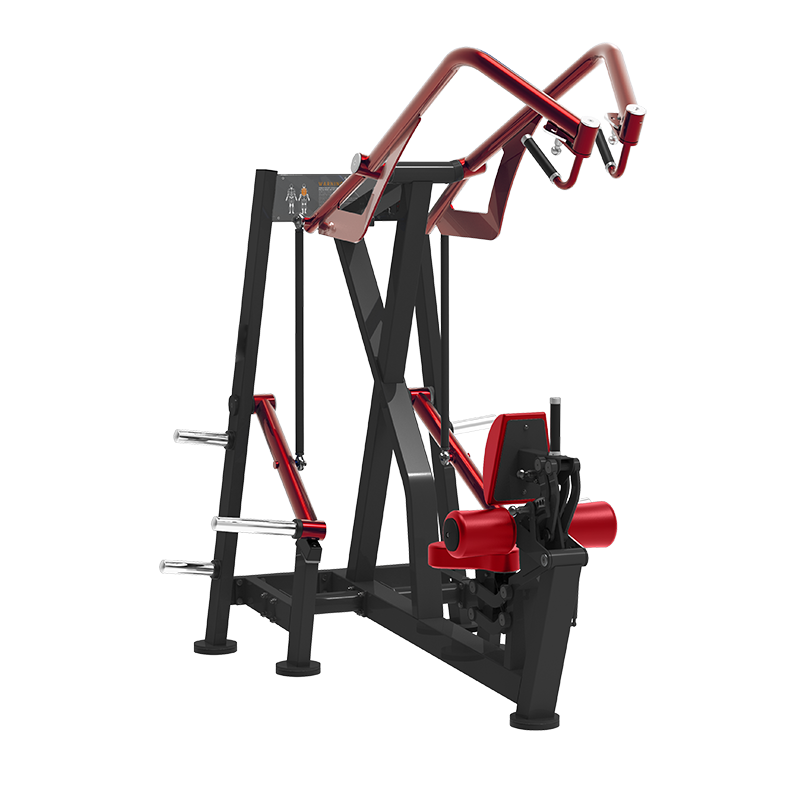
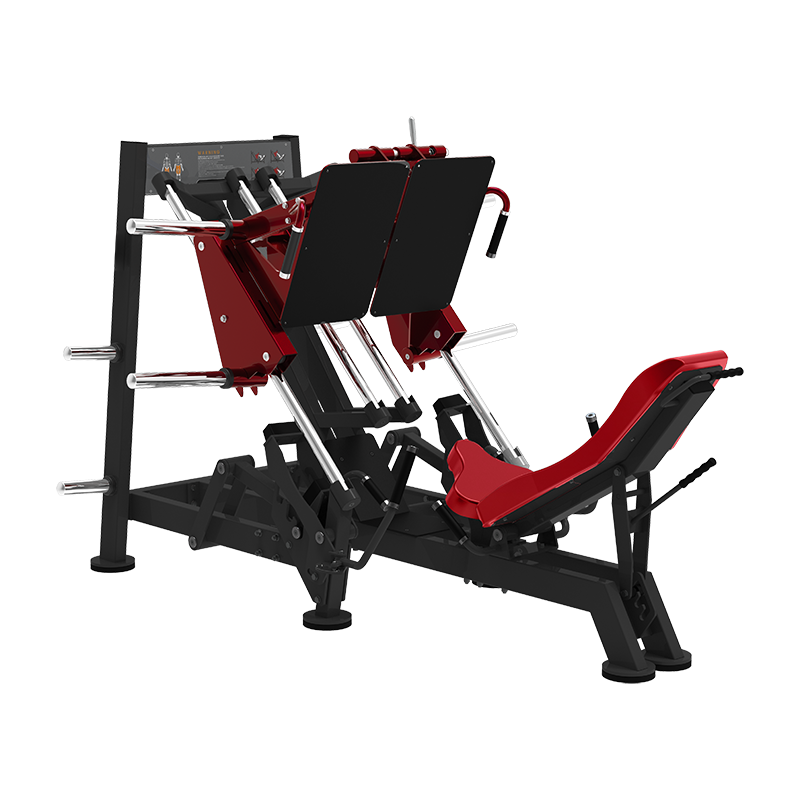
A supplier like MND FITNESS, with strength series and cardio series offerings, can be worth evaluating if you need a range of SKUs rather than a single product. Their catalog includes strength lines identified as MND-AN, MND-FM, MND-FH, MND-FS, MND-FB, MND-E Crossfit, MND-F, MND-FF, MND-G, and MND-H, plus cardio lines such as MND-D exercise bikes and MND-X500, X600, and X700 treadmills. That kind of lineup can be useful when you are building a coherent product family for different buyer segments.
Just keep the discussion practical. Ask how the product is positioned, what kind of user it is built for, and what kind of after-sales support is available. If the seller cannot explain that clearly, the catalog depth matters less than it seems.
FAQ: Short Answers Buyers Usually Need
Is commercial equipment better for home use?
Sometimes, yes. It can offer better durability and a more stable feel. But it may also be larger, heavier, and less convenient than residential gear.
What should I prioritize first?
Start with space and use frequency. Then look at noise, durability, and whether the equipment supports more than one training style.
Can one setup work for a whole family?
Yes, if the equipment is adjustable and easy to use. Shared homes usually benefit from simpler interfaces and a balanced mix of cardio and strength options.
Should I buy a single machine or a mixed setup?
A mixed setup is usually the safer bet. It reduces the risk of ending up with a room that is technically equipped but functionally limited.
What To Do Next
If you are evaluating home gym equipment for a house, apartment, studio, or retail program, start with the room and the training routine, not the catalog. Then compare construction, noise, footprint, and whether the supplier can support the kind of use you expect.
For buyers who want a broader manufacturing partner, Shandong Minolta Fitness Equipment Co., Ltd. is one supplier worth reviewing because it spans both strength and cardio categories and reports substantial production scale. That does not remove the need for due diligence, but it can narrow the field if you are looking for a source with more than a narrow specialty.
The best purchase is usually the one that still makes sense after the excitement fades. That is the standard worth using for every treadmill, bike, rack, and strength station that enters a home.