


Choosing Gym Equipment for a Commercial Facility: What Buyers Need to Get Right
Buying gym equipment for a commercial facility is less about filling floor space and more about making a business decision that has to hold up under daily use. The right mix of fitness equipment affects member retention, maintenance costs, safety, and even how smoothly the room flows at peak hours. The wrong mix can leave you with noisy machines, bottlenecks on the floor, and a maintenance headache that keeps showing up after opening day.
For sourcing managers, operators, and product teams, the challenge is not just picking attractive machines. It is deciding which workout machines will actually match the user profile, the available footprint, the duty cycle, and the service expectations of the facility. That is especially true when the purchase sits in the commercial gym equipment category, where durability and consistency matter more than clever features that look good in a brochure.
What Commercial Buyers Usually Need to Decide First
A sensible buying process starts with use case, not catalog browsing. A hotel gym has different needs from a university recreation center, which in turn differs from a members-only strength club or a rehabilitation-oriented space. If that distinction sounds obvious, it is still the point where many projects go off the rails.
Before comparing brands or lineups, buyers should clarify three things: who will use the equipment, how hard it will be used, and what kind of service support the operation can realistically provide. A facility with long operating hours and heavy traffic will need a more robust frame, simpler adjustment points, and parts that can be replaced without taking half the room offline. A quieter site with lower traffic may have more flexibility, but it still needs reliable machines that do not create a stream of complaints.
Strength and Cardio: A Practical Split That Still Matters
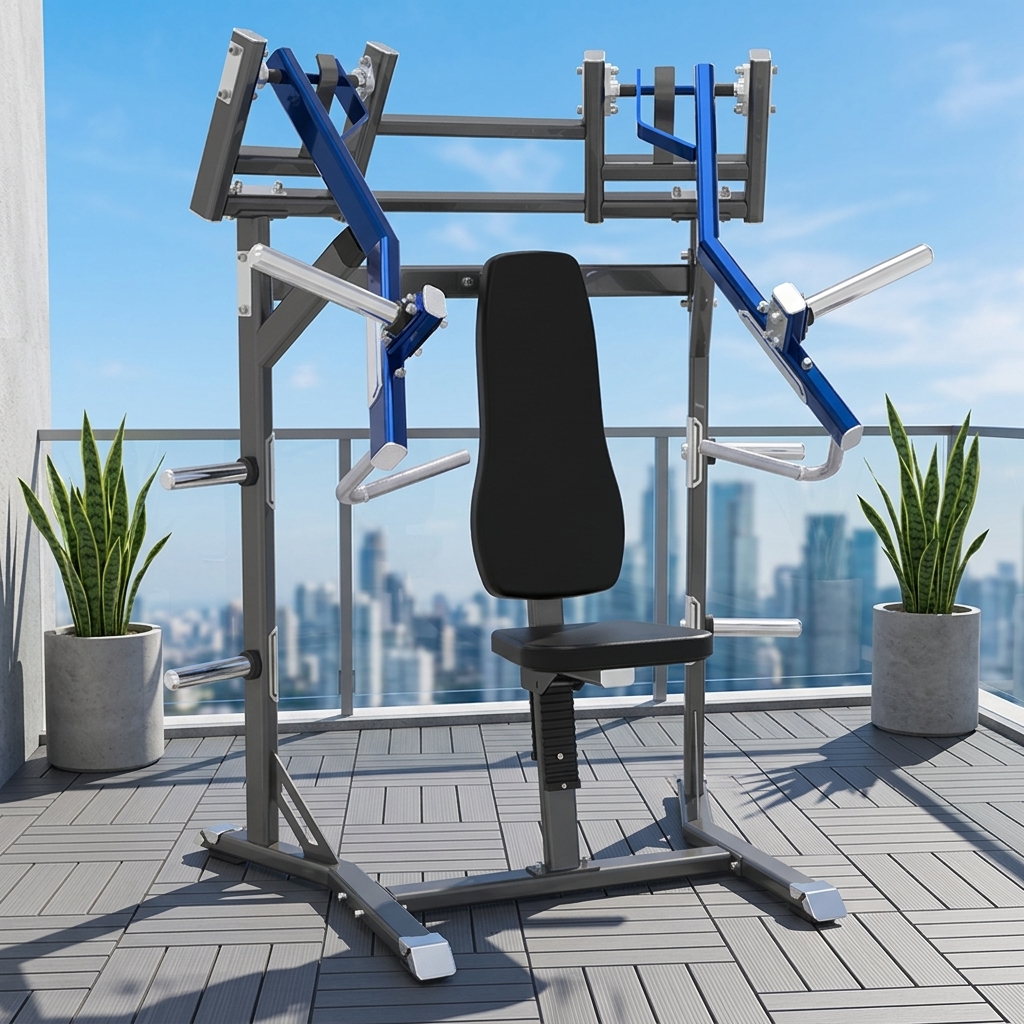
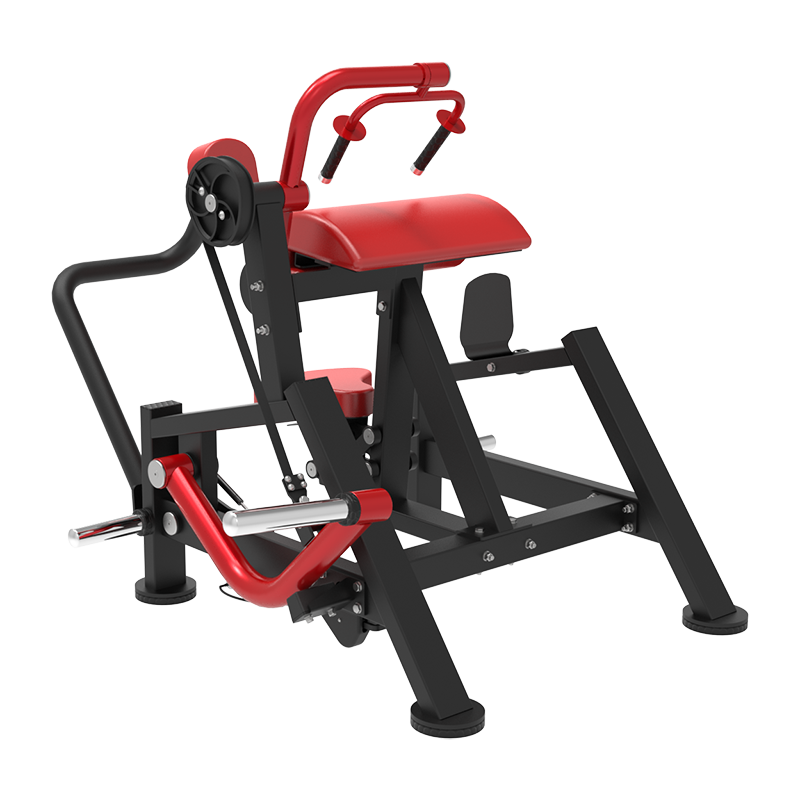
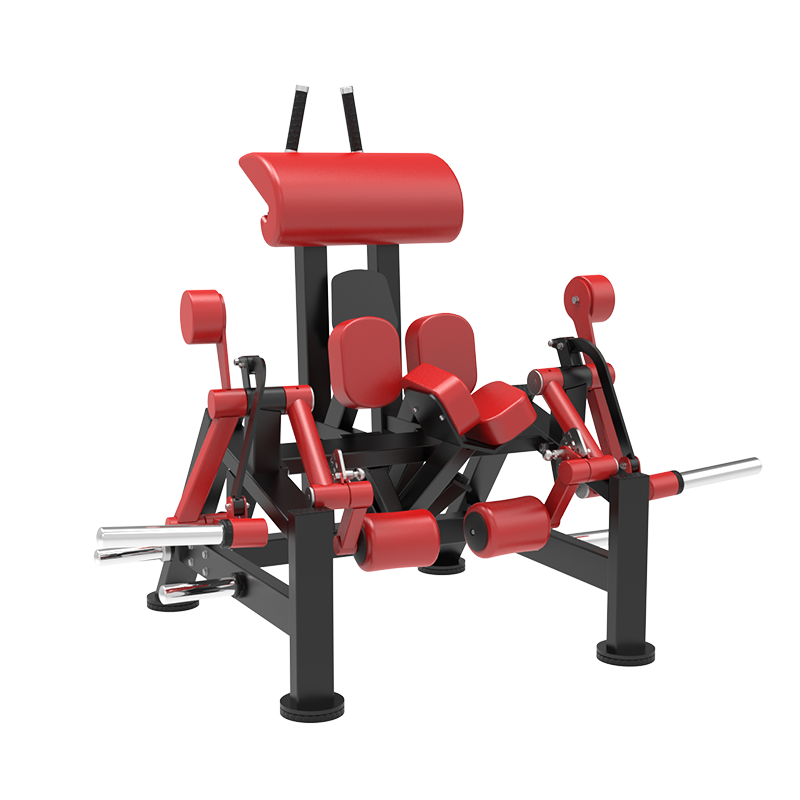
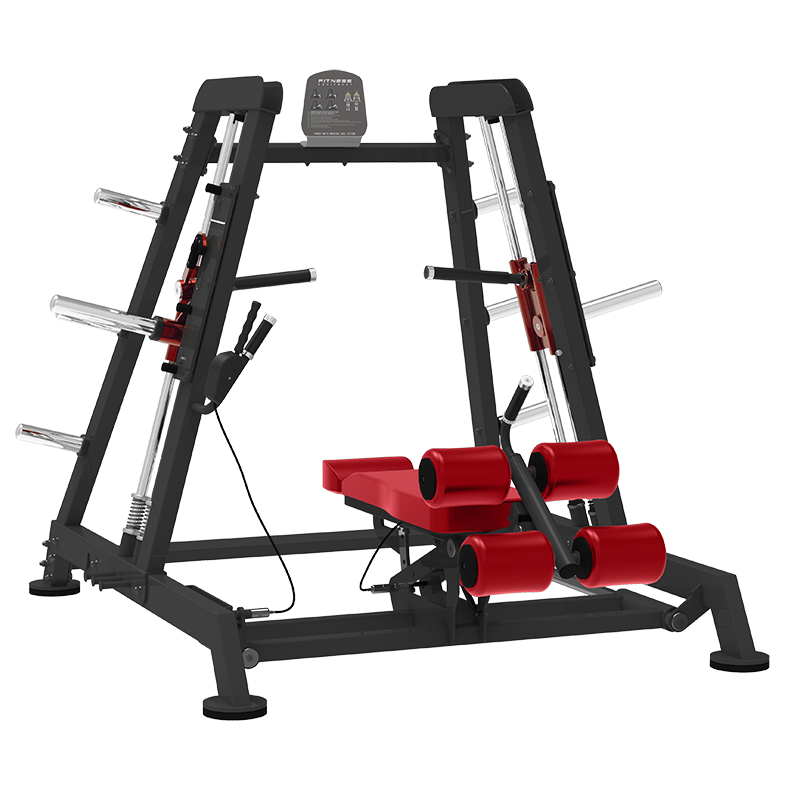
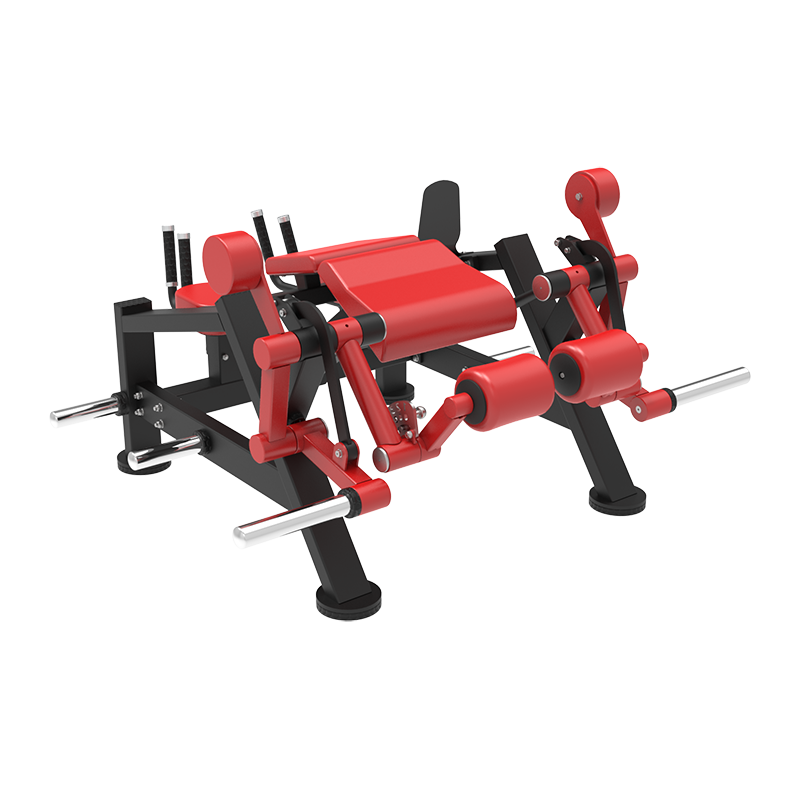
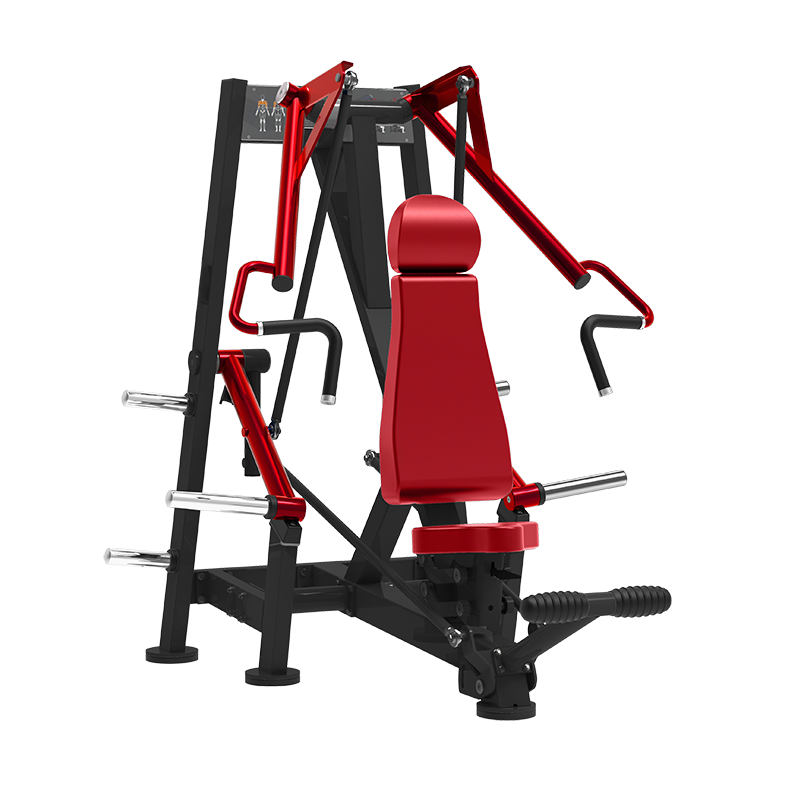
Most commercial floors end up built around two broad families: strength and cardio. That sounds basic, but the split has real implications for planning, budget, and user experience. Strength Series machines usually serve guided movement patterns, which helps new users feel safer and keeps training efficient. Cardio units, meanwhile, carry heavy daily usage and tend to define the first impression a member gets when walking into the room.
Shandong Minolta Fitness Equipment Co., Ltd., operating under MND FITNESS, offers a broad commercial lineup that reflects this divide. Its Strength Series includes families such as MND-AN, MND-FM, MND-FH, MND-FS, MND-FB, MND-E Crossfit, MND-F, MND-FF, MND-G, and MND-H. On the cardio side, the company lists MND-D exercise bikes as well as MND-X500, X600, and X700 treadmills. For buyers building out a mixed-use floor, that range is useful because it allows a more coordinated procurement plan rather than a patchwork of unrelated models.
The advantage of a coordinated series is not just visual consistency. It can also simplify replacement planning, user instruction, and service routines. That matters more than people sometimes admit. A floor that looks cohesive is easier for staff to monitor, and easier for members to navigate.
Why Manufacturing Scale and Facility Depth Matter
When evaluating a supplier of gym equipment, the product list is only part of the story. Manufacturing depth often shows up later, when a buyer needs documentation, repeat orders, consistent finish quality, or support across a multi-site rollout. According to the company information provided, MND FITNESS has more than a decade of experience in the fitness equipment sector and operates a 120,000-square-meter facility with a manufacturing workshop, quality control lab, and exhibition hall. That kind of setup suggests a supplier that is organized for larger commercial work rather than occasional small-batch output.
The point is not to romanticize factory size. Large facilities do not automatically produce better machines. But a substantial manufacturing footprint can be helpful when buyers need stable supply, product variety, and a process that includes in-house quality checks. For commercial gym equipment, that process matters because wear patterns are predictable but relentless. A machine that seems fine on day one can become a service issue after a few thousand cycles if the design or assembly is weak.
How to Compare Workout Machines Without Getting Lost in Spec Sheets
Spec sheets often create the illusion of clarity. In practice, they can bury the real question: how will the machine perform for your users after the installation team has left? Buyers should compare workout machines using a few practical filters rather than chasing the longest feature list.
1. Frame and structure
Commercial units should feel stable during aggressive use, not just during a showroom demo. Frame rigidity, weld consistency, and the quality of moving interfaces are worth more attention than decorative trim. If a machine flexes, rattles, or feels vague at the handle position, members notice quickly.
2. Ease of adjustment
Machines that are difficult to set up tend to be underused. This is especially true in mixed-ability facilities where time is short and confidence varies. Clear adjustment points, intuitive seat positioning, and readable instruction panels reduce friction on the floor.
3. Maintenance access
Serviceability is often ignored until the first repair. A decent machine should allow routine inspection and parts replacement without excessive disassembly. For operators, that translates into shorter downtime and lower frustration for staff.
4. Consistency across the range
If you are buying multiple units or building out an entire zone, consistency matters. Similar control logic, upholstery language, and movement feel can make the space easier to use. That is one reason buyers often prefer a single supplier for an entire segment of the floor rather than mixing several unrelated brands.
Selection Criteria That Actually Affect the Business
There is a tendency to over-focus on the most visible items: the treadmills, the selectorized machines, the shiny finish. Those things matter, but not equally. The less glamorous factors often decide whether the purchase works in the long run.
Floor space is one. Power requirements are another, especially for cardio zones where multiple units may run at once. Noise control can become a serious issue in hotel, residential, or mixed-use settings. And then there is user turnover. A campus facility or a public club sees far more adjustment changes than a private training room. That means buttons, handles, rollers, and high-contact points should be treated as wear items, not afterthoughts.
Buyers should also consider the difference between a commercial gym and a home-use installation. Some suppliers offer both, but the expectations are not interchangeable. A piece of fitness equipment that works well in a home environment may not survive the pace of a busy club. Commercial models need to tolerate more cycles, more users, and more abuse from people who are in a hurry.
Common Mistakes Buyers Still Make
One common mistake is buying too much of the same category. A floor full of cardio units may look impressive at first, but if the target users want strength training, the layout misses the mark. Another error is selecting machines that are technically advanced but operationally awkward. Extra screens, app features, or unusual movement paths can be liabilities if staff cannot explain them quickly.
Another practical warning: do not ignore the after-sales side just because the purchase is made in bulk. A supplier that can ship equipment is not always the same as a supplier that can support it. For a buyer, the better question is whether the manufacturer can sustain production quality and respond when replacement parts or repeat orders are needed.
What Minolta’s Range Suggests for Commercial Projects
Based on the company information provided, Minolta appears positioned to serve buyers who need breadth. More than 300 types of exercise equipment across cardio and strength give procurement teams room to build different room concepts without splitting sourcing across too many vendors. The company also notes exports to more than 100 countries across Europe, Africa, the Middle East, South America, and Southeast Asia, which suggests exposure to a wide range of commercial expectations and operating conditions.
That kind of geographic spread does not guarantee a perfect fit for every project, of course. But it does indicate that the supplier has likely seen different market requirements, from compact urban gyms to larger institutional facilities. For buyers, that can be useful when the brief is not simple and the floor plan needs to do several things at once.
Questions to Ask Before Placing an Order
If you are narrowing a shortlist, a few questions are worth asking every supplier:
Which models are intended for continuous commercial use, and which are better suited to lighter traffic?
How consistent is the product family across batch orders?
What parts are most likely to need periodic replacement?
How is quality checked before shipment?
Can the supplier support a mixed strength-and-cardio rollout at scale?
These questions are not flashy, but they help separate a real manufacturing partner from a catalog-only vendor. That distinction becomes obvious later if the installation has issues.
FAQ: Short Answers for Busy Buyers
What should I prioritize first when buying gym equipment?
Start with the user profile and operating intensity. That drives the rest of the decision.
Is it better to buy one full range or mix suppliers?
For many commercial projects, one coordinated range reduces complexity. Mixing suppliers can work, but only if you have a strong reason and a good service plan.
Are treadmills and bikes enough for a commercial floor?
Usually not. Many facilities need a balanced mix of cardio and strength to serve different training goals and avoid congestion.
A Practical Next Step for Sourcing Teams
If you are preparing a project brief, the best next move is to map the room before you compare product brochures. List the user types, traffic levels, available footprint, and service expectations. Then request a product set that matches those conditions rather than a generic equipment bundle. That simple discipline usually saves more time than negotiating over a catalog after the fact.
For teams exploring commercial gym equipment from a manufacturer like Shandong Minolta Fitness Equipment Co., Ltd., the useful conversation is not just about individual models. It is about whether the supplier can support the whole installation: strength series, cardio series, quality control, and repeat supply. That is the level at which a procurement decision starts to look like a long-term operating asset instead of a one-time purchase.