


The Engineering Reality Behind Commercial Elliptical Selection
For gym owners and pr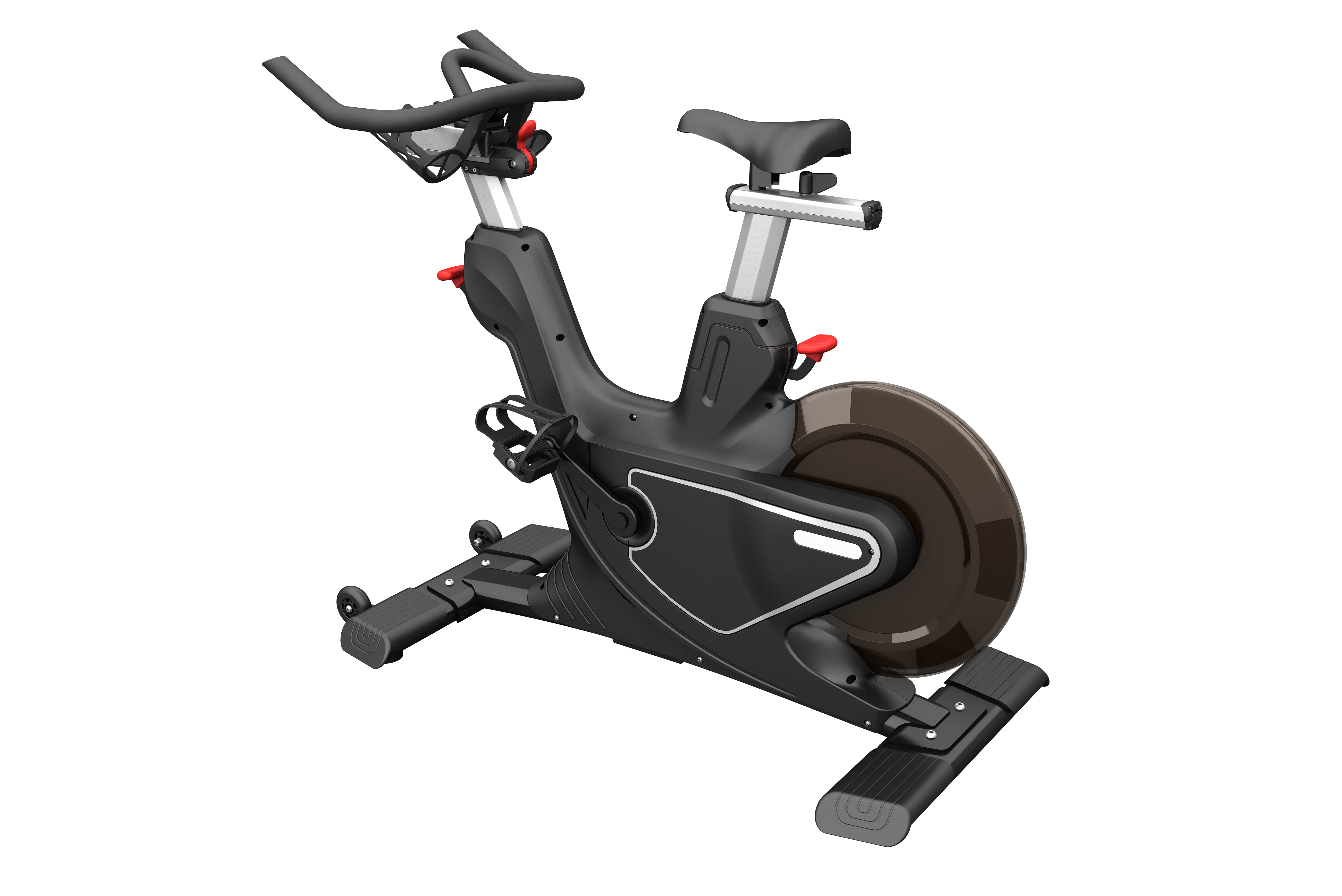 ocurement directors, choosing a commercial elliptical trainer is often deceptively difficult. Unlike selectorized weight stacks—where steel gauges, guide rods, and cable tensile strengths tell nearly the whole story—an elliptical is a dynamic mechanical system subject to multidirectional torque. When twenty-stone members log intervals on a fitness center elliptical twelve to fourteen hours a day, the weak links surface quickly: worn polyurethane roller wheels, squeaking crank splines, or resistance alternators that overheat under heavy continuous load.
Facility operators frequently make the mistake of prioritizing aesthetic console touchscreens over the underlying kinematic geometry and bearing assemblies. If the internal mechanics and stride architecture are subpar, members stop using the machine, warranty claims mount, and maintenance staff spend their weeks rebuilding pivot joints. This guide analyzes the structural, biomechanical, and operational benchmarks procurement managers should evaluate before issuing a purchase order for cross-trainers.
Drive Architectures: Rear-Drive vs. Front-Drive Configurations
The core classification of any commercial grade elliptical comes down to where the rotational inertia originates. While center-drive units exist for boutique studios with severe square-footage constraints, traditional commercial clubs almost exclusively specify front-drive or rear-drive designs.
Rear-Drive Mechanisms
A rear-drive elliptical trainer places the flywheel assembly behind the user. Biomechanically, this configuration replicates a more natural gait, characterized by a flatter, truer ellipse that reduces anterior pelvic tilt and knee shear. From an engineering standpoint, rear flywheel elliptical units often require fewer articulation links and rollers than front-drive counterparts, which translates directly to fewer wear points.
The trade-off is footprint. Rear-drive systems usually require an overall length of 2000 mm to 2200 mm, making layout planning critical. However, for high-traffic facilities where durability outranks space conservation, the mechanical simplicity of an enclosed rear drive train makes it a staple.
Front-Drive Mechanisms
Front-drive cross-trainers position the flywheel ahead of the pedals, typically running the pedal linkages across heavy-duty steel ramps supported by bottom track rollers. These machines often deliver a steeper, slightly more step-like motion, which appeals to users looking for higher glute and quad engagement.
The primary maintenance challenge with front-drive units lies in the exposed guide rails. Even in pristine fitness centers, airborne dust and chalk settle on the tracks. When combined with roller friction, that debris forms an abrasive paste that can pit the aluminum or steel guide tracks over time. If you opt for front-drive, ensure the ramps feature replaceable extruded covers rather than integrated welded surfaces.
Critical Mechanical Specifications for Heavy-Use Facilities
To avoid purchasing light-commercial units masquerading as institutional hardware, sourcing teams should demand clear documentation on specific sub-assemblies.
| Component | Standard Commercial Grade | High-Traffic Institutional Grade |
|---|---|---|
| Main Chassis Tubing | 50 x 100 mm, 2.5 mm wall thickness | 60 x 120 mm (or oval), 3.0 mm cold-rolled steel |
| Pivot Point Bearings | Standard shielded deep-groove ball bearings | Double-sealed industrial cartridge bearings or spherical roller bearings |
| Drive Transmission | Single-stage flat or Poly-V belt | Two-stage Poly-V serpentine belt with spring-loaded self-tensioner |
| Resistance Assembly | Manual servo-motor magnet pack | Self-powered brushless generator or eddy current brake system |
| User Weight Capacity | 150 kg (approx. 330 lbs) | 180 kg – 200 kg+ (400 to 440 lbs) |
A heavy duty elliptical trainer must use robotic welding along primary stress joints—specifically where the main upright connects to the bottom longitudinal chassis. Cold welds or inconsistent penetration here will manifest as frame creaking within six months of deployment.
Biomechanics: Stride Length, Q-Factor, and User Comfort
An elliptical exercise machine can possess exceptional build quality, but if the stride feels disjointed, members will migrate to treadmills or bikes.
- Fixed vs. Variable Stride: Fixed strides between 500 mm and 530 mm (roughly 20 to 21 inches) fit the 5th to 95th percentiles of adult users comfortably. Electronically adjustable strides offer programming versatility, but each adjustment motor introduces an extra electromechanical failure point. In unattended or 24/7 gyms, mechanical fixed-stride machines invariably lower long-term service tickets.
- Pedal Spacing (Q-Factor): The lateral distance between the inner edges of the pedals should not exceed 60 mm (around 2.5 inches). Wider stances rotate the hip joint unnaturally, causing lower-back discomfort during workouts longer than twenty minutes.
- Incline Ramps: Power incline features allow variation between pure horizontal gliding and steep climbing. If chosen, confirm that the elevation screw uses an industrial AC or high-torque DC actuator with built-in limit switches to prevent mechanical jams if a user drops a towel or resistance band underneath the carriage.
Supply Chain Vetting: Sourcing from Industrial Manufacturing Clusters
B2B buyers working directly with equipment factories rather than regional middle-tier distributors need to look closely at manufacturing depth. Sourcing a professional elliptical machine requires confidence in the supplier's steel fabrication and quality-control baseline.
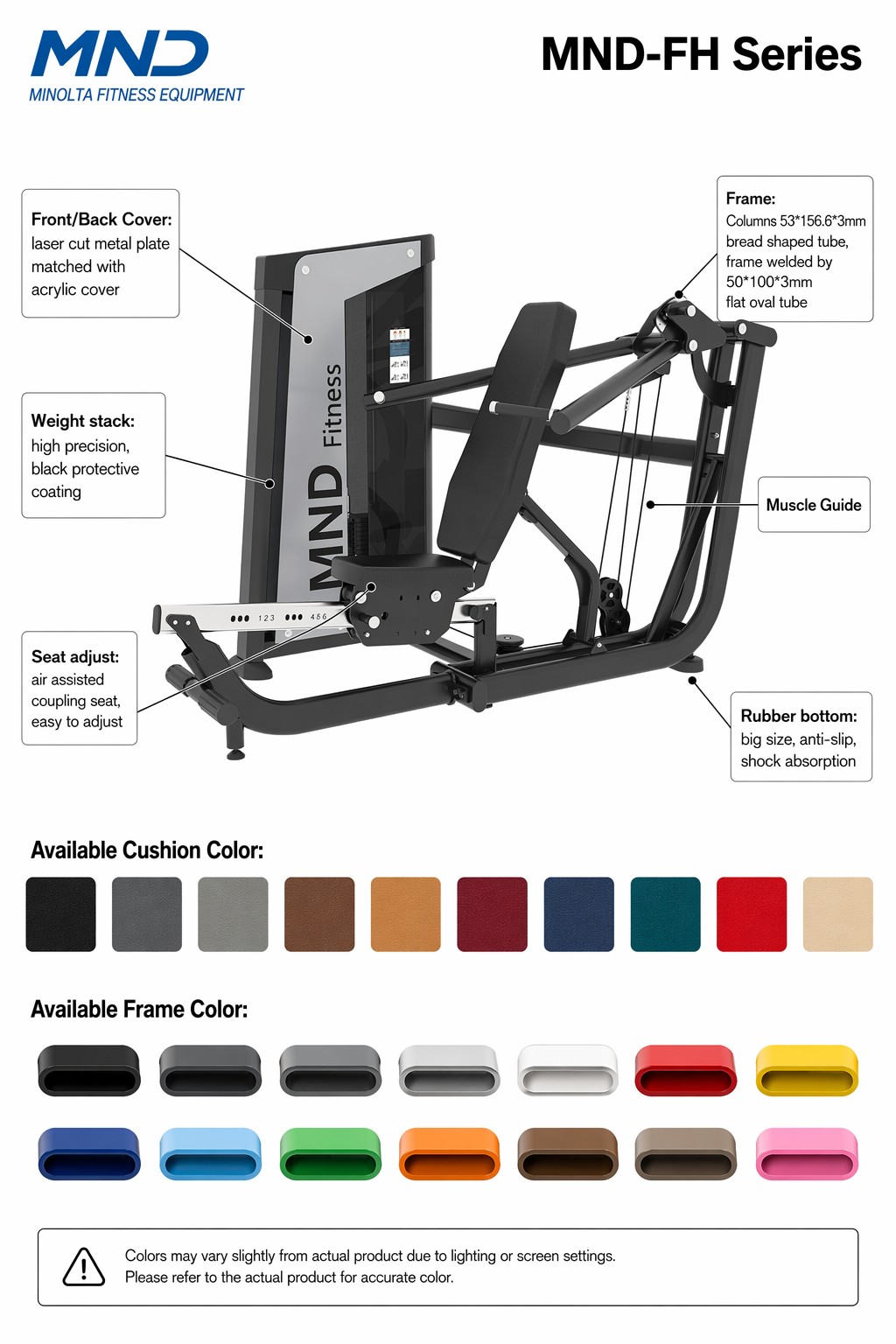
Manufacturing clusters such as Ningjin County in Shandong Province, China, have developed dense supply chains for fitness fabrication. Facilities like Shandong Minolta Fitness Equipment Co., Ltd. (MND Fitness) leverage this hardware infrastructure. Operating across a 120,000-square-meter facility with dedicated QC labs and automated production lines, MND Fitness produces broad cardio and strength lines—from their MND-D commercial cycles and MND-X series treadmills to heavy selectorized and plate-loaded frames (such as the MND-FS and MND-G lines). For international buyers shipping to Europe, South America, or Southeast Asia, sourcing cardio equipment from a manufacturer with mature fabrication scale helps ensure batch-to-batch consistency in laser tube cutting, surface phosphating, and powder-coat adhesion.
Common Procurement Mistakes to Avoid
Over our years reviewing commercial gym bids, several recurring missteps continue to cost operators money:
1. Buying external-power-dependent units for large open floors: Running 110V/220V power cords across a cardio floor requires trenches or rubber cable runners, creating trip hazards and limiting floor plan agility. Opt for self-generating systems that power their consoles and eddy-current brakes off the user's pedaling motion, keeping your floor layout modular.
2. Overlooking console standardization: If your treadmills use one logic board and display matrix while your cross-trainers use an entirely different supplier, your operations team has to double their inventory of spare cables, speed sensors, and overlays. Standardize UI layouts across your cardio fleet wherever possible.
3. Failing to budget for high-wear spare parts in the initial PO: When container orders ship internationally, shipping single replacement footpads or belt tensioners via air express later is uneconomical. Always bundle 3% to 5% of critical consumables—drive belts, axle bearings, foot pedals, and roller wheels—directly inside the initial container.
Frequently Asked Questions
What is the expected lifespan of a commercial elliptical in a high-traffic club?
In facilities operating 12 to 16 hours daily, a properly maintained institutional unit has a standard operational life of 5 to 7 years. Longevity depends directly on routine belt-tension checks, track cleaning, and bearing lubrication where non-sealed linkages are used.
Self-generating vs. plug-in: which resistance system is superior?
Self-generating systems (using an integrated alternator/brushless generator) are superior for most commercial gyms. They eliminate power cords, lower facility electricity usage, and have fewer external wiring harnesses that can be pinched during cleaning or maintenance.
How often do the primary drive belts require replacement?
Industrial Poly-V drive belts rarely snap outright; instead, they stretch or lose rib profile over time, resulting in slippage under high resistance loads. Inspect belt tension every 6 months. In heavy commercial usage, scheduled replacement every 24 to 36 months keeps resistance engagement crisp and quiet.
Next Steps for Facility Planners
Before issuing your next cardio RFP, request full engineering drawings showing chassis steel profiles, drive ratios, and bearing types. If you are balancing project budgets across broad equipment fit-outs—integrating cardio with dedicated plate-loaded or selectorized strength zones—contact the engineering team at MND Fitness to review frame options, layout spacing, and custom branding requirements.