


Understanding the Evolution of Commercial Gym Equipment
When outfitting a commercial facility, selecting the right Gym Equipment is rarely
just about picking a reputable brand; it is about balancing throughput, durability, and biomechanics. Every facility manager knows that the longevity
of an investment is tied to how well the machine handles high-volume usage, and the chest press remains the cornerstone of any strength
training zone. Whether you are operating a boutique studio or a large-scale international fitness center, the quality of your strength machines dictates the user experience
and, ultimately, the retention rates of your facility.
The Design Nuances of the Multi Chest Press
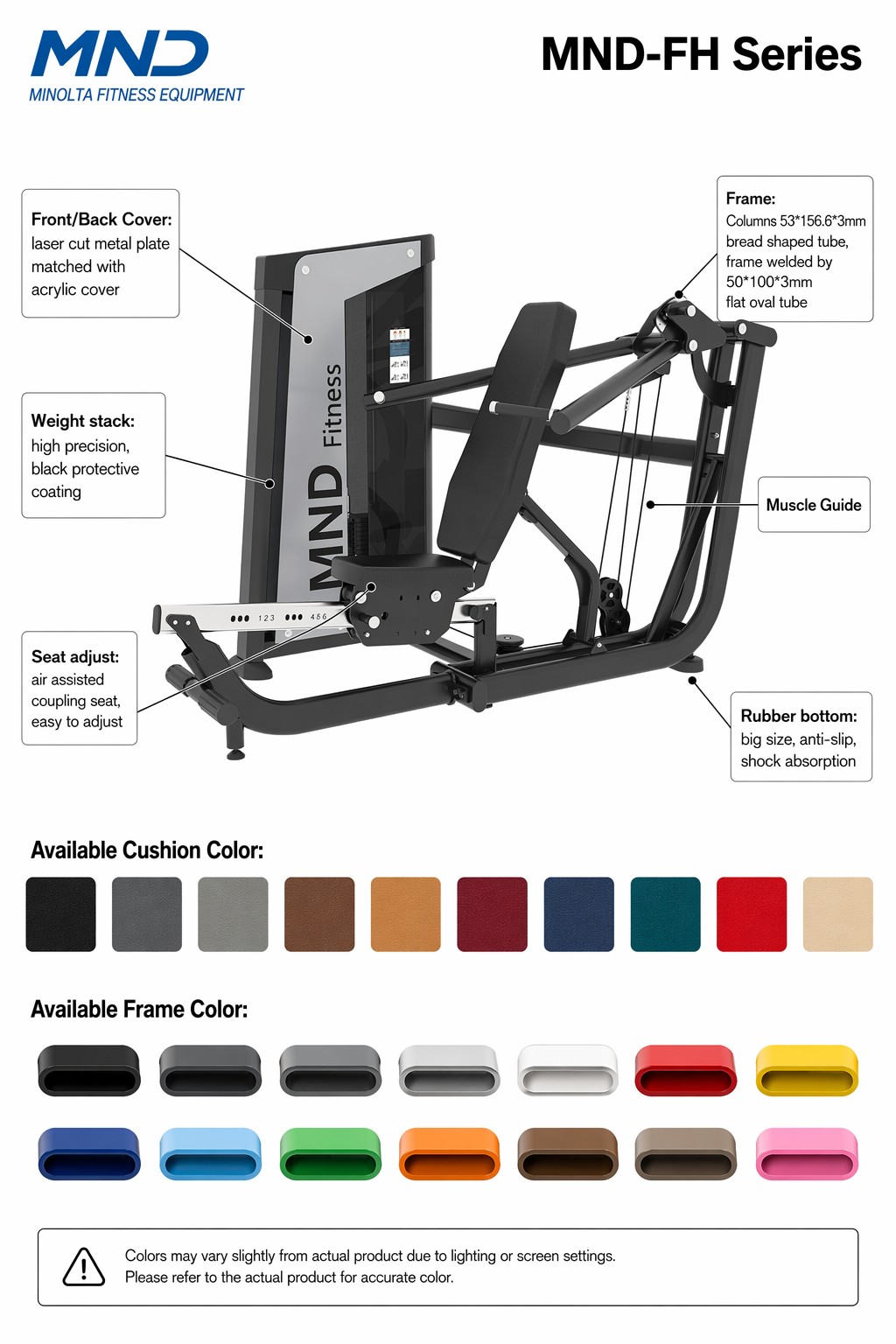
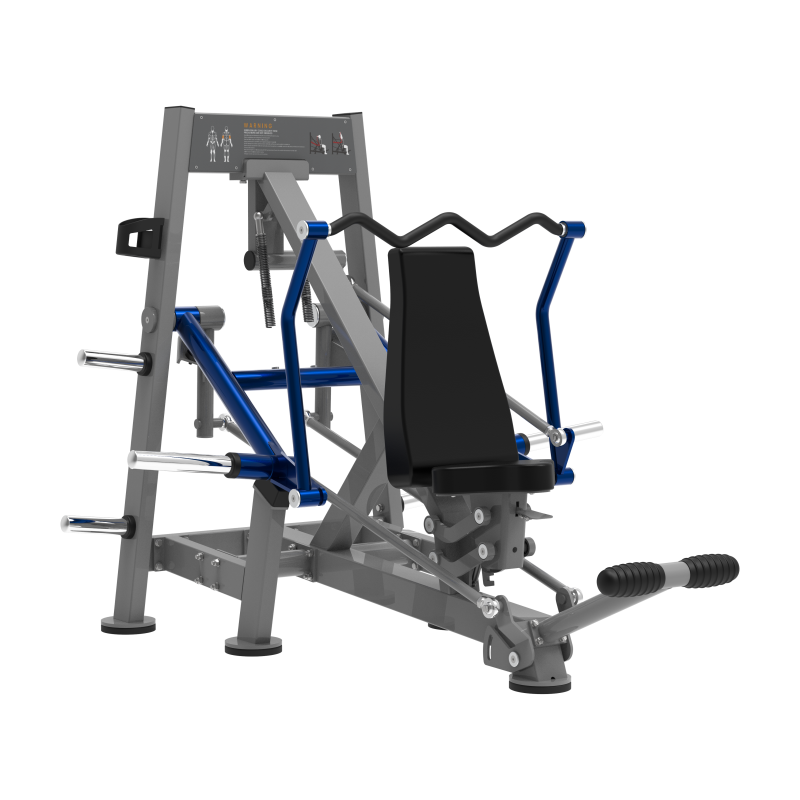
The multi chest press machine serves as a versatile anchor in modern facilities. Unlike legacy equipment that often forced
users into a fixed, potentially uncomfortable path, modern designs like those developed by Shandong Minolta Fitness Equipment Co., Ltd. prioritize ergonomic
alignment. A well-engineered chest press machine must account for varying user statures. If the handles are set too wide
or the seat height is non-adjustable, you run the risk of shoulder impingement or ineffective muscle recruitment.
When
evaluating a multi function chest press for your floor, look for independent arm motion. This allows for unilateral training, which is vital
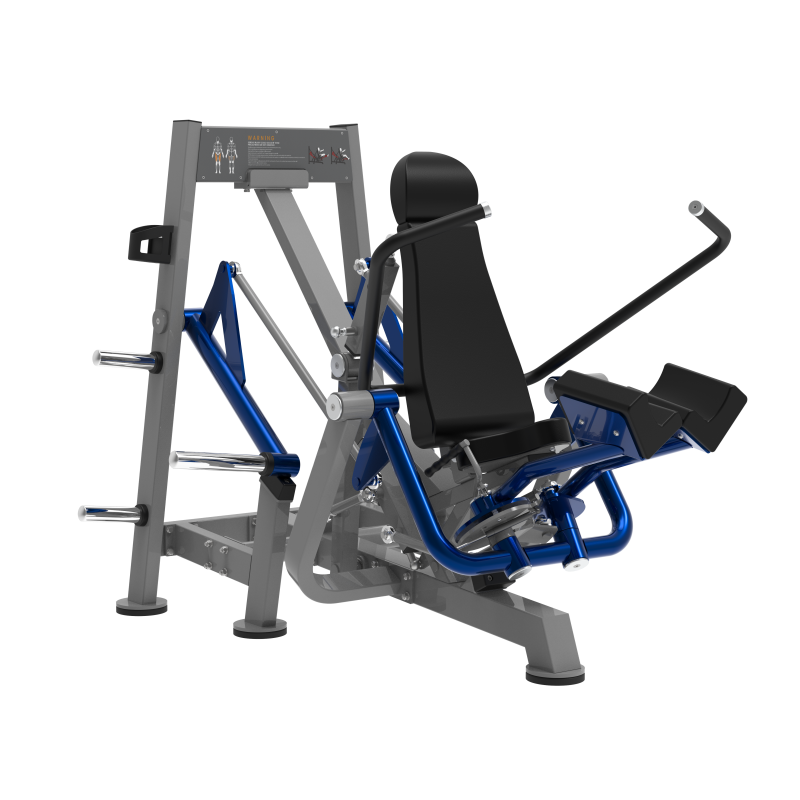
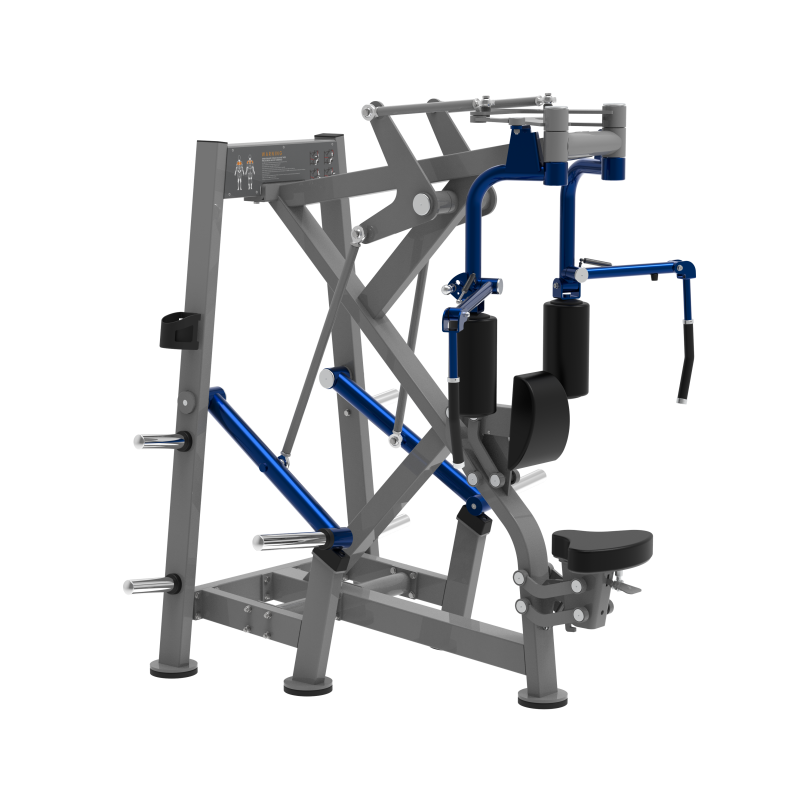
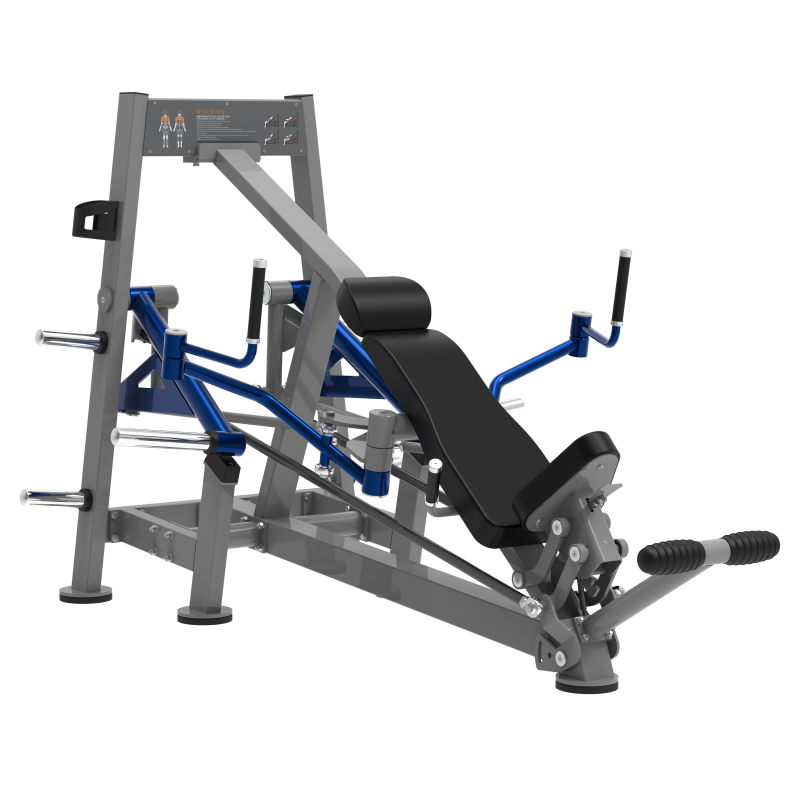
for correcting muscular imbalances. A plate loaded chest press offers a different dynamic than a selectorized chest press. While selectorized units
are generally faster to adjust for high-traffic gym environments, plate-loaded versions often provide a more natural, arc-like path
of motion that mimics free-weight pressing, which experienced lifters often prefer.
Evaluating Build Quality for High
-Traffic Environments
Manufacturing standards matter more than marketing copy when you are purchasing gear expected to last a decade.
At facilities like the 120,000-square-meter campus maintained by MND FITNESS, the emphasis
is placed on heavy-gauge steel tubing and high-quality welding. You should look for equipment with electrostatic powder-coated finishes
, which resist the corrosive effects of sweat and cleaning agents—a common failure point in poorly made chest strength machines.
Beyond
the metal, consider the upholstery and cable systems. High-density foam padding that holds its shape under pressure is a must. If the
padding bottoms out within the first six months, it’s a sign of cost-cutting that will reflect poorly on your
facility. Similarly, check the pivot points on any horizontal chest press. If the movement feels jerky or noisy, the bearings
are likely underspecified for a commercial environment.
Selection Criteria: Plate Loaded vs. Selectorized
Deciding between a selectorized chest press and a plate loaded chest press depends largely on the demographic of
your gym members. If your clientele consists mostly of casual gym-goers or time-pressed individuals who prefer quick transitions, the selectorized chest workout
machine is the clear winner. The efficiency of selecting a weight stack with a pin is unmatched for drop sets and circuit training.
Conversely, a dedicated pectoral machine or a more specialized weight training chest machine that uses plates is preferred by athletes or those
looking for greater structural load. It is common for high-end facilities to offer both. This dual approach accommodates the novice
who needs the safety of a guided path and the powerlifter who wants to stack plates for heavier resistance.
Common Mistakes in Gym Layouts
One frequent mistake is overcrowding. Placing an upper body press machine too close to a
cardio unit or a rack can create traffic jams, especially during peak hours. When planning your fitness center chest press zone, ensure there is a clearance
of at least three to four feet around the machine. This allows for safe entry and exit and gives gym staff space to perform
regular maintenance checks.
Another oversight is ignoring the adjustability of the seated chest press. If a user cannot find a neutral
wrist and shoulder position, they will simply avoid the machine, turning an expensive asset into a piece of decorative equipment. Always test
the seat adjustment range against the 5th percentile female and 95th percentile male standard to ensure your equipment is truly
inclusive.
Long-Term Maintenance and ROI
A machine is only as good as its
maintenance schedule. Even the most robust pectoral machine requires a regular check of cable tension, pulley alignment, and bolt tightness. When
you source from a manufacturer like MND FITNESS, ensure you have access to a clear parts catalog. There is nothing more frustrating than having an out
-of-commission machine sitting on your floor for weeks because a simple cable or specialized bolt cannot be sourced. Investing in brands
with established global distribution—MND has exported to over 100 countries—usually means you have a better chance of securing
these parts when the time comes.
Ultimately, your choice of chest equipment should be guided by your facility's operational
goals. Are you optimizing for user throughput, or are you trying to provide the best possible mechanical advantage for power training? By focusing
on the structural integrity of the frame, the smoothness of the motion, and the adjustability for various body types, you can curate
a strength zone that serves your members well for years to come.