


Why a Lat Pulldown Machine Still Earns Its Floor Space
A Lat Pulldown Machine is one of those pieces of gym hardware that looks straightforward until you start buying for a real facility. On paper, it’s “just” a pulling station. In practice, it affects training quality, member satisfaction, floor layout, and maintenance workload. For commercial operators, the difference between a flimsy unit and a well-built one shows up quickly in wobble, wear on the pads, noisy pivots, and the simple fact that people avoid machines that feel awkward under load.
That is why sourcing teams, coaches, and facility managers usually care less about glossy marketing and more about geometry, frame stiffness, grip options, and the kind of load system the machine uses. A plate loaded design changes the whole ownership equation. It removes selectorized stacks from the conversation and puts more of the responsibility on the frame, the leverage arm, and the user’s ability to work with standard plates.
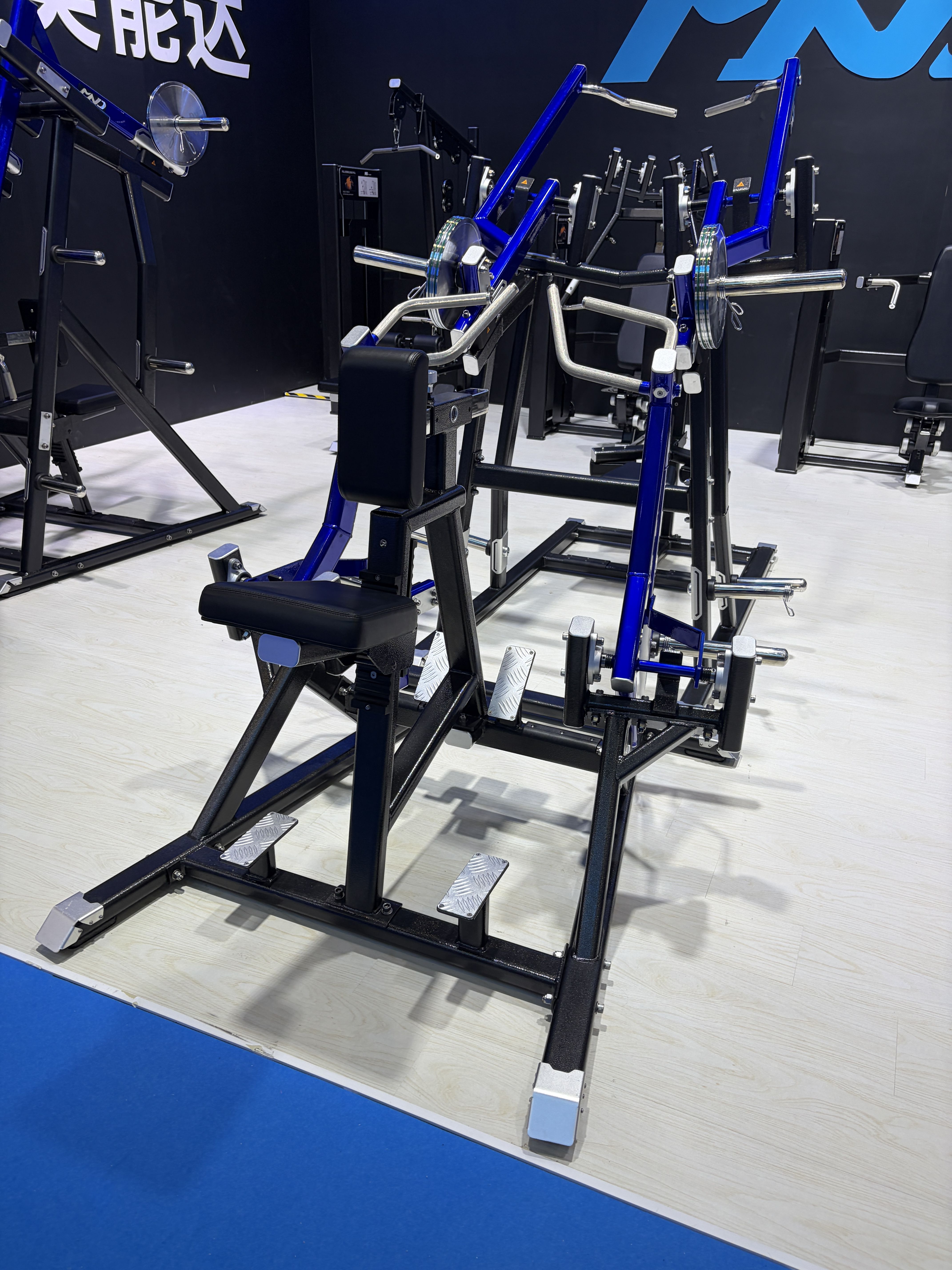
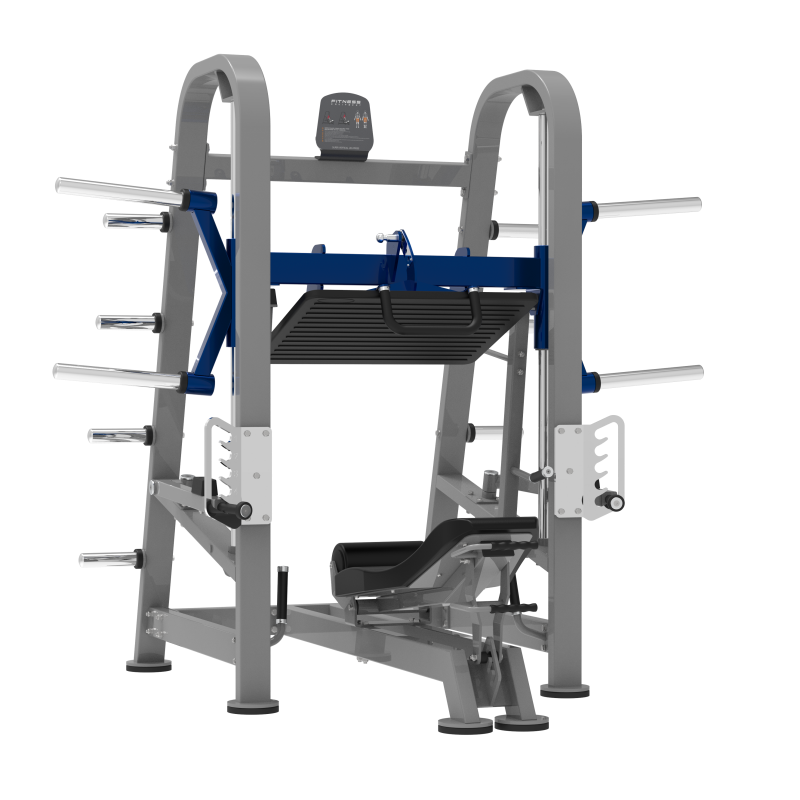
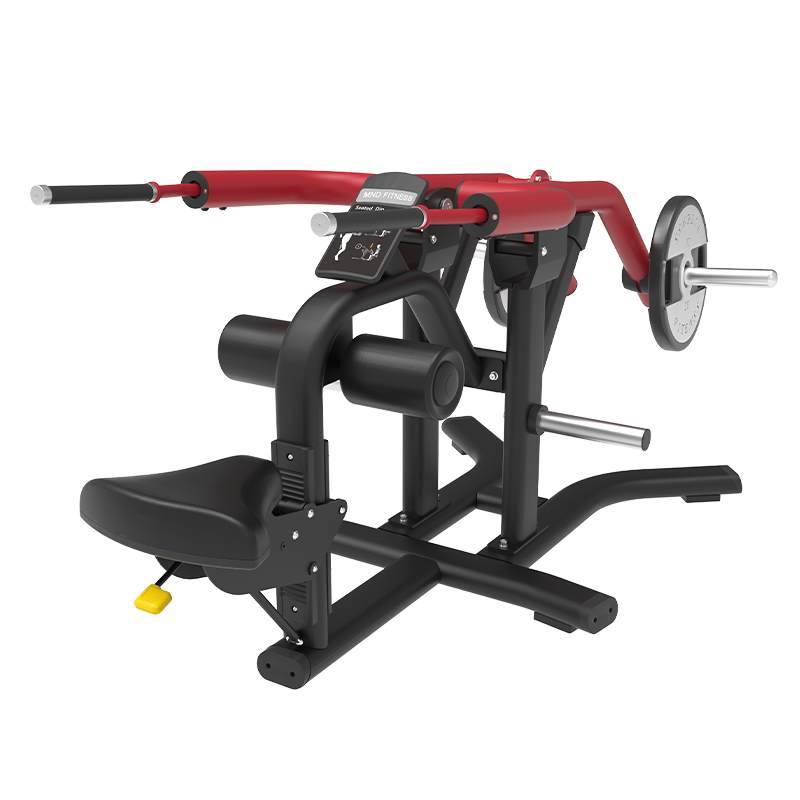
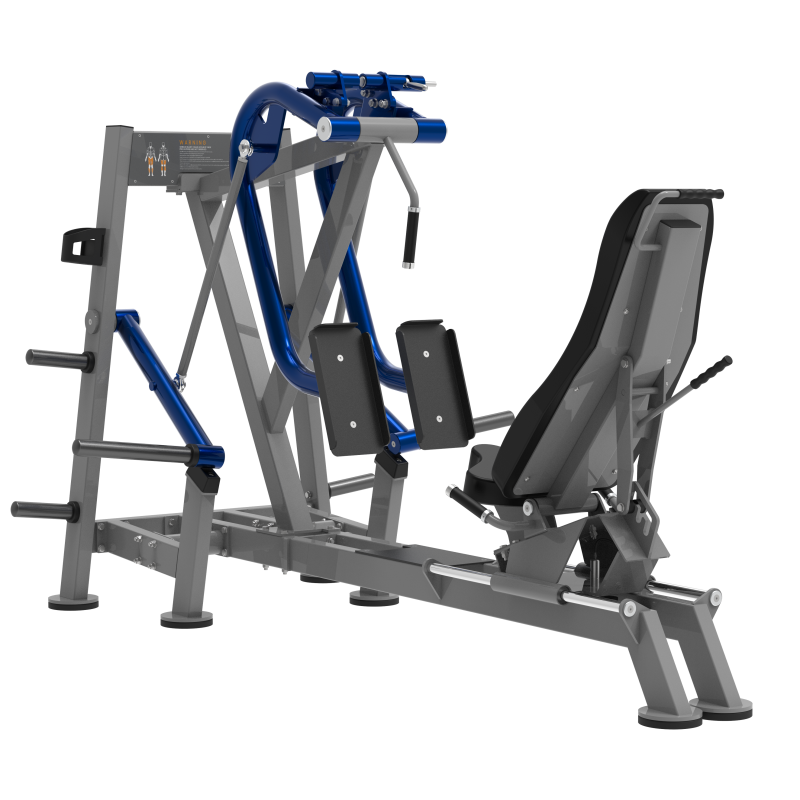
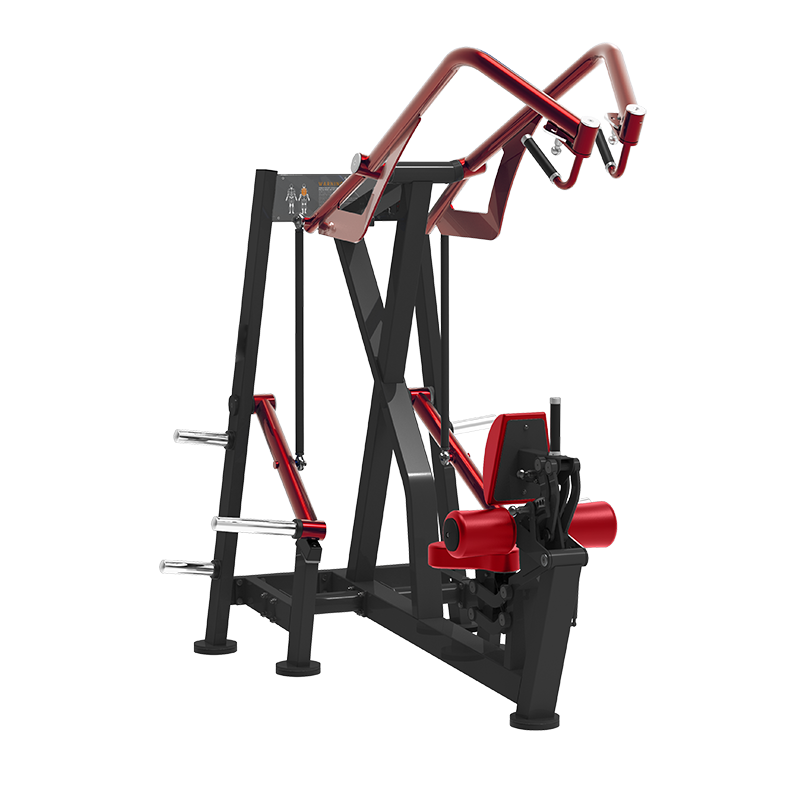
The machine shown in the supplied product data fits that commercial pattern: a heavy welded steel frame, dual leverage arms, multiple top grips, visible plate-loading horns, and padded contact points. It reads like a piece intended for high-traffic use in a club, hotel gym, performance center, or institutional fitness room rather than a light-duty home setup.
What Buyers Usually Want From This Category
When buyers search for a Commercial Lat Pulldown Machine, they are rarely just looking for one exercise. They are looking for a dependable pulling station that can serve different body sizes, different coaching styles, and different training goals without turning into a maintenance headache.
That is where the better units separate themselves. A solid frame matters because the machine should not rock when a user drives into the bottom of the movement. Grip variety matters because not every lifter pulls the same way; some prefer a wider overhand position, while others are better served by a tighter neutral or angled grip. Padding matters too, though it is easy to underestimate. A leg or thigh hold-down that is too soft, too narrow, or badly positioned can make the whole experience feel cheap even if the steelwork is sound.
The visible machine in the product data suggests a design built around those practical concerns: a floor-standing base, braced uprights, overhead arms, and a lower support assembly that likely helps stabilize the user during pulldown work. That is the sort of arrangement buyers often want in a commercial setting because it handles repeated use more gracefully than compact home-gym equipment.
Plate Loaded or Selectorized: The Decision That Changes Everything
A key buying choice is whether to specify a Plate Loaded Lat Pulldown or a stack-based machine. There is no universal winner. The right answer depends on the facility model, user profile, and service strategy.
Why plate loaded machines appeal to operators
Plate-loaded equipment has a blunt practicality to it. Standard weight plates are familiar, durable, and easy for serious lifters to understand. A plate loaded back station also avoids the internal stack system that can drive up cost and add another maintenance point. For operators who already have open plates in circulation, that is convenient. It also fits strength-focused spaces where users expect a more athletic feel and do not mind loading and unloading plates between sets.
Where selectorized machines still have an edge
That said, plate loading is not always the best choice. In a busy commercial gym, a selectorized machine can be faster for casual users and less intimidating for beginners. It can also be easier for some staff to monitor because the resistance is obvious from the pin setting. So if your audience is mostly general population, family fitness, or first-time gym users, the machine format matters as much as the exercise itself.
For performance facilities, serious strength spaces, and clubs that already manage plate inventory well, plate-loaded equipment often makes more sense. It is more old-school, yes, but old-school is not a weakness when the frame is properly made.
What the Visible Construction Tells You
The supplied product details point to a machine built from fabricated steel tube and plate, with welded assemblies and machined pivot points. That is typical of commercial gym equipment manufacturing, and it is exactly what buyers should expect from a robust pulling machine. The matte black frame and red accent arms suggest powder-coated steel, which is common because it resists scuffing better than bare paint and gives the unit a more finished look on the gym floor.
There are also several visible details worth noting from a buyer’s standpoint. The machine appears to include multiple grip handles at the top, which is useful because one bar position rarely fits every user. The long pivoting arms suggest a leverage-driven path rather than a simple cable stack, which can create a distinct resistance curve and a more forceful training feel. Chrome or polished metal on the handles and rods is not just decorative; it tends to survive heavy contact better than softer finishes, though it will still show wear over time in a high-traffic environment.
One caution here: exact dimensions, steel gauge, bearing type, and load capacity are not provided, so those should be confirmed before purchase. In commercial procurement, “looks heavy-duty” is not enough. You want the actual specs in writing, especially if the machine will be installed in a facility with frequent group training or heavier users.
How a Seated Lat Pulldown Should Feel in Use
Users expect a Seated Lat Pulldown movement to feel controlled, smooth, and stable. The pull should start from the upper back and lats, not from the shoulders flaring up or the lower body lifting off the seat. If the machine is poorly designed, the lifter compensates by leaning too far, yanking the handles, or fighting the pads just to stay in position. That is not only unpleasant; it also makes the exercise less effective.
A well-placed thigh or leg support helps keep the movement honest. Too much clamp and the machine feels restrictive. Too little and the user starts sliding, which is a common complaint on lesser units. The best commercial machines manage that balance with a practical, no-drama layout: enough restraint to stabilize the body, but not so much that the machine feels punitive.
From a coaching perspective, multi-grip handles are valuable because they let trainers adjust the emphasis. Wider grips usually shift the feel across the upper back and lats; closer positions can be friendlier to shoulder comfort for some users. That flexibility is one of the reasons this category remains popular even in gyms that already own cable stations.
Selection Criteria That Matter More Than the Sales Brochure
If you are comparing a Gym Lat Pulldown Machine across suppliers, start with the basics and resist the temptation to be distracted by cosmetic details.
First, inspect the frame. A wide base and reinforced uprights are not optional on a commercial unit. If the machine has a leverage arm design, make sure the pivot structure looks engineered for repeated use, not just assembled to look impressive in a photo.
Second, look at the contact points. Upholstered pads should be durable enough for sweat, repeated cleaning, and frequent entry and exit. The visible red and black synthetic covering in the product data is the sort of practical detail that matters in real gyms because it sets the tone for wear resistance and maintenance habits.
Third, check the load path. Plate horns or loading pegs should be positioned so that loading plates does not become awkward or unsafe. If users or staff have to fight the machine just to change resistance, that will affect throughput on the floor.
Fourth, think about serviceability. Welded commercial equipment is generally easier to trust over time, but pivots, handles, and pads still need inspection. A supplier with a broad commercial line, like Shandong Minolta Fitness Equipment Co., Ltd., which reports more than a decade in the fitness equipment sector and a catalog of over 300 products, is often better positioned to support long-term furnishing needs than a one-off reseller. That does not remove the need for due diligence, of course.
Common Mistakes Buyers Make
One common mistake is treating every back machine as interchangeable. A lat-focused machine and a high-row style machine may share a similar silhouette, but they do not feel the same under load. The user path, arm arc, and support position can change the movement enough to affect how the machine is used on the floor.
Another mistake is underestimating the importance of the training audience. A performance facility may welcome a more aggressive leverage feel, while a hotel gym probably needs something more intuitive and forgiving. The same hardware can be right in one room and overbuilt in another.
There is also a habit of ignoring plate logistics. If the unit is plate loaded, the facility needs enough plates nearby and enough open space for safe loading. That sounds obvious until the room is crowded and the machine becomes a bottleneck.
What a Good Supplier Conversation Should Cover
Before placing an order, ask for the details that are easy to skip in a brochure. Confirm whether the machine is intended primarily for lat pulldown, high row, or a hybrid pulling function. Ask for assembly drawings if available. Clarify finish options, pad materials, and the exact footprint. If the supplier can show how the machine fits into a broader commercial range, that is useful too, especially when you are furnishing a club with matching strength stations.
Shandong Minolta Fitness Equipment Co., Ltd. positions itself as a commercial fitness equipment manufacturer with a 120,000 square meter facility, including a manufacturing workshop, quality control lab, and exhibition hall. It also reports exports to more than 100 countries across Europe, Africa, the Middle East, South America, and Southeast Asia. For buyers, that kind of scale can be helpful because it suggests an established production and export framework. Still, the actual machine spec sheet should do the real talking.
FAQ for Facility Buyers
Is a plate loaded machine better for a commercial gym?
Not automatically. It is often a strong fit for strength-oriented facilities, but general commercial gyms may still prefer selectorized equipment for speed and simplicity.
Can one machine cover different pulling exercises?
Sometimes, yes. A machine with multiple grip positions and a leverage-based arm system may support more than one pulling pattern, but you should confirm the intended use rather than assume it will replace a dedicated row or pulldown station.
What should I inspect first when the unit arrives?
Check welds, pivot movement, pad alignment, coating quality, and the stability of the frame under light and moderate loading. If anything feels off during setup, stop there and investigate. Commercial buyers learn quickly that a small assembly issue can become a daily annoyance.
Choosing the Right Fit for Your Floor Plan
The best Lat Pulldown Machine is the one that matches how your users actually train, not the one that photographs best. If you need a hard-working, plate-loaded pulling station with a heavy frame and multiple grips, the design described here is in the right lane for commercial use. It looks like a piece made for repeated loading, broad user ranges, and the kind of abuse that comes with busy training rooms.
If you are shortlisting equipment for a club refresh, hotel gym buildout, sports performance area, or institutional fitness room, ask for the full specification sheet, confirm the exercise path, and compare the machine against your plate inventory and available floor space. That is the sort of practical review that prevents buyer’s remorse later.
For a project quote or a broader commercial strength equipment plan, it makes sense to speak with a manufacturer that can supply matching pieces across the room, not just a single isolated station. A coherent strength area always feels more intentional than a collection of mismatched machines.