


When a seated dip machine is the right conversation to have
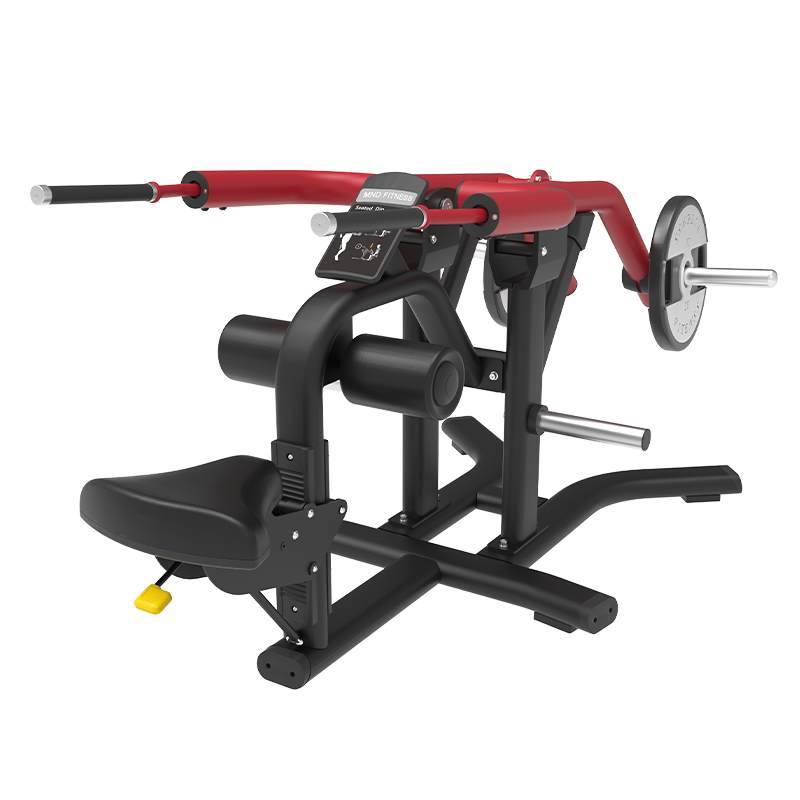
Buyers often search for a seated dip because they want one thing: a machine that lets users train triceps with more control than freeweight dip bars usually allow. In practice, that phrase can point to different pieces of equipment, including a seated dip machine, a tricep dip machine, or even a lever-style station that changes the feel of the movement. That matters more than it sounds. If you are sourcing for a commercial gym, a hotel fitness room, or a training studio, the wrong machine can create confusion on the floor, underuse in peak hours, or complaints from members who expected one motion and got another.
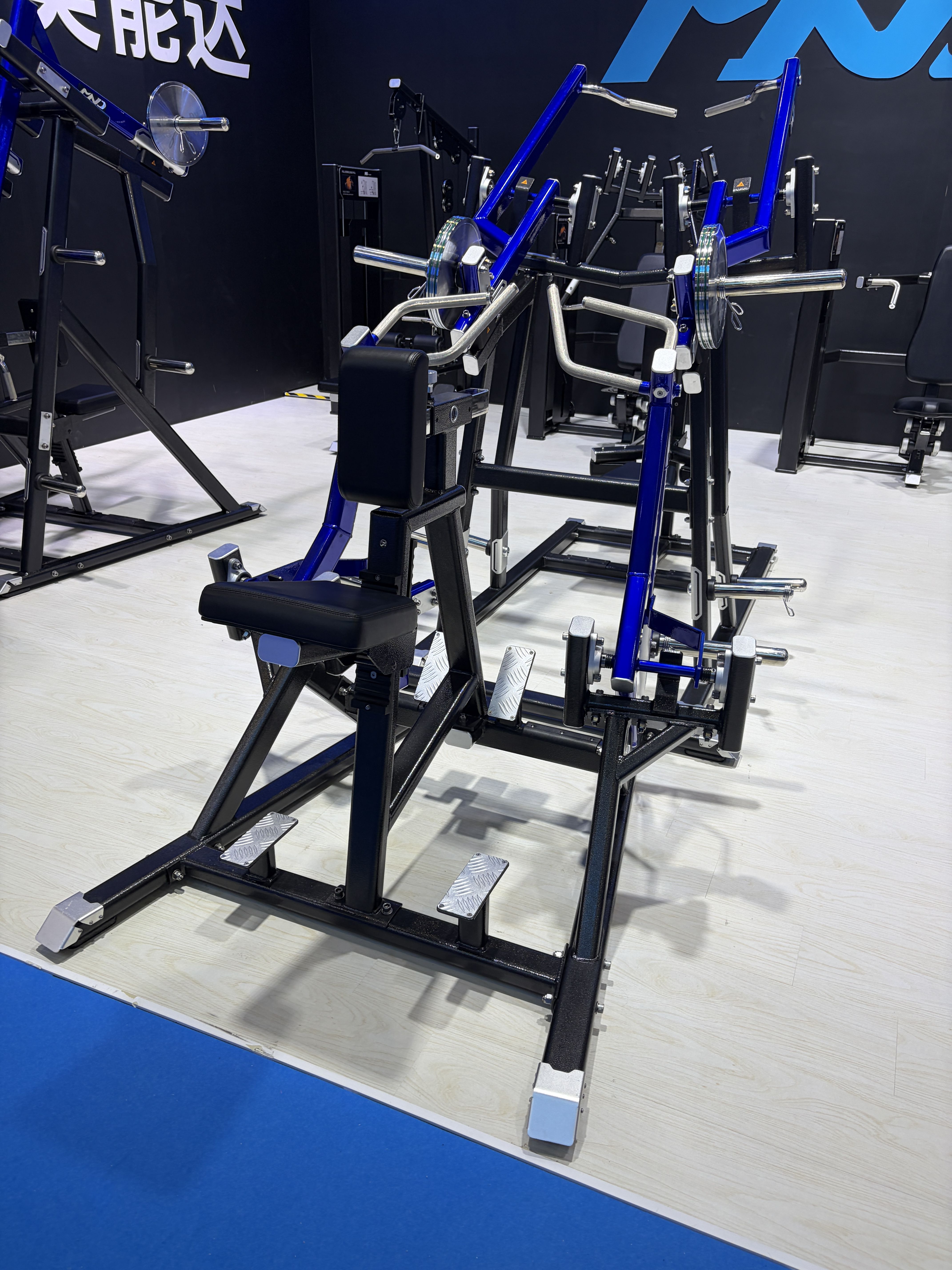
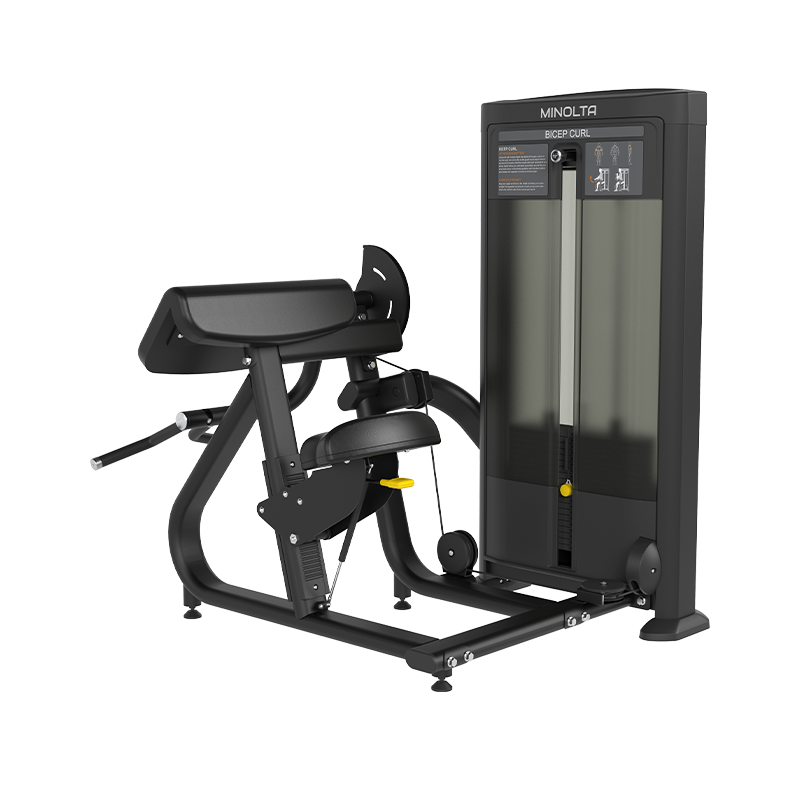
There is also a second layer here that sourcing teams should not ignore: some machines that are casually described as seated dip equipment are built for pulling or rowing patterns rather than pressing. The product information available for this unit, for example, points to a plate-loaded strength machine with a chest pad, a seated position, and lever arms that look more consistent with controlled back training than with a seated triceps dip. That does not make it a bad product. It just means the buyer has to verify the actual movement pattern before writing a purchase order, especially if the club is building a balanced strength zone.
Quick takeaway for buyers
If your goal is triceps isolation, confirm that the machine is truly a seated triceps dip or seated dips station. If your goal is guided upper-body training with a stable torso position, a plate-loaded lever machine with chest support may be the better fit. The visual details matter: seat height, pad placement, handle orientation, and the arc of motion will tell you far more than a product title pulled from a catalog draft.
For commercial buyers, that small distinction affects programming, member experience, maintenance expectations, and how easily the unit fits into an existing strength lineup. In a busy gym, a machine that “sort of” works for a movement usually becomes the machine nobody loves.
Why seated pressing and dipping patterns keep showing up in commercial gyms
There is a reason machines in this family remain popular. They reduce balance demands, keep the torso in a predictable position, and give newer users a path into upper-body training without the coordination required by free dips. For some trainees, that is exactly what keeps them consistent. A seated dip workout, when the machine is correctly designed for it, can be easier to teach than parallel-bar dips and less intimidating than bench-based accessory work.
From a facility manager’s perspective, guided machines also help standardize training. Users can select a load, sit down, and repeat the same motion with a low learning curve. That predictability is useful in hotel gyms, corporate fitness rooms, and smaller training studios where staff cannot supervise every set. The trade-off, of course, is that machines are only as useful as their geometry. If the path of motion is awkward, the machine becomes a loud piece of steel with little daily value.
What the available product details suggest
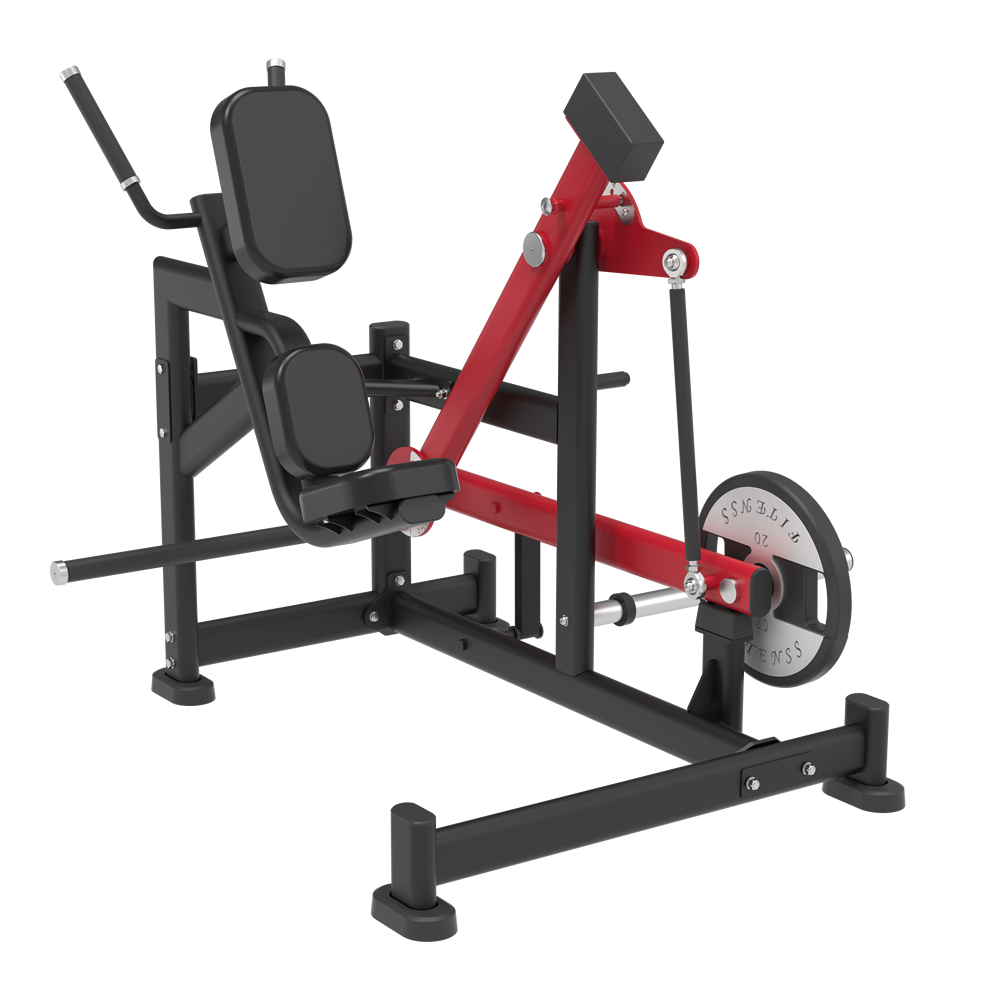
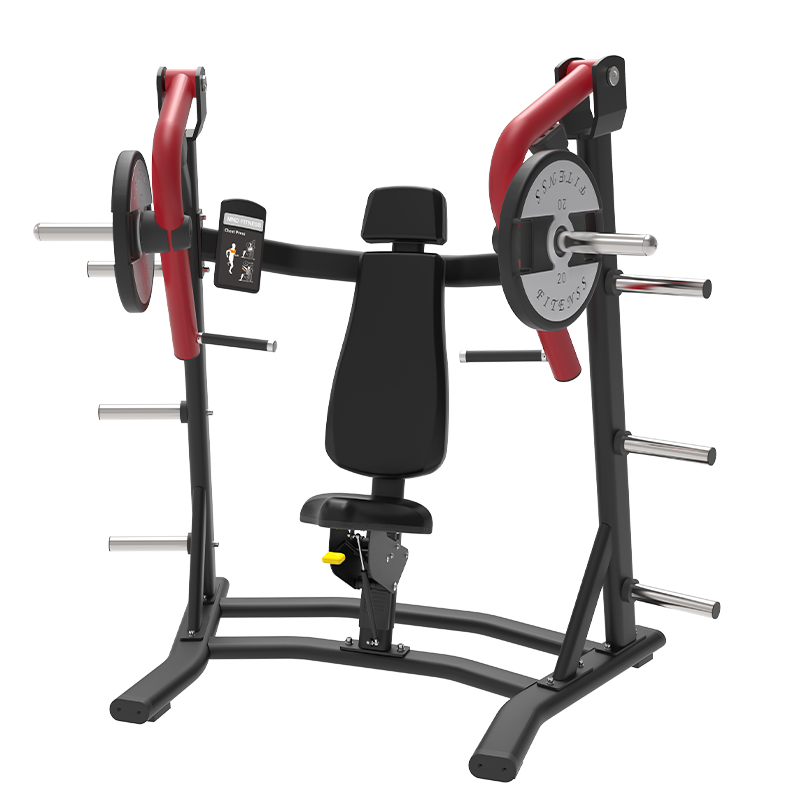
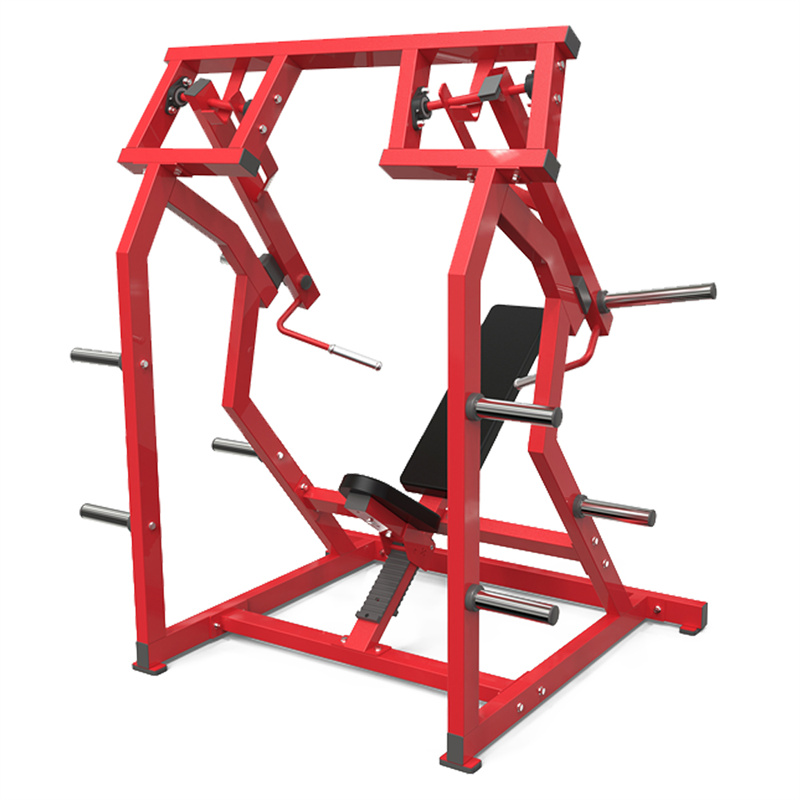
The unit described in the product information is a plate-loaded strength machine with a heavy-duty steel frame, black powder-coated base and supports, red upper lever arms, a black seat pad, a chest or torso support pad, and chrome handle or peg components. A round plate-loading horn is visible on one side, which means the resistance comes from standard weight plates rather than a stack. That is often attractive to facilities that already manage plate inventory and want fewer moving parts inside the frame.
The seated design and front support pad are useful clues. They suggest a guided lever motion with torso stabilization, which can improve user comfort and reduce swaying during exertion. That setup is common in commercial gym equipment fabrication because it balances durability with a clear movement path. The compact footprint also matters. In rooms where floor space is tight, a plate-loaded machine that does not require the vertical space of a stack tower can be easier to place.
One caution: the available details do not confirm the exact exercise name. A product can be described one way in a catalog and used another way on the floor. For a sourcing manager, that is not a footnote. It is the difference between ordering a back-training station and expecting a triceps-focused machine.
How to evaluate a seated dip machine versus a machine for pulling movements
Motion first, branding second
The first thing to examine is the direction of force. A true seated dip or seated triceps dip usually pushes downward or forward through an arm path that feels like a controlled press. A row-oriented unit pulls the handles back toward the torso and often includes a chest pad to keep the user anchored. If the handles sit at shoulder height and the lever arms pivot in a rearward pulling arc, that is a strong signal the machine belongs in the back-training category, not the dip category.
Pad placement tells the story
Chest support pads and torso pads are not decorative. They tell you how the machine is intended to stabilize the lifter. For seated dips, the torso is usually set up to allow pressing mechanics and elbow extension. For row machines, the chest pad helps isolate the back by limiting momentum. Buyers should not treat upholstery as a minor detail. On commercial gym equipment, pad placement often defines the entire user experience.
Plate-loaded versus selectorized
Plate-loaded units are straightforward, durable, and familiar to strength-minded users. They also give operators flexibility if the gym already carries enough plates. Selectorized machines are usually faster to change during busy hours, but they add stack components and can increase cost or maintenance exposure. Neither choice is universally better. The right answer depends on traffic, user type, and the rest of the floor plan.
Where plate-loaded machines fit best
The strongest case for a plate-loaded lever machine is in facilities that want commercial feel without unnecessary complexity. Strength clubs, college training rooms, and serious hotel gyms often prefer machines that look and train like real equipment, not lightweight home-gym hybrids. The heavy-duty steel frame and powder-coated finish described for this unit are in line with that expectation, though buyers should still ask for full technical documentation before committing.
Shandong Minolta Fitness Equipment Co., Ltd. says it has more than a decade of experience, a 120,000 square meter facility, and a portfolio of over 300 exercise equipment types across cardio and strength categories. It also notes exports to more than 100 countries. Those are useful indicators of scale and manufacturing breadth, especially for buyers comparing suppliers across regions. Still, broad capability is not a substitute for model-specific review. A large factory can produce many machine families; the question is whether the exact unit in front of you matches the training intent.
Common buyer mistakes with seated dip and similar machines
The most common mistake is assuming the product title is precise enough. It often is not. A machine described as a seated dip may actually be a lever row, a dip-assist station, or a triceps press variant. The second mistake is ignoring user setup. If the seat is too low, the pads are awkward, or the handles are poorly placed, members will compensate with bad posture. That leads to uncomfortable training and, sometimes, a machine that gets skipped after the first week.
Another practical issue is floor planning. A compact footprint sounds good on paper, but if the loading side or handle sweep needs extra clearance, the unit may interfere with adjacent stations. This is especially relevant in boutique studios where each square meter must earn its keep. Finally, do not assume that a machine with visible chrome handles and a polished frame is automatically more usable. Aesthetic quality and training quality are related, but they are not the same thing.
What to ask before you place an order
Request clear confirmation of the exercise pattern, the intended muscle group, and whether the machine is one-arm or two-arm use. Ask for dimensional drawings, loading details, and the full range of adjustability if any is offered. For a seated dip machine, ask how the movement arc supports elbow extension and whether the shoulder position suits a broad user range. If the unit is actually a pulling machine, ask how the chest pad, grips, and lever path support back training instead.
Also ask about upholstery replacement, finish options, and the standard of weld and frame fabrication. Those details affect lifecycle cost more than many buyers expect. A machine can look sturdy in photos and still become irritating to service if the padding wears too quickly or the contact points are hard to access.
Practical programming notes for operators
If the machine is truly a seated triceps dip or seated dip workout station, it will usually fit into arm days, push sessions, or accessory strength circuits. It is best used where users can focus on controlled elbow extension without bouncing or turning the movement into a shoulder exercise. If the machine is instead a chest-supported row, its place is in back training, posture-focused work, or hypertrophy blocks where strict pulling matters.
That distinction matters for gym signage too. Mislabeling equipment on the floor can frustrate members and create avoidable support questions. A small placard with the intended movement and simple setup cues can reduce misuse more effectively than a long explanation from staff.
A sensible next step for sourcing teams
Before buying any seated dip unit, verify the actual movement path and compare it with the training outcome you want to deliver. If your facility needs triceps-focused pressing, do not settle for a machine that merely sits the user down and adds a lever arm. If your real need is a stable upper-back station, a plate-loaded chest-supported row may be the stronger investment even if a catalog description sounds close enough.
For commercial buyers working with established manufacturers like Minolta, the best approach is simple: ask for the exact model sheet, confirm the exercise function, and check whether the machine matches the programming on your floor. That extra step is not bureaucracy. It is the difference between a machine that earns daily use and one that becomes an expensive misunderstanding.