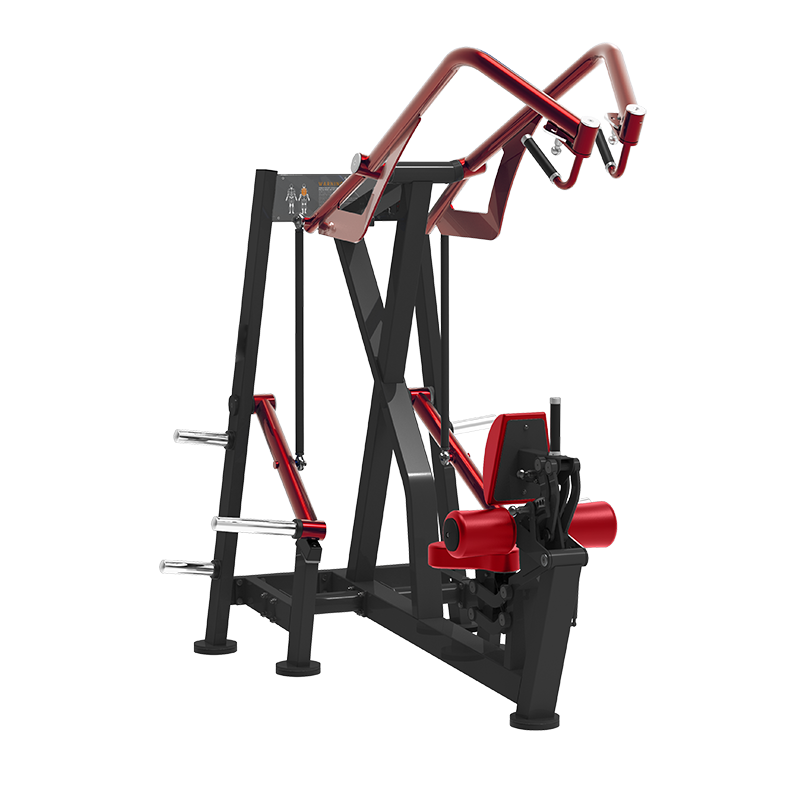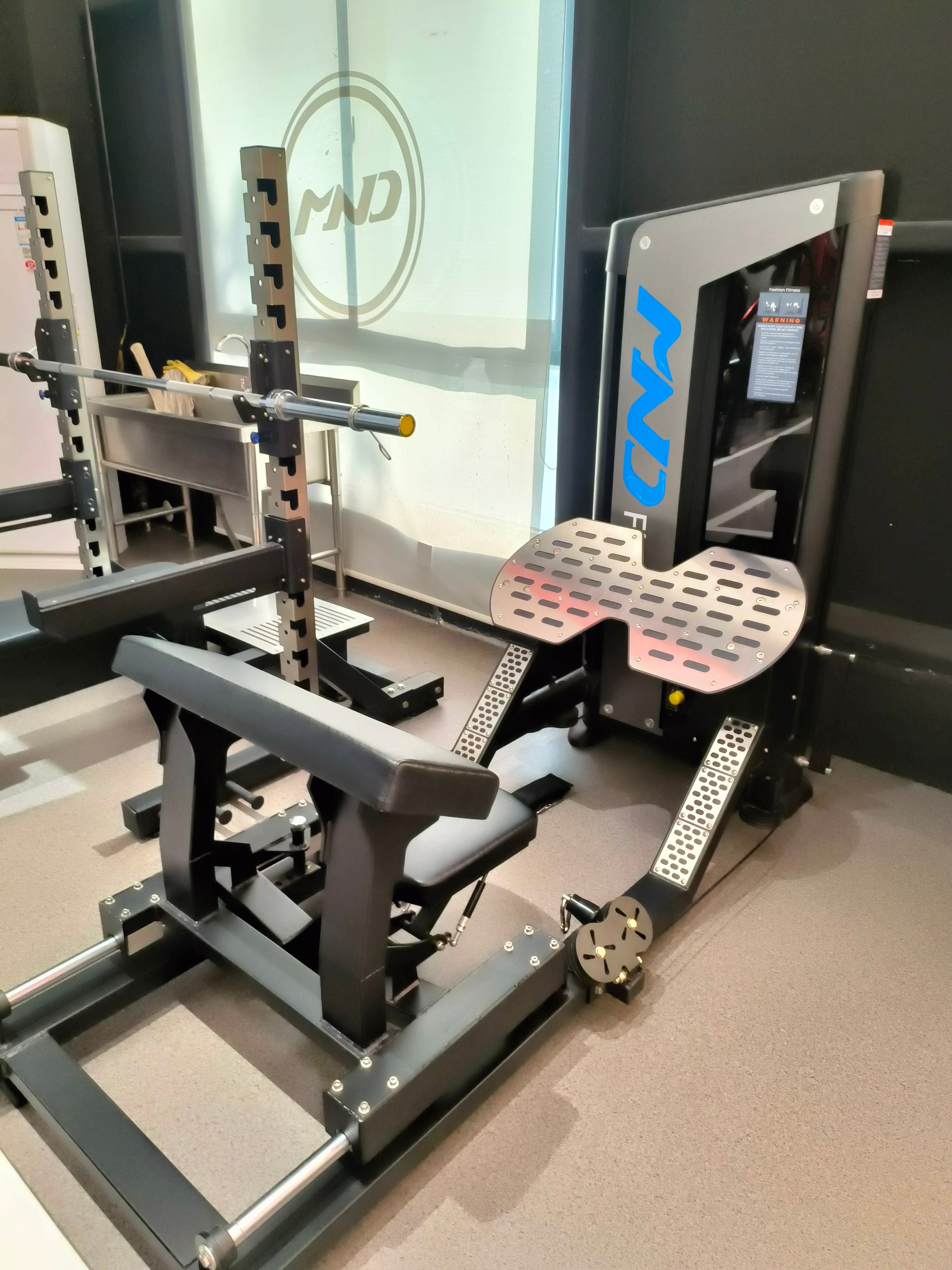



Why a super leg press still matters in a crowded strength floor
A super leg press is one of those pieces of equipment that can quietly shape the performance and reputation of a gym. For operators, it solves a practical problem: how to give users a heavy lower-body training option without asking them to balance a barbell under fatigue. For buyers, the decision is less about novelty and more about capacity, durability, footprint, and how the machine fits into the rest of the strength lineup. That is why the conversation around a leg press machine is still relevant, even in gyms that already have squat racks, hack squats, and cable stations.
The appeal is straightforward. A well-chosen leg press equipment lets beginners build confidence, gives intermediate users a way to load the legs with less technical risk, and offers experienced lifters a controlled way to push volume. But not all commercial leg press machines behave the same way. Plate-loaded models, selectorized variants, angled sleds, and larger “super” formats all create different training experiences and different maintenance demands. If you are sourcing for a club, hotel gym, training studio, or school facility, those details matter more than the marketing name on the shroud.
What buyers usually mean by “super”
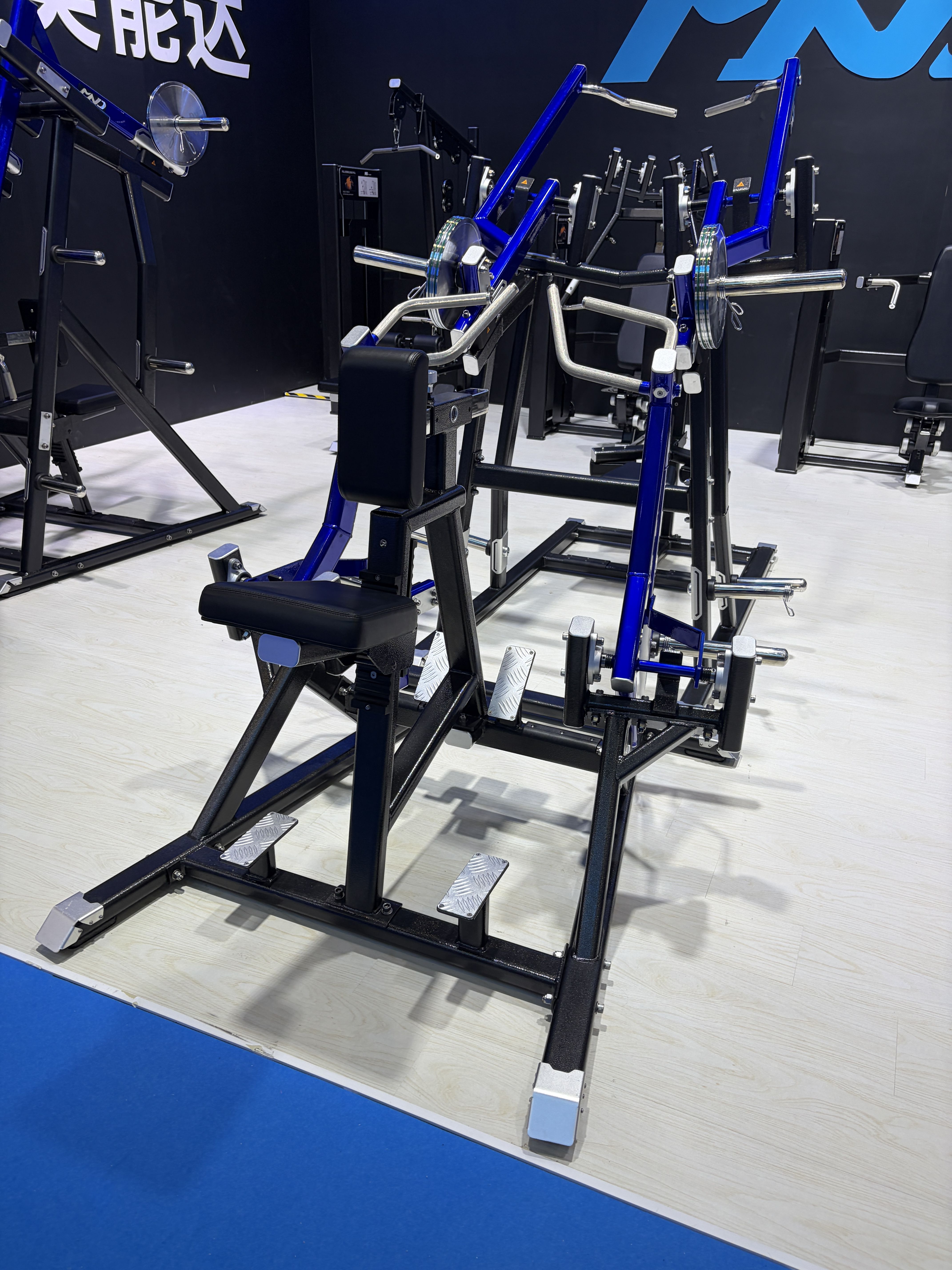
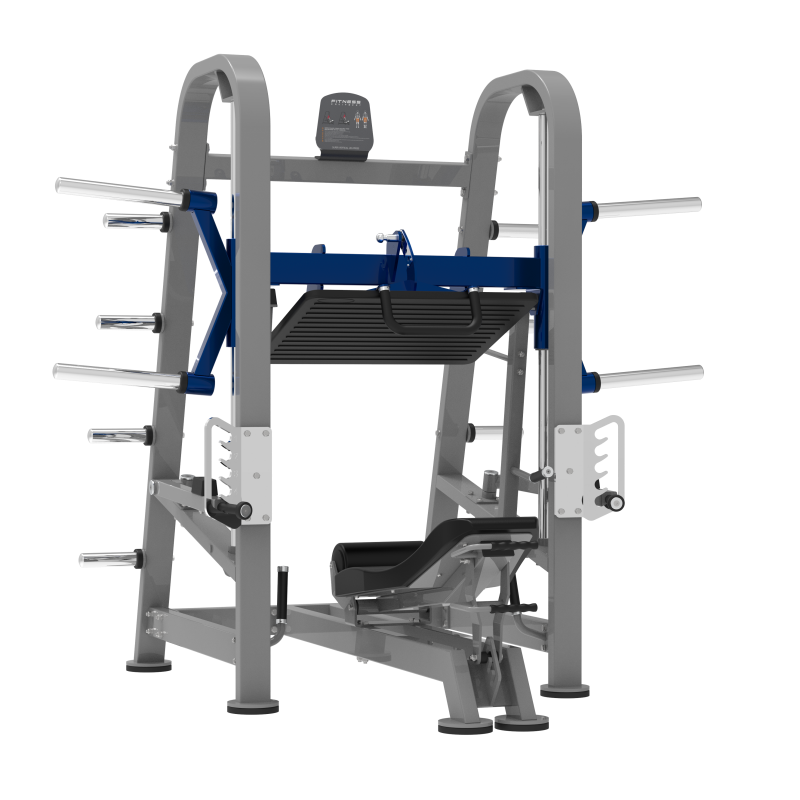
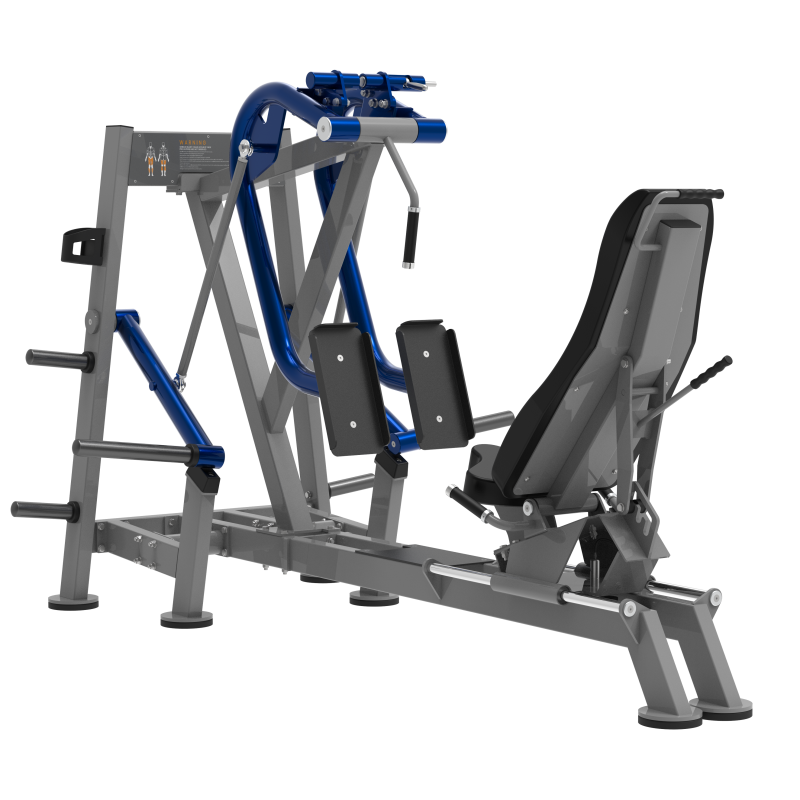
In the marketplace, “super leg press” is often used to describe a larger, heavier-duty, and more imposing version of a standard gym leg press. The term may refer to a wide-foot platform, a bigger sled path, extra loading capacity, or a design intended to feel more substantial under commercial use. The exact geometry varies by manufacturer, so the label alone should not drive the purchase. A buyer should look at the machine’s footprint, user entry angle, back support, carriage travel, and how easy it is to service wear parts over time.
This is especially important for facilities that expect mixed traffic. A machine that feels smooth for a 90-kilogram user may still be awkward for taller athletes or uncomfortable for smaller users if the start position is poorly designed. A super leg press should do more than look serious on the floor. It should accommodate real users across a real commercial day.
Commercial floor planning: what the machine needs around it
One common mistake is treating the leg press equipment as if it were a simple footprint measurement. In practice, the machine needs approach space, loading space, and enough clearance for users to enter and exit safely. Facilities sometimes place a commercial leg press too close to dumbbell storage or adjacent stations, and then wonder why traffic jams form during peak hours. That problem is avoidable if the floor plan is reviewed before the order is placed.
Buyers should also think about loading behavior. Plate-loaded units require accessible storage and enough room for plate handling. If the machine is intended for a high-volume gym, the practicality of loading and unloading can be as important as resistance capacity. A machine that seems excellent on paper may slow down the training floor if it is awkward to use between sets.
Structural features that separate a useful machine from a decorative one
For any commercial leg press, the basic questions are about frame strength, weld quality, motion consistency, and upholstery durability. The frame should resist wobble under repeated loading, and the carriage should move in a controlled path without rough spots. A machine that feels smooth when empty but binds under load is not a good purchase, no matter how good the powder coat looks on day one.
Seat and back pad design deserve more attention than they usually get. The user needs enough support to brace the pelvis and lower back, but not so much bulk that setup becomes awkward. Footplate size and angle also influence performance. Larger users tend to value a broad platform, while smaller users need a setup that does not force excessive hip flexion or poor knee alignment. A buyer should test these points with real staff, not only with sales samples.
There is also a practical maintenance question. In a busy gym, bearings, guide paths, hardware, and upholstery all age differently. Commercial leg press machines that are easy to inspect and adjust are usually better long-term purchases than machines that require awkward disassembly for routine service.
Where a super leg press fits in the strength lineup
Not every facility needs the biggest possible machine, but many gyms benefit from having one prominent lower-body press station. A super leg press can complement squat racks rather than compete with them. It gives users an alternative when the racks are occupied, and it supports training populations that want hard leg work without barbell balance demands.
In a commercial gym, that versatility can be valuable. New members often prefer guided movement patterns. Experienced lifters may use the machine for higher-rep accessory work. Rehabilitation-minded users may prefer controlled, repeatable motion, although any medical or rehab use should always follow professional guidance. The point is not that a gym leg press replaces free weights. It simply fills a different training and operational slot.
What to ask a manufacturer before you buy
When evaluating a supplier, ask questions that reveal how the machine is built and supported, not just how it looks in a catalog. What is the frame construction like? How is the motion path engineered? Are replacement parts available? How is quality checked before shipment? These are ordinary questions, but they prevent expensive surprises later.
For example, Shandong Minolta Fitness Equipment Co., Ltd. operates from Ningjin, a region known for hardware manufacturing strength, and the company states that its facility covers 120,000 square meters with a manufacturing workshop, quality control lab, and exhibition hall. Minolta also says it offers more than 300 types of exercise equipment across strength and cardio categories, and that it has exported to more than 100 countries. Those are useful signals for buyers because they suggest scale, category breadth, and export experience. As always, buyers should still confirm the exact specification of the model under review rather than assuming every machine in a series is identical.
Minolta’s strength range includes lines such as MND-AN, MND-FM, MND-FH, MND-FS, MND-FB, MND-E Crossfit, MND-F, MND-FF, MND-G, and MND-H. If a leg press is being sourced as part of a larger commercial package, that broader line-up can matter. Consistent styling, hardware standards, and service familiarity across the floor often make procurement and maintenance easier.
Common buyer mistakes with leg press equipment
The first mistake is buying for appearance. A heavy-looking machine may photograph well, but if the seat setup is awkward or the sled feels clunky, users will avoid it. The second mistake is overestimating floor tolerance. A big machine can be excellent and still be wrong for a compact training room. The third is ignoring user mix. A large athlete population and a general-fitness population do not use the same machine the same way.
Another recurring issue is assuming all commercial leg press machines are equally easy to maintain. They are not. Small differences in frame access, upholstery fastening, and carriage design can affect service time for years. A buyer should ask whether the design supports routine checks without making the service tech work around unnecessary obstacles. That sounds mundane, but it is where ownership costs are often won or lost.
Comparison points worth using during sourcing
When comparing options, a practical checklist is more helpful than a long feature brochure. Focus on how the machine behaves under load, how easy it is to teach, and how much floor area it consumes. Also look at the supplier’s consistency across its strength line. If the commercial leg press is one product among many in a stable series, that can be a positive sign for long-term support.
You can also compare how a super leg press aligns with adjacent equipment. If your gym already has a hack squat or pendulum squat machine, you may want a leg press design that complements rather than duplicates the same movement feel. On the other hand, if lower-body selection is thin, the leg press equipment you choose may need to do more of the heavy lifting for your training floor.
Practical buyer advice for different facilities
For a commercial gym, choose the model that can handle traffic, plate loading, and broad user variation. For a boutique studio, the right machine may be the one that balances presence with a manageable footprint. For a hotel or corporate gym, simplicity and low-friction usability often matter more than extreme loading capacity. And for a training center, a more substantial super leg press may earn its place because multiple users may train lower body hard on the same station day after day.
If you are sourcing internationally, ask for drawings, machine dimensions, and packaging details early. This is not a glamorous step, but it avoids delivery issues. It is also wise to verify how the machine integrates with your existing flooring and whether your team can move it into position without damage. A leg press machine can be a centerpiece on the floor, but only if it is installed without drama.
FAQ: quick answers buyers usually need
Is a super leg press better than a standard model?
Not automatically. It depends on the user base, space, and training goals. A larger machine may feel more stable and offer a more impressive commercial presence, but the best choice is the one that fits your facility.
Should I choose plate-loaded or selectorized?
That depends on your operating model. Plate-loaded machines are common in strength-focused gyms, while selectorized designs can be faster for some users. The right answer often comes down to traffic flow and maintenance preferences.
What should I inspect first?
Start with motion quality, frame stability, user comfort, and service access. Those four points usually tell you more than brochure copy ever will.
A sensible next step
If you are planning a new strength area or replacing an older unit, start by defining how the machine will be used, who will use it, and how much floor you can realistically give it. Then compare suppliers on build quality, model clarity, and after-sales support, not just on price. For buyers looking at a broader commercial package, a manufacturer like Shandong Minolta Fitness Equipment Co., Ltd. may be worth reviewing alongside other options, especially if you want to source a leg press equipment choice as part of a larger matched strength series.
In short, the best super leg press is not the biggest one on the catalog page. It is the one that survives a busy floor, serves a wide user base, and still feels worth using after the novelty wears off. That is the standard that matters once the machine is on the gym floor and the first rush of members has already begun.