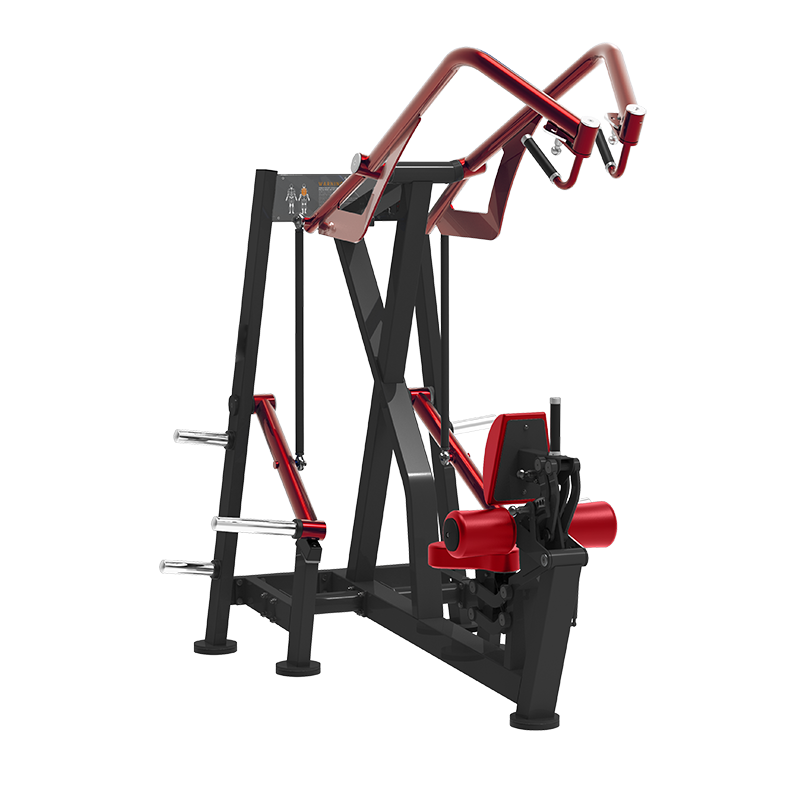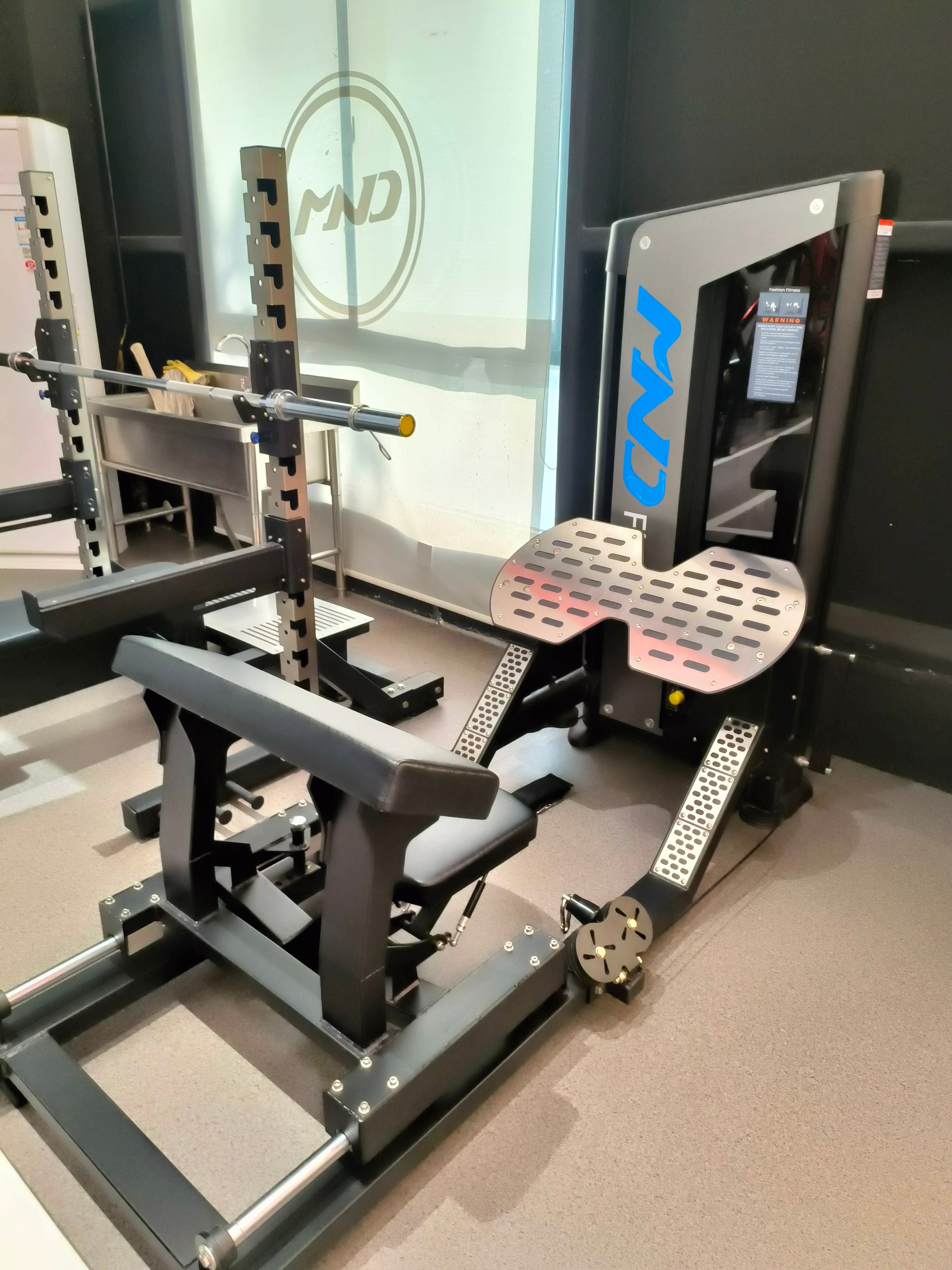



Why the Leg Press still matters in commercial gym planning
The Leg Press is one of those machines that keeps showing up on serious gym floors for a reason: it gives users a heavy lower-body option without asking them to balance a barbell on their back. For a lot of facilities, that is not a small detail. It changes how many members can train safely, how often the machine is used, and how well the equipment fits a mixed population that includes beginners, older adults, athletes, and people returning from injury.
When buyers compare lower-body stations, they are usually deciding more than whether a machine looks sturdy. They are deciding how much traffic the floor can handle, how much coaching the staff will need to provide, and whether the machine will serve strength work, hypertrophy work, or both. A well-chosen Leg Press Machine can carry a surprising amount of that burden. A poor one can become a bottleneck, or worse, a piece that members avoid because the setup feels awkward or the motion feels unforgiving.
That is why the decision is worth slowing down for. The right unit should match your space, your member profile, and the kind of training culture you want on the floor.
Quick take: what buyers should look at first
Before getting lost in upholstery color, frame finish, or brochure language, start with the basics. The key questions are simple: what movement path does the machine use, how easy is it to load and unload, how much room does it occupy, and who will use it most often?
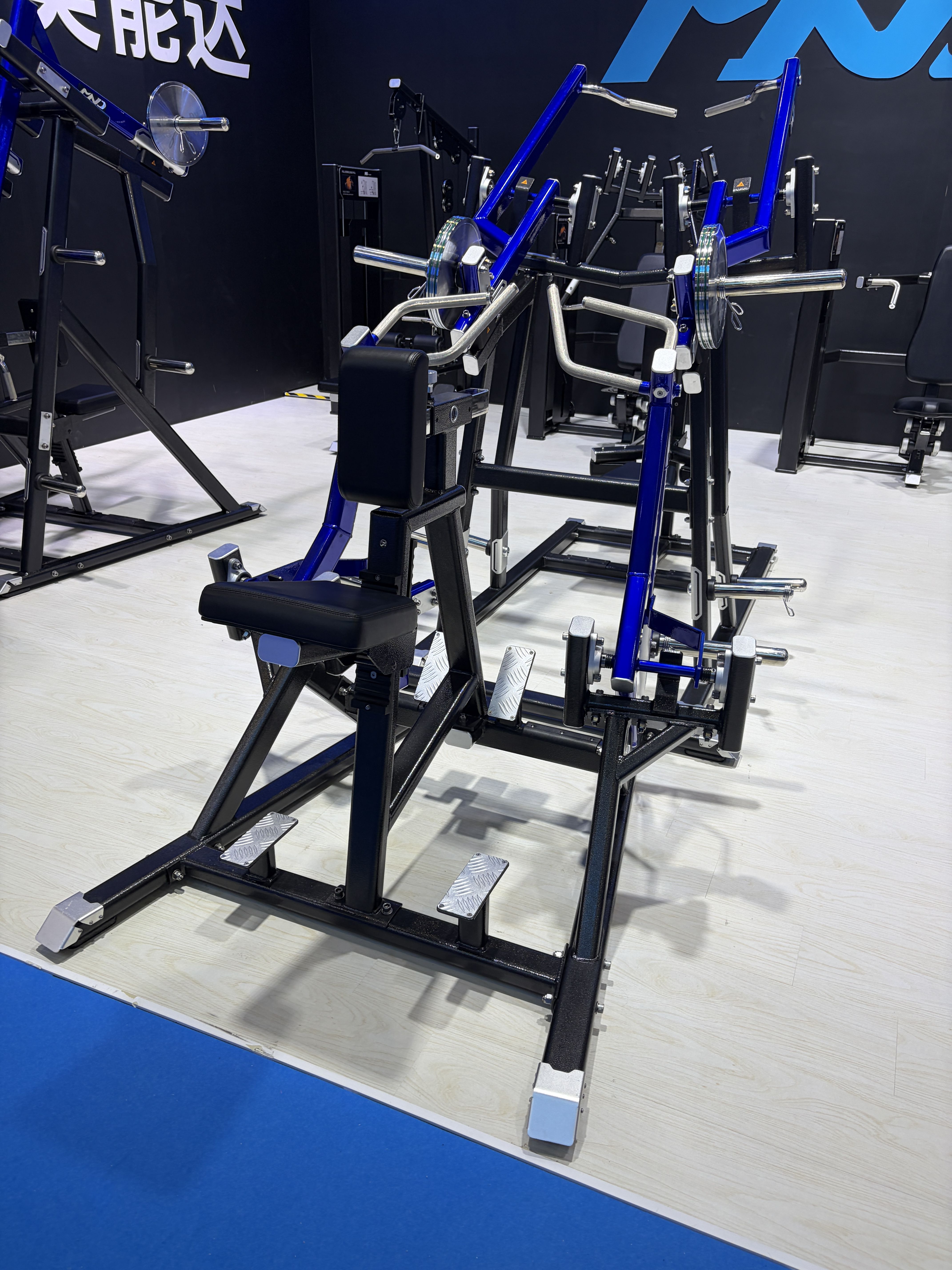
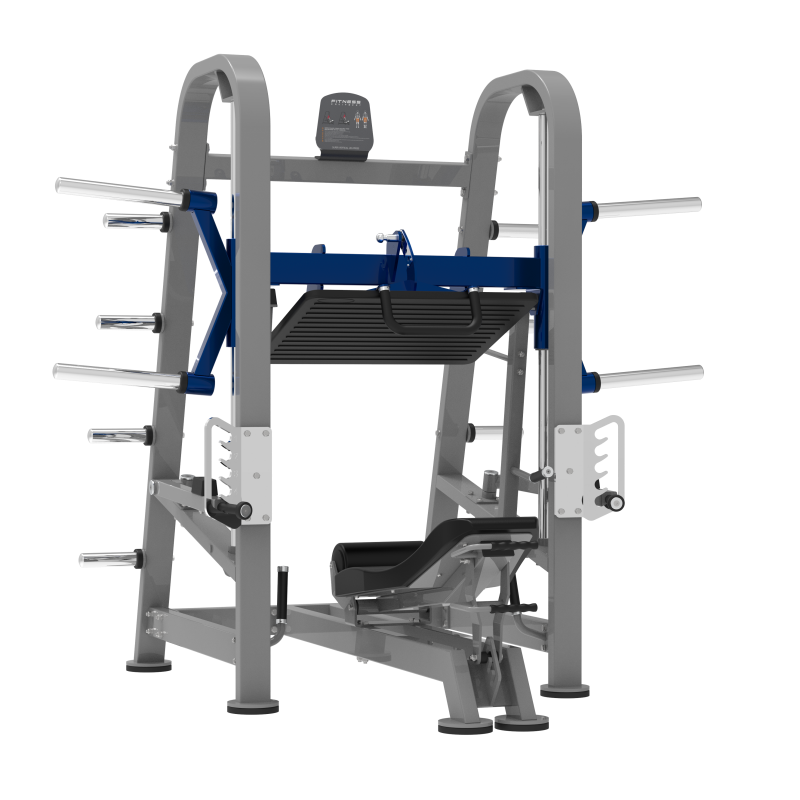
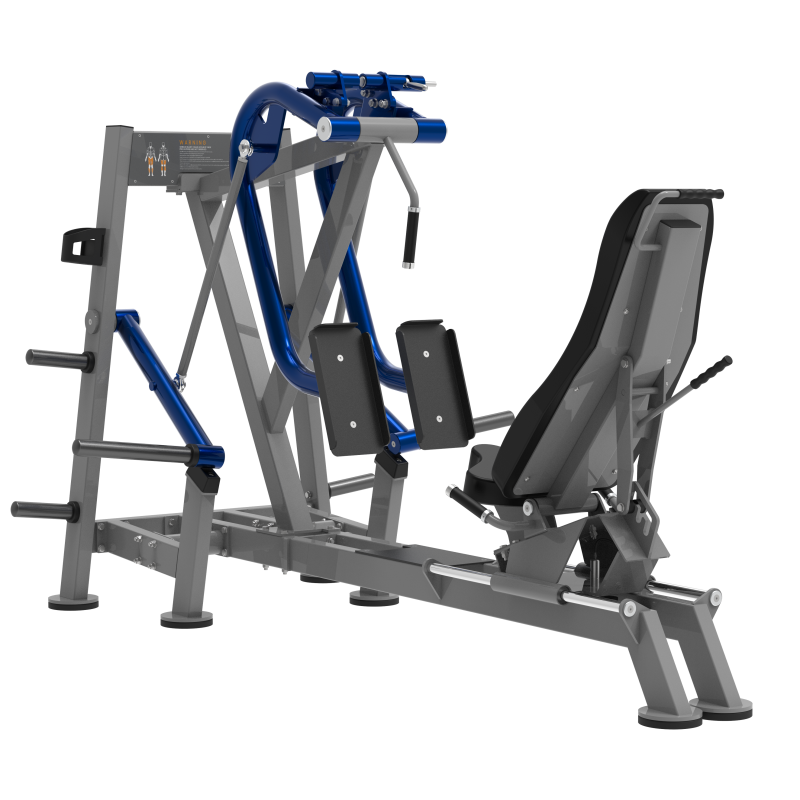
For commercial buyers, the broad choice usually comes down to feel and footprint. Some facilities prefer a Seated Leg Press because it is straightforward for general members. Others lean toward a Horizontal Leg Press if they want a more linear loading feel and a layout that may fit certain floor plans more cleanly. A third group wants a larger, more stable-feeling machine that can handle serious volume and heavy use without constant babysitting from staff.
There is no universal winner. The better choice depends on who is training and how much floor space you can realistically dedicate to a lower-body station.
What a Leg Press exercise actually offers the user
At its simplest, the Leg Press Exercise allows the user to drive a platform or sled away from the body using the legs. That means the quads do a lot of work, but glutes and hamstrings are part of the picture too, depending on foot placement and depth. It is a straightforward movement, which is one reason it remains popular in commercial settings.
Compared with free-weight squatting, the machine reduces the balance requirement. That makes it useful for lifters who want to push lower-body volume without placing the same demand on trunk stability, and for newcomers who are still learning how to train legs consistently. It also gives trainers an easy regression or progression tool. Adjust foot position, change depth, or alter loading, and the workout changes quickly.
That said, the machine is not automatically “easy.” Users can still overdo range of motion, lock out aggressively, or load the stack or plates too soon. A good floor team knows that the machine’s apparent simplicity can create sloppy habits if nobody coaches setup and control.
Main machine styles and why they feel different
Seated formats
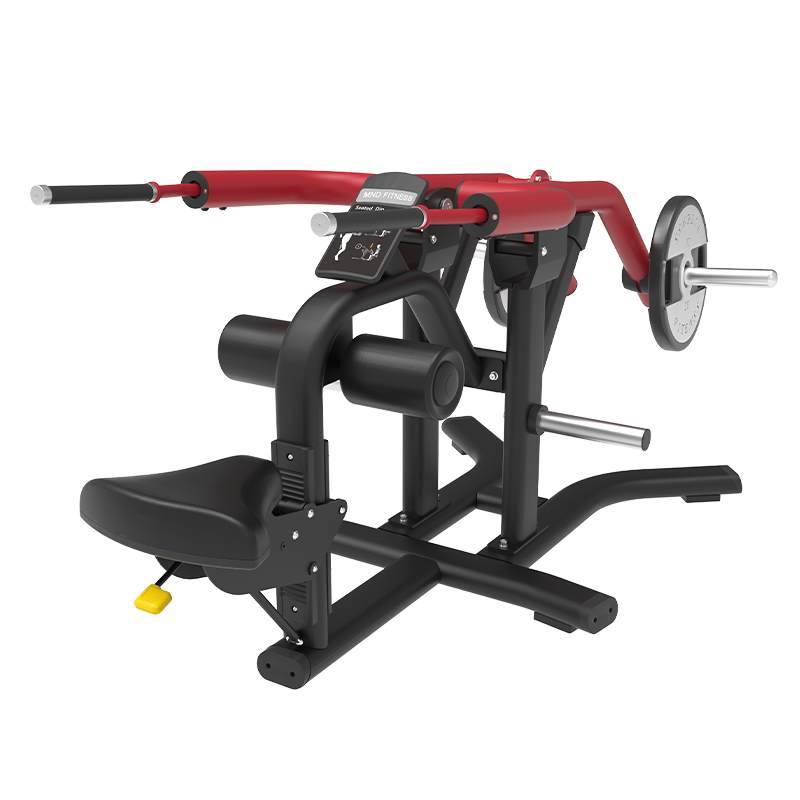
A Seated Leg Press tends to be easier for general members to understand. The seated position offers a familiar posture, and many users feel secure when the back and hips are supported. This can be a real advantage in busy commercial gyms where staff do not have time to spend several minutes explaining every station.
The trade-off is that some seated designs feel less open or less athletic to experienced lifters. Depending on geometry, users may also notice that entry and exit are a little more awkward than expected. That is the kind of detail that does not always show up in a product sheet, but it matters on a busy floor.
Horizontal designs
A Horizontal Leg Press often appeals to facilities that want a direct pressing path and a layout that can be easier to place along a wall or in a dedicated strength zone. The user experience can feel more linear, which some lifters prefer for consistent leg drive.
Still, the footprint and loading direction should be checked carefully. A machine can look compact in a catalog and still demand real clearance once a user is on the sled, plate storage is considered, and a staff member needs access for cleaning or inspection.
How commercial buyers should evaluate a Leg Press Machine
For sourcing managers and product teams, the important question is not simply whether the machine works. It is whether it will continue working under daily commercial use, across a range of body types, with minimal complaints and manageable upkeep.
Start with frame construction and overall stability. A lower-body machine gets slammed with repeated load cycles and abrupt user behavior. If the base shifts, flexes too much, or feels noisy under load, members notice quickly. So do trainers. A machine that inspires confidence tends to get used more often.
Next, look at adjustability. Backrest angle, seat position, footplate size, and start-stop positions all change the machine’s usefulness. Too few adjustments can limit the user base. Too many awkward ones can make the machine feel fussy, especially in a busy gym where equipment rotation is fast and people want to get moving.
Maintenance also deserves more attention than it usually gets during a purchase review. Moving parts, guide systems, upholstery wear, and exposed contact points should all be easy enough to inspect and service without taking the machine out of circulation for long stretches. That is the practical side of commercial ownership: a machine only earns its keep when it stays available.
Common mistakes when selecting lower-body press equipment
One common mistake is choosing a machine based on how strong it looks rather than how well it fits the training population. A heavy-duty machine may be impressive, but if the user base is mostly beginners and casual gym-goers, a more approachable design may actually get better utilization.
Another mistake is underestimating footprint. The machine itself is only part of the story. Users need entry space, loading access, and enough room to dismount safely. In real facilities, that extra clearance can determine whether the unit feels premium or simply crowded.
A third issue is ignoring instruction. Even the best Leg Press Workout setup can produce bad mechanics if users start with the seat too far away, feet placed too high or low for their build, or a range of motion that forces the pelvis to tuck excessively. This is not just a training nitpick; it can become a complaint about the machine, when the actual problem is setup.
Where Minolta fits into the picture
Shandong Minolta Fitness Equipment Co., Ltd. is positioned as a commercial equipment manufacturer with more than a decade in the fitness sector. The company states that it leverages Ningjin’s hardware industry base and operates from a 120,000-square-meter facility that includes a manufacturing workshop, quality control lab, and exhibition hall.
Its product range is broad, with over 300 types of exercise equipment spanning cardio and strength categories for commercial and home use. The strength lineup includes series such as MND-AN, MND-FM, MND-FH, MND-FS, MND-FB, MND-E Crossfit, MND-F, MND-FF, MND-G, and MND-H, while the cardio line includes MND-D exercise bikes and treadmill models such as MND-X500, X600, and X700. The company also notes export activity to more than 100 countries across Europe, Africa, the Middle East, South America, and Southeast Asia.
For buyers, those facts matter because they suggest scale and manufacturing breadth. They do not replace model-specific evaluation, of course. You still need to confirm the exact machine geometry, finish, upholstery behavior, and service support for the particular Leg Press Machine you are considering. But they do give a sense of whether the supplier is set up for commercial production rather than occasional small-batch work.
Practical buying advice for gyms, distributors, and project specifiers
If you are sourcing for a gym chain, ask how the machine will perform under repetition, not just how it looks on day one. If you are a distributor, focus on whether the design is easy to explain, easy to install, and easy to support after delivery. If you are part of a new facility build, think about traffic flow around the machine and how it fits next to other strength equipment, particularly squat racks, hack squat units, and recovery-focused stations.
It also helps to think about the user journey. A machine that looks intimidating may discourage casual members, while a machine that feels too lightweight may not satisfy serious lifters. The sweet spot is a piece of equipment that feels secure, intuitive, and substantial without turning setup into a chore.
One small caution: do not assume every commercial floor needs the largest or most aggressive version of the movement. Sometimes the best-performing machine is the one that gets used all day by different people, not the one that impresses the strongest lifter for ten minutes.
FAQ: common questions buyers ask
Is a Leg Press suitable for beginner members?
Yes, often it is. The machine reduces balance demands and gives beginners a controlled way to train the legs. But staff should still show proper seat setup, foot placement, and controlled range of motion.
Should a commercial gym choose seated or horizontal?
That depends on floor space, member preference, and your overall strength-floor layout. Seated designs are often easier for general users; horizontal designs can be attractive when you want a more linear press feel or a specific spatial fit.
What matters more than the sticker specs?
In real use, stability, ergonomics, ease of adjustment, and serviceability often matter more than the headline load number. A machine that feels awkward will underperform even if its brochure looks strong.
What to do next
If you are comparing lower-body equipment for a commercial project, narrow the shortlist by user type first, then by layout, then by construction details. Ask for the exact machine dimensions, movement geometry, and maintenance expectations before you sign off. For buyers evaluating a supplier like Minolta, request model-specific information on the strength series and confirm how the design fits your intended floor plan and training audience.
The best Leg Press is the one that earns repeated use without creating headaches for staff. That sounds obvious, but in a crowded equipment category, it is usually the simplest test that gets missed.