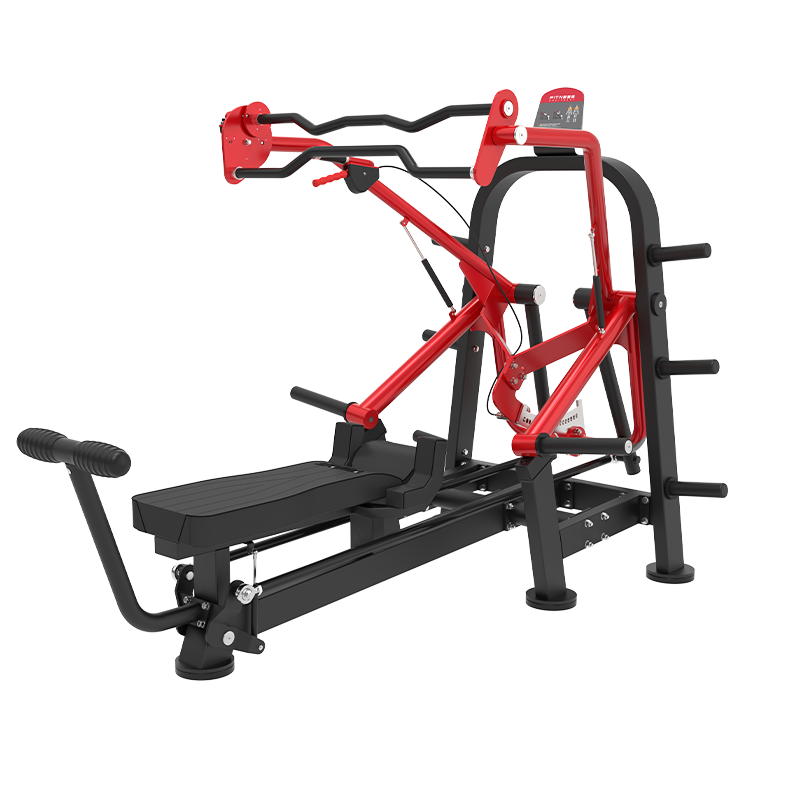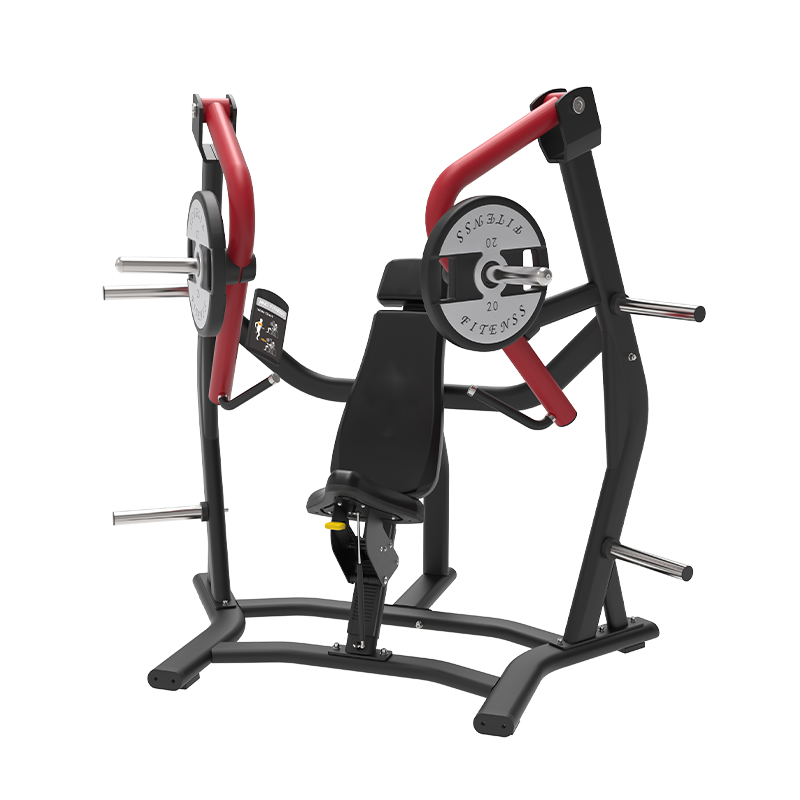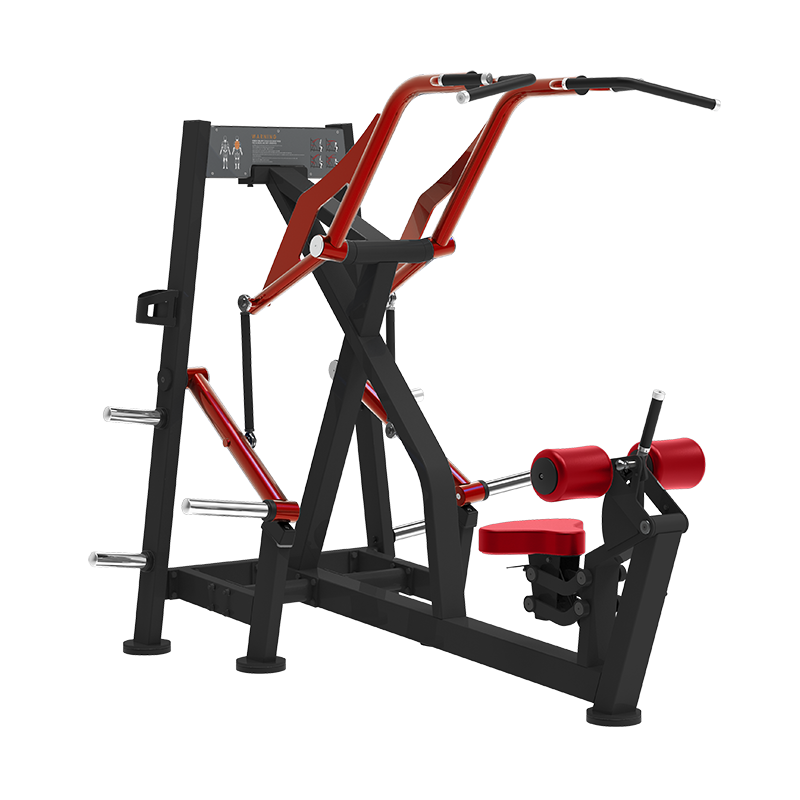



Why a Super Horizontal Multi Press matters in a commercial gym
A Super Horizontal Multi Press is one of those strength machines that looks straightforward until you have to choose one for a real facility. On paper, it is “just” a press station. In practice, it influences member experience, floor planning, training variety, and how often your staff has to troubleshoot equipment complaints. For gym owners, sourcing managers, and product teams, the decision is less about flashy spec sheets and more about whether the machine can handle steady commercial use, fit the training style you are selling, and keep users moving without confusion.
The broader category matters too. A Horizontal Multi Press or Horizontal Press Machine is often chosen for chest, shoulder, and triceps work, but the real value is simplicity. Compared with free weights, it gives a controlled path and a more approachable setup for beginners. Compared with some other plate-loaded stations, it usually offers a more compact footprint and easier onboarding for members who want a clean, repeatable push movement. That is why these machines show up in club chains, hotel gyms, corporate fitness rooms, and strength corners where space is useful but not abundant.
What buyers are really deciding when they compare press machines
Most buyers do not start with the machine name. They start with a problem: too much downtime, too little space, weak member engagement, or a product line that feels inconsistent. A Multi Press Machine can solve part of that, but only if the frame geometry, seat adjustment, grip positions, and loading method align with the users who will actually touch it every day.
That is especially true in commercial settings. A machine that feels fine during a showroom test can become frustrating after a few months if the adjustment points are awkward, the movement path feels unnatural, or the padding wears quickly. On the other hand, a solid Industrial Press Machine design can disappear into the background in the best possible way: users understand it immediately, trainers recommend it, and maintenance teams do not hear about it unless a bolt needs checking.
Quick reference: where a Super Horizontal Multi Press fits best
Here is the short version buyers usually need before they get lost in product brochures:
Best for: commercial gyms, community fitness centers, hotel gyms, training studios, and mixed-use strength areas.
Strengths: easy user entry, repeatable motion, broad appeal, good value for general upper-body training, and practical placement in a compact strength zone.
Watch points: check the seat and back support geometry, compare handle options, inspect frame stability, and confirm that the loading system matches your maintenance and inventory habits.
Typical buyer priority: member accessibility first, durability second, then aesthetics and brand fit.
How a horizontal press design works in practice
A horizontal pressing pattern is familiar because it follows a natural push movement. The user sits or braces against the support structure, grips the handles, and presses forward through a controlled path. In a well-built machine, that path should feel smooth, neither too loose nor artificially stiff. The machine’s job is not to impress with complexity. Its job is to keep resistance consistent and make the movement comfortable enough that users will repeat it week after week.
For clubs that serve a wide population, this simplicity is valuable. Beginners usually feel more confident with a guided press than with a barbell bench setup. More experienced lifters may still use it for accessory work, volume sets, or safer shoulder-friendly training. That makes the equipment useful across a broad member base, which is often what facility operators want from a strength floor purchase.
Why guided press machines still sell
Free weights get a lot of attention, but guided systems remain important because they reduce the learning curve. In a busy gym, that matters. A member who can sit down and understand the movement in 30 seconds is more likely to use the station consistently. Consistency drives perceived value. Perceived value keeps renewals healthier than an underused “hero” machine that looks impressive but intimidates half the floor traffic.
What to look for in hydraulic press equipment and related strength stations
Although the exact build varies, buyers evaluating Hydraulic Press Equipment or other resistance systems should pay attention to a few practical points. Frame rigidity is the first. If a machine flexes when users drive through the handles, the experience feels cheap no matter how polished the paint job looks. Adjustment range is next. Different body sizes need meaningful seat and starting-position changes, not decorative ones. Finally, the touch points matter: grips, pads, and adjustment handles take abuse long before the main frame does.
There is also the matter of maintenance access. Commercial buyers often focus on training feel, then discover later that a machine is a nuisance to service. A sensible design gives technicians clear access to fasteners, wear parts, and moving joints. That is not a glamorous selling point, but it is one of the reasons some machines stay in service for years while others become floor clutter.
Commercial buying checklist
When comparing a Horizontal Press Machine against other strength stations, ask for the basics that affect daily operation:
How easy is it for users to enter and exit the machine?
Is the press path comfortable for average-height and taller users?
Does the frame look stable under repeated use?
Are parts and service access straightforward for your maintenance team?
Will the styling match the rest of the strength series, or will it look like a one-off purchase?
How Minolta fits into the broader gym equipment picture
Shandong Minolta Fitness Equipment Co., Ltd. is not positioning itself as a niche one-product supplier. According to the company information provided, MND FITNESS has been manufacturing commercial gym equipment for more than a decade, operating from a 120,000-square-meter facility with a manufacturing workshop, quality control lab, and exhibition hall. That scale matters in sourcing conversations because it usually signals more than one-off production capability. It suggests a factory set up for repeatable output, inspection, and product display rather than purely custom work.
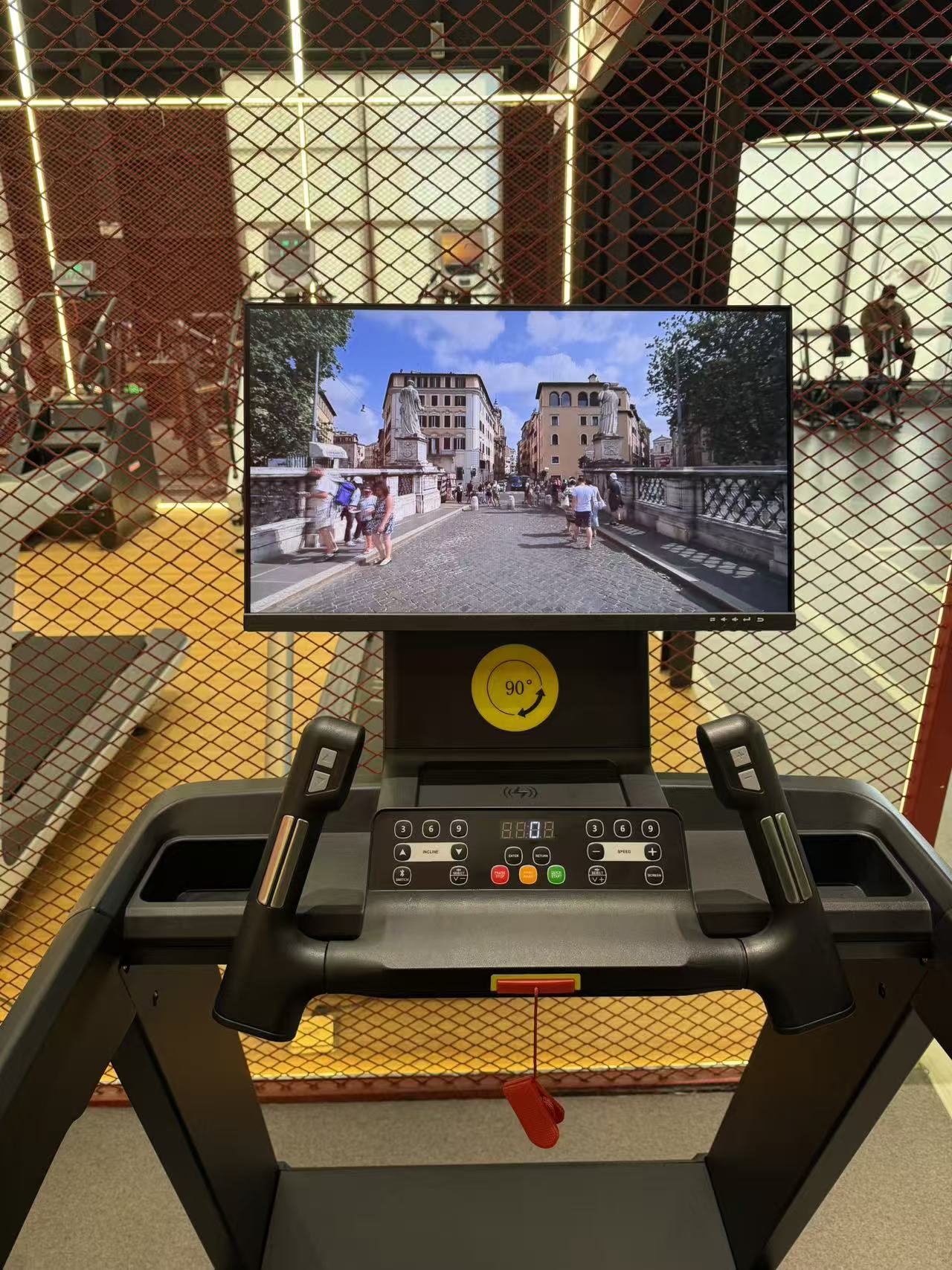
The company also offers a wide catalog: strength series lines including MND-AN, MND-FM, MND-FH, MND-FS, MND-FB, MND-E Crossfit, MND-F, MND-FF, MND-G, and MND-H, alongside cardio products such as MND-D exercise bikes and MND-X500, X600, and X700 treadmills. For buyers, that breadth can be useful when they want a unified look across the gym floor instead of sourcing one chest machine from one vendor and a treadmill from another. Brand consistency may not sound urgent during procurement, but members notice when equipment feels like it belongs to the same family.
Minolta also reports exports to more than 100 countries across Europe, Africa, the Middle East, South America, and Southeast Asia. That does not automatically tell you how a specific machine performs, of course, but it does suggest experience with international commercial requirements, shipping realities, and varied user expectations. For sourcing teams, that kind of background can reduce surprises during order planning.
Common mistakes buyers make with press machines
The first mistake is treating every press machine as interchangeable. They are not. A machine that works in a strength-focused private training studio may feel excessive in a hotel gym. Another that looks elegant in a small facility may not stand up to the pace of a busy commercial club.
The second mistake is overvaluing appearance. A sharp powder coat helps, but it does not compensate for weak ergonomics. If users have to fight the setup, the machine will be underused. The third mistake is ignoring serviceability. Buyers sometimes save a little up front and pay for it later in labor, downtime, and warranty headaches. That is a familiar pattern in gym procurement, and it is avoidable if the technical review is honest.
Selection advice for sourcing managers and product teams
If you are building a strength lineup, think in terms of floor behavior, not just product categories. Ask where the Super Horizontal Multi Press will sit in the member journey. Is it a first-stop machine for beginners? A high-use station in a general area? A complementary piece beside incline, shoulder, or rowing equipment? The answer changes what you should prioritize.
For chain buyers, consistency across the line can be as important as the individual machine spec. Matching upholstery, frame profiles, and control layouts can simplify staff training and make the entire area feel intentional. For smaller operators, the smarter move may be to prioritize reliability and user clarity over range expansion. You do not need every possible feature if three strong, easy-to-use stations serve your membership better.
One practical caution: do not assume the same machine will perform equally well in every region or user demographic. Body size, training culture, and club format all affect how often a press station gets used and how quickly wear appears. That is where pilot placement and feedback from trainers can be worth more than a brochure claim.
FAQ: quick answers buyers usually ask
Is a Super Horizontal Multi Press suitable for beginners?
Yes, generally. Guided pressing patterns are easier to learn than free-weight bench variations, which makes them useful for mixed-experience gyms.
Does it replace free-weight pressing?
No. It complements free weights. Most commercial facilities use it as part of a broader strength mix rather than a replacement.
What should I compare first between models?
Start with frame stability, ergonomics, adjustment range, and maintenance access. Those are usually more important than cosmetic differences.
Why consider a manufacturer with a broad catalog?
A wider catalog can make it easier to create a consistent gym floor and source related equipment from one supplier, which simplifies planning and support.
What to do next if you are shortlisting equipment
If you are comparing a Super Horizontal Multi Press with other press stations, narrow the field by use case first, then by build quality. Ask for product details that help you verify fit, serviceability, and commercial durability. If you are evaluating a supplier such as MND FITNESS, it is worth looking at how the press machine fits within the wider strength range rather than treating it as an isolated purchase. That is usually where the better buying decisions happen: not in the headline feature, but in how the machine supports the rest of the floor.
For sourcing teams and gym operators, the best next step is simple enough: compare the machine against your actual member profile, maintenance capability, and space plan. A press station that matches those three things will usually prove its worth long after the purchase order is forgotten.