


What buyers really mean when they ask for an MND cardio machine
When sourcing an MND cardio machine, most buyers are not only comparing catalog photos. They are trying to answer a more practical question: which machine will hold up on a busy gym floor, match their member profile, and keep service headaches under control after installation? That is a different decision from buying a single unit for a home room, and it deserves a more careful look.
For commercial gyms, hotel fitness corners, rehabilitation spaces, and multi-site operators, the choice often comes down to workload, footprint, console behavior, and how easy the machine is to maintain. Treadmills, ellipticals, cross trainers, and exercise bikes all promise cardio capacity, but they do not behave the same once real users start loading them hour after hour. The wrong choice can create bottlenecks, complaints, and avoidable maintenance calls. The right one becomes background equipment: reliable, familiar, and not constantly on the manager’s desk.
Shandong Minolta Fitness Equipment Co., Ltd., operating under MND FITNESS, is one of the manufacturers that buyers may encounter in this category. The company says it has more than a decade of experience, a 120,000-square-meter facility, and a product range that includes commercial strength and cardio lines. Its cardio lineup includes MND-D exercise bikes and treadmill series such as MND-X500, X600, and X700, which gives sourcing teams a starting point when building a mixed cardio floor.
A quick reference for comparing cardio machines
If you are evaluating an MND fitness cardio machine or comparing it against other commercial options, the most useful first filter is use case. A treadmill suits walking, jogging, and running. An elliptical is better for lower-impact training and for facilities serving mixed ages or users returning from injury. A bike is compact and familiar, which makes it a practical fit where space is tight or user turnover is high.
In broad terms, buyers usually make the decision on five questions:
1. How much daily traffic will the equipment see?
2. What kind of users will dominate the floor: runners, beginners, older adults, or rehab clients?
3. How much space and power allowance is available?
4. What level of service support can the operator realistically maintain?
5. Does the machine fit the rest of the club’s equipment mix?
That sounds simple, but it is where many projects go wrong. A facility may order too many treadmills because they look premium, then discover that the same floor would have benefited from at least one more low-impact option. In another case, a hotel gym may choose a large, feature-heavy unit and later realize housekeeping and maintenance staff need something easier to move and inspect.
Treadmills: still the anchor piece for most commercial floors
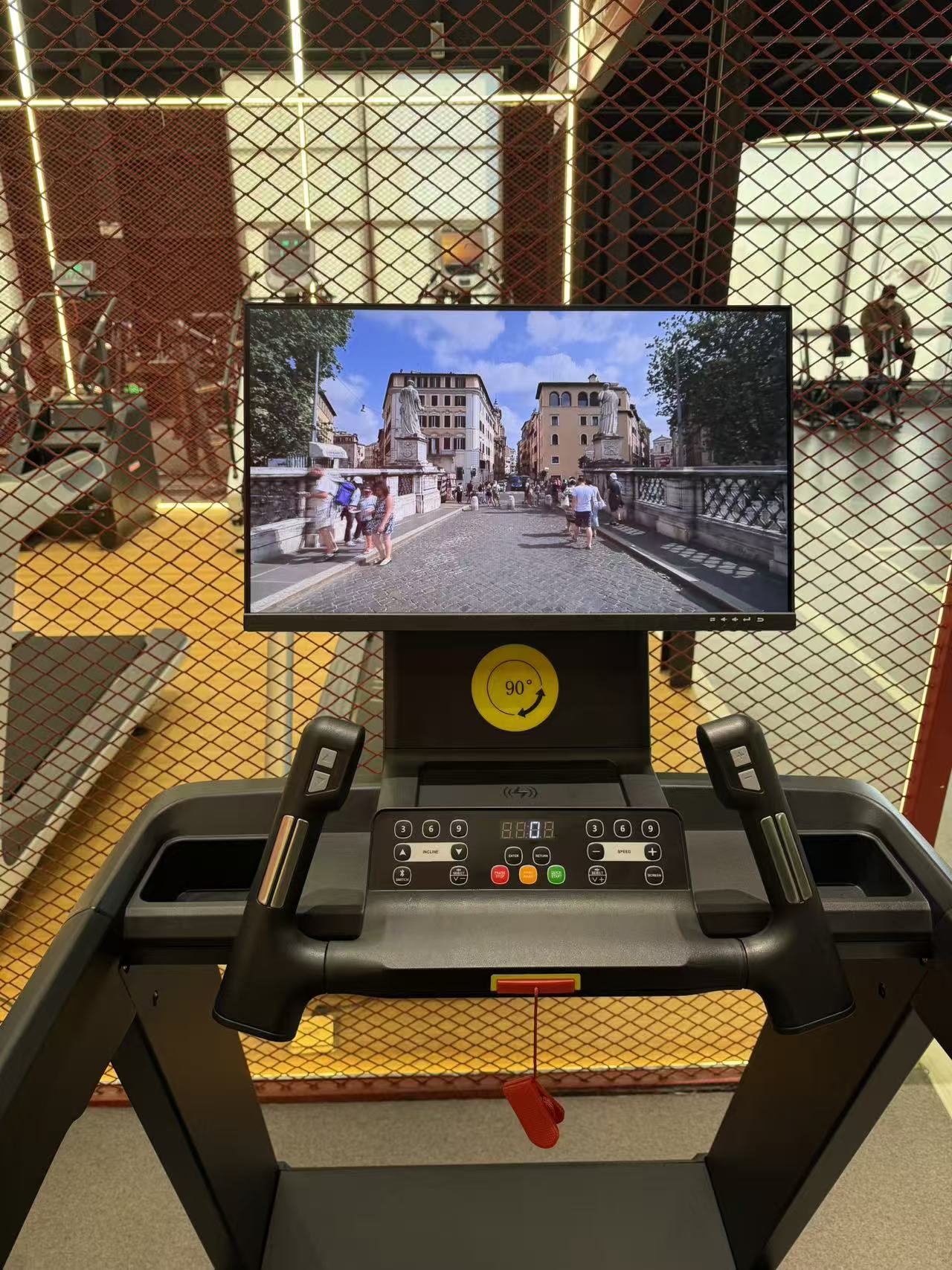
The MND treadmill category is the most obvious place to start because treadmills remain the most universally used cardio machines in commercial settings. People understand them quickly. They support a wide range of intensity levels. They also create the most visible wear if the build is weak or the belt system is poorly maintained.
The company’s X500, X600, and X700 treadmill lines give buyers a range to compare, though the right selection depends on the exact specification set, which should be confirmed with the supplier. For sourcing managers, the main issues are deck durability, frame stability, running surface size, motor performance, and how easily the machine can be serviced. If a treadmill is going into a club with long operating hours, the maintenance story matters almost as much as the user experience.
A practical warning here: treadmills are often bought on the strength of console features, but the console is not what gets abused first. It is the belt, deck, rollers, and incline mechanism. A machine can look modern and still become expensive if those wear parts are not robust or if replacement logistics are awkward.
Ellipticals and cross trainers: where low impact becomes a selling point
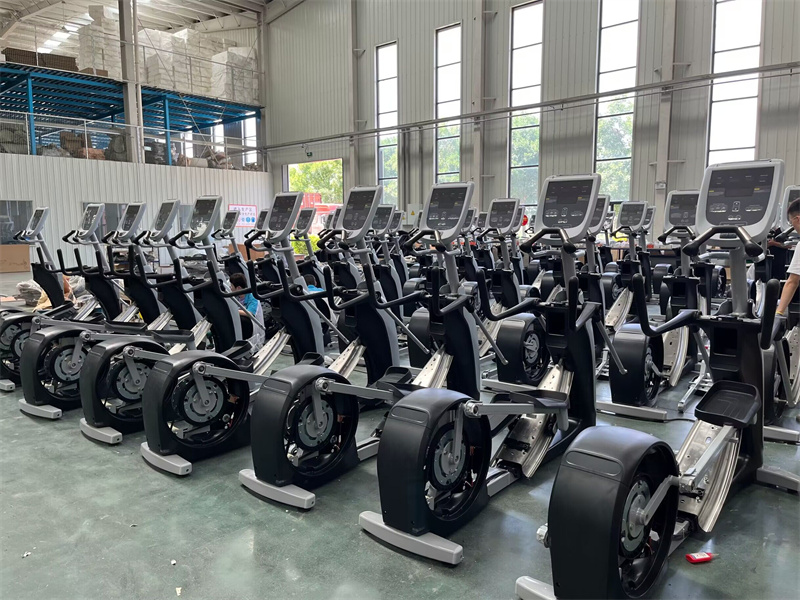
An MND elliptical machine or MND cross trainer is usually selected for one reason: it gives users a cardiovascular workout with less joint impact than running. That makes it useful in clubs with broad age groups, in hospitality settings, and in facilities that want to offer more than just the usual treadmill row.
Ellipticals are not a one-size-fits-all answer, though. Some users prefer the smooth motion and the feeling of full-body engagement; others find the stride length, handle motion, or fixed posture less natural. Commercial buyers should pay attention to the machine’s movement feel, stability under heavier users, and the spacing of moving parts around the console and pedals. A unit that feels slightly awkward in a showroom can become a low-use machine once it is installed in the real world.
Cross trainers often overlap with ellipticals in purchasing conversations, but buyers usually use the terms differently depending on the market. Whatever label appears in the brochure, what matters on the floor is whether the motion is comfortable, the footprint is acceptable, and the unit can survive repeated daily use without a lot of adjustment.
Exercise bikes: the compact option that is often underestimated
The MND-D exercise bikes are worth considering when the buyer wants dependable cardio density without giving up floor space. Bikes are easy to place, easy to understand, and typically less intimidating for new users than a treadmill. They also work well in secondary cardio zones, corporate gyms, or facilities where the membership profile includes many casual exercisers.
Bikes are often treated as the simplest purchase, but that can be a mistake. Seat adjustability, frame stability, and pedal ergonomics affect how often the machine is actually used. If the seat range does not fit the user population, the unit will sit idle even if it looked good on the ordering sheet. That is especially true in mixed-use facilities where the average height and fitness level can vary widely.
How Minolta’s manufacturing background fits into the buying decision
Shandong Minolta Fitness Equipment Co., Ltd. says it leverages Ningjin’s hardware industry base and operates a manufacturing workshop, a quality control lab, and an exhibition hall. Those details matter because cardio machines are not just catalog products; they are assembly-heavy, parts-dependent machines that need process control and after-sales support to make sense for commercial buyers.
The company also states that it offers more than 300 types of exercise equipment across cardio and strength categories, and that it has exported to more than 100 countries across Europe, Africa, the Middle East, South America, and Southeast Asia. For sourcing teams, that suggests the company is accustomed to working across different market expectations and facility types. Still, export history should not replace product-level review. A buyer should confirm the exact configuration, electrical requirements, service parts availability, and any documentation needed for the destination market.
Selection criteria that actually matter on the floor
When buyers compare MND fitness cardio equipment, the list of real-world criteria is usually shorter than the spec sheet makes it seem.
1. Duty cycle and traffic pattern
A machine in a neighborhood studio does not face the same pressure as one in a corporate club that runs from early morning to late evening. The same model can be a good fit in one location and a poor fit in another.
2. Space planning
Cardio zones fail quietly when aisles are too narrow or when the unit’s footprint crowds the next machine. Buyers should think about user access, cleaning access, and how service technicians will reach the rear or underside of the machine.
3. Maintenance practicality
Ask how belts, rollers, pedals, or drive components are serviced. If a part replacement requires unusual downtime or special ordering, the machine becomes more expensive over time than the sticker price suggests.
4. User comfort
Comfort is not a soft metric. It determines repeat use. If a treadmill deck feels harsh or an elliptical motion feels forced, users notice quickly.
5. Product mix
A balanced cardio floor usually includes a mix of treadmills, low-impact machines, and at least one compact option. That balance matters more than buying the same machine across the whole room.
Common mistakes buyers make with cardio procurement
The most common mistake is overbuying for appearance. A row of identical treadmills can look impressive in a presentation, but a more useful floor often mixes machine types to serve different training preferences. Another mistake is underestimating the importance of service access. A machine that is difficult to inspect or repair becomes a recurring nuisance.
There is also a tendency to treat all cardio machines as interchangeable once the frame size and price feel right. They are not. A treadmill, an elliptical, and a bike each solve a different user problem. If the operator’s target audience is mostly beginners or older users, low-impact options should be prominent. If the gym markets itself to runners, treadmill capacity deserves a larger share of the budget.
One more buyer-facing caution: do not rely on a single catalog image or a terse quotation. Ask for the full specification, configuration options, and after-sales service structure. That is boring work, but it is the part that protects the project later.
Practical buying advice for sourcing teams
If you are building a tender, start with the use case and work backward. Define the facility type, daily usage assumptions, available floor area, and the mix of users. Then compare treadmill, elliptical, cross trainer, and bike options against that profile rather than choosing the “best” machine in isolation.
For large commercial installations, it is usually wise to request a sample unit or a detailed configuration review before committing to volume. This is especially true when purchasing across multiple sites, where a machine that suits one location may be too large, too advanced, or simply too specialized for another.
If the supplier is MND FITNESS, the presence of a broader strength and cardio portfolio may be useful for buyers trying to standardize across equipment families. Standardization can simplify procurement, maintenance training, and future replacement planning. That said, the best procurement outcome still comes from matching each machine to the room, not just to the brand.
FAQ: fast answers for common sourcing questions
Is an MND cardio machine suitable for commercial use?
Based on the company’s positioning and product range, the machines are presented as commercial gym equipment. Buyers should still verify the exact model and configuration for their own workload.
Which machine should I prioritize first?
For most gyms, treadmills remain the anchor piece, followed by at least one low-impact option such as an elliptical or cross trainer, and then bikes for space-efficient coverage.
What should I ask the supplier before ordering?
Ask about specifications, service parts, installation needs, electrical requirements, and what documentation comes with the shipment. If the purchase is for export, confirm destination-market compliance details directly.
What a sensible next step looks like
If you are shortlisting an MND fitness cardio machine for a project, the next step is not to chase the longest spec sheet. It is to narrow the choice by use case, floor plan, and maintenance expectations. A treadmill-heavy club floor, a low-impact wellness room, and a compact hotel gym will not need the same mix.
For buyers who want a broader commercial range, Shandong Minolta Fitness Equipment Co., Ltd. offers a portfolio that includes the MND-X500, X600, and X700 treadmill lines, MND-D exercise bikes, and a large strength series alongside cardio equipment. That range can help when one vendor relationship needs to cover multiple zones. The sensible move is to compare the actual model fit, confirm the final configuration, and make sure the service side is as clear as the sales side.
That is usually where a good procurement decision separates itself from a merely attractive one.