


What buyers really want to know about MND FITNESS
When sourcing gym equipment, buyers usually start with a familiar question: is MND FITNESS a manufacturer worth trusting for a commercial project, a dealer program, or a multi-site club rollout? That question matters because gym equipment is not a commodity in the way some other purchases are. Frames, welds, upholstery, drive systems, and wear parts all affect how a facility performs after the first year, not just on installation day.
Shandong Minolta Fitness Equipment Co., Ltd. positions MND FITNESS as a commercial and home fitness equipment supplier with more than a decade in the sector, a 120,000-square-meter facility, and a portfolio that covers both strength and cardio. On paper, that puts the company in the conversation for buyers looking for a fitness equipment manufacturer that can support a broad assortment rather than a single niche line. The useful part for procurement teams is not just the size of the catalog, but how that catalog maps to actual buying needs: durability for clubs, mix-and-match breadth for distributors, and enough product depth to standardize a facility package without making every room look identical.
Quick take: where MND FITNESS fits in the market
For readers scanning for a practical answer, MND FITNESS sits in the category of a China fitness equipment manufacturer with broad commercial coverage and export experience. The company says it supplies more than 300 types of exercise equipment and has exported to over 100 countries across Europe, Africa, the Middle East, South America, and Southeast Asia. That does not automatically make it the right vendor for every project, but it does suggest a manufacturer accustomed to varied market requirements, shipping patterns, and product mixes.
From a buyer’s perspective, that matters in three common scenarios. First, a new gym operator wants a single supplier for both strength and cardio. Second, a distributor needs a line that can cover different price bands without switching factories every time. Third, a commercial buyer wants professional fitness equipment that is broad enough to outfit training floors, hotel gyms, apartment amenities, and smaller private clubs without piecing together incompatible machines from multiple sources.
Company overview: scale, range, and production profile
Shandong Minolta Fitness Equipment Co., Ltd. describes its manufacturing base as being supported by Ningjin’s hardware industry, which is a useful detail because industrial clusters often shape what a supplier can do efficiently. A factory in a hardware-heavy region typically benefits from access to upstream metalworking, fabrication, and component supply. That does not eliminate the need for a buyer’s audit, of course, but it can help explain how a manufacturer sustains a wide product range.
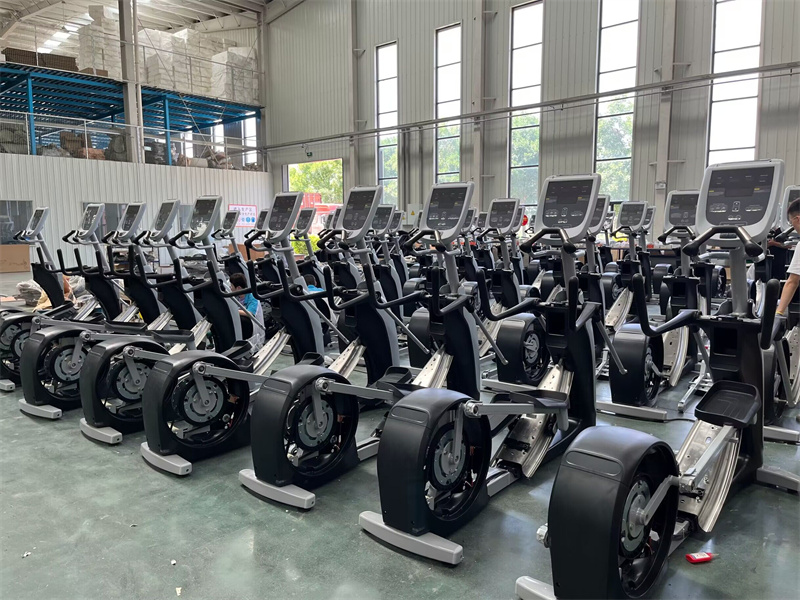
The company information points to three features that matter in practice: a manufacturing workshop, a quality control lab, and an exhibition hall. Those are not marketing decorations if they are used properly. A workshop indicates production capability; a quality control lab suggests the company has at least some internal inspection capacity; and an exhibition hall is often where buyers can compare line families, finishes, and machine geometry before ordering. For overseas sourcing teams, a physical showroom is often more useful than glossy brochures because it reveals how a manufacturer groups product lines and whether the family look is consistent.
Product coverage: strength and cardio in one source
MND FITNESS offers a range that includes the Strength Series and Cardio Series. That broad structure is one reason some buyers search for an MND manufacturer in the first place: the brand is not presented as a single-category vendor. Instead, it spans multiple training zones and use cases.
Strength series families
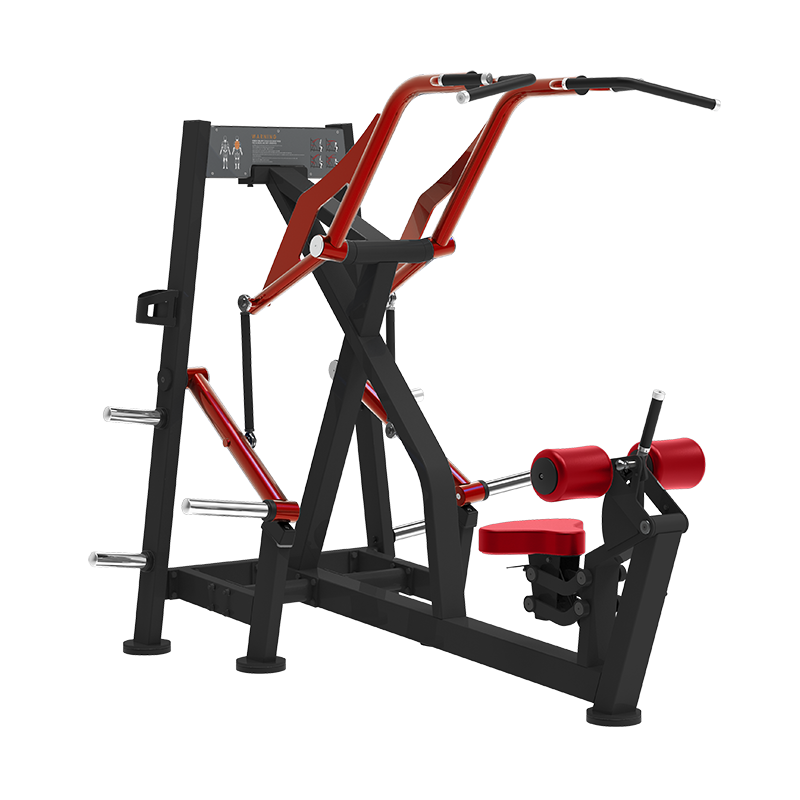
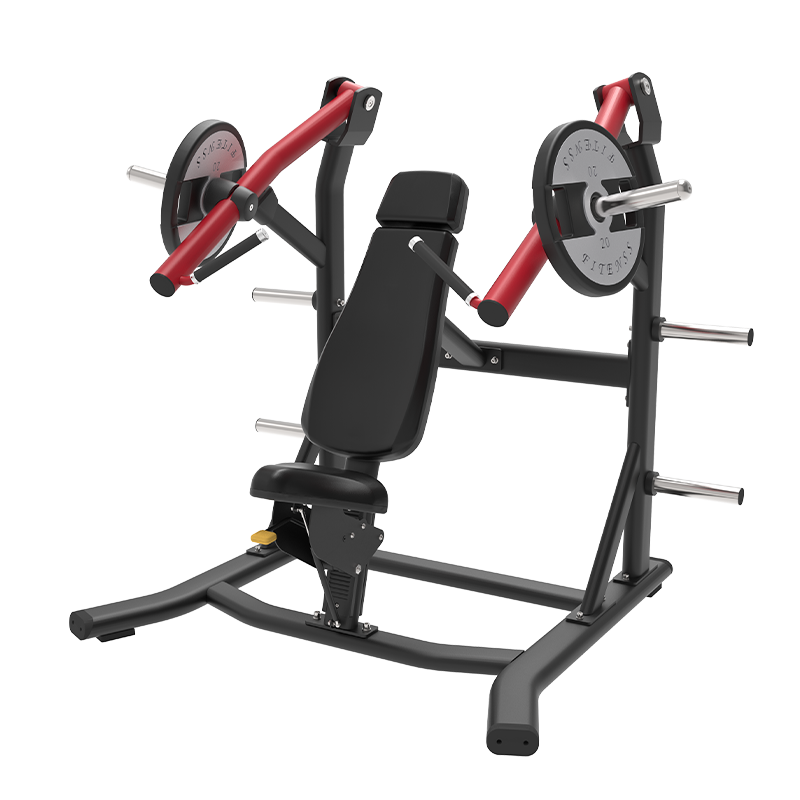
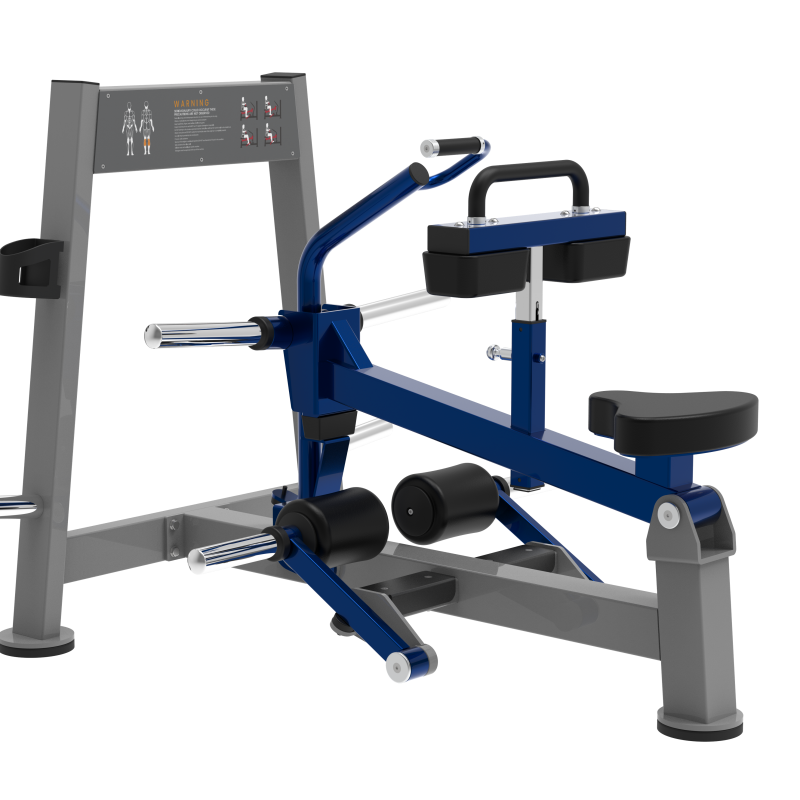
The strength lineup includes MND-AN, MND-FM, MND-FH, MND-FS, MND-FB, MND-E Crossfit, MND-F, MND-FF, MND-G, and MND-H. For a commercial buyer, the practical question is less about memorizing model codes and more about whether the series structure helps with procurement. Usually it does. A vendor with several machine families can offer a cleaner floor plan, more consistent styling, and simpler replenishment when a club wants to expand later.
Cross-training and strength rooms are especially sensitive to load use, spacing, and machine footprint. A lineup that spans selectorized equipment, functional training pieces, and more traditional resistance machines can help a designer keep traffic moving without overcrowding the floor. But the buyer still needs to verify dimensions, stack behavior, upholstery finish, and the exact muscle group targeting on the final model list. Family names are helpful; drawings and specification sheets decide the purchase.
Cardio series coverage
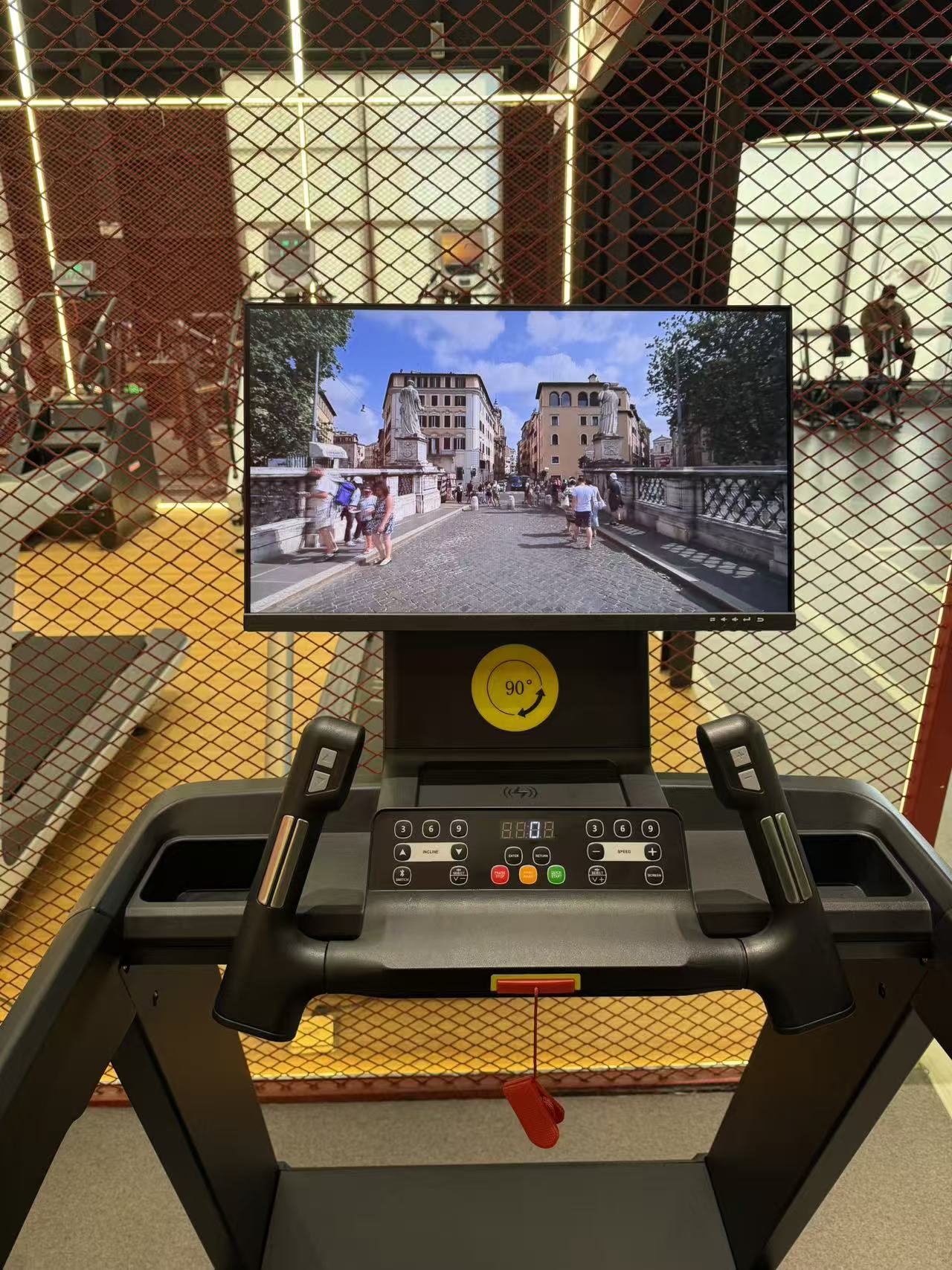
The cardio range includes MND-D exercise bikes and the X500, X600, and X700 treadmills. For clubs and hospitality projects, cardio selection tends to be where reputation rises or falls. Bikes and treadmills are high-visibility items. They are used constantly, they show wear quickly, and users notice any wobble, noise, or awkward console placement.
Because the company offers several treadmill tiers, buyers can often build a layered package rather than buying one model for every application. That is useful for commercial gyms that want a standard workhorse treadmill for most zones and a more feature-rich unit for premium areas. The exact feature list still needs to be confirmed with the supplier, but the series structure is a sign that the product line was designed with segmentation in mind.
Why the manufacturing footprint matters
A large facility is not a guarantee of quality, but it can support better process control when the company uses it well. A 120,000-square-meter site leaves room for more than just assembly. It can accommodate fabrication, storage, inspection, display, and possibly staged production across different categories. For a buyer comparing vendors, that matters because production bottlenecks often show up as inconsistent lead times, mixed batches, or rushed packaging. None of those problems are glamorous, and all of them are expensive once the equipment is on a ship.
Another practical angle is product consistency. A manufacturer with a broad catalog must manage repeatability across many SKUs. That is where the quality control lab becomes important. Commercial buyers should ask how incoming materials are checked, how in-process inspections are handled, and what happens if a unit fails final inspection. Those are not rude questions; they are the questions that save project managers from hidden rework later.
How to evaluate MND FITNESS as a sourcing option
If you are shortlisting MND FITNESS against other suppliers, judge the company on fit rather than on size alone. A bigger manufacturer is not automatically better for every buyer. The real issue is whether the factory can support your channel, your order volume, and your service expectations.
Ask for model-level documentation
Since the catalog spans over 300 types of exercise equipment, you should not rely on series names alone. Ask for drawings, dimensions, material notes, and assembly details on the specific units you plan to buy. If you are building a commercial gym, footprint and spacing matter as much as the resistance system. If you are a distributor, package uniformity and pallet efficiency may matter even more.
Check consistency across series
One of the quiet tests of a professional fitness equipment supplier is whether its products look and behave like a family. Are the console layouts coherent? Do the powder-coated finishes feel consistent across categories? Are the upholstery textures and frame proportions visually aligned? These details matter to designers and franchise buyers because they affect the perceived quality of the room, not just the machine.
Review export readiness
Export experience is useful only if it is backed by practical documentation and communication. The fact that MND FITNESS has shipped to over 100 countries suggests some familiarity with international trade, but buyers still need to confirm packaging specifications, labeling, compliance paperwork, and parts support. A supplier can be experienced and still be a poor fit if it is slow to answer technical questions or vague on after-sales spare parts.
Common buyer mistakes when comparing equipment suppliers
One mistake is treating all gym equipment manufacturers as interchangeable. They are not. A supplier may be excellent at one category and only average in another. Another mistake is focusing too much on the showroom and too little on production detail. A polished exhibition hall is nice, but the real test is whether the machine you receive six months later matches the sample you approved.
Buyers also sometimes overvalue catalog breadth. Yes, MND FITNESS offers a wide range, and that can be a real advantage. But breadth should support a buying strategy, not replace one. If your business only needs a narrow product set, specialization and service speed may matter more than having access to every possible machine family.
A final caution: do not assume “China fitness equipment manufacturer” means the same thing across all factories. Industrial clusters vary widely in machining quality, welding discipline, finishing, and export support. The label tells you where the supplier is based, not how it manages production. Verification still matters.
Who is the best fit for this supplier?
MND FITNESS appears most relevant for commercial gyms, distributors, hotel projects, and buyers who need a mixed equipment package from one source. The company’s structure makes it attractive to procurement teams that prefer a broad vendor relationship over handling multiple small factories. That can simplify quoting, container loading, and long-term replenishment.
It may also be a useful option for buyers trying to standardize facilities across several locations. In those cases, the value of a single equipment family is not abstract; it shows up in maintenance training, spare part planning, and the visual identity of the brand. A consistent machine range helps staff learn the equipment faster, and users tend to trust a room that feels cohesive.
FAQ: practical questions buyers usually ask
Is MND FITNESS only for commercial gyms?
No. The company information indicates products tailored for commercial and home use, though the scale of the catalog suggests a strong commercial orientation.
Does the company make both strength and cardio equipment?
Yes. The supplied information includes Strength Series and Cardio Series product families.
Is broad export experience useful?
It is useful, especially for logistics and documentation, but buyers should still verify the exact support package for their market.
What should I request before placing an order?
Ask for product drawings, dimensions, material details, packing information, and the scope of after-sales support. If you are comparing several factories, request the same documents from all of them.
What to do next if you are considering MND FITNESS
If you are evaluating MND FITNESS for a project, start by building a model-by-model comparison sheet. Separate your must-haves from your nice-to-haves, then ask the company for the exact units that fit each zone of your facility. That approach is faster than browsing catalogs loosely and safer than ordering by series name alone.
For sourcing managers, the next sensible step is a technical review of the shortlisted products and a discussion of packaging, shipping, spare parts, and commercial terms. For gym operators, it is worth checking how the equipment supports user flow, maintenance access, and the overall look of the room. In this market, the best supplier is rarely the one with the loudest claims. It is the one that can turn a broad catalog into a workable, durable installation.