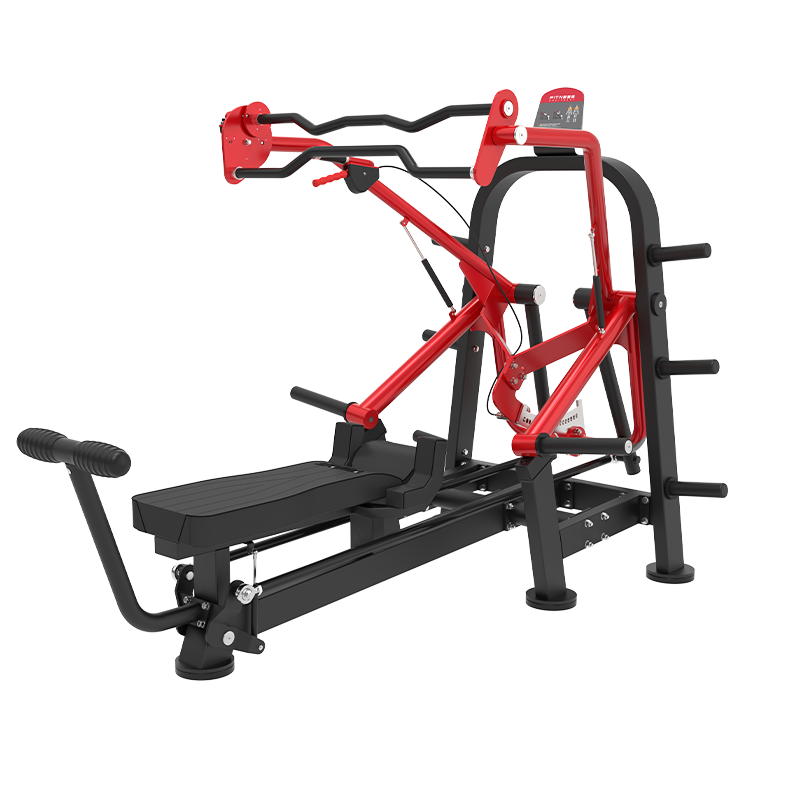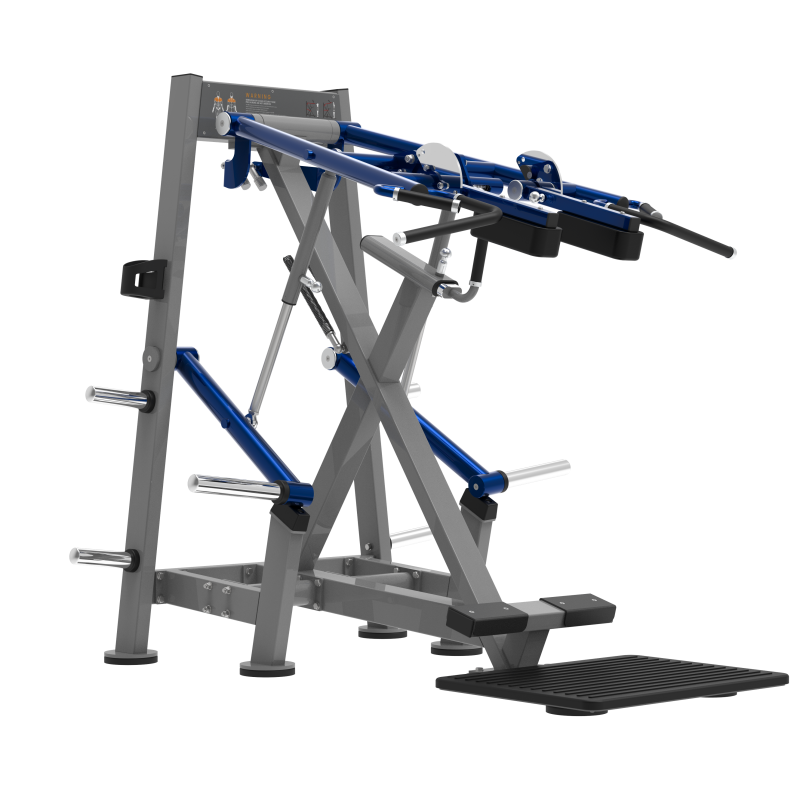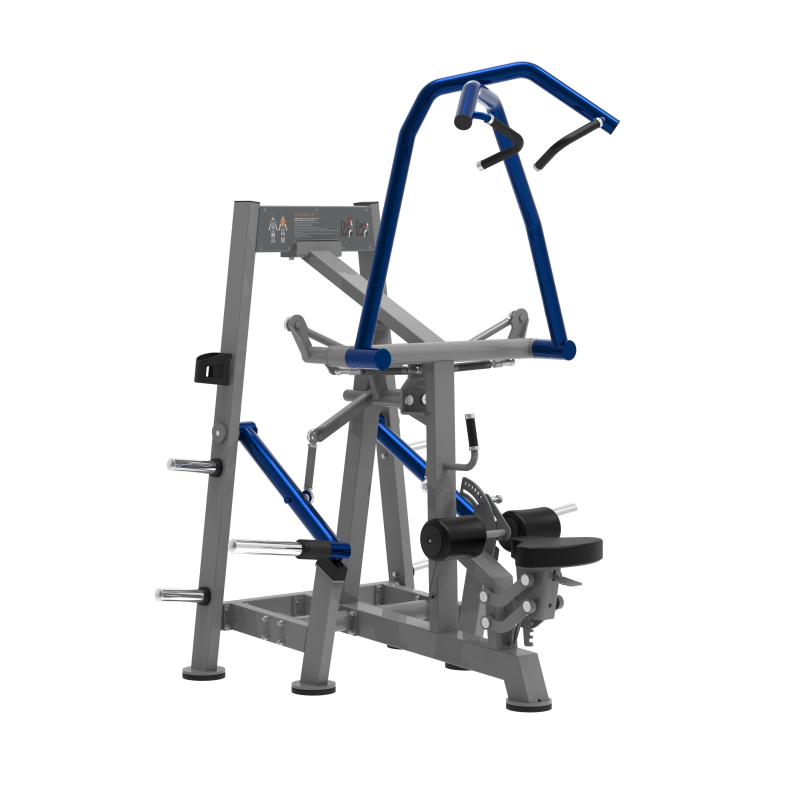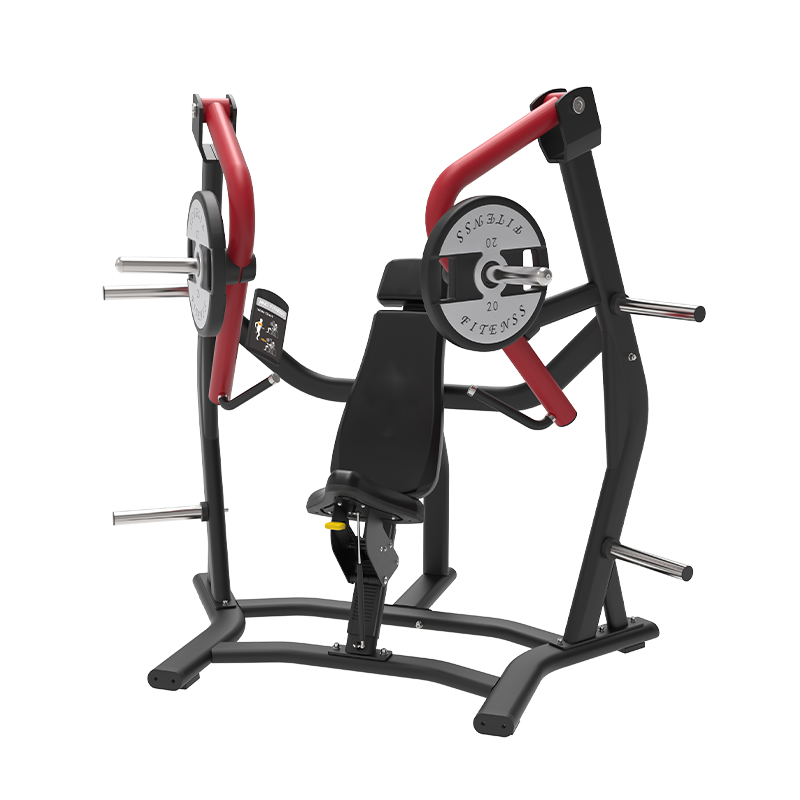



Why the lat pull down still matters in commercial gyms
The lat pull down is one of those pieces of equipment that looks simple until a gym operator starts thinking about space, durability, user mix, and training value all at once. For engineers, sourcing managers, and product teams, the real question is not whether the movement is familiar. It is whether the machine delivers a consistent pull path, stands up to repeated use, and fits the commercial floor plan without becoming an afterthought.
That matters because a lat pulldown machine is often used by beginners learning controlled back work, as well as experienced lifters who want a reliable upper body station. It is a staple in a back workout, but it also serves broader programming needs: upper back training, shoulder stability, and general strength development. In other words, this is not just another frame with a seat and a bar. It is one of the more visible tests of how a gym balances usability and build quality.
For buyers, the decision is usually less about the exercise itself and more about the details around it: selectorized or plate-loaded, footprint, adjustability, frame stability, cable feel, and serviceability. A machine can have the right label and still feel awkward in daily use. That is where the practical evaluation starts.
What a good lat pulldown setup should do
A well-designed lat pulldown should help the user stay in position, keep the movement smooth, and avoid unnecessary fiddling. Most commercial users expect a knee pad that holds them down securely, a seat height that accommodates different body sizes, and handles that allow a comfortable grip variation. If any of those elements is off, the machine becomes less inviting, especially in a busy facility where members want to get in, train, and move on.
From a product standpoint, the movement should support the latissimus dorsi exercise pattern without forcing the shoulder into a strained line. That sounds obvious, but the difference between “technically functional” and “pleasant to use” is often in the geometry. Small changes in seat positioning, thigh pad adjustment, or cable alignment can affect how the machine feels over a full training day.
Commercial buyers should also think about the machine as part of the larger back zone. A lat pulldown that pairs well with seated rows, assisted pull-up stations, and free-weight areas makes the whole floor easier to navigate. Poorly spaced equipment, by contrast, leads to congestion and a less professional training environment.
How the commercial buyer should evaluate the machine
1. Frame stability and build discipline
In a commercial gym, cosmetic appeal fades quickly if the frame flexes or the unit develops play in the moving parts. Look closely at weld quality, base width, and how the machine stands under repeated load. A heavier frame is not automatically better, but the structure should feel planted. On high-traffic equipment, stability is part of the user experience, not a technical footnote.
2. Motion feel and resistance consistency
The best lat pulldown exercise equipment gives a steady pull through the range of motion. Jerky motion, uneven cable travel, or a rough stack can make the exercise less effective and more frustrating. If possible, evaluate the machine under actual use rather than relying only on catalog claims. A showroom demo can hide issues that appear after repeated cycles.
3. Adjustability for different users
Commercial gyms serve a wide population. A machine that works for a tall lifter may feel awkward to a shorter user, and vice versa. Seat height, thigh pad range, and handle positioning should allow quick adjustment without guesswork. The faster a user can get into position, the less likely the machine is to be skipped.
4. Maintenance access
This is the part many buyers underestimate. Even a well-made lat pull down will eventually need cable inspection, lubrication, or replacement parts. If those components are hard to access, service time increases and the machine spends more time out of use. A commercial operator should ask how routine maintenance is handled before the purchase order is signed.
Where the lat pulldown fits in a gym product mix
The lat pulldown is not a specialty item reserved for advanced athletes. It is a core strength station that supports broad programming. In a hotel gym, it offers a straightforward upper-body option without intimidating first-time users. In a full commercial club, it complements heavier pull movements and helps spread traffic across the back-training zone. In a multi-use training space, it can anchor a compact strength corner when floor area is limited.
That versatility is one reason fitness operators continue to include it in new layouts. A single station can support a controlled back workout, lower-entry training for new members, and accessory work for more experienced lifters. Some owners overlook that multi-user value and focus only on the visual footprint. That is usually a mistake. The right machine earns its space by being used often, not by looking dramatic in a rendering.
What Shandong Minolta Fitness Equipment brings to the conversation
Shandong Minolta Fitness Equipment Co., Ltd. is positioned as a commercial fitness equipment manufacturer with more than a decade of experience in the sector. The company states that it operates from a 120,000-square-meter facility that includes a manufacturing workshop, quality control lab, and exhibition hall. That combination is relevant for buyers who want a clearer picture of production capability and inspection workflow, not just a sales brochure.
MND FITNESS offers a broad product range, with more than 300 types of exercise equipment for commercial and home use. Its portfolio includes multiple strength series such as MND-AN, MND-FM, MND-FH, MND-FS, MND-FB, MND-E Crossfit, MND-F, MND-FF, MND-G, and MND-H, along with cardio lines including MND-D exercise bikes and treadmill models like MND-X500, X600, and X700. For buyers building a full gym package, that breadth can simplify sourcing because equipment families are easier to coordinate than a mixed bag from unrelated vendors.
The company also notes export experience in more than 100 countries across Europe, Africa, the Middle East, South America, and Southeast Asia. That does not tell a buyer everything, of course, but it does suggest the manufacturer has dealt with different market expectations, shipping conditions, and commercial requirements. For a sourcing manager, that is at least a useful starting point.
Common mistakes when sourcing a lat pulldown machine
One common mistake is treating all strength equipment as interchangeable. It is tempting to compare only price and frame size, but a lat pulldown machine needs a more careful look at ergonomics and daily use. Another mistake is ignoring the user flow around the station. If the seat adjustment or knee pad setup is cumbersome, the machine will frustrate members and create a bottleneck during peak hours.
Buyers also sometimes under-specify the machine for the actual environment. A machine destined for a busy club, a corporate gym, or a multi-site chain has different durability expectations than one serving a light-use training room. The same unit may be acceptable in one setting and underbuilt in another. It is worth being honest about the load profile rather than choosing only by appearance.
And there is a practical warning that gets ignored more often than it should: if the accessory handles, cable path, or seat mechanism feels slightly off during evaluation, assume that annoyance will be magnified after months of use. Small irritations on a demo floor tend to become support tickets later.
Selection checklist for sourcing teams
Before placing an order, teams should compare the machine against a short list of operational questions. Does the station suit the intended users? Does it support the range of training styles your members actually perform? Can maintenance staff service it without major disassembly? Does the supplier offer a product family that can be expanded later if the gym layout changes?
It is also sensible to think beyond the lat pull down alone. If the supplier can support other strength stations in the same design language, floor planning gets easier. That is one reason many buyers prefer to work with manufacturers that offer coordinated series rather than one-off machines. Consistency in appearance and function helps the entire facility feel more deliberate.
FAQ: quick answers buyers usually want
Is a lat pulldown suitable for beginners?
Yes. In many gyms it is one of the most approachable upper-body strength stations, provided the adjustment range is easy to understand.
Is it only for lat training?
No. While it is commonly used as a latissimus dorsi exercise, it also supports upper back training and general pulling strength.
What should be checked first in a commercial purchase?
Start with motion quality, frame stability, adjustability, and maintenance access. Those four factors usually reveal more than a glossy product photo.
Where to go next
If you are comparing equipment for a gym project, the lat pulldown should be assessed as part of the whole strength zone, not as a standalone purchase. Look at how the machine fits your user profile, how it will be maintained, and whether the supplier can support the broader commercial equipment plan around it.
For buyers seeking a manufacturer with a wide product base, Minolta’s commercial strength and cardio portfolio gives procurement teams a practical way to build consistency across multiple stations. That is often where the real value sits: fewer surprises on the floor, fewer mismatched pieces in the layout, and a back-training area that gets used instead of admired from a distance.