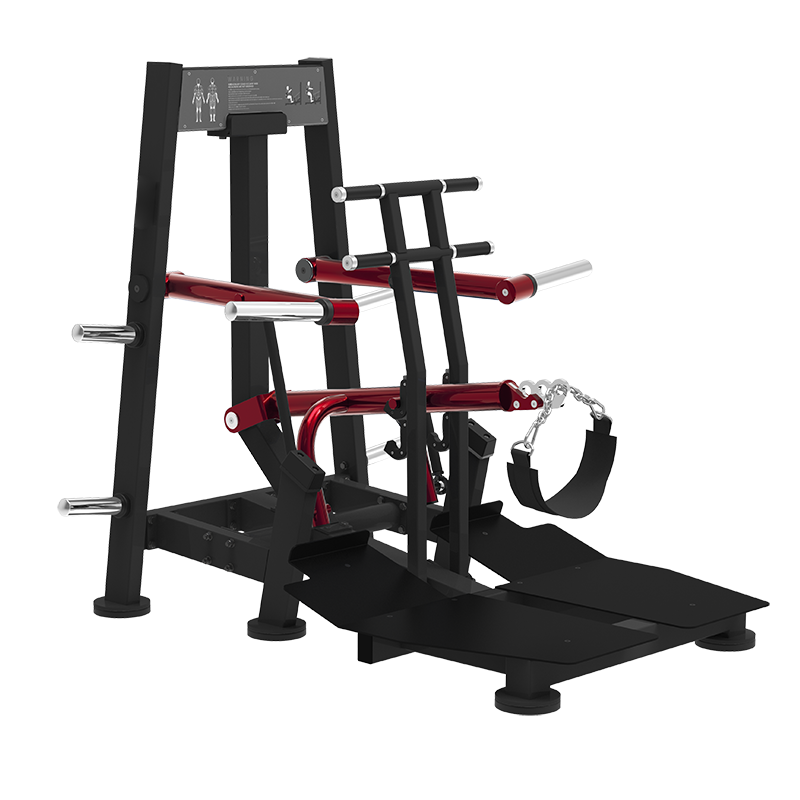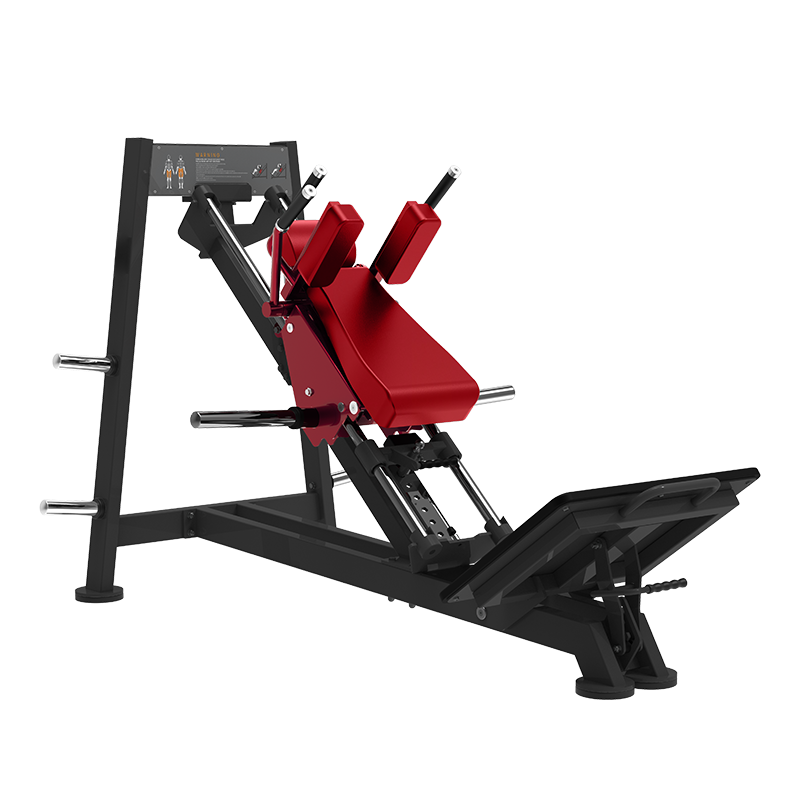



Why the standing calf still gets overlooked in commercial gym planning
The standing calf is one of those pieces of equipment buyers often leave for last, then regret once the floor is open. It is compact, not especially glamorous, and easy to underestimate beside larger strength stations. But for operators building a complete lower-body offering, the standing calf raises a useful question: how do you give members a reliable standing calf exercise that actually feels stable, repeatable, and worth using?
That matters because calf training is not just a niche bodybuilding concern. In a commercial setting, a calf workout has to serve beginners, field athletes, general fitness members, and regular lifters who simply want balanced lower-leg development. If the machine is awkward to enter, unstable under load, or poorly padded, people stop using it. And once a machine sits idle for months, it is no longer a strength asset; it is floor space with upholstery.
Shandong Minolta Fitness Equipment Co., Ltd. designs commercial gym equipment with that practical reality in mind. Leveraging Ningjin’s hardware manufacturing base, MND FITNESS offers multiple strength and cardio lines, backed by a manufacturing workshop, quality control lab, and exhibition hall across a 120,000-square-meter facility. For buyers comparing options, that scale matters because calf stations are not bought in isolation. They need to fit into a broader commercial lineup that survives real traffic.
What a standing calf machine is meant to solve
A standing calf machine is built around one simple job: allowing the user to load the calves through a standing calf raise with better balance, more consistency, and less guesswork than improvised free-weight setups. The user stands on a platform, shoulders under pads or against a support, and performs repeated plantar flexion under resistance. In plain terms, the ankle moves through a controlled range while the calf complex does the work.
That controlled setup is the main advantage. A free-weight standing calf exercise can be effective, but in busy facilities it can also turn into a balance drill with a barbell in the wrong place. A dedicated machine reduces the variability. It helps new users keep their posture cleaner and gives experienced lifters a more predictable loading pattern. That predictability is useful to trainers too, because it makes progression easier to track.
Why calf training deserves a place in the strength area
Calf training is often treated as accessory work, but the demand is real. Some members want lower-leg size. Others are trying to improve ankle stiffness, foot control, or lower-body symmetry. For sports clubs and performance facilities, a calf muscle exercise station can support protocols that include hopping, sprinting, jumping, and general posterior-chain conditioning. Even in a mainstream club, the machine is a small but visible signal that the facility does not stop at the big compound lifts.
There is also a practical retention angle. Members notice when the gym has obvious omissions. They may not complain about the absence of a standing calf machine on day one, but over time a more complete calf workout offering helps position the facility as well-equipped rather than improvised. That sounds minor until you are trying to keep serious users from drifting to a better-furnished competitor.
How to evaluate a standing calf machine before you buy
Not every lower-body machine earns its floor space. A standing calf unit should be judged on usability first and finish quality second. Buyers sometimes focus on frame thickness or cosmetics and miss the things that affect daily use. That is a mistake.
1. Entry and exit
The user should be able to step into position without fighting the machine. If the platform is awkward or the pads are too restrictive, people with limited mobility will avoid it. In a commercial gym, a good station should accommodate quick turnover. That is especially important during peak hours when users do not want to wait while someone wrestles with setup.
2. Stability under load
A standing calf raise should feel firm, not springy or top-heavy. Stability depends on frame geometry, base design, and the quality of moving parts. If the stack or resistance path rattles, users notice immediately. They may not describe the issue technically, but they will describe the machine as “cheap” or “wobbly,” which is worse for the buyer.
3. Pad comfort and contact points
Because the movement is repetitive, the shoulder pads and foot platform need to be comfortable enough for extended sets without becoming soft or unstable. Too much padding can be as bad as too little; it compresses unevenly and changes the feel of the lift. In a calf muscle exercise station, consistent contact matters more than plush upholstery.
4. Resistance feel
Whether the machine uses plate loading or another resistance format, the movement should feel smooth through the working range. Calves respond well to controlled tension, but the machine should not force a jerky rhythm. Buyers should always test the machine through slow reps and partials, because calf training often includes both.
How standing calf fits into a broader commercial lineup
One reason Minolta is relevant to this category is range. The company’s Strength Series includes multiple product families, such as MND-AN, MND-FM, MND-FH, MND-FS, MND-FB, MND-E Crossfit, MND-F, MND-FF, MND-G, and MND-H, alongside cardio lines like MND-D exercise bikes and X500, X600, X700 treadmills. For a purchasing team, that matters because one supplier can often support a more coherent floor plan across strength and cardio zones.
That does not mean every model suits every facility. A compact studio, a large commercial club, and a hotel fitness room have different traffic patterns and service expectations. Still, if you are building a plan that includes a standing calf station, it helps to source from a manufacturer already accustomed to supplying mixed commercial environments rather than a one-product vendor with limited support depth.
Common buyer mistakes with calf machines
The first mistake is assuming members will adapt to a poor machine because calf work is secondary. They will not. If the machine is uncomfortable, they will skip it or improvise elsewhere.
The second mistake is underestimating maintenance. Calf machines are not mechanically exotic, but repeated loading, foot traffic, and sweat exposure can still expose weak finishes or loose fittings. In a commercial gym, small defects become visible fast.
The third mistake is buying for looks alone. A polished frame helps, but a standing calf machine must hold up to repetitive use. If the machine looks good on arrival but feels inconsistent after a month, the floor staff will hear about it.
What sourcing managers should ask a supplier
Before placing an order, ask for enough detail to verify fit, function, and serviceability. That includes available model options, frame construction approach, moving-part design, packaging method, and what quality control checks are performed in-house. In Minolta’s case, the presence of a manufacturing workshop and quality control lab suggests the company is structured for this kind of inquiry, which is a practical plus even when exact specifications vary by model.
Also ask how the standing calf integrates with the rest of the strength line. Facilities often benefit from visual consistency across machines, especially in mid- to high-end commercial installations. A mismatched collection can make a gym look assembled rather than planned.
Practical programming notes for gym operators
From a programming perspective, the standing calf is easy to place but easy to neglect. Trainers often slot it at the end of lower-body sessions, which is fine, but that means the machine should be convenient and ready. If the station is tucked into an awkward corner, usage drops.
For members, the machine works best when paired with clear coaching cues: controlled tempo, full range as tolerated, no bouncing, and a brief pause at the top. A standing calf exercise done carelessly becomes a hip-shrugging motion with little ankle demand. The machine cannot fix bad coaching, but it can make good coaching easier to deliver.
Why global buyers consider manufacturers with export experience
Minolta reports exports to more than 100 countries across Europe, Africa, the Middle East, South America, and Southeast Asia. For international buyers, that suggests the company is used to different market expectations, shipping requirements, and commercial floor standards. It does not replace due diligence, of course, but it does reduce the risk of dealing with a supplier that only understands one domestic buying pattern.
When you are sourcing a standing calf or building a broader calf training area, that kind of export history can simplify the conversation around documentation, logistics, and post-sale support. The useful part is not the number itself; it is the operational maturity behind it.
FAQ for buyers comparing standing calf options
Is a standing calf machine necessary in every gym?
Not always, but it is a strong fit for commercial clubs that want complete lower-body coverage. If space is tight, you may prioritize multifunction strength units first.
Should a facility choose standing calf over seated calf?
They serve different training angles. A standing model is more commonly associated with the gastrocnemius, while seated work shifts emphasis differently. Many larger gyms keep both if space and budget allow.
What is the biggest mistake in calf machine purchasing?
Buying a machine that looks sturdy but does not feel natural to use. Calf work is repetitive, so comfort and stability count more than buyers sometimes expect.
A sensible next step for sourcing teams
If you are evaluating a standing calf machine for a commercial facility, start with the user experience, not the brochure. Test the entry, the balance, the resistance feel, and the finish after repeated movement. Then compare how the supplier supports the rest of your floor plan. A good calf machine should not feel like an afterthought. It should slot into the strength area with the same confidence as the larger stations around it.
For buyers looking for a manufacturer with broad commercial equipment coverage, MND FITNESS offers a useful starting point, especially if you want the calf station to sit alongside a wider strength and cardio range from a single source. Request model details, compare the setup against your member profile, and make sure the machine earns its place before you allocate the floor space.