


Why an Adjustable Web Box still matters in a crowded training floor
An Adjustable Web Box is one of those pieces of fitness equipment that looks simple until you watch how often it gets used. In a commercial gym, a studio, or even a home setup, a compact box with changing height options can fill more roles than its footprint suggests. It supports step-ups, box jumps, platform work, mobility drills, and general conditioning. For buyers, the real question is not whether the box is basic; it is whether the design suits the training style, the users, and the space.
That is where the buying decision gets practical. A fitness training box can save room and widen exercise options, but only if the structure is stable, the surface is comfortable enough for repeated contact, and the height changes make sense for the intended users. A poorly chosen unit becomes a wobbling nuisance. A well-chosen one becomes the sort of item that disappears into daily use because everyone trusts it.
What the product type is designed to do
The term Adjustable Web Box is used broadly in the market, but the core idea is consistent: a box or bench-style training platform that can change working height or support different movement patterns. Depending on the build, it may be used as an adjustable box jump, a plyometric training box, or a height adjustable jump box for conditioning work. Some versions are more rigid and heavy-duty, while others are lighter and intended for more general gym use.
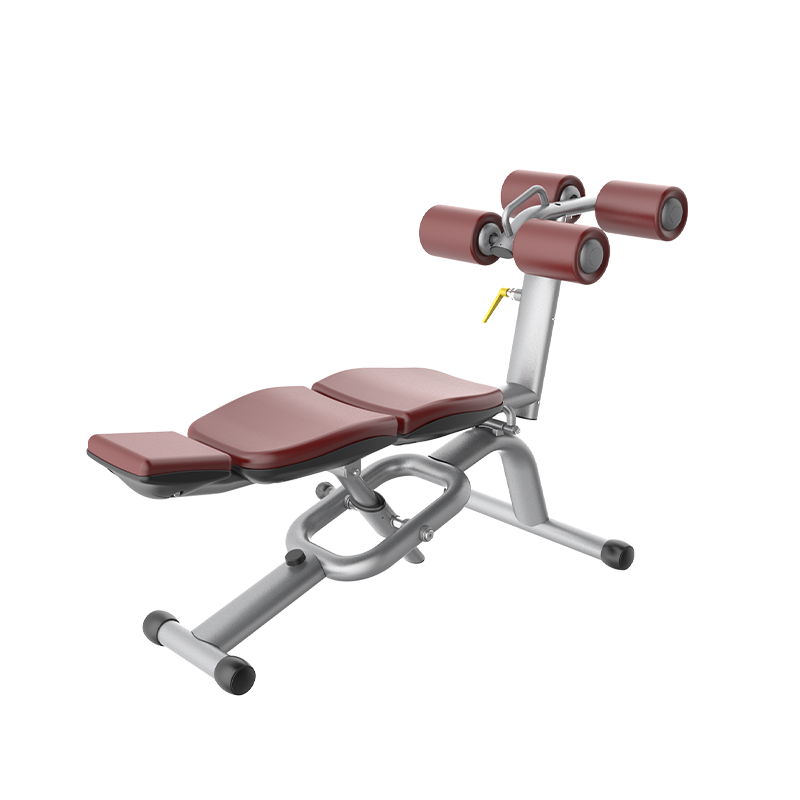
The product details provided here point to a fabricated metal fitness unit rather than a simple wooden plyo box. The visible structure includes a tubular metal frame with angled support legs, rubber end caps or foot pads, and multiple contoured pads in a dark red finish. There is also a segmented pad arrangement and a section that appears adjustable near the upper body support area. Four cylindrical foam rollers near the head end suggest the equipment is intended for abdominal or bench-based bodyweight exercises as well as broader training use.
That mix of features is useful. It means the same piece can serve multiple users without turning the room into a storage problem.
Quick reference: where this style of training box fits best
For buyers comparing options, it helps to separate training intent from form factor.
If the goal is explosive plyometrics, a wooden plyo box is often the familiar reference point. It is simple, dense, and easy to understand, though it may not offer the same comfort or multi-purpose use as a padded adjustable unit.
If the goal is mixed training in a gym floor environment, an adjustable box jump platform or multifunctional fitness training box may be more practical. The padded contact points and metal frame can make the product better suited to repeated use in spaces where different members train with different levels of confidence.
If the goal is abdominal work, the bench-style arrangement matters more than the jump-box label. The visible roller pads and support geometry suggest this product can also function as a compact bench for sit-ups, decline crunch-style work, and similar core training.
Construction details buyers should look at closely
The visible build tells you a fair amount, even without exact specifications. The frame appears to be silver or gray painted or powder-coated metal, which is a sensible choice for a commercial or semi-commercial environment. The angled support legs should help distribute load and improve floor contact, while the rubber foot pads reduce slipping and protect flooring.
The padded sections are equally important. Multiple contoured pads in a burgundy finish indicate a design intended for repeated skin contact, not just quick step movements. In practical terms, that matters because users will lean, brace, or lock into position on this unit more often than they would on a bare wooden surface. Comfort affects compliance. If the equipment feels harsh, people avoid it.
The foam rollers near the head end are a small but telling detail. They likely stabilize the legs during abdominal exercises, which broadens the use case beyond jumping and basic platform work. That kind of crossover functionality is useful in commercial gyms, where every square meter has to earn its place.
One caution: because the exact padding density, cover material, and frame grade are not confirmed, buyers should not assume premium durability from appearance alone. Tubular metal can be robust, but the weld quality, connection points, and upholstery finish determine how the product behaves after months of use.
Adjustability: useful feature or marketing label?
Adjustability is often the headline feature, but in gym equipment it can mean several different things. On one product, it may mean a true height change for jumping drills. On another, it may refer to a support section that changes angle or position for exercise variety. Those are not the same thing, and buyers should not treat them as interchangeable.
For a height adjustable jump box, the important question is whether the adjustment is secure under dynamic movement. Users land with force, not delicacy. Any play in the structure becomes obvious immediately. For a bench-oriented unit, the relevant issue is whether the adjustment feels intuitive and whether moving parts remain stable after repeated use.
The safest approach is to ask for the adjustment mechanism details, not just the product name. That saves time and prevents mismatch between training intent and actual design.
Material and manufacturing considerations
From a manufacturing perspective, this product belongs to the broader category of fabricated metal fitness equipment. That usually means welded tube frame construction, formed padding, and assembly hardware for the adjustable sections. In a plant setting, that can involve cutting, bending, welding, surface finishing, upholstery assembly, and final inspection.
MND FITNESS, through Shandong Minolta Fitness Equipment Co., Ltd., has a wide commercial equipment portfolio that includes strength and cardio series for both home and professional use. The company also operates with a large manufacturing footprint and a quality control lab, which is relevant to buyers who want a supplier that understands repeatable production rather than one-off fabrication. It is fair to say that this kind of equipment benefits from that sort of manufacturing discipline.
The company’s broader range, including strength and cardio lines sold to international markets, suggests familiarity with varied buyer expectations. That does not replace product-specific verification, of course, but it is a useful sign when sourcing gym equipment for mixed-use facilities.
How to choose between similar products
When comparing an Adjustable Web Box with other gym platforms, I would keep the checklist short and practical.
First, match the movement pattern. If the unit is mainly for jumping, prioritize stability, surface area, and the confidence users feel stepping up. If it is for core work and bench-style exercise, pay more attention to the padding geometry, roller placement, and user positioning.
Second, look at floor behavior. Rubber feet, a wide base, and a low wobble profile matter more than decorative details. A compact footprint is valuable, but not if the box shifts under load.
Third, consider the maintenance reality. Upholstered surfaces need cleaning; metal frames need finishing that can tolerate frequent wiping. In a busy gym, anything with awkward seams or exposed edges becomes a wear point.
Fourth, think about user range. A product that only suits advanced athletes may be wrong for a rehab space or hotel gym. The best multi-purpose unit tends to be the one that supports moderate intensity well and does not intimidate newer users.
Common buying mistakes
The first mistake is buying for the photo instead of the program. A sleek adjustable box may look right on a website and still be wrong for your training floor.
The second mistake is assuming all plyometric training box products are equally stable. Some are designed for controlled drills, others for repeated jumping. The difference becomes clear quickly when multiple users start using them back-to-back.
The third mistake is overlooking upholstery and support surfaces. A wooden plyo box can be fine for some applications, but it is not always the better choice for core training or mixed-use environments where padding improves comfort and versatility.
The fourth mistake is skipping questions about serviceability. Replacement pads, hardware access, and finish durability are not glamorous topics, but they matter in real facilities.
Practical buyer advice for commercial and home use
If you are buying for a commercial gym or studio, choose the version that balances durability with user confidence. A box that looks tough but feels awkward may end up underused. In contrast, a well-padded, stable training box can become a daily staple for classes, individual training, and warm-up circuits.
For home gym buyers, compactness matters more than ever. A smaller footprint and multi-function design usually beat a specialized tool that only gets used once a week. The visible bench-like arrangement in this product is a plus because it gives you more ways to justify the space.
For rehab or light exercise settings, the safest option is often the most controlled one. A unit that supports stable positioning and moderate bodyweight movement may be more useful than a higher-performance jump box. That sounds obvious, but it is often ignored until the first injury concern appears.
Questions buyers should ask a supplier
Before placing an order, ask for the practical details that are not obvious from the product image:
What is the exact adjustment function?
Are the foam rollers fixed or adjustable?
How is the frame finished, and how does it hold up to frequent cleaning?
What does the upholstery cover material feel like in daily use?
Can the unit be used safely on different floor types?
What type of training is it intended for most strongly: jumping, bench work, or mixed use?
Those questions are basic, but they separate a fitting purchase from a hopeful one.
FAQ
Is an Adjustable Web Box the same as a wooden plyo box?
Not necessarily. A wooden plyo box is usually a simple rigid jump platform. An Adjustable Web Box may include padding, a metal frame, and a different training purpose, especially if it also supports bench-style work.
Can one product handle both jumps and abdominal exercises?
In some designs, yes. The product described here shows features that point to both use cases. Still, buyers should confirm the intended loading and adjustment function before treating it as a true multi-discipline unit.
Why does the frame material matter so much?
Because the frame carries the real stress. Upholstery can make a unit look finished, but welds, base geometry, and finish quality determine whether it keeps its shape and stays stable over time.
What to do next
If you are sourcing an Adjustable Web Box for a gym, studio, or home training line, start by defining the main exercise use rather than the product name. Then verify the adjustment mechanism, structural stability, and pad layout with the supplier. MND FITNESS, through Shandong Minolta Fitness Equipment Co., Ltd., can be a relevant contact point if you are looking for commercial-grade fitness equipment from a manufacturer with broad production experience.
The right decision here is less about novelty and more about fit: does the unit support the work your users actually do, day after day? That is the question worth answering before anything else.