


Why buyers keep searching for MND Fitness Equipment
When a gym owner, distributor, or project manager starts comparing MND Fitness Equipment with other commercial suppliers, the real question is usually not about brand names. It is about uptime, range, and whether the machines will hold up under daily use. In a commercial setting, a single weak station can create a queue, frustrate members, and turn into maintenance calls that cost more than the original savings. That is why buyers often look beyond brochure language and ask how a manufacturer is organized, what categories it covers, and whether the product line fits the kind of facility they are building.
For that reason, MND Fitness Equipment tends to attract attention from buyers who need a broad catalog of Commercial Gym Equipment rather than one or two specialty items. Shandong Minolta Fitness Equipment Co., Ltd. says it has more than a decade of experience, a 120,000-square-meter facility, and a catalog that spans strength and cardio. Those are the kinds of facts that matter to sourcing teams because they hint at production depth, quality control, and the ability to support repeat orders.
What the product range tells you at a glance
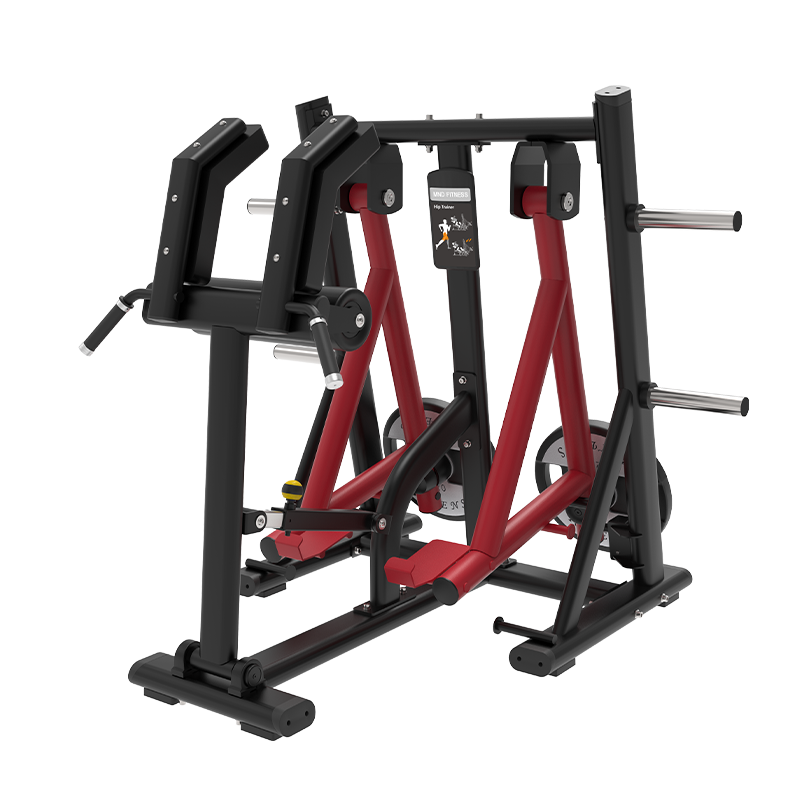
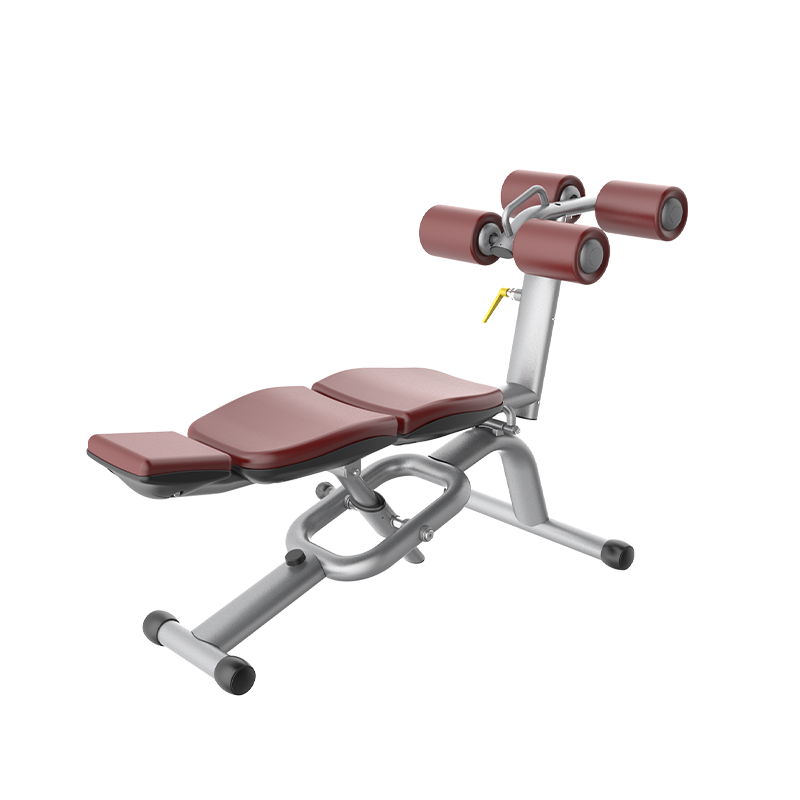
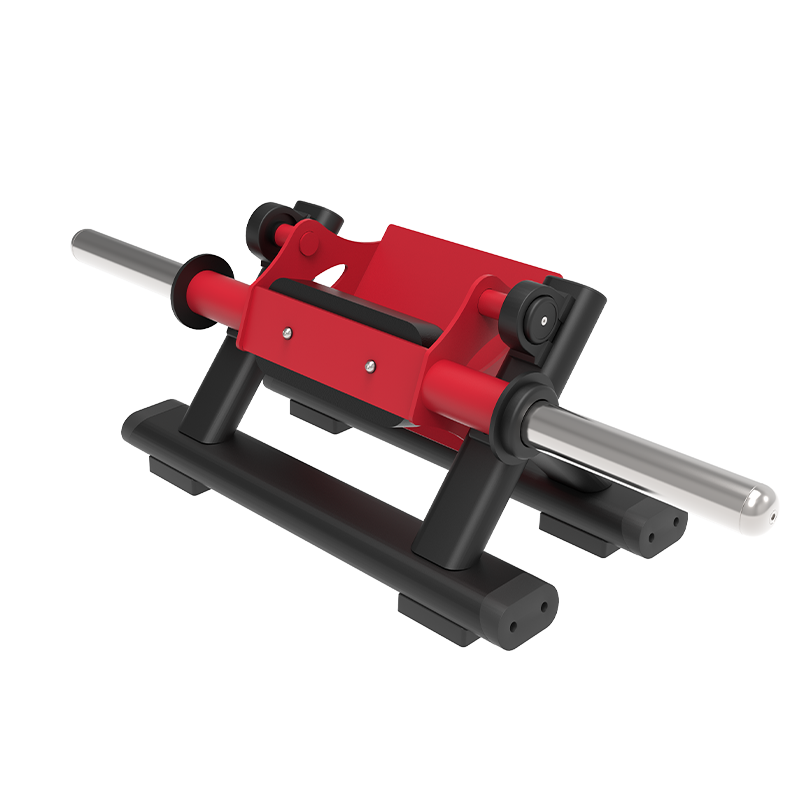
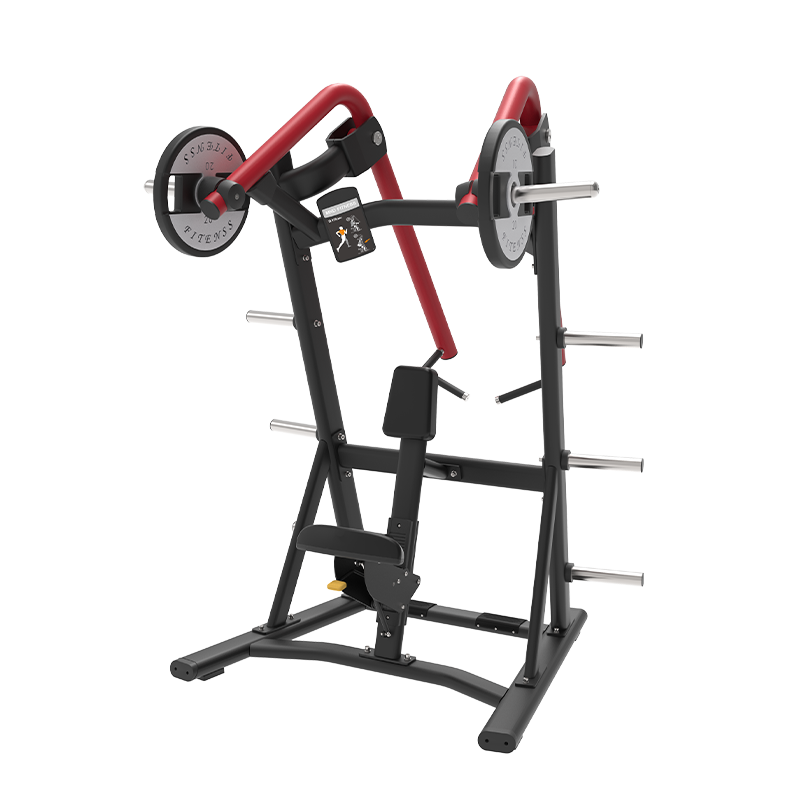
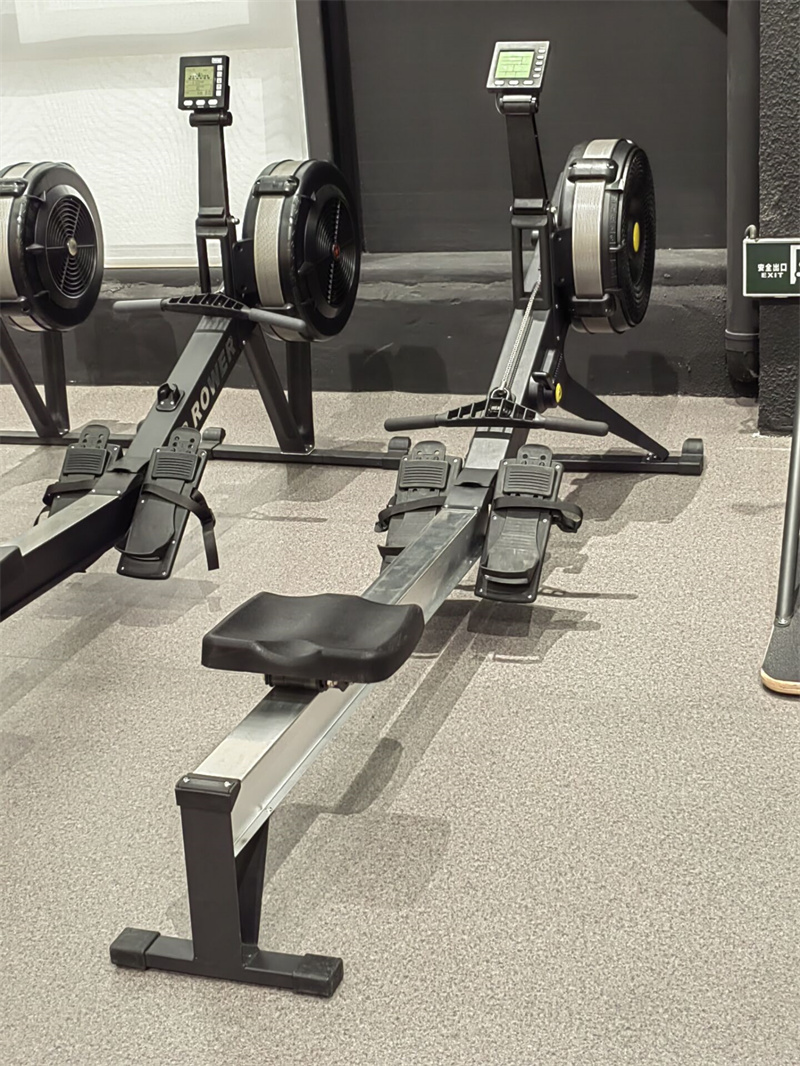
A supplier’s line-up often says more than its sales pitch. In this case, MND FITNESS offers a wide spread of Professional Fitness Machines across strength and cardio, with series names that suggest a structured catalog rather than a loose mix of random SKUs. The company lists Strength Series lines such as MND-AN, MND-FM, MND-FH, MND-FS, MND-FB, MND-E Crossfit, MND-F, MND-FF, MND-G, and MND-H. On the cardio side, it lists MND-D exercise bikes plus MND-X500, X600, and X700 treadmills.
That kind of segmentation matters. A gym buyer does not just need “a treadmill” or “a shoulder press.” They need a family of machines that can work together across a floor plan, match the training style of the facility, and simplify replacement planning later. A supplier with more than 300 types of exercise equipment can usually help with that, especially when the mix includes both Cardio Fitness Machines and resistance equipment.
Why manufacturing depth matters more than product count
Many catalogs look impressive on paper. The real test is whether the manufacturer can support consistent output and practical after-sales expectations. Shandong Minolta Fitness Equipment Co., Ltd. says its operation includes a manufacturing workshop, quality control lab, and exhibition hall. For a buyer, that is not just a nice description. It suggests the company is set up to show, inspect, and build product in one place, which is the minimum you would want from a serious Gym Equipment Supplier.
Its location in Ningjin also matters. Ningjin is known for a strong hardware and manufacturing base, and that kind of industrial ecosystem often supports metal fabrication, parts sourcing, and faster iteration on product development. Buyers should still verify actual production capability for their order mix, of course, but a manufacturing environment like this can be useful when a project needs both standard models and a degree of customization.
Strength and cardio: how to think about the decision
Most procurement mistakes happen when buyers treat all exercise machines as if they serve the same purpose. They do not. Strength equipment and cardio units fill different commercial roles, wear at different rates, and shape the user experience in different ways. A club with strong strength traffic may prioritize plate-loaded or selectorized stations. A hotel gym may care more about compact footprint and straightforward cardio options. A municipal or institutional facility often needs durability and easy maintenance above all else.
In the MND Fitness Equipment catalog, the presence of multiple strength lines and several treadmill and bike options gives buyers room to build a balanced floor plan. That does not automatically make the purchase right, but it does reduce the risk of being forced into a narrow, one-size-fits-all package. For many operators, that flexibility is what separates ordinary Commercial Fitness Equipment from a usable long-term purchase.
What to ask before you place an order
Spec sheets matter, but they rarely tell the whole story. Before you buy, ask how the equipment is intended to be used and serviced. Is the frame geometry designed for heavy club traffic or lighter institutional use? Are replacement parts easy to identify? Does the vendor support mixed orders across strength and cardio, or do they prefer larger batches of a single type? Small questions like these often reveal whether the supplier is comfortable with real commercial deployment.
Buyers should also request clarity on configuration options, packaging, and loading plans. Even a well-made machine can become a problem if it arrives in a format that does not suit your warehouse, your elevator, or your installation crew. This is one reason experienced sourcing managers often prefer working with a factory that can present its range in a controlled exhibition environment, then back that up with production capacity.
Practical selection criteria that are easy to overlook
First, check whether the line supports the training style you actually sell. A budget apartment gym, a boutique strength studio, and a school fitness room do not want the same mix.
Second, ask about the service model. Commercial equipment is only as attractive as the support around it, especially after the first year of daily use.
Third, compare frame feel, motion quality, and adjustment logic, not just the feature list. Buyers often notice too late that a machine can be technically adequate yet awkward for end users.
Fourth, think about the future. If your brand is going to scale, you want a supplier that can repeat the same models later rather than quietly replacing them every season.
Common buyer mistakes when sourcing from a gym equipment manufacturer
One common mistake is assuming that a long catalog automatically means a match for commercial use. It does not. Another is focusing on appearance and ignoring the practical details that matter after installation: access for cleaning, ease of adjustment, weight-stack behavior, and the stability of the base. These things sound minor during the procurement phase, but they become visible very quickly once members start training.
A second mistake is failing to separate marketing claims from manufacturability. A supplier may list many series, but the buyer still needs to know which models are standard production items and which are special-order variations. That distinction can affect lead time, spare part planning, and even floor layout approval. It is better to ask a slightly awkward question early than to discover later that a promised configuration was not as mature as expected.
Finally, some buyers under-spec the cardio zone. They spend too much attention on the weight area and forget that Cardio Fitness Machines take high visibility in most facilities. Treadmills and bikes are often the first pieces members see and the first ones they notice when something feels off. That is a branding issue as much as a hardware issue.
How MND Fitness Equipment fits different commercial scenarios
Because the company reports more than 300 types of equipment and exports to over 100 countries across Europe, Africa, the Middle East, South America, and Southeast Asia, it appears positioned for international buyers with varied facility types. That does not guarantee the same result in every market, but it does suggest experience with broader commercial requirements and different purchasing expectations.
For a distributor, this kind of range can help build a catalog without juggling too many vendors. For a project contractor, it can simplify matching equipment classes to a gym concept. For a chain operator, the appeal may be consistency across multiple sites, especially if the supplier can repeat models and support ongoing replenishment.
Still, buyers should avoid the trap of assuming that a big export footprint solves local planning problems. Transport route, install environment, service access, and target end user all matter. A machine that works well in a large urban club may be less suitable for a compact hotel gym or a school training room. That is ordinary purchasing logic, but it gets forgotten surprisingly often when a supplier has a wide reach.
Questions worth asking the supplier directly
If you are evaluating MND Fitness Equipment or a comparable manufacturer, a short, disciplined question list can save time. Ask which products are best suited for heavy daily commercial use. Ask which models are most commonly ordered together. Ask whether the factory can support mixed shipments of strength and cardio. Ask how the quality control lab is used in production flow. And ask what documentation is available for installation and maintenance.
You do not need a dramatic pitch. You need a supplier who can answer operational questions clearly. In practice, the better manufacturers usually welcome that kind of conversation because it helps them narrow the order to realistic use cases.
A sensible next step for buyers
If your priority is to source Commercial Fitness Equipment from a manufacturer with broad product coverage, MND Fitness Equipment is worth a closer look. The company’s range, factory scale, and export footprint suggest a supplier built for commercial buying rather than casual retail sales. But as always, the right move is to compare the actual machine lineup against your facility type, user volume, and service expectations.
The safest approach is simple: request a model shortlist, check the configuration details, confirm the commercial fit, and evaluate how the supplier handles follow-up questions. Good gym procurement is rarely about finding the loudest brand. It is about choosing equipment that will still be useful after the first year, the first service call, and the first round of expansion.