


What buyers usually mean when they search for MND Fitness
When sourcing mnd fitness equipment, most buyers are not just looking for a logo or a catalog. They are trying to judge whether the brand can supply durable fitness equipment that fits a real training environment: a commercial gym, a hotel fitness room, a school, or even a carefully planned home training corner. That distinction matters. A machine that looks good on a brochure can still be a poor fit if it cannot handle repeated use, if the movement path feels awkward, or if the supplier cannot support consistent quality across a mixed order.
For sourcing managers, the question is usually simple to state and harder to answer: which gym equipment supplier can deliver a broad enough range, with the manufacturing depth to support volume, while still keeping the product line practical for end users? That is where Shandong Minolta Fitness Equipment Co., Ltd. enters the conversation.
Who Shandong Minolta Fitness Equipment Co., Ltd. is
Shandong Minolta Fitness Equipment Co., Ltd. operates under the MND FITNESS name and has over a decade of experience in the fitness equipment sector. The company says it leverages Ningjin’s hardware manufacturing base, which is worth noting because industrial clusters often affect more than just cost. They can influence access to metalworking expertise, component sourcing, and the general pace at which a factory can turn drawings into finished equipment.
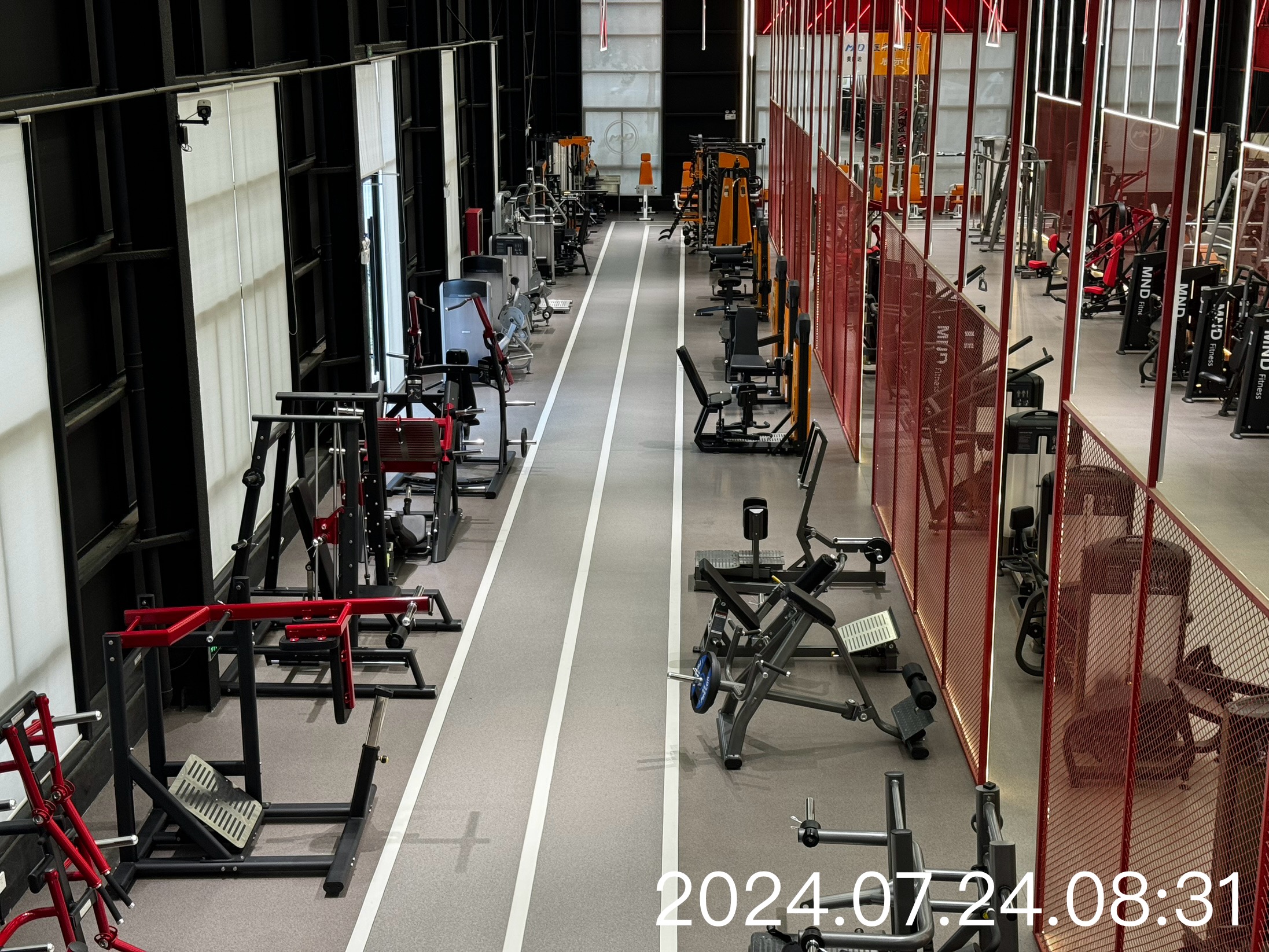
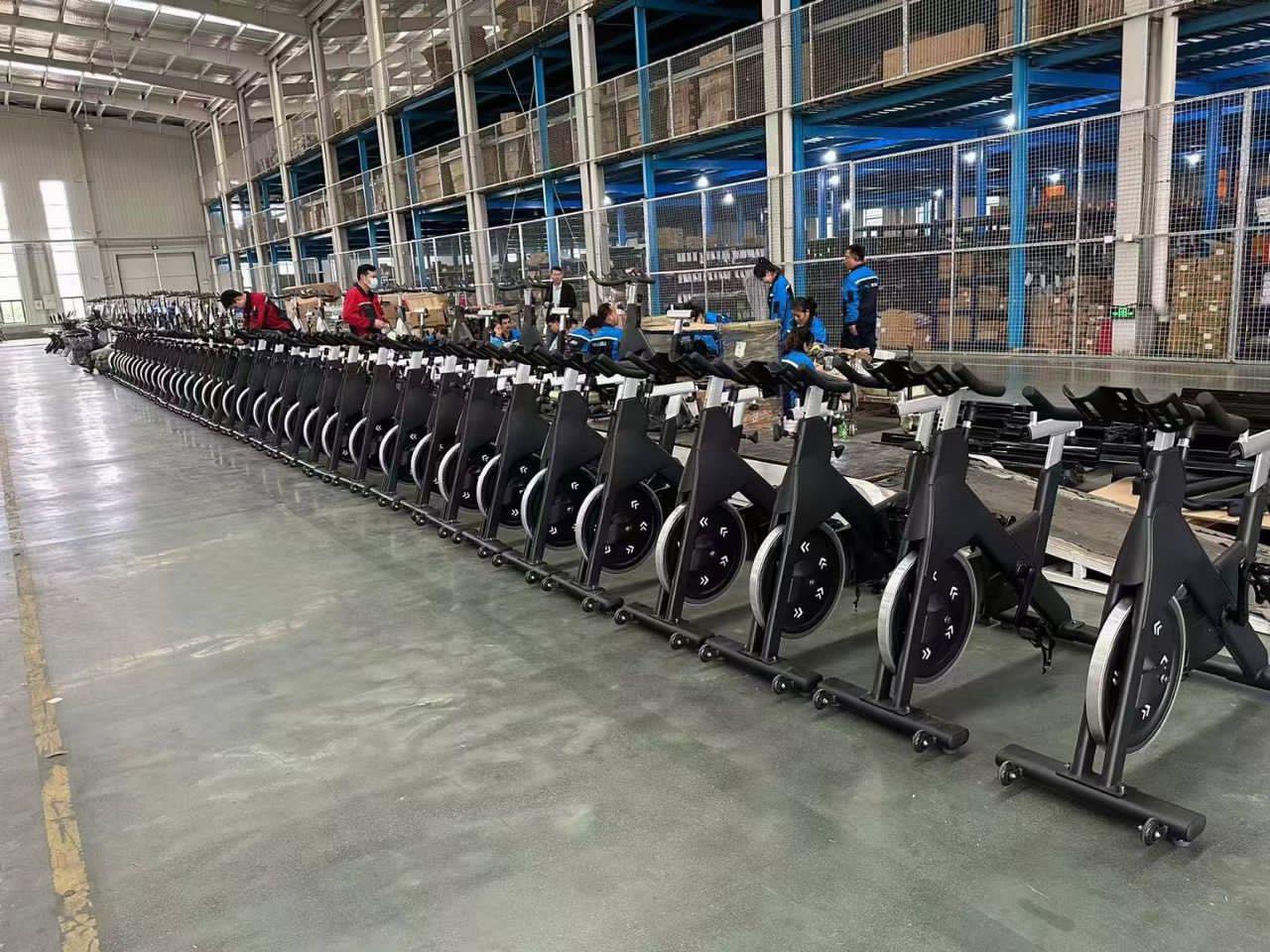
The company reports a 120,000-square-meter facility that includes a manufacturing workshop, a quality control lab, and an exhibition hall. That combination tells a buyer something useful. A workshop suggests production capacity, a QC lab suggests the company is thinking about repeatability, and an exhibition hall usually means there is at least a practical range of models available for inspection rather than a handful of sample pieces.
MND FITNESS also claims a catalog of more than 300 types of exercise equipment for commercial and home use, and it has exported to more than 100 countries across Europe, Africa, the Middle East, South America, and Southeast Asia. Export footprint alone does not guarantee a good purchasing experience, but it does suggest the supplier understands the demands of cross-border trade, mixed market standards, and the simple reality that many buyers need documentation and communication to be more orderly than they would like.
Product range: why breadth matters, but only up to a point
A wide catalog can be a strength, yet buyers should still think in terms of actual use cases rather than total SKUs. MND FITNESS organizes its offering into strength and cardio families, which is the right way to read it if you are comparing suppliers.
Strength Series
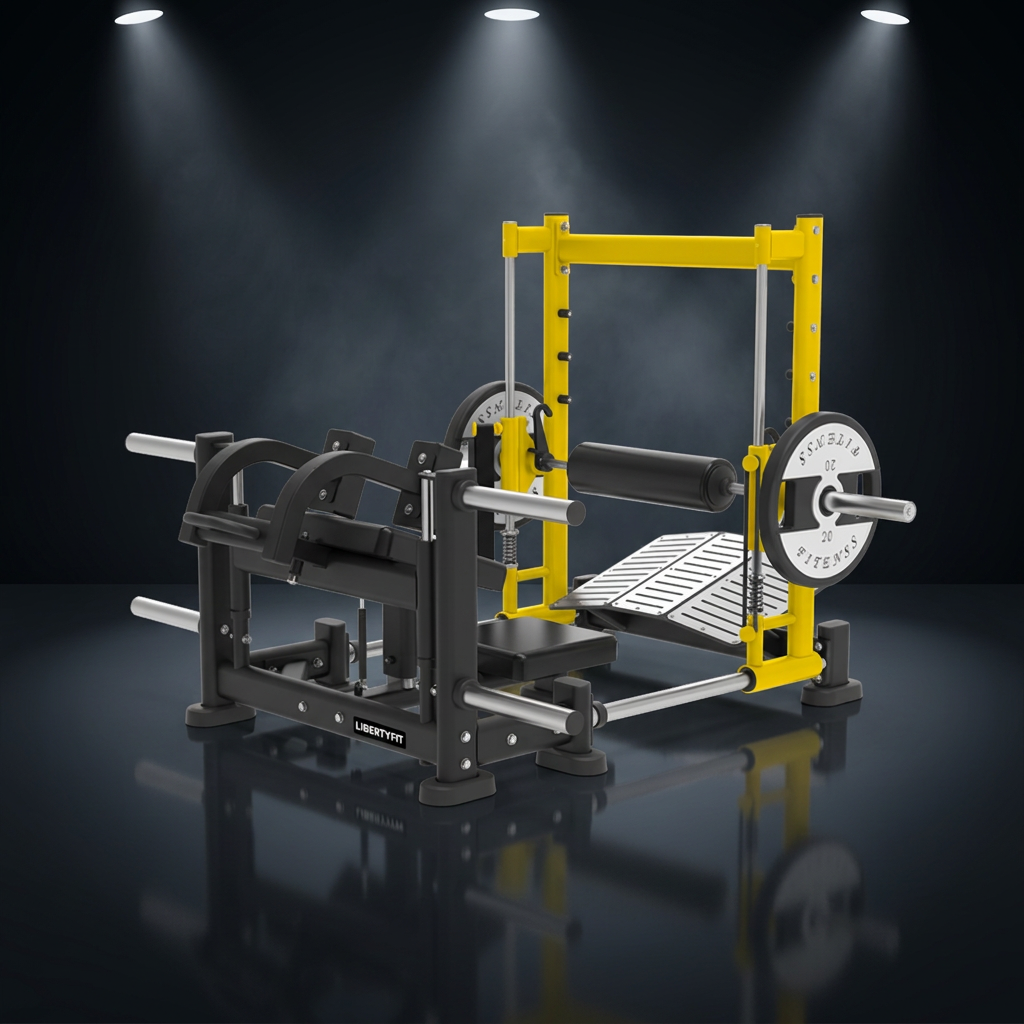
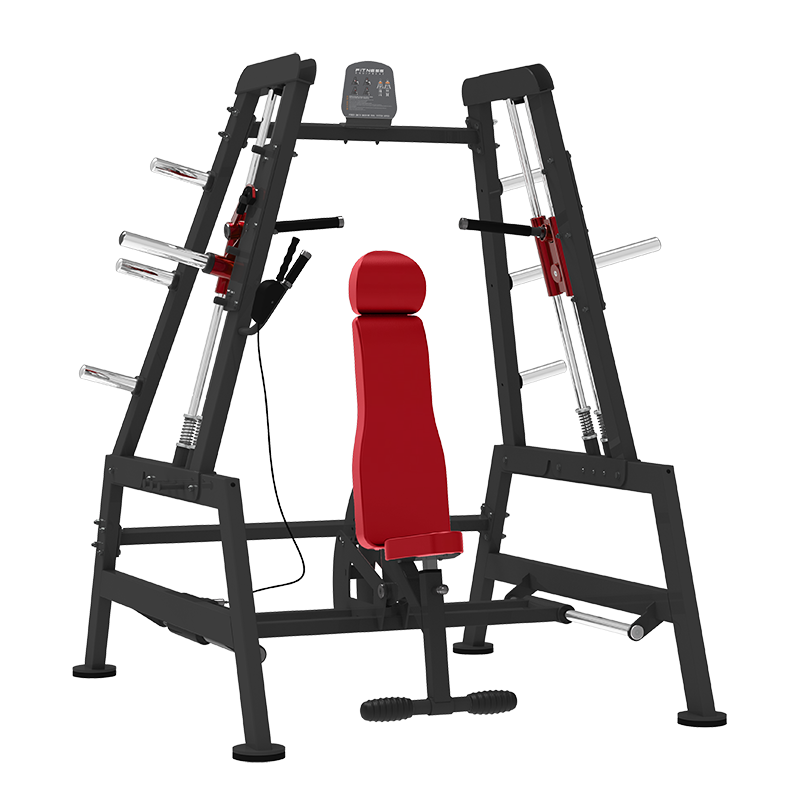
The company lists multiple strength lines, including MND-AN, MND-FM, MND-FH, MND-FS, MND-FB, MND-E Crossfit, MND-F, MND-FF, MND-G, and MND-H. For buyers, that matters because commercial gym equipment is rarely purchased one machine at a time. A club often wants a consistent training floor: selectorized machines, plate-loaded equipment, functional training stations, and pieces that fit the style of the facility.
If you are evaluating strength training equipment from a manufacturer like MND, the practical question is not merely whether there are “many options.” It is whether those options can be assembled into a coherent zone. Mixed frame styles, inconsistent pad geometry, or odd stack heights can make a gym look pieced together, even if every item is technically serviceable.
Cardio Series
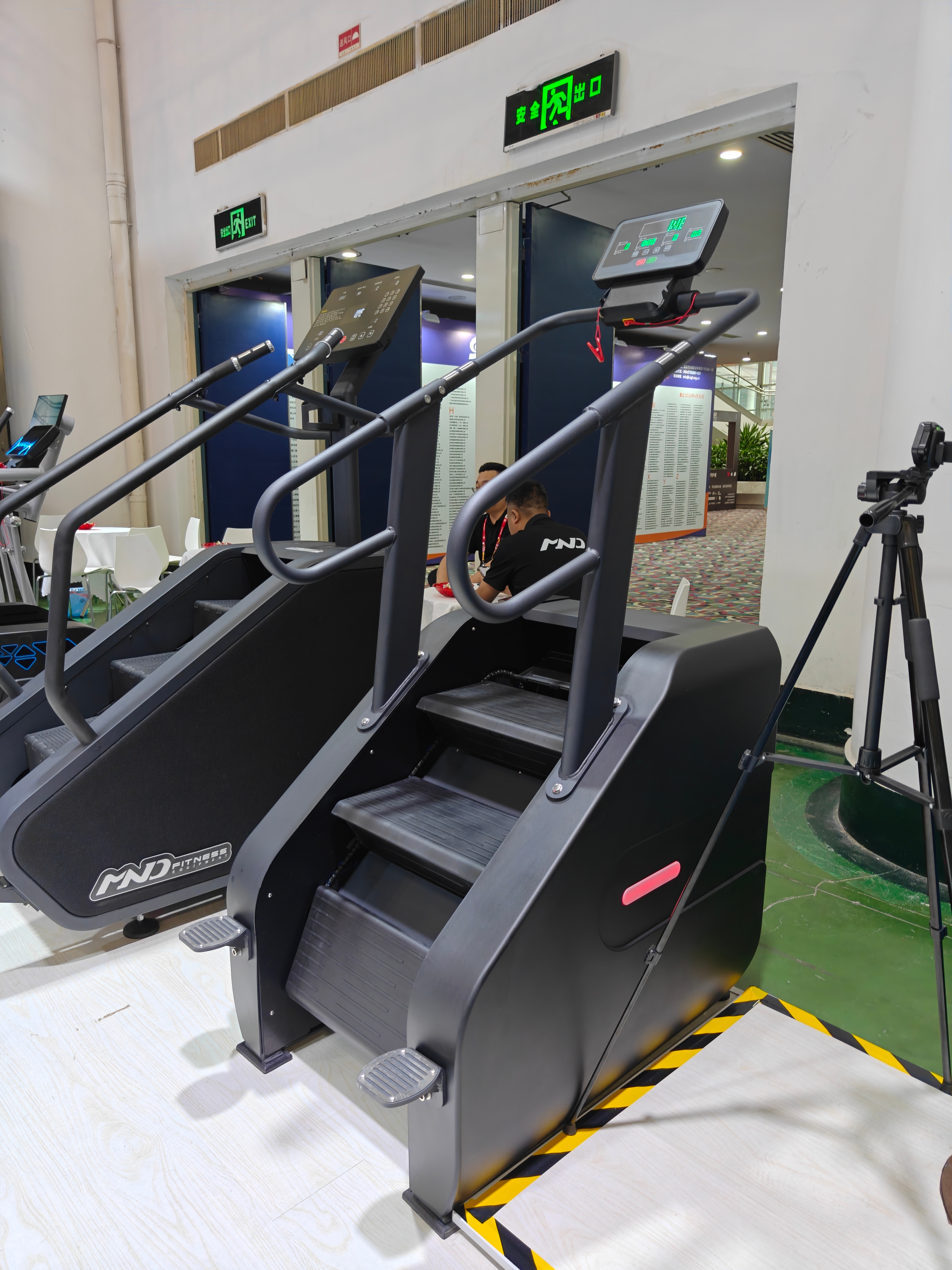
On the cardio side, the company mentions MND-D exercise bikes and treadmill lines such as MND-X500, X600, and X700. Cardio equipment usually carries a different kind of risk than strength equipment. Users expect smoother operation, easier maintenance access, and controls that are clear enough for first-time users. For a gym supplier, that means the treadmill deck, belt feel, display usability, and service parts availability often matter more than flashy styling.
This is also where buyers should be careful not to overbuy on specification alone. A treadmill with more features is not automatically better for a busy club. In some settings, simpler commercial gym equipment is the safer choice because it is easier to maintain and harder for casual users to misuse.
Commercial use versus home use: do not blur the line
One useful detail in the company information is that MND FITNESS supplies equipment for both commercial and home use. That sounds straightforward, but it is a buying distinction that is often handled too casually.
Commercial units are typically selected for heavier duty cycles, broader user variety, and more demanding maintenance expectations. Home gym equipment, by contrast, is often judged by footprint, quiet operation, and the ability to fit into a domestic space without feeling overbuilt.
If you are buying for a hotel or apartment fitness room, you may sit between those two categories. In those cases, a buyer should ask whether the machine is truly intended for shared use, not just whether it is “good enough.” Shared use exposes weaknesses fast: weak upholstery, unstable frames, fussy adjusters, and displays that confuse users after the first week.
What to look for before placing an order
A broad catalog is only useful if the buying process filters it properly. Before choosing MND Fitness or any other manufacturer, a sourcing team should focus on a few practical checks.
1. Match the equipment to the traffic level
A school gym, an independent boutique studio, and a chain facility do not need the same build profile. For high-traffic sites, commercial gym equipment should be evaluated for durability and serviceability first, then aesthetics. For smaller installations, compactness and user friendliness may matter more.
2. Ask how consistent the line really is
Buyers often request mixed product sets from one vendor because it simplifies procurement. That only works if the line holds together visually and mechanically. Frame finish, seat adjustment logic, cable routing, and console layout should feel like they belong to the same family. This is one reason to inspect samples or reference images carefully rather than relying on a product list.
3. Consider maintenance from day one
Fitness equipment is bought on the day it arrives, but it is judged over years of use. Ask about replacement parts, wear points, and what the factory recommends for routine servicing. Even a strong piece of gym equipment becomes expensive if a small part takes too long to source.
4. Separate marketing language from performance questions
This is a small but important caution. Terms like “premium,” “professional,” and “heavy-duty” are common across the market. They are not useless, but they should never replace concrete questions about structure, motion feel, and load path. A buyer does not need a slogan; they need equipment that survives actual use.
How MND Fitness may fit different purchasing scenarios
For a distributor, a supplier with more than 300 product types can be attractive because it supports a wider sales conversation. You can address commercial gyms, home buyers, and institutional customers without changing factories every time the order mix shifts.
For a project buyer, the appeal is different. A manufacturer with both strength and cardio options can reduce coordination work, especially if you are building a mixed training floor and want one point of contact. That said, single-source convenience should not override product fit. It is still wiser to choose the best machine family for each training area than to force the whole project into one uniform package.
For end users and smaller gym owners, the practical benefit may be easier comparison. If one supplier offers both racks and treadmills, the decision process can move faster. But buyers should still compare functional details, not just consolidate paperwork for the sake of simplicity.
Common mistakes when sourcing gym equipment
The most common mistake is buying on catalog breadth alone. A factory can offer a long list of fitness equipment and still be a weak fit for your actual market. Another mistake is to treat home and commercial lines as interchangeable. They are not, and the cost of finding that out after installation can be annoying at best.
A third mistake is forgetting that the supplier relationship matters as much as the machine. A gym supplier who responds clearly, understands export documentation, and can keep model names consistent across quotes and packing lists often saves more time than a slightly cheaper quotation from a less organized source.
Quick buyer checklist
If you are reviewing MND Fitness for a project or distribution line, keep the decision focused on these points:
Product fit
Is the equipment appropriate for the target user and usage frequency?
Range coherence
Do the strength and cardio products look like a unified line, or just a collection of unrelated items?
Serviceability
Can common wear parts be understood and replaced without delay?
Supply confidence
Does the supplier present itself like an organized manufacturer with a real production base, not just a trading company?
Commercial credibility
Have they shown evidence of export experience and broad market familiarity, without making claims that sound too polished to be useful?
Where MND Fitness stands in the broader market
In practical terms, MND Fitness appears positioned as a broad-line manufacturer rather than a niche specialist. That can be a strength for buyers who want flexibility across commercial gym equipment and home gym equipment categories. The company’s size, the reported facility footprint, and the export reach all suggest an operation that has moved beyond small-batch production.
Still, big catalog coverage does not eliminate the need for due diligence. The best outcome usually comes when a buyer treats the first quote as the beginning of a technical conversation, not the finish line. Ask for model details. Compare the feel of the frames and moving parts. Clarify what the factory can support after shipment. Those questions are not glamorous, but they save money.
Next step for buyers
If you are shortlisting a gym equipment supplier, MND Fitness is worth reviewing alongside other manufacturers with comparable export experience and product breadth. Start with the exact application: commercial club, institutional gym, hospitality project, or home training setup. Then narrow the range to the machines that match the actual load, traffic, and space constraints.
For procurement teams, the smartest next move is usually to request a model list, compare the strength training equipment families against your floor plan, and confirm what after-sales support looks like in your market. That is the point where a promising catalog becomes a usable sourcing option.