


Navigating the Selection of Commercial Gym Rowing Equipment for Modern Facilities
When you are outfitting a high-traffic fitness center or a private boutique studio, selecting the right commercial gym rowing equipment is one of the most significant investments you will make. It is not just about choosing a machine that looks impressive on a gym floor; it is about durability, biomechanical efficiency, and the long-term maintenance costs that define the profitability of your facility. Owners and operators often find themselves torn between traditional cable-driven systems and the robust nature of a plate loaded row machine, each serving a distinct purpose in a comprehensive training environment.
At MND FITNESS, we have spent over a decade observing these trends from our manufacturing base in Ningjin, where the hardware industry provides a unique ecosystem for producing heavy-duty equipment. With a 120,000-square-meter facility dedicated to engineering and quality control, our perspective is shaped by the practical realities of high-volume usage. Whether you are stocking a new facility in South America or replacing aging hardware in Europe, the decision-making process remains rooted in the same fundamental engineering principles.
The Case for Fixed-Path and Plate Loaded Systems
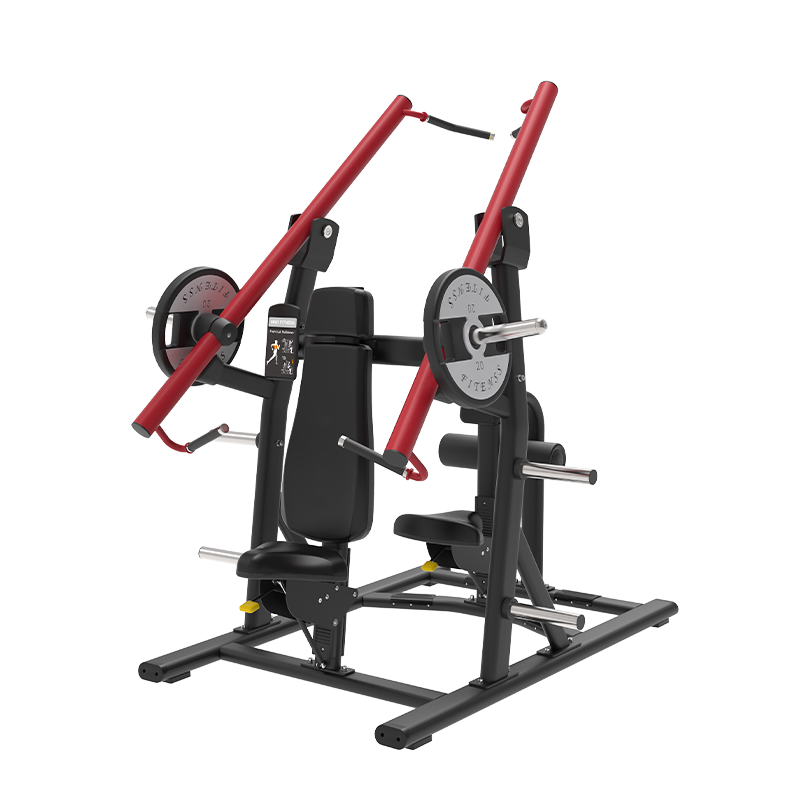
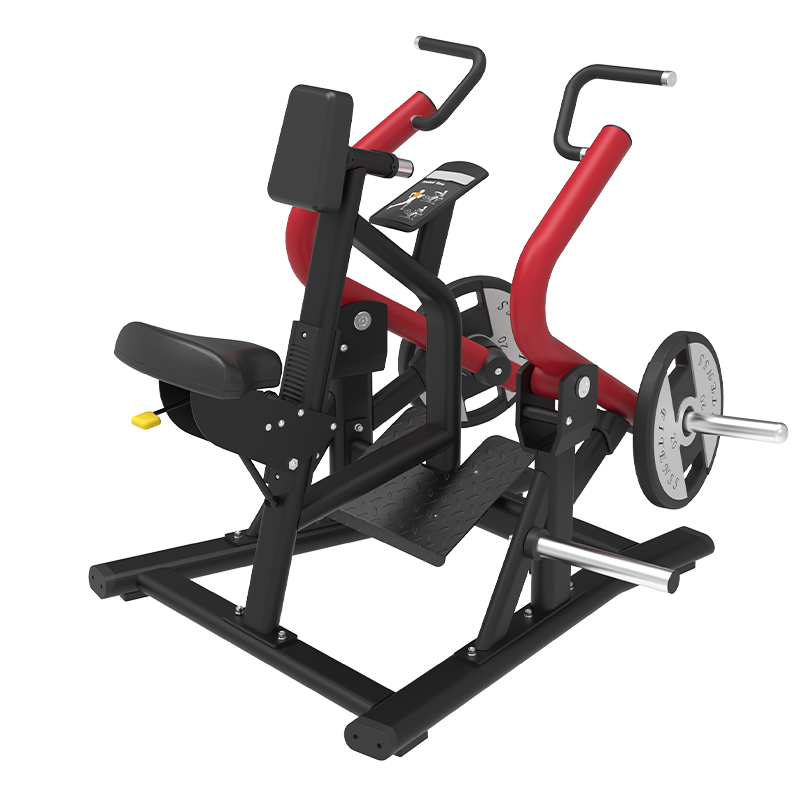
Unlike free weights, which require a high level of stabilization from the user, a plate loaded row machine offers a guided path of motion that isolates the lats and rhomboids with clinical precision. This is particularly valuable for commercial gyms where user experience varies from elite athletes to complete beginners. A fixed-path machine reduces the risk of injury and ensures that the intended muscle group is being stressed correctly throughout the entire range of motion.
From a maintenance standpoint, plate loaded equipment has a distinct advantage over weight-stack machines. With fewer moving parts like cables, pulleys, and intricate selectorized weight pins, these machines typically withstand the rigors of heavy daily use with significantly less downtime. In a high-traffic setting, this simplicity is your best defense against unexpected repair expenses. When you look at our own Strength Series, which ranges from the MND-F to the MND-G lines, we prioritize structural integrity to handle the persistent, heavy loading cycles that commercial environments demand.
Evaluating Biomechanics and Adjustability
A common mistake among procurement managers is focusing entirely on the frame thickness while ignoring the ergonomics of the seating and handles. If a machine does not accommodate a wide variety of limb lengths and torso sizes, it becomes essentially unusable for a large portion of your member base. Effective commercial gym rowing equipment must feature intuitive, rapid adjustment mechanisms.
Look for machines that allow for quick seat height adjustments and variable hand positions. The ability to switch between a neutral, pronated, and supinated grip on a single row machine allows users to target different heads of the back muscles, effectively making one footprint serve the purpose of three different exercises. If you are browsing our MND-AN or MND-FM series, you will notice these design choices reflect a philosophy of versatility. The goal is to maximize the utility of every square foot of your gym floor.
Practical Considerations for Gym Owners
Before finalizing any order, there are three factors you should always cross-examine with your supplier. First, consider the footprint versus the output. Some machines provide an excellent workout but are so large that they limit the number of other stations you can fit in the same space. Always request technical drawings that include the machine's full range of motion. Second, examine the upholstery and finish. High-traffic facilities are hard on pads and paint. Ensure the manufacturer uses high-density foam and a powder-coat finish that resists moisture, as sweat corrosion is the silent killer of gym equipment.
Third, verify the supply chain stability. Even the most robust piece of hardware will eventually need a replacement part. A manufacturer like MND FITNESS, which has exported to over 100 countries, understands that the relationship does not end at the sale. You need a partner who can provide parts for your strength series or cardio units long after the initial installation.
Why Maintenance Matters More Than Aesthetics
It is easy to be swayed by a sleek aesthetic, but in the gym equipment industry, substance must always lead. A machine that is out of service is not just an inconvenience; it is a point of friction for your members. By choosing equipment built with commercial-grade steel and simplified pivot points, you are essentially purchasing uptime. If you are comparing options, ask specifically about the bearing systems used in the joints of the rowing machines you are considering. Smooth, quiet, and reliable operation is what separates professional-grade equipment from consumer models that will break under the pressure of a single week of gym membership traffic.
If you are currently planning a facility expansion or a complete equipment refresh, reach out to our team at MND FITNESS to discuss your specific floor plan and training goals. Our experience spans from crossfit-focused setups like the MND-E series to full-scale strength programs. Let us help you select the right configuration to ensure your members stay engaged and your equipment remains in the game for years to come.