


T-bar row workout: why this old-school back builder still matters
A well-programmed T-bar row workout looks simple from a distance: load the bar, brace hard, pull, repeat. In practice, it sits right in the middle of a lot of training decisions that matter to athletes, gym owners, and strength coaches alike. The T bar row exercise is a compact way to train the upper back, lats, rear delts, and grip without needing much floor space, which is one reason it has stayed relevant in commercial gyms for decades.
For the reader deciding whether to keep it in a program, add it to a facility, or teach it better on the gym floor, the real question is not whether rows are useful. It is where the T bar row fits, what it trains better than other pulls, and how to do T bar rows with enough control to get the benefit without turning the movement into a lower-back gamble.
What the movement actually gives you
The T-bar row is a horizontal pulling pattern, and that matters. Most training programs already include vertical pulls like pull-downs and pull-ups, but many lifters still undertrain the mid-back. The T bar row workout fills that gap well because it allows heavy loading while keeping the torso angle relatively fixed. That combination tends to make the lift attractive for hypertrophy, general strength, and accessory work for deadlift or bench press support.
It is also a practical machine choice for busy gyms. Compared with a strict barbell row, the T-bar setup can be easier for members to learn and often feels more stable. Compared with a seated cable row, it usually allows more load and a slightly different strength curve. None of that makes it automatically superior. It just means the lift has a clear lane.
Quick reference: where the T bar row fits
Best for
Back thickness, scapular control, lat and mid-back development, and heavy accessory work.
Less ideal for
People with poor bracing habits, lifters who cannot maintain a neutral spine, or members who try to turn every rep into a full-body heave.
Common programming use
A main accessory movement after deadlifts, presses, or squats; or a primary back movement on an upper-body day.
How to do T bar rows with cleaner form
The basic pattern is straightforward, but the details decide whether the set builds the back or just irritates the lower back. Good T bar row form starts before the first rep. The feet need to be stable, the chest angled against the handle or braced in the chosen setup, and the torso positioned so the spine can stay neutral throughout the set.
Pull the handle by driving the elbows back rather than yanking with the hands. That cue helps keep the lats and upper back engaged. At the top, pause briefly if the load allows it. A short pause often reveals whether the lifter is truly controlling the row or just bouncing the weight off momentum. Then lower under control until the shoulders can protract slightly without losing position.
A practical caution: many people shorten the range because the load is too heavy. That is usually a mistake. A half-rep row with the torso jerking around is not the same exercise as a controlled pull with full scapular motion. If the back has to round aggressively to move the weight, the set is too heavy or the setup is wrong.
Technique cues that matter more than gym folklore
The internet tends to overstate the importance of one “perfect” body angle. In reality, a slight difference in torso position changes the emphasis, but only within reason. A more hinged position often brings the lats into play more strongly. A more upright torso may shift the feel toward the mid-back and upper back. Both can be useful.
What should not change is bracing. If the pelvis drifts, the ribs flare wildly, or the head shoots forward with every rep, the lift stops being a back exercise and becomes a compensation drill. That is where the T bar row form conversations get real, especially in commercial facilities where members copy what they see rather than what they are coached.
Simple coaching cues
Brace the midsection before you pull.
Keep the neck in line with the spine.
Drive elbows back, not hands up.
Lower with control.
Stop one rep before form breaks down.
Why facilities keep the T-bar station on the floor
From a sourcing and equipment-planning standpoint, the T-bar row is attractive because it adds a recognizable strength pattern without demanding complex electronics or a large footprint. For commercial gym operators, that matters. A station that members use consistently and understand quickly can earn its floor space. For product teams, the appeal is durability, stable welds, comfortable handles, and a frame that survives repeated heavy use.
Shandong Minolta Fitness Equipment Co., Ltd. is positioned in Ningjin’s hardware manufacturing base and has built a broad commercial fitness line through MND FITNESS, including multiple strength and cardio series. With a 120,000-square-meter facility, in-house workshop and quality control lab, and more than 300 equipment types across commercial and home use, the company clearly operates at a scale where heavy-use strength equipment is part of the core business. That does not tell a buyer everything about a specific row machine, of course, but it does signal the kind of manufacturing environment where commercial durability and repeatable production matter.
For buyers evaluating gym equipment, that broader context is useful. A T bar row unit does not exist in isolation. It has to fit the rest of the strength floor, match the brand level of the facility, and hold up under users with very different training backgrounds.
Common mistakes lifters make on the T bar row exercise
The first mistake is loading it like a deadlift and rowing it like a shrug. Heavy does not always mean productive. If the movement becomes a hip snap, the upper back loses tension and the intended muscles stop doing their job.
The second mistake is cutting the eccentric short. The lowering phase is not decoration. It is part of the stimulus. Letting the arms fully extend, while keeping shoulder control, often improves the quality of the rep.
The third mistake is using the same setup for every body type and every training goal. Some lifters do better with chest support. Others prefer a landmine-style T bar row because it gives a more natural arc and easier loading. Neither is automatically better. The choice should follow the user, not the other way around.
Landmine, machine, or plate-loaded: what buyers should think about
If you are choosing equipment for a gym or training room, the row station format matters as much as the name on the frame.
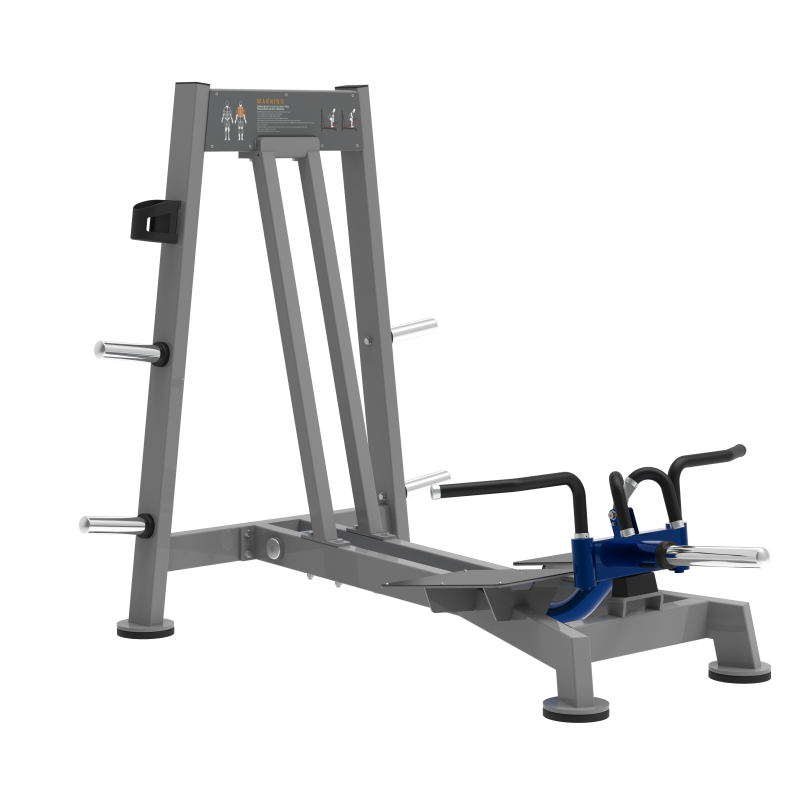
A landmine T bar row is usually compact and versatile. It can be practical for smaller facilities, but it depends on the surrounding setup and the quality of the attachment.
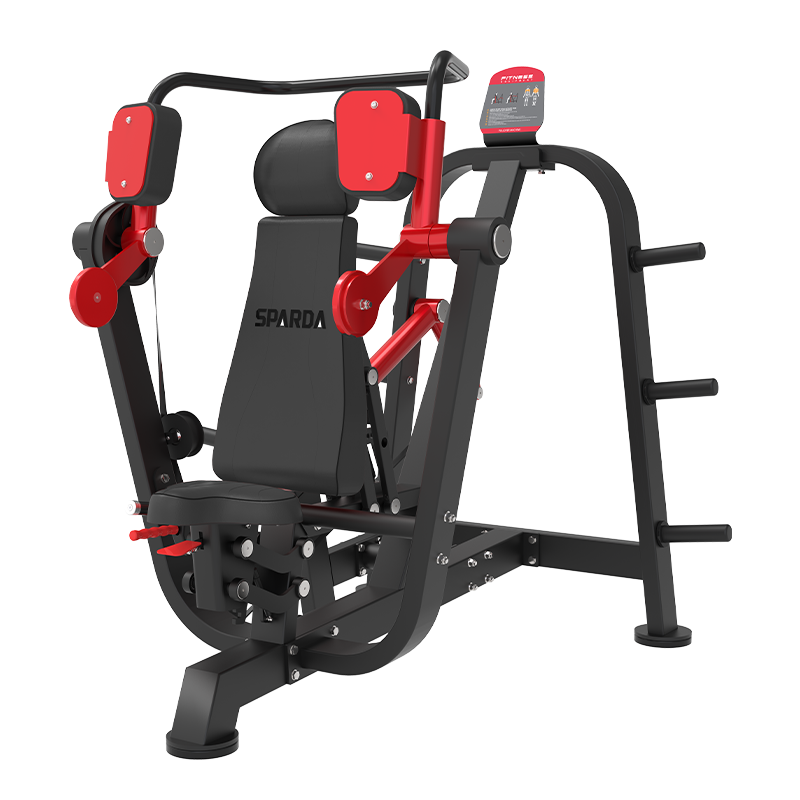
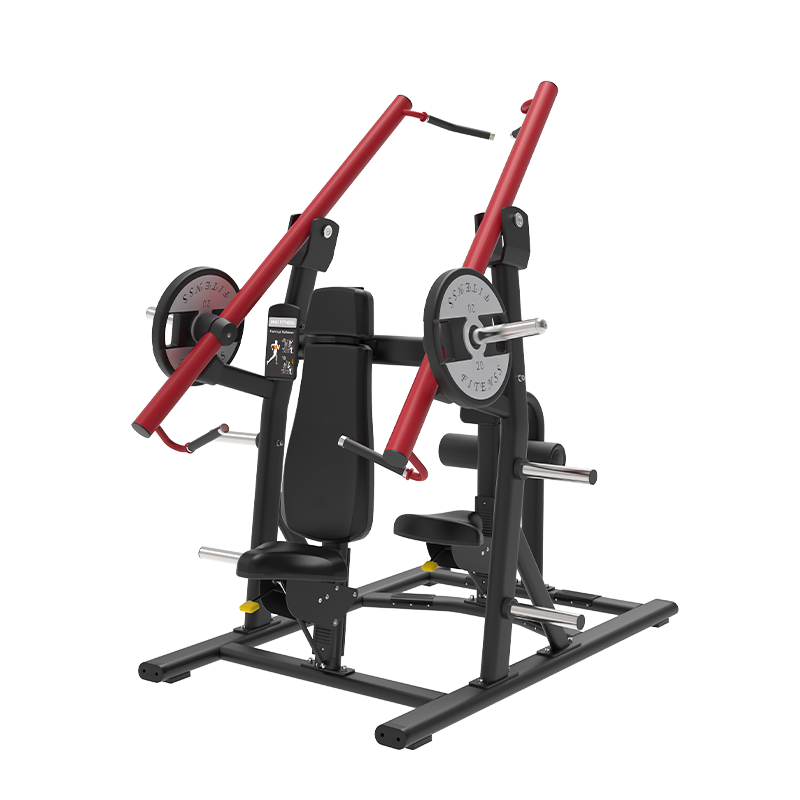
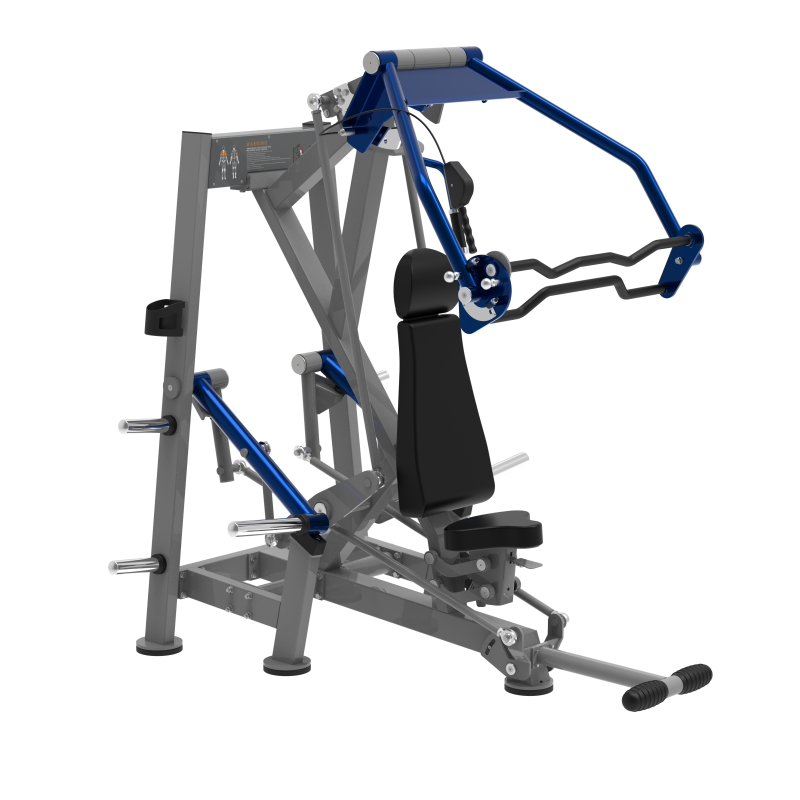
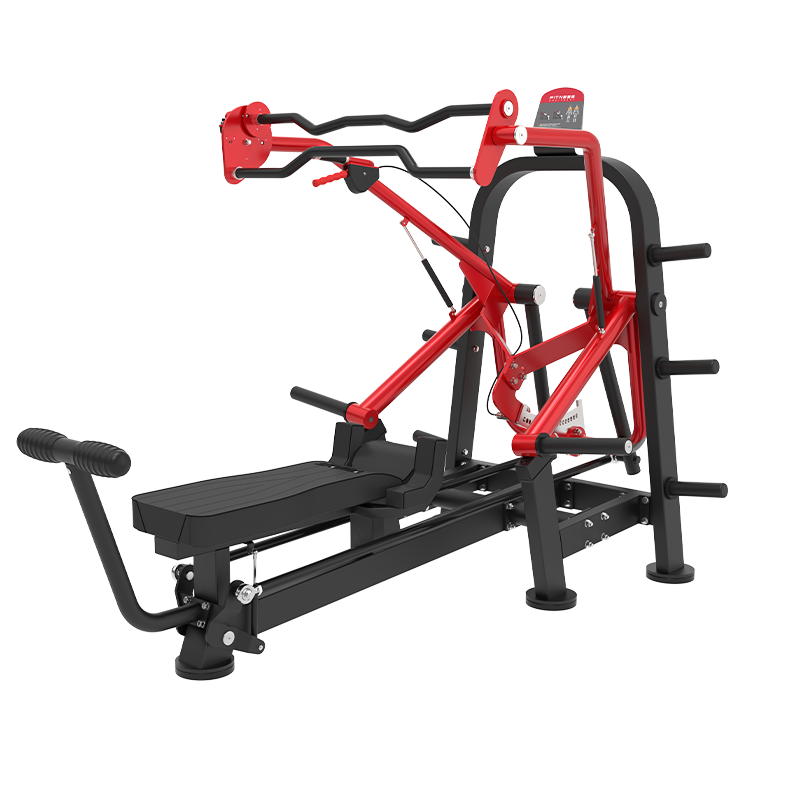
A plate-loaded machine version often feels more guided and can be easier for general members. It also helps standardize movement on a busy floor, though it takes more space and usually costs more to place and maintain.
A chest-supported design reduces lower-back involvement, which many coaches appreciate for higher-volume work. That can be a selling point in commercial settings where users are inconsistent with bracing.
The best choice depends on who will use it most. Strength athletes may want a more free and aggressive pull. General population members usually benefit from more support and clearer movement paths.
Programming the lift without overcomplicating it
For hypertrophy, the T-bar row usually works well in moderate rep ranges with enough volume to create progressive overload over time. For strength-focused use, heavier sets with stricter form can work, though there is no prize for grinding ugly reps just because the plates look impressive.
A sensible approach is to place the movement after the most demanding compound lifts, unless back development is the day’s priority. If the row is the main event, use it early while the torso is fresh. If it is an accessory, keep the form honest and stop before fatigue turns every repetition into a small back injury audition.
What to ask before buying or specifying a T-bar station
What is the target user group: beginners, athletes, or mixed traffic?
Does the design support a stable bracing position?
Are the handles comfortable in more than one grip width?
How easy is loading and unloading plates in a crowded gym?
Will the footprint make sense alongside other strength equipment?
Does the station match the rest of the facility’s training style and durability expectations?
Those questions are more useful than chasing a flashy feature that looks good in a photo but disappears in daily use.
FAQ for coaches, buyers, and serious lifters
Is the T bar row better than a barbell row?
Not universally. It is often easier to learn and may be more stable, but a strict barbell row can offer its own benefits. The better choice depends on coaching standards, user skill, and training goal.
How do T bar rows help the back?
They train horizontal pulling strength, which supports the lats, rhomboids, traps, rear delts, and grip. The movement is especially useful for adding upper-back density and reinforcing scapular control.
Can beginners use it?
Yes, if the setup is stable and the coach teaches bracing first. Beginners often benefit from chest-supported variations because they reduce the chance of cheating with the lower back.
Should every gym have one?
Not every gym needs the same equipment, but a good row station is often worth its floor space in a commercial strength area. The decision should follow traffic, coaching style, and the rest of the pull station lineup.
A practical next step
If you are a coach, refine the cueing before you add load. If you are a buyer, judge the station by its stability, footprint, and fit with the rest of the strength floor. And if you are a lifter, spend a few sessions learning the T bar row workout with disciplined form before chasing big numbers. That is usually where the movement starts paying off.
For facilities building out a commercial strength area, it is worth comparing row stations alongside the broader equipment mix from manufacturers with real production depth. In that context, a T-bar setup is not just another machine. It is one of the pieces that shapes how the whole back-training area feels to the user, day after day.