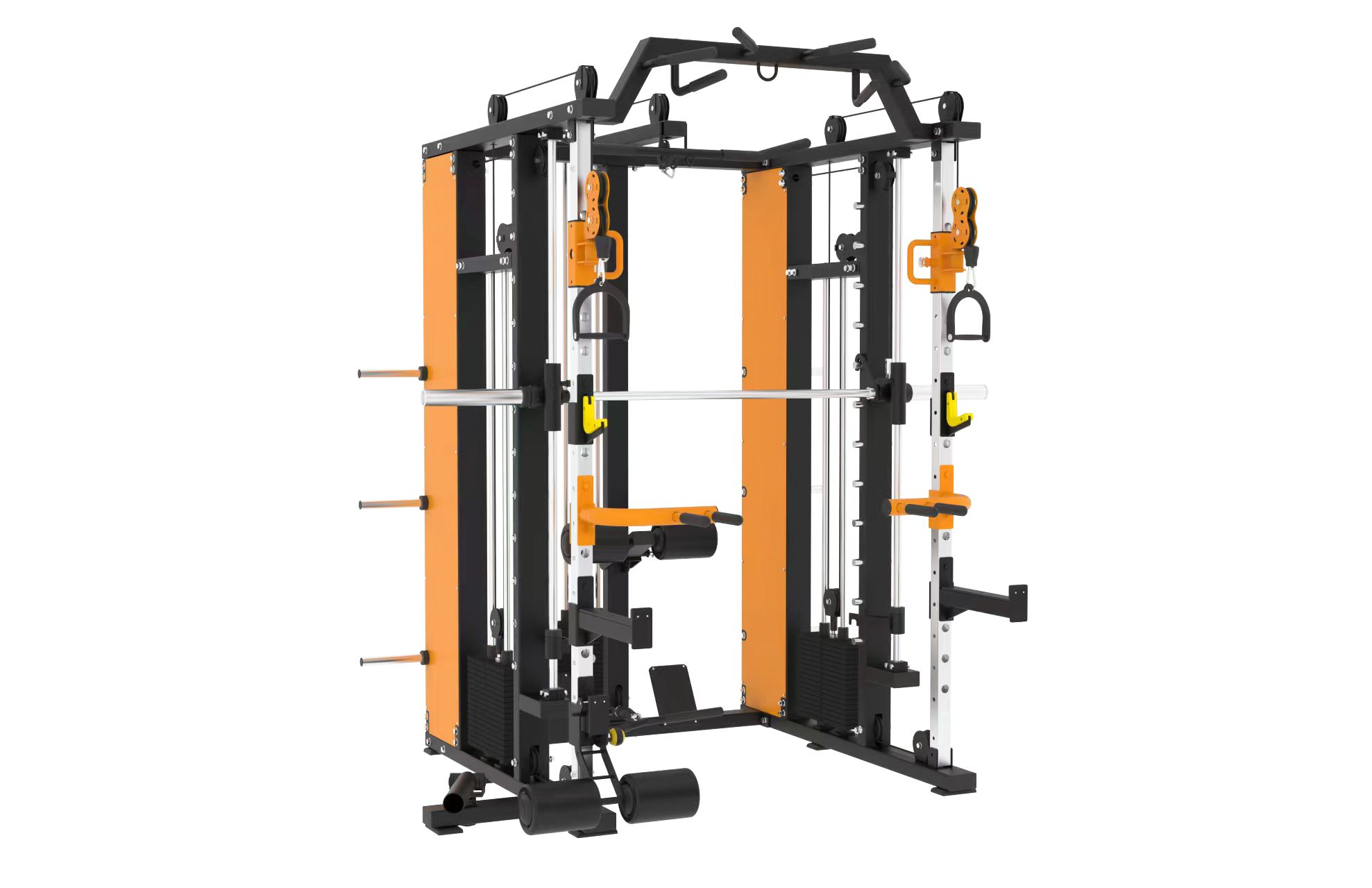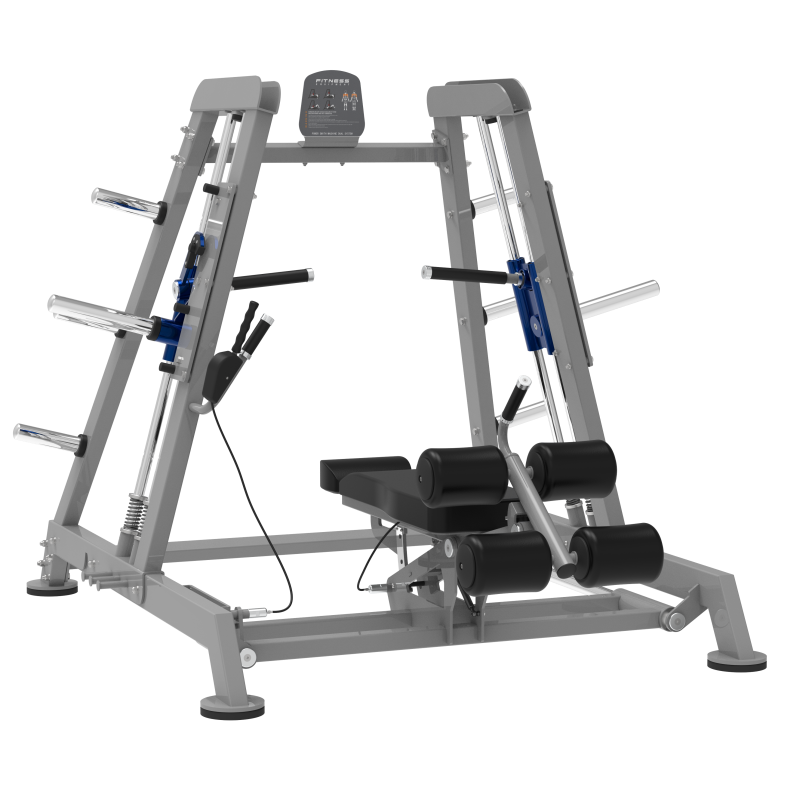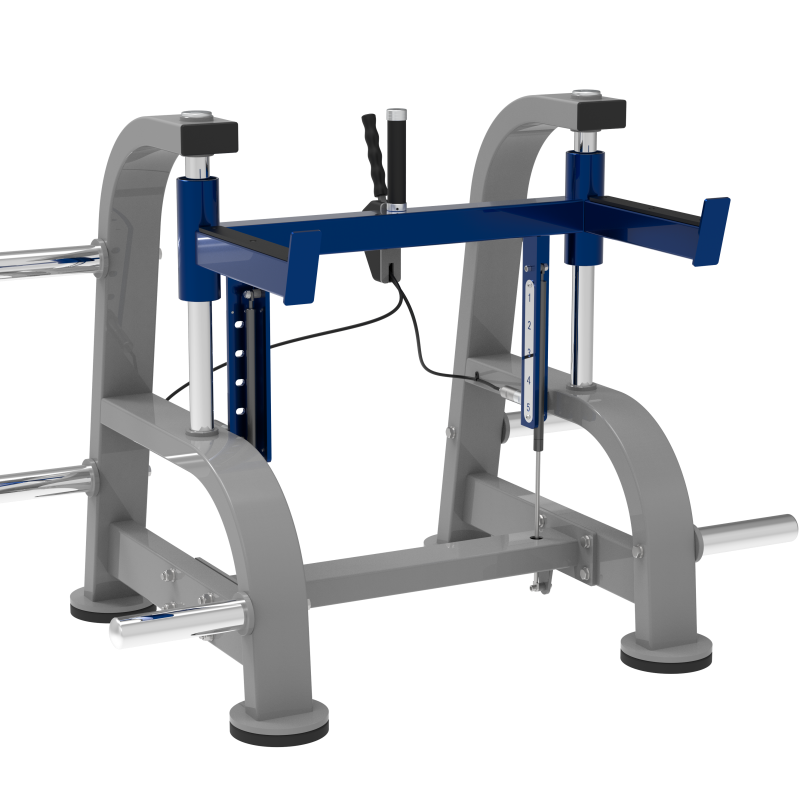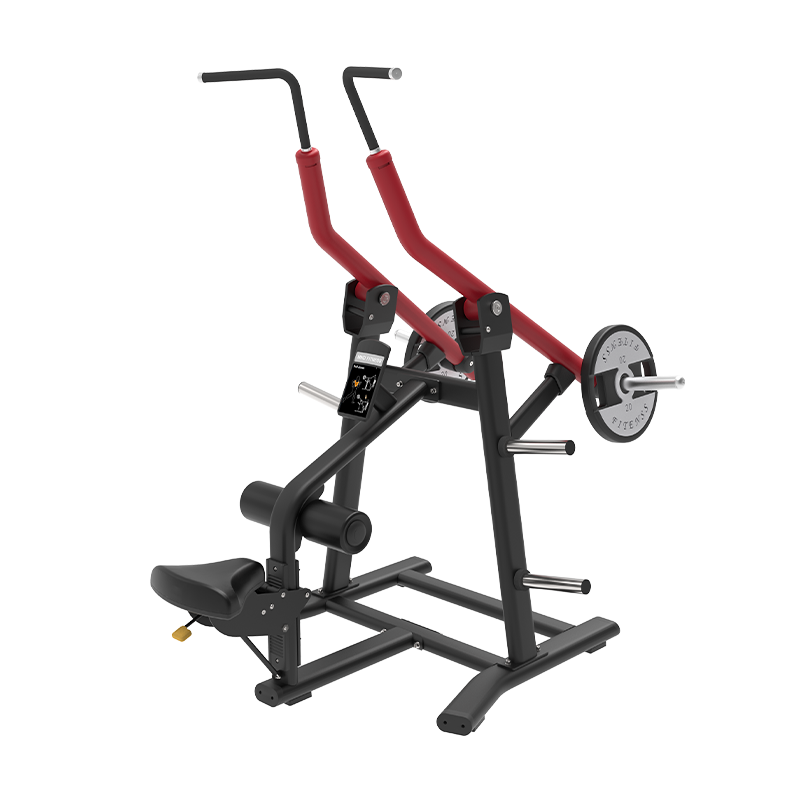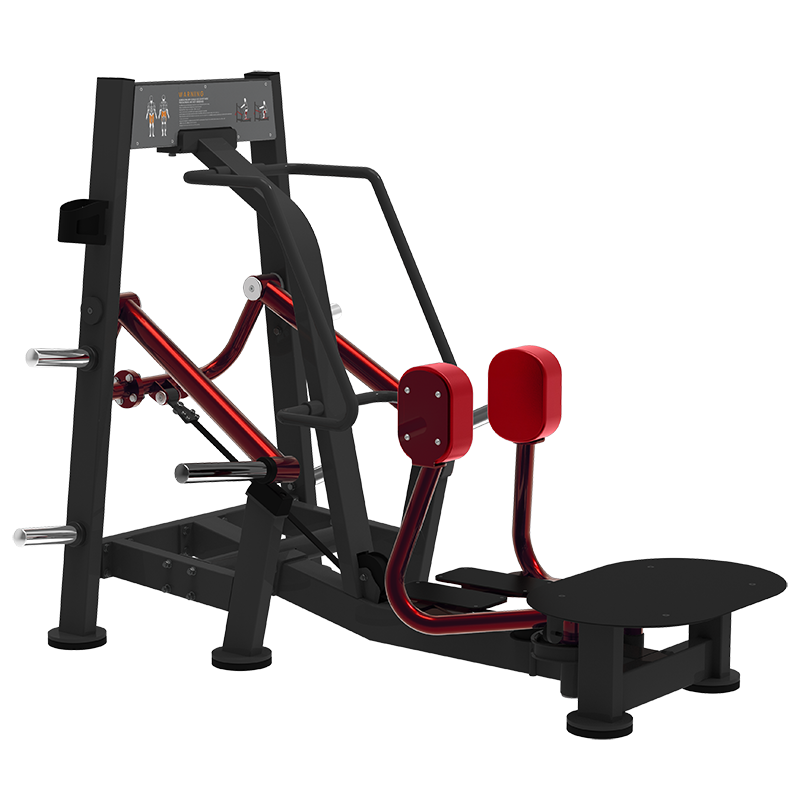



Why a Biceps Rack Matters in a Commercial Gym
A Biceps Rack looks simple at first glance, but in a busy gym it solves a very practical problem: it gives lifters a stable, repeatable position for arm work without turning every set into a balance exercise. For operators, that matters because upper-body isolation stations can either earn floor space or waste it. For buyers, the real question is whether the station will hold up under daily use, support clean movement, and fit into a strength area that already has benches, free weights, and larger multi-stations competing for attention.
If you are comparing a Biceps Training Rack, a Biceps Curl Rack, or a broader Arm Workout Rack, you are probably trying to decide where isolation equipment belongs in the training mix. The answer depends on your users. Commercial gyms, hotel fitness rooms, school facilities, and rehabilitation-oriented spaces all want different things. Some need a straightforward pad-and-handle setup for strict curls. Others want a more versatile structure that can support several upper arm movements and stand up to heavy traffic. A well-chosen station for Upper Arm Strength Equipment can do more than fill a gap; it can reduce clutter and improve training quality for members who care about form.
What the Rack Is Supposed to Do
At its best, a Biceps Curl Rack removes unnecessary variables from arm training. The user sits or stands in a controlled posture, the upper arm is supported or positioned consistently, and the curl movement becomes easier to isolate. That is useful in commercial settings where not every lifter arrives with disciplined technique. When the equipment guides body position, the exercise tends to be more repeatable. That helps beginners, but it also helps experienced users who want strict work rather than momentum-driven reps.
In practical terms, the station should help the gym answer three needs at once: stable movement, durable construction, and a footprint that makes sense on the floor. A machine that looks impressive but awkwardly consumes space quickly becomes a liability. The better choice usually balances comfort, range of motion, and maintenance simplicity. That is especially true for facilities with a mixed audience, where one piece of equipment may be used by a serious lifter in the morning and a casual member in the evening.
Where It Fits in a Strength Floor Plan
Arm isolation equipment is rarely the centerpiece of a gym, but it often serves as a useful finishing station. A Biceps Rack works well near dumbbell zones, selectorized strength machines, or accessory circuits. In some facilities it can be part of a dedicated arm bay alongside triceps and shoulder stations. In others, it becomes an add-on that helps round out an existing strength floor without requiring a full renovation.
Operators should think beyond the exercise itself. Can users approach it easily without blocking nearby traffic? Is the seat height or arm support straightforward to adjust? Can staff clean it quickly? These details do not sound dramatic, but they often decide whether a station gets used or ignored. A machine that is technically sound but inconvenient will still sit empty more often than it should.
Key Build Considerations Buyers Should Check
Frame stability and feel
For any Arm Workout Rack, frame rigidity matters more than decorative styling. If the structure flexes noticeably under load, the user will feel it immediately. That can undermine confidence, especially in a strict curl movement where stability is part of the training value. Commercial buyers usually look for solid welds, consistent finish quality, and an overall sense that the unit belongs in a high-traffic environment, not a home garage.
Pad comfort and body alignment
Arm support surfaces should be firm enough to guide position without creating pressure points. The wrong pad shape can make users lean forward, shrug, or shorten the movement range. That may not be obvious in a short showroom test, so a buyer should actually sit through a few curls, not just look at the machine from across the room. Small alignment issues become large complaints after a few hundred sessions.
Adjustment logic
Adjustment should be simple enough for first-time users. If the Biceps Training Rack requires a long explanation every time someone walks up to it, usage will suffer. Clear seat positioning, intuitive handle placement, and obvious loading points are all worth checking. In a shared fitness facility, ease of use is often as important as the exercise profile itself.
Material and Equipment Range: What Minolta Brings to the Discussion
Shandong Minolta Fitness Equipment Co., Ltd. operates from Ningjin, a region known for its hardware industry base. That matters because strength equipment manufacturing depends on more than a catalog image; it depends on fabrication discipline, supply consistency, and enough production scale to support commercial demand. According to the company information provided, MND FITNESS has more than a decade of experience in fitness equipment manufacturing, with a facility covering 120,000 square meters. The site includes a manufacturing workshop, quality control lab, and exhibition hall.
The company’s product range is broad, with more than 300 types of exercise equipment covering both cardio and strength categories. Its strength series includes lines such as MND-AN, MND-FM, MND-FH, MND-FS, MND-FB, MND-E Crossfit, MND-F, MND-FF, MND-G, and MND-H. The cardio side includes MND-D exercise bikes and treadmill lines including MND-X500, X600, and X700. For buyers, that breadth suggests a supplier that understands commercial floor planning, not just single-item sales. If you are sourcing an Upper Arm Strength Equipment piece as part of a larger gym package, that can simplify procurement and matching aesthetics across the floor.
It is worth being cautious here, though. A large catalog does not replace the need to inspect the actual station you plan to buy. Even within a strong product family, the ergonomic details of a biceps-focused unit should be checked on its own merits. The machine has to feel right in use, not merely belong to a recognizable product line.
How to Choose the Right Biceps Rack for Your Facility
The best choice depends on the members you serve. A performance gym may want a heavier-duty Biceps Curl Rack with a stricter training feel and a cleaner loading setup. A hotel or corporate fitness room may favor simpler operation and a smaller footprint. A rehab-minded or beginner-friendly facility may prioritize comfort and guided motion over load capacity.
Ask a few plain questions during sourcing:
Does the station support strict movement without forcing awkward shoulder position?
Can average users understand it without staff intervention?
Does it fit the traffic pattern of the room, or will it create congestion?
Will it still look and function well after repeated daily cleaning?
Those are practical buyer questions, not brochure questions. They tend to reveal whether the unit will be appreciated by users or merely tolerated.
Common Mistakes Buyers Make
One common mistake is treating an isolation station as an afterthought. Buyers sometimes focus on treadmills, multi-gyms, and benches first, then squeeze in an arm station if there is leftover budget. That can work, but it often leads to choosing a piece that does not suit the room layout or the user base.
Another mistake is overestimating how forgiving members are with poor ergonomics. If the pad sits too high, the motion feels cramped. If it sits too low, users cheat the curl. If the path feels unstable, the machine gets bypassed. People rarely complain with a design critique; they simply stop using it. That is the more expensive outcome.
A third issue is ignoring serviceability. Any commercial strength station should be easy enough for maintenance teams to inspect, tighten, and clean. If routine upkeep is awkward, small problems become visible wear much faster than they should.
Who Should Consider This Type of Equipment
A dedicated Biceps Rack makes the most sense for gyms that already have a respectable free-weight area and want to improve accessory training. It also makes sense for facilities with members who ask for isolated arm work, especially in bodybuilding-oriented environments. Smaller properties should be more selective. If floor space is tight, a multifunction arm station may offer better value than a single-purpose unit, unless arm training is a proven demand point.
For commercial buyers, the decision is rarely about whether biceps curls exist as an exercise. Of course they do. The real issue is whether the station earns its place in the room. Good equipment supports use, keeps users safe, and fits the operational realities of the facility. That is the standard worth holding.
FAQ
Is a Biceps Training Rack different from a Biceps Curl Rack?
The terms are often used loosely. In practice, both usually refer to equipment that supports strict biceps isolation work. The exact design may vary by manufacturer.
Is an Arm Workout Rack only for advanced users?
No. Beginners often benefit from the guided position because it reduces cheating and helps them learn cleaner curls. Advanced users may value it for strict accessory work.
What should a buyer inspect first?
Start with ergonomics, then frame stability, then ease of adjustment. If the machine does not feel natural in use, the rest matters less.
A Practical Next Step for Sourcing Teams
If you are evaluating a Biceps Rack as part of a commercial strength purchase, compare the station the same way you would compare any serious training machine: user comfort, build quality, space efficiency, and long-term serviceability. For larger procurement projects, suppliers with a broad commercial range can make planning easier, especially when you need matching strength and cardio equipment from one source. Shandong Minolta Fitness Equipment Co., Ltd., through MND FITNESS, presents itself as such a supplier, with a sizable manufacturing base and a catalog that extends well beyond one category.
The sensible next move is to request detailed product information, examine the actual unit you intend to buy, and confirm how it fits into your facility plan. A good arm station should not require apologizing for its presence on the gym floor. It should quietly do its job, day after day, and give members one more reason to stay with the program.