


MND FITNESS and the buying problem behind commercial gym equipment
When buyers start comparing MND FITNESS against other names in the market, they are usually not just shopping for machines. They are trying to reduce risk: fewer maintenance surprises, fewer missed installations, and fewer headaches when the first wave of members starts testing the floor. That is why choosing a gym equipment manufacturer is rarely about one treadmill or one strength station. It is about whether the supplier can support a full room, keep pace with commercial use, and offer a product mix that makes sense for the project.
For sourcing managers, fitness club operators, hotel developers, and project teams, the real question is not whether the equipment looks good in a catalog. It is whether the commercial gym equipment fits the usage pattern, the footprint, and the service expectations of the facility. A machine that works in a home garage does not necessarily belong on a busy hotel gym floor or in a full-size training club. That distinction matters more than many first-time buyers expect.
What MND FITNESS brings to the table
Shandong Minolta Fitness Equipment Co., Ltd. positions MND FITNESS as a manufacturer with more than a decade in the fitness equipment sector. The company’s facility covers 120,000 square meters and includes a manufacturing workshop, quality control lab, and exhibition hall. Those are the kinds of details that matter to B2B buyers because they hint at production depth, inspection capability, and the ability to show a broader product range rather than a few sample units.
The company says it leverages Ningjin’s hardware industry base, which is worth noting. In manufacturing, location is not just geography; it often affects supplier networks, metalworking capability, and how quickly components can move through the process. A strong industrial cluster does not solve every issue, but it can improve consistency when a project calls for multiple categories of equipment from one source.
Quick reference: where the product range fits
One reason buyers search for MND FITNESS is the breadth of its catalog. The company offers more than 300 types of exercise equipment across cardio and strength lines, for commercial and home use. For procurement teams, that breadth can simplify vendor management, especially when a project needs a coordinated look across the training floor.
Strength series
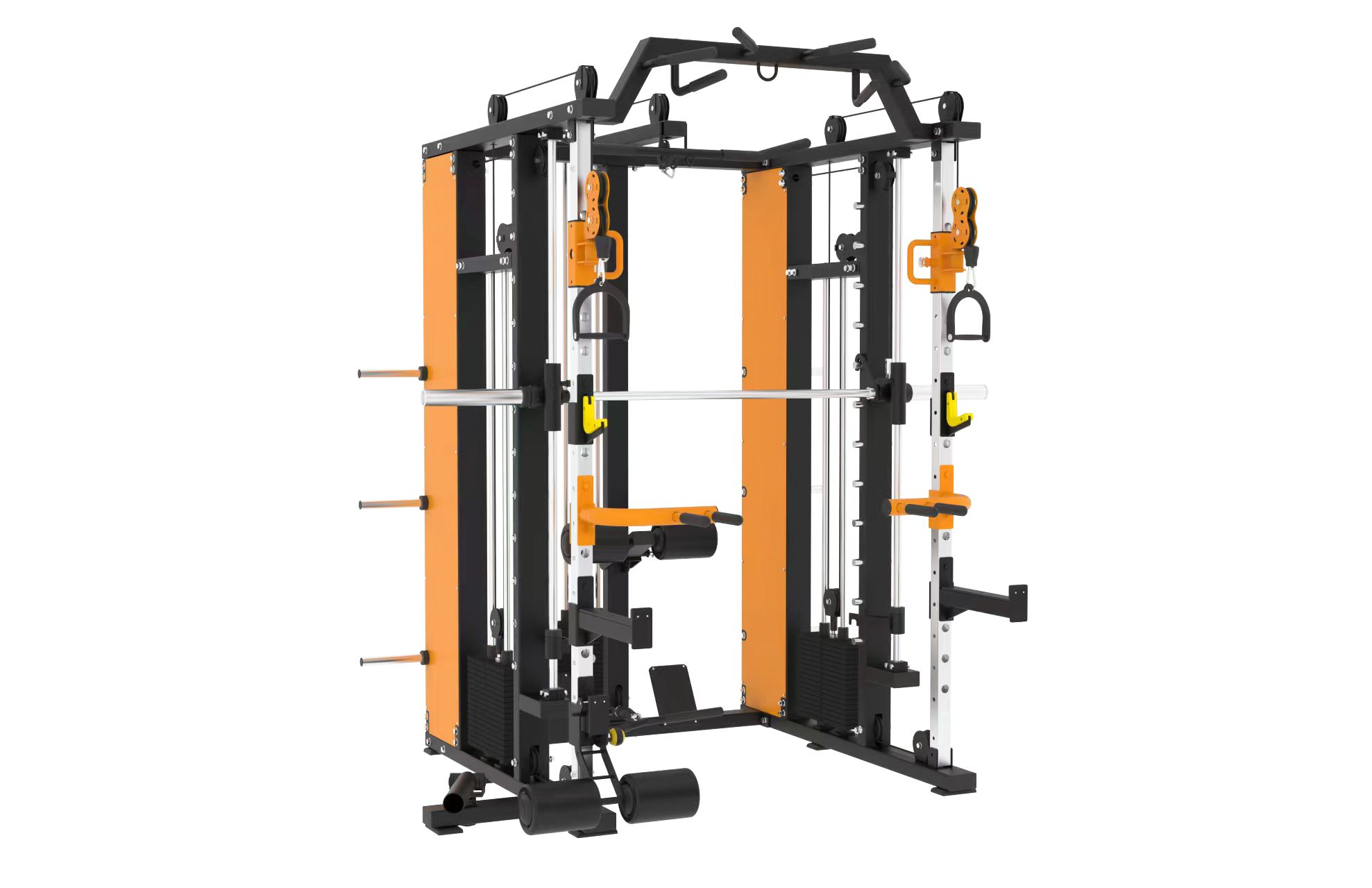
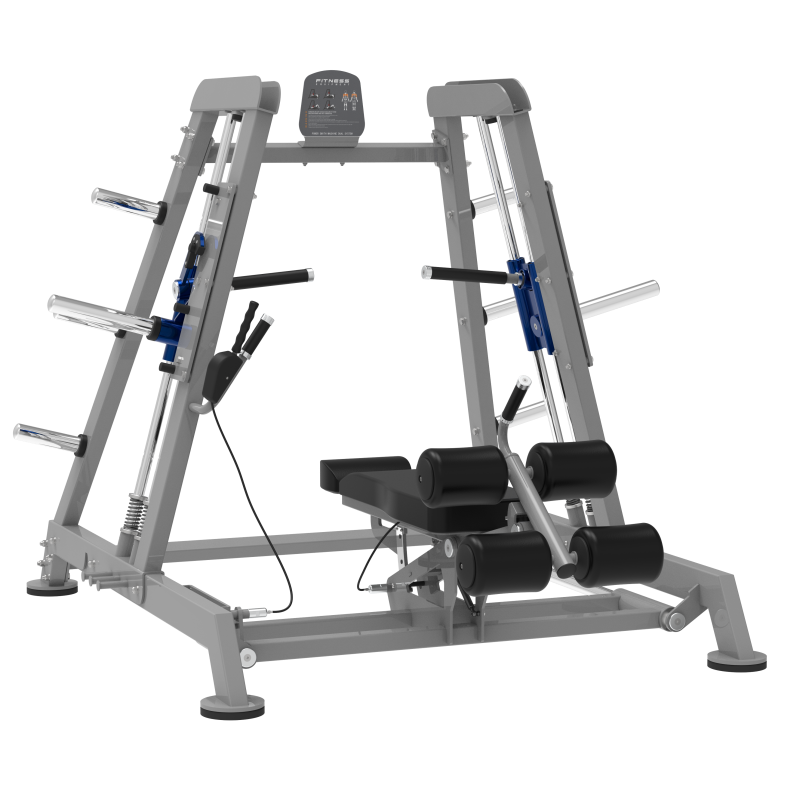
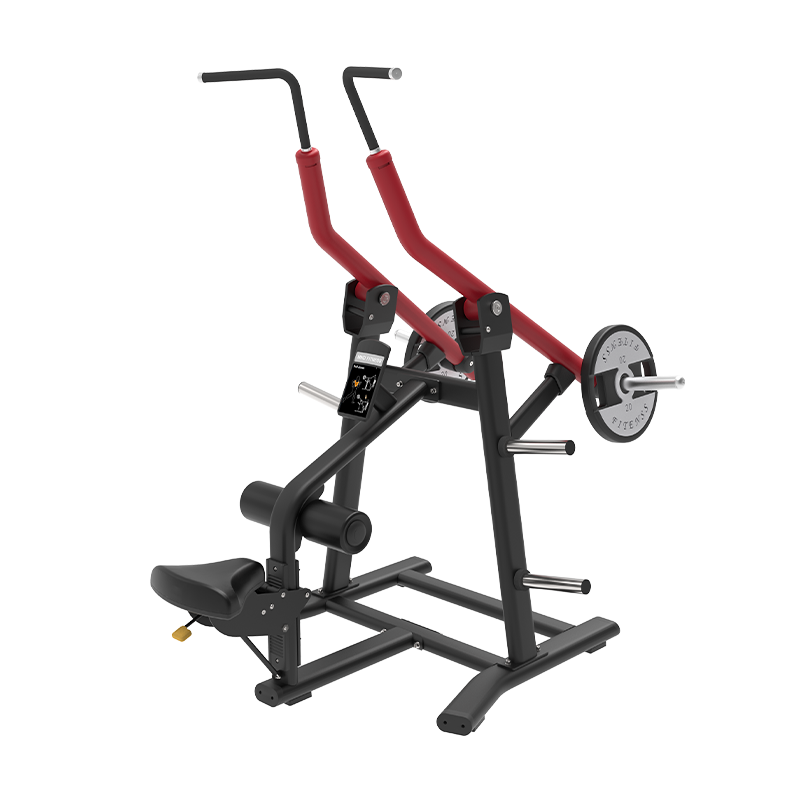
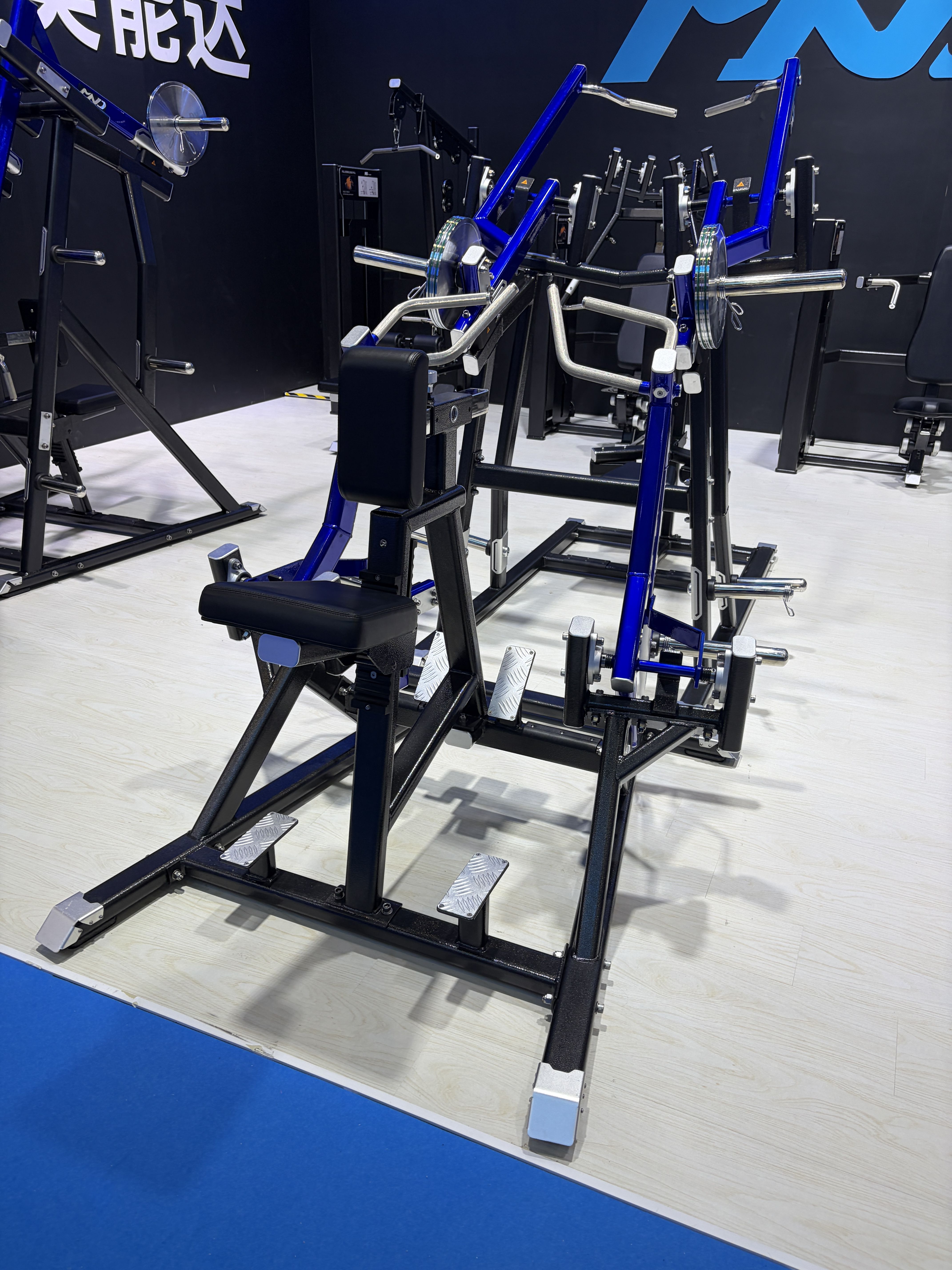
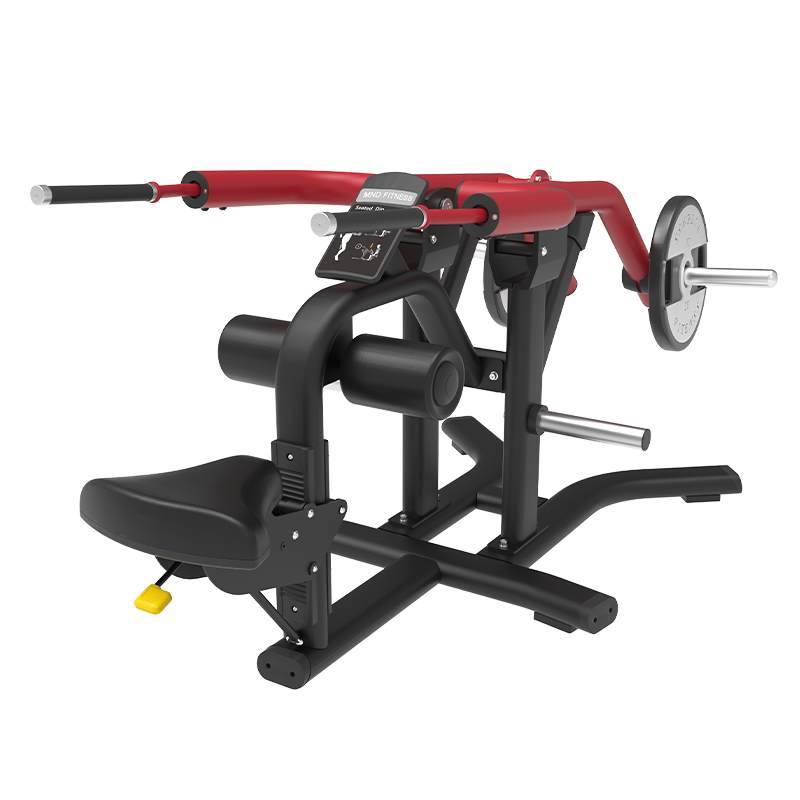
The strength lineup includes series such as MND-AN, MND-FM, MND-FH, MND-FS, MND-FB, MND-E Crossfit, MND-F, MND-FF, MND-G, and MND-H. In practical terms, that suggests a wide span of gym machines for resistance training, functional zones, and general club layouts. The exact configuration will matter more than the series name itself, so buyers should review the frame design, movement path, weight stack or plate-loaded structure, and the way each unit fits the intended training style.
Cardio series
The cardio range includes MND-D exercise bikes and treadmill models such as MND-X500, X600, and X700. For operators, the first thing to check is not the model code but how the machine holds up under repeated daily use, how easy it is for members to understand, and how much floor space and power planning it needs. In a commercial environment, a treadmill that looks premium but is awkward to maintain can quickly become an expensive decoration.
Why product range matters more than a single hero machine
Many buyers initially compare one or two gym machines, but commercial projects do not live or die by a single piece of equipment. They are judged by floor balance. A good gym needs enough variety to serve beginners, regular lifters, and functional training users without making the room feel cluttered or repetitive.
That is where a broader fitness equipment supplier can be useful. If one vendor can cover strength, cardio, and some crossover or functional units, the project team may reduce mismatched styling, simplify shipping coordination, and avoid the problem of sourcing half the gym from one supplier and the other half from another with very different design language. That said, breadth is only helpful if the buyer can still verify the build quality of each category. A large catalog should not excuse a shallow review.
What commercial buyers should check before placing an order
For anyone specifying commercial fitness equipment, the important decisions are usually the unglamorous ones. Start with use case. Is the site a hotel gym with modest traffic, a corporate wellness room, a school facility, or a full commercial club with long operating hours? The answer affects the level of wear resistance, upholstery durability, and service access you need.
Next, look at layout compatibility. Some gym equipment works well in a dense arrangement, while other pieces demand generous clearance for entry, exit, and movement. A good floor plan is not only about making the room look full; it is about avoiding bottlenecks, awkward viewing angles, and users waiting too long for a station.
Then examine the maintenance burden. Buyers often focus on purchase price, but the more useful question is: what will these gym machines require after installation? Parts access, frame finish quality, cable routing, console reliability on cardio units, and the serviceability of moving components all matter. None of that is exciting, but all of it affects ownership cost.
Strength equipment vs. cardio equipment: different buying logic
It is tempting to treat all commercial gym equipment as one category. In practice, strength and cardio are judged differently.
Strength machines are usually assessed by motion feel, range of adjustability, pad comfort, structural stability, and how intuitively the user can enter and exit the station. A machine that fights the body’s natural movement path will be noticed quickly, especially by experienced members. For club operators, the best units are often the ones that disappear into the background because they feel predictable.
Cardio equipment is a different conversation. Here, the priority is usability, display clarity, running or pedaling comfort, and long-session reliability. Treadmills and bikes may draw heavier daily repetitive use than many strength stations, so even small weaknesses can show up fast. A supplier that understands both categories can be useful, but buyers should still inspect each line on its own merits.
Common mistakes buyers make when sourcing from a gym equipment manufacturer
One common mistake is chasing variety without a plan. A showroom full of equipment can be impressive, but if the club concept calls for focused strength training or compact cardio coverage, too many unrelated units only make the space harder to use.
Another mistake is ignoring consistency. If a project includes mixed sources, users may notice that one machine feels solid while another feels light or visually off-brand. That inconsistency can undermine the whole room, even if the individual pieces are acceptable.
A third problem is underestimating the logistics of commercial deployment. Buyers sometimes review a supplier as if they are ordering one package for immediate home delivery. Commercial projects need clearer coordination: loading, installation sequencing, spare parts planning, and post-sale support. A fitness equipment supplier should be evaluated on that broader ability, not just on product photos.
What the company background suggests, and what it does not
MND FITNESS reports export experience in more than 100 countries across Europe, Africa, the Middle East, South America, and Southeast Asia. That kind of footprint usually indicates the company has worked through different buyer expectations, shipping environments, and market requirements. It does not automatically guarantee that every model is the right fit for every project, but it does suggest a degree of operational maturity.
The company also states that it serves both commercial and home users. For B2B readers, that is a mixed signal in the best sense. It can mean design flexibility and a wider production base. It also means buyers need to be careful to distinguish between equipment intended for heavier commercial duty and units that are simply marketed broadly. The distinction may not always be obvious from a catalog page, so asking direct questions is sensible.
Practical buyer advice for sourcing teams
If you are shortlisting a gym equipment manufacturer, ask for a line-by-line match between your floor plan and the available product families. That sounds simple, but it reveals whether the supplier understands application rather than only inventory.
Request product information on construction details, material finish, moving parts, and service access. For commercial gym equipment, those details often tell you more than marketing language. If a supplier can explain why one series is better suited to a club environment than another, that is useful. If everything is described in the same broad language, keep digging.
It is also wise to confirm how the supplier organizes after-sales support for export markets. Even a well-built unit can become troublesome if replacement parts are hard to source. This is one of those boring topics that becomes very interesting six months after installation.
FAQ for project teams
Is MND FITNESS only for large clubs?
Not necessarily. The company says it provides equipment for commercial and home use. For B2B buyers, the key is selecting the right line for the site rather than assuming all models are equally heavy-duty.
Does the product mix cover full gym projects?
The stated range includes strength and cardio, with more than 300 types of equipment. That breadth can support full-room planning, though final suitability depends on the specific project brief.
Why does the manufacturing facility size matter?
A 120,000-square-meter facility with workshop, quality control lab, and exhibition hall suggests production scale and internal review capability. It is not a substitute for product evaluation, but it is a relevant signal for sourcing teams.
A sensible next step
If you are comparing MND FITNESS with other commercial fitness equipment suppliers, the best next move is to build a short list based on your actual use case: club, hotel, school, corporate, or mixed-use facility. Then request a product mix that matches your floor plan, not just a price sheet. That approach saves time, and more importantly, it avoids installing equipment that looks complete on paper but falls short once members start using it every day.
For buyers working on a new site or a refresh project, the goal is straightforward: choose gym machines that will hold up, feel coherent on the floor, and give your team fewer surprises after opening. That is where a manufacturer with a broad lineup, export experience, and a visible production base can earn a closer look.