


Why a Standing Abductor Machine matters in commercial training spaces
A Standing Abductor Machine is a small piece of lower-body equipment with an outsized role in how gyms, rehab rooms, and sports facilities handle hip training. For engineers, sourcing managers, and product teams, the real question is not whether it looks impressive on the floor. It is whether the machine delivers a controlled outer-hip movement, stands up to repeated commercial use, and fits the space and training style you are building around.
Hip abduction work shows up in a lot more programs than people expect. Coaches use it to support glute activation, lateral stability, and single-leg control. Facility owners like it because it fills a gap between free-weight training and machine-guided isolation. And buyers care because the equipment has to be easy to use, durable, and stable enough to survive heavy traffic without becoming a maintenance headache. That is where the details matter.
The standing format also changes the user experience. Compared with seated designs, a Standing Outer Thigh Machine can feel more athletic and more intuitive for some users, especially in performance or wellness settings. But it also demands better frame stability, sensible pad placement, and a motion path that does not feel forced. Those practical points are often more important than the marketing nameplate.
What the equipment is designed to do
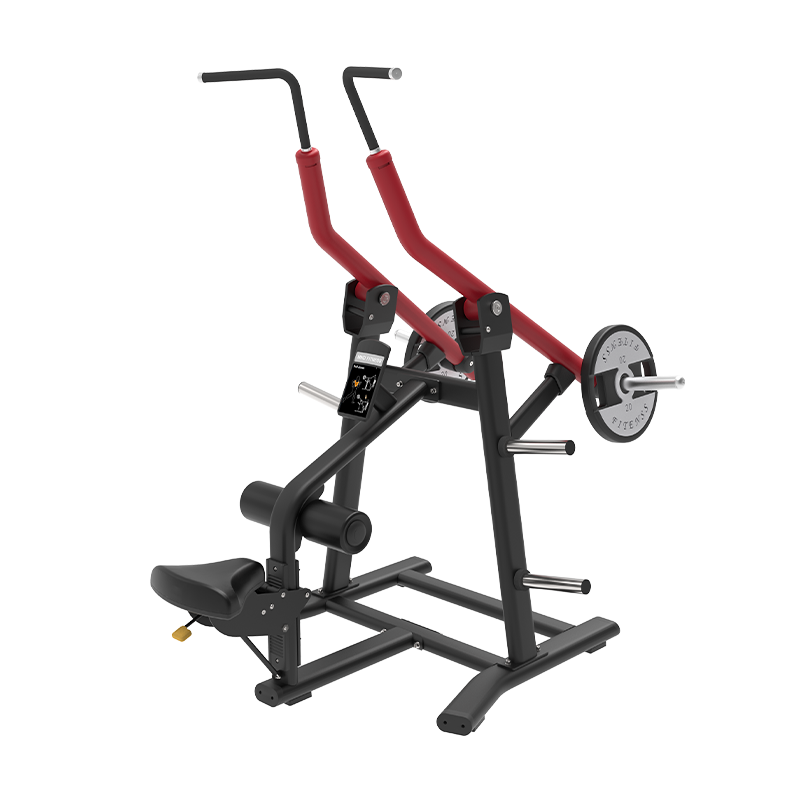
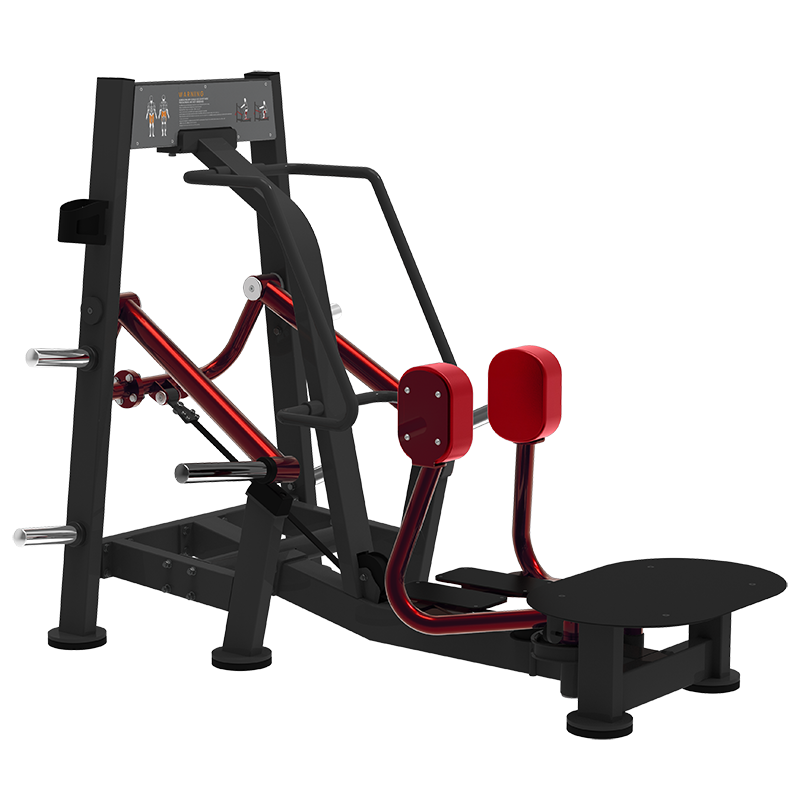
Based on the product information provided, the machine shown is a commercial strength-training unit with a plate-loaded structure, heavy steel frame, and moving resistance arms connected by linkages. The visible configuration suggests a seated pulling-style platform, so the exact exercise name cannot be confirmed from the image alone. That caution is worth keeping in mind: in the fitness equipment market, the frame architecture can resemble one exercise while the final biomechanics tell a different story.
For buyers searching specifically for a Standing Abductor Machine, the important comparison is how the unit supports hip and thigh movement under load. A true outer-hip exercise station should guide the user through a controlled abduction pattern, with stable bracing points, comfortable contact surfaces, and a resistance path that stays predictable through the rep. If a machine is intended for leg and hip workout equipment applications, the geometry should match the body position the machine asks the user to hold.
In commercial settings, the best lower-body strength machine is rarely the one with the most aggressive styling. It is the one that survives daily use, feels secure to new users, and gives trainers enough control to cue proper movement.
Quick reference: what buyers usually look for
When sourcing a Standing Hip Abductor Machine or related outer-hip station, most teams end up evaluating the same practical points:
1. Frame stability: A floor-standing base with rubber feet or similar contact points helps limit unwanted movement during use.
2. Load method: Plate-loaded construction is common in commercial strength equipment and allows facilities to use existing weight plates.
3. User support: Padded contact points, side grips, and a sensible seat or brace setup improve comfort and confidence.
4. Motion control: The arm path should feel smooth and guided, not loose or jerky.
5. Footprint: In clubs and rehab centers, compact floor space often matters as much as training value.
6. Serviceability: Welded steel frames, durable finish quality, and accessible wear parts all reduce downtime later.
That is the short version. The longer version is where procurement teams earn their keep.
Frame construction and finish: the parts that actually matter
The visible construction cues point to a heavy steel frame with a black powder-coated main structure and red accent arms or linkages. That is not just a style choice. In commercial gym equipment, steel tube geometry and weld quality shape how the machine behaves under repeated load. A machine used in a fitness club or sports training center has to resist flex, not merely look solid on delivery day.
Powder coating is a sensible finish for this kind of equipment because it generally handles routine wear better than light paint systems, especially around high-contact areas. Still, buyers should not treat finish quality as a cosmetic issue. Scuffs, chips, and corrosion risk matter in humid facilities, rehab environments, and sites that clean equipment heavily. A good finish can buy time; a poor one can make a well-designed frame look tired fast.
The visible dual loading posts on the left side also suggest a practical commercial advantage. Multiple plate pegs simplify loading and help balance resistance distribution. For a facility operator, that can be more convenient than a design that requires awkward plate juggling between sets. Small conveniences like this are often what separate premium-feeling leg and hip workout equipment from basic commercial iron.
User support and biomechanics are not separate issues
In outer-hip training, pad shape, arm travel, and handle placement all affect how usable the machine feels. The visible dual pads or bracing pads indicate a design that tries to stabilize the user during pulling or lateral motion. That support matters because the hips do not work in isolation from the trunk. If the torso shifts too much, the exercise stops being what the programming intended.
For a Standing Abductor Machine, buyers should pay close attention to three things: whether the user can set up quickly, whether the starting position feels natural for different body sizes, and whether the machine allows controlled repetition without forcing the knees or hips into an awkward angle. The best machines make light work easy to learn and harder work still manageable. The worst ones feel acceptable only when nobody is watching form closely.
There is also a practical caution here. Equipment that looks compact can sometimes conceal a motion path that is too short for taller users or too wide for smaller ones. A trial run with actual users, not just a showroom glance, is the best way to catch that problem early.
Where this category fits in the market
Not every facility needs a dedicated Standing Hip Abductor Machine, but many benefit from having one. In a commercial gym, it can support lower-body accessory work and warm-up routines. In a rehabilitation or conditioning environment, it offers a more controlled way to work on lateral hip strength and stability. In a sports training center, it can complement squats, lunges, sled work, and unilateral drills by addressing muscles that often get undertrained.
That versatility is one reason the category keeps showing up in gym design plans. It is not flashy in the way a treadmill wall or cable bay is flashy, but it earns its floor space by serving multiple user types. Some members will use it for targeted glute work. Others will see it as part of a broader lower-body circuit. Trainers may use it as a warm-up station, a corrective tool, or an accessory piece after heavy compound lifts.
This is also why the equipment should be judged as commercial fitness equipment fabrication, not just as a simple machine. The frame, pads, welds, and resistance mechanics all need to behave like professional infrastructure.
What buyers should ask before placing an order
There are a few sourcing questions that save trouble later. First, confirm whether the machine is truly intended for standing abduction, seated abduction, or another guided lower-body movement. The visible structure in the product data suggests a seated, plate-loaded rowing-style design, so a buyer should not assume the exact exercise without checking the manufacturer’s specification sheet.
Second, ask how the frame is built and finished. Welded steel tube construction is common, but the details of joint design, coating uniformity, and contact-point reinforcement affect long-term reliability. Third, review whether the support pads and grips suit the intended user base. A machine destined for a rehabilitation facility may need a different setup philosophy than one going onto a sports floor.
Fourth, think about maintenance access. Commercial facilities do not usually fail because one component is exotic; they fail because ordinary service tasks are awkward. If a machine is hard to inspect, hard to clean, or hard to reassemble after wear-part replacement, that cost shows up later in operations.
Common mistakes in procurement
One common mistake is buying by appearance alone. A sleek frame does not guarantee a sensible motion path. Another is overestimating how much space is available once the machine is installed, loaded, and used by real people. A third is ignoring user onboarding. If the machine is unfamiliar, staff may need simple cueing guidance, especially in mixed-use facilities where not everyone knows how to train the hips correctly.
It is also easy to underestimate how much the plate-loaded format matters. Some buyers prefer it because it is simple and familiar; others prefer selectorized convenience. Neither is automatically better. The right choice depends on your space, your member profile, and how often the machine will be used.
How Minolta fits into the supply picture
Shandong Minolta Fitness Equipment Co., Ltd. brings the kind of manufacturing background that matters in this category: commercial gym equipment experience, a large production base, and a catalog that spans strength and cardio lines. The company information notes more than a decade in the fitness equipment sector, a 120,000-square-meter facility, and more than 300 types of exercise equipment across commercial and home-use applications. It also states exports to over 100 countries across Europe, Africa, the Middle East, South America, and Southeast Asia.
That scale does not automatically answer every technical question about a specific Standing Abductor Machine, but it does suggest a manufacturing environment built for broader fitness equipment fabrication and assembly. For buyers, that can matter when evaluating consistency, program breadth, and the ability to source matching machines across a facility buildout rather than piecing together mixed suppliers.
FAQ for sourcing and operations teams
Is a Standing Abductor Machine the same as a Standing Outer Thigh Machine? Often the terms are used interchangeably in buyer language, but the exact mechanics can differ. Always confirm the motion pattern and user position.
Is plate-loaded better for commercial use? It can be, especially in facilities that already manage free weights and want simpler service. But selectorized systems may suit some clubs better.
What is the biggest durability issue? Usually it is not the headline frame. It is wear at pads, pivots, grips, and finish points where repeated contact occurs.
Should this be bought for a rehab setting? Potentially, yes, if the biomechanics suit the clinical program and the team can supervise setup. For rehab use, control and accessibility matter more than load potential.
A practical next step for buyers
If you are evaluating a Standing Abductor Machine for a new facility, treat it like a movement tool first and a steel product second. Ask for the specification sheet, verify the exercise geometry, inspect the frame and pad layout, and compare it against the actual users you expect to serve. If the goal is to add reliable outer-hip exercise equipment to a gym, wellness center, or conditioning room, the right decision will usually come from fit, not novelty.
For teams building out commercial strength zones, Minolta’s broader equipment range may also be useful when you need matching lower-body strength machine options or a coordinated line across multiple training areas. A consistent product family can simplify purchasing, maintenance, and the overall look of the floor. That is not a small thing once the equipment is installed and in daily use.