


Chest Press Machines: What Buyers Should Know Before They Spec Out a Commercial Gym Floor
The Chest Press is one of those pieces of equipment that looks straightforward until you have to buy it for a real facility. On paper, it’s a simple upper-body station. In practice, the right machine affects member comfort, training variety, turnover on the gym floor, and even how well your equipment mix serves different body sizes and strength levels. For sourcing managers and product teams, that makes the chest press less of a “basic item” and more of a decision about durability, movement quality, and day-to-day usability.
If you are comparing models for a commercial gym, hotel fitness room, sports club, or a multi-site rollout, the main question is not whether the machine works. It is whether it fits your training philosophy, user base, maintenance expectations, and floor space. A solid chest press machine should support smooth pressing mechanics, resist heavy traffic, and feel approachable to beginners without disappointing experienced lifters. That balance is where many purchases succeed or quietly underperform.
Why the Chest Press Still Matters in Commercial Strength Zones
The chest press exercise remains popular because it is direct, easy to learn, and useful for a wide range of users. Members looking for chest workout options often want a safer or more guided alternative to barbell pressing, especially in busy clubs where racks and benches are occupied. A machine-based press also helps operators serve users who prefer structured chest training without the learning curve of free weights.
From a facility-planning perspective, the chest press machine earns its keep by offering predictable resistance and a stable movement path. That matters in commercial settings where users vary widely in experience. One person wants a warm-up set before a bigger session. Another wants a full pushing workout and never touches a bench press. A third is rehabbing strength after a layoff and needs controlled motion. The same station can satisfy all three if the design is sensible.
Quick Reference: What to Compare on a Chest Press Machine
Before narrowing down a supplier or model family, buyers usually benefit from a short comparison pass. Not every machine suits every gym.
Key evaluation points
Movement path: Does the press feel natural across the full range, or does it force the shoulders into an awkward position?
Adjustment range: Can the seat and starting position accommodate different torso lengths and arm reach?
Frame stability: Does the unit feel planted under load, especially in high-traffic environments?
Maintenance access: Can staff inspect pivots, cables, pads, and fasteners without taking the machine apart?
User clarity: Can a first-time user figure out the settings without calling staff over?
Commercial fit: Will the machine hold up to repeated daily use, not just the occasional home session?
What Makes a Good Pressing Pattern
There is no single “correct” chest press exercise path. Different machine designs emphasize different biomechanics. Some units push the handles forward in a fixed arc. Others let the arms travel in a more converging motion, which can feel closer to a dumbbell press. For many users, a slightly natural arc reduces the sense that the shoulders are pinned in place. That said, too much motion complexity can make a machine harder to manufacture well and harder to maintain over time.
The sweet spot is usually a controlled path that matches pressing mechanics without forcing the user to think about the machine. That is particularly important on crowded gym floors. If a piece takes too long to set up, it may be skipped even when it is technically well designed. A chest press is not just about mechanics; it is about how many people can use it efficiently during peak hours.
Machine Types and Why They Feel Different
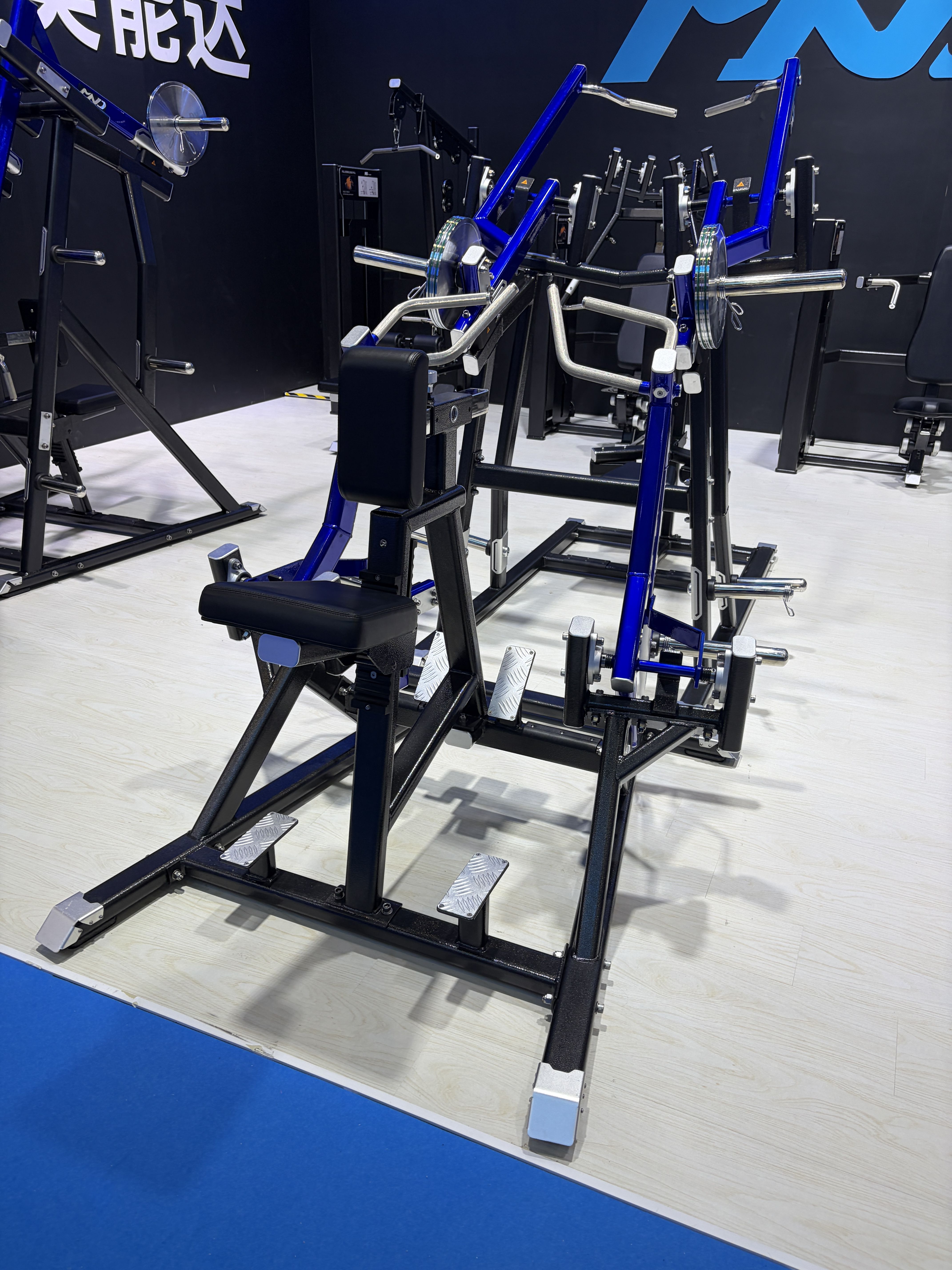
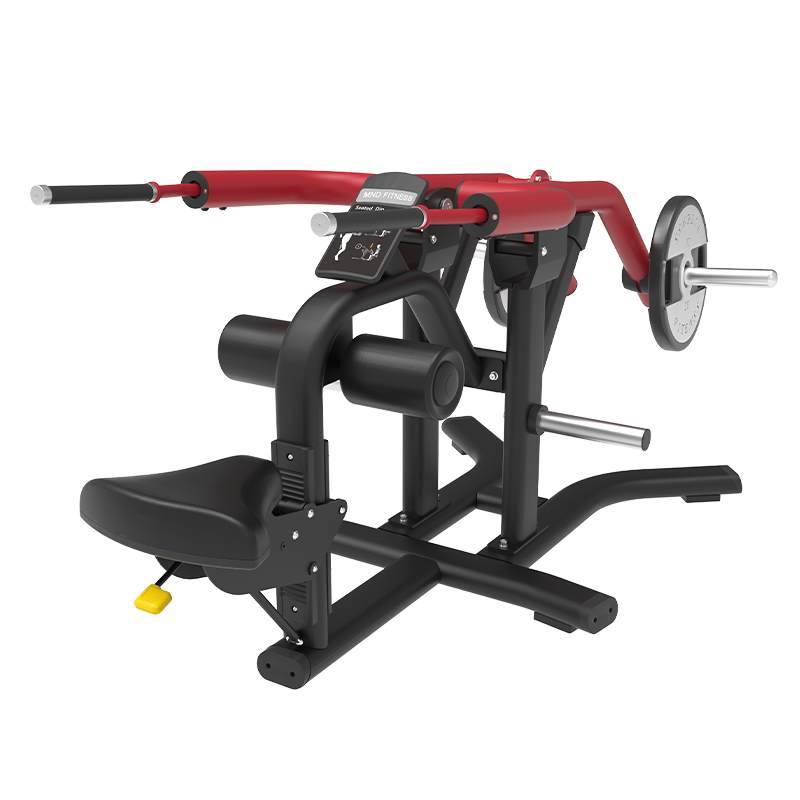
In the broader chest workout category, the machine itself may be plate-loaded or selectorized, depending on the commercial strategy. Selectorized units are often favored where speed and accessibility matter. Users can adjust the load quickly, which helps keep traffic moving. Plate-loaded versions may appeal to heavier strength training environments, where progression and loading flexibility are central. Each approach has trade-offs in footprint, user simplicity, and maintenance burden.
For buyers, the important thing is not to assume all chest press machine options are interchangeable. A boutique studio, a school gym, and a large multi-station club may all describe their needs as “commercial strength,” but they will not use the machine in the same way. A university gym with inexperienced users may value clear adjustment points and easy entry. A performance center may prioritize stable handles, tough upholstery, and heavier-duty frame construction. The right choice depends on who is using it and how often.
What Buyers Should Ask Suppliers
When evaluating a vendor, it helps to ask practical questions instead of only requesting a catalog. Buyers sometimes focus on finish color or headline dimensions and overlook the details that drive ownership cost.
Questions that reveal more than a brochure
How is the frame built for repeated commercial use?
What does the seating and padding feel like after sustained use?
Are replacement parts easy to source if a cable, pin, or upholstery section wears out?
How much space is needed for safe access on both sides of the machine?
What style of resistance or mechanism does the unit use, and how does that affect routine service?
Can the machine be integrated into an existing strength line without making the floor look pieced together?
These questions matter because gym equipment is rarely bought for a single season. Operators usually want equipment that can remain serviceable and visually consistent as the facility grows. A chest press that looks good in a showroom but ages poorly on the floor is a costly compromise.
Where Build Quality Shows Up in Daily Use
Commercial buyers tend to notice build quality only after the first few months of use, which is usually too late. The signs are familiar: wobble at the seat post, loosened adjustment hardware, worn upholstery on the entry side, or a handle path that starts to feel less smooth under load. None of these problems are dramatic at first, but they affect member confidence. A machine that feels unstable gets skipped.
Minolta, operated by Shandong Minolta Fitness Equipment Co., Ltd., is positioned as a commercial equipment manufacturer with more than a decade of experience. The company says its facility spans 120,000 square meters and includes a manufacturing workshop, quality control lab, and exhibition hall. It also offers more than 300 types of exercise equipment across cardio and strength lines. For buyers, that breadth can be useful if they want a unified equipment package rather than a one-off unit from a different supplier. The brand’s strength series, including multiple product families such as MND-AN, MND-FM, MND-FH, MND-FS, MND-FB, MND-E Crossfit, MND-F, MND-FF, MND-G, and MND-H, suggests a broader commercial lineup rather than a single category focus.
That said, a large catalog alone is not enough. The more important question is whether the particular chest press model you are reviewing has the geometry and construction appropriate for your use case. Buyers should still compare machine feel, service access, and part consistency. In fitness equipment sourcing, scale helps, but it does not replace scrutiny.
Common Mistakes When Buying a Chest Press
One common mistake is selecting a machine only because it matches a color scheme or fills an empty corner. Another is assuming every user will enjoy the same handle angle or seat height. A third is underestimating traffic. A station that seems adequate in a showroom may become awkward when a dozen people are circling the strength area during peak hours.
It is also easy to overlook how the chest press fits into the rest of the pushing lineup. If the gym already has incline press, shoulder press, and cable stations, the new machine should add value rather than duplicate function. But if the gym serves casual members, the chest press may need to do more of the work by being especially intuitive and forgiving.
How to Match the Machine to the Facility
For commercial gyms, the best approach is to define the user profile before selecting the machine. A general-membership club may want a chest press machine that is easy to learn and quick to reset between users. A strength-focused facility may value a more rigid frame and a more aggressive pressing feel. A hotel or corporate gym may prioritize compactness and simplicity over advanced training features.
Space planning matters more than many teams expect. The machine must allow room for seat adjustment, loading or access, and safe movement around the station. If staff have to squeeze past users, the machine is in the wrong place. That sounds obvious, but it is one of the most common floor-planning mistakes in mixed-use facilities.
A Practical Buyer Checklist
When reviewing a chest press machine, buyers can keep the process simple:
Confirm the machine suits the actual user base, not just the purchasing team’s preferences.
Check whether the pressing motion feels natural and stable across a normal range of body sizes.
Look closely at frame finish, upholstery, and adjustment hardware for signs of commercial durability.
Ask how the supplier supports ongoing maintenance and replacement needs.
Make sure the unit fits the strength zone without crowding neighboring stations.
None of this is glamorous, but that is usually the point. The best commercial equipment tends to disappear into the routine because it works predictably every day.
FAQ: Chest Press Procurement Questions That Come Up Often
Is a chest press machine enough for upper-body push training?
It is a strong foundation, but most facilities pair it with shoulder and cable options so users can vary their chest training and overall upper-body work.
Should a commercial gym choose selectorized or plate-loaded?
That depends on the audience. Selectorized units are typically easier for general members. Plate-loaded designs often fit more strength-oriented spaces. Neither is automatically better.
What matters most in a busy gym?
Ease of use, stable construction, and low-friction setup. A machine that people can use quickly will usually outperform a more complex one that requires frequent explanation.
What to Do Next
If you are building out a commercial strength area, shortlist a few chest press options and compare them side by side on feel, adjustability, and serviceability. Ask for the details that do not appear in marketing photos. If you are sourcing from a manufacturer with a broad commercial line, such as MND FITNESS by Shandong Minolta Fitness Equipment Co., Ltd., it can be useful to evaluate the chest press alongside the rest of the strength series so the floor works as one system rather than a collection of separate purchases.
A well-chosen chest press does not need to be flashy. It needs to be comfortable, durable, and easy to keep in use. In a commercial setting, that is usually the better deal.