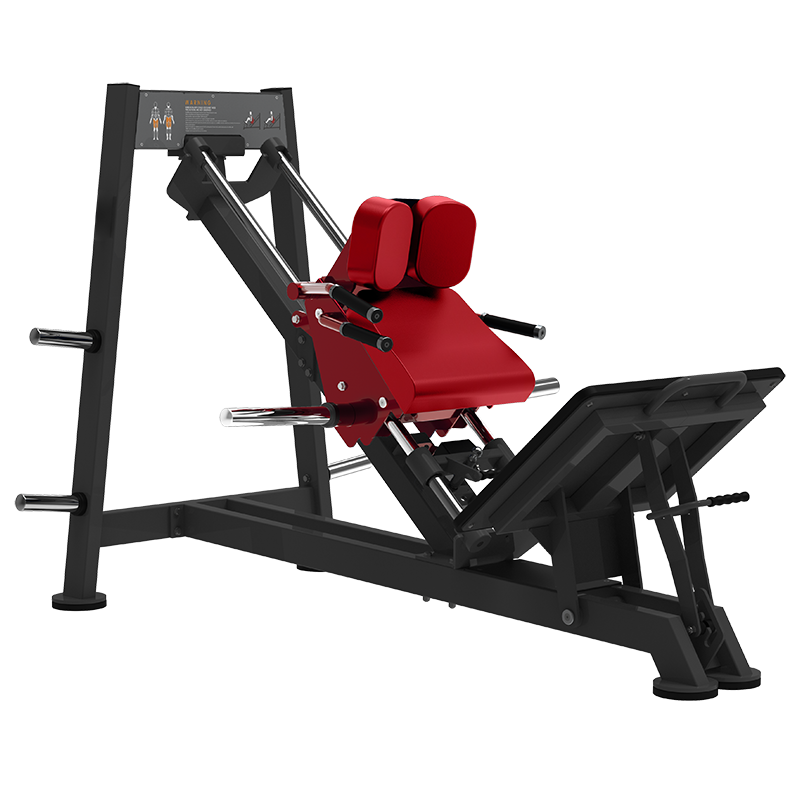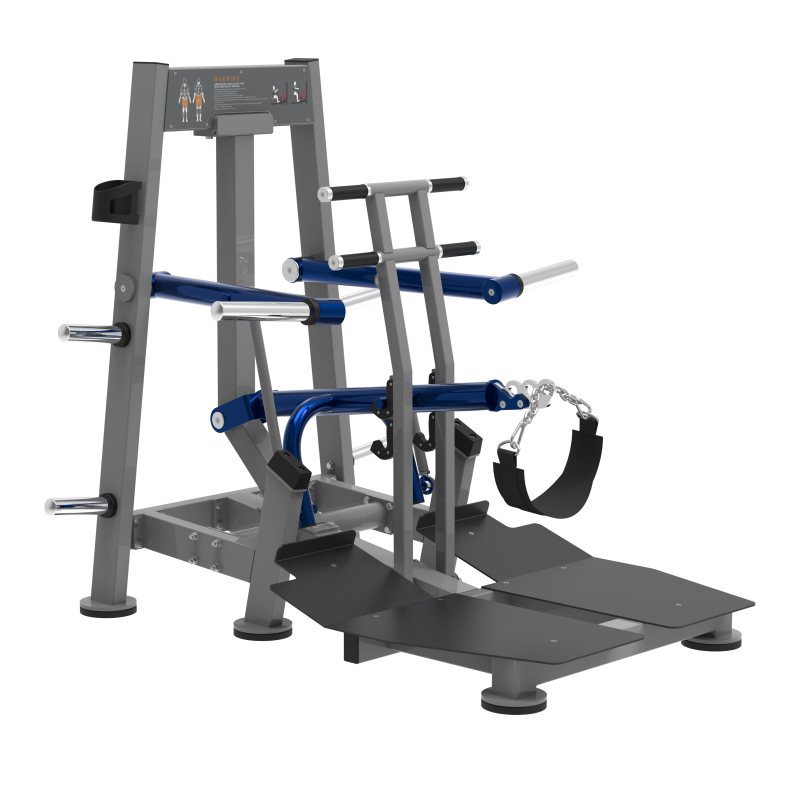



Hack Squat: Why This Machine Still Earns a Place in Serious Training Spaces
The hack squat is one of those exercises that looks straightforward until you actually load the sled and feel how much work your legs, hips, and trunk have to do at once. For gym operators, buyers, coaches, and product teams, that matters because the hack squat is not just another lower-body station. It is a piece of equipment people expect to feel stable, smooth, and safe when the reps get hard. In a commercial setting, that expectation affects user satisfaction, floor planning, and, frankly, how often the machine gets used.
If you are comparing lower-body machines for a facility, a training concept, or a home-style commercial corner, the real question is not whether the hack squat is “good.” It is what the movement does well, who should use it, and how it stacks up against other options such as the leg press. Those details shape purchasing decisions much more than a generic list of hack squat benefits ever will.
What the hack squat actually trains
The hack squat is usually programmed as a quad-dominant compound movement, though that description only tells part of the story. The machine’s fixed path changes the feel compared with a barbell squat. The torso is more supported, which shifts some of the balance demands away from the upper body and toward the legs themselves. That makes the hack squat a practical choice for users who want a hard lower-body stimulus without spending half the set fighting for balance.
In plain terms, the hack squat muscles worked include the quadriceps as the primary target, with the glutes and hamstrings contributing as supporting players. The calves and core also help stabilize the movement, especially when depth increases and the load gets serious. Depending on foot placement and machine geometry, users may feel the exercise more in the quads or more broadly through the posterior chain. That variability is one reason coaches still keep it in rotation.
For facilities, that versatility is useful. A machine that can serve hypertrophy trainees, general fitness users, and some strength-focused lifters tends to earn its floor space faster than a single-purpose station.
How to do hack squat with cleaner mechanics
People often search how to do hack squat because the movement looks simpler than it feels. The basics are easy enough to state, but the difference between a useful rep and a sloppy one usually comes down to body position and control.
Set your feet on the platform with a stance that feels natural and balanced. Keep the whole foot grounded rather than rolling onto the toes. Lower under control until the thighs reach the depth that your hips, ankles, and back can manage without collapsing the shape of the movement. Drive through the midfoot and heel area as you return to the start.
That is the short version. The practical version is more exacting. Keep the knees tracking in line with the toes. Avoid bouncing out of the bottom. Do not let the lower back peel away from the pad just to chase depth. And if the machine design allows the shoulders and torso to slide in a way that feels unstable, reduce load before you make the set into a survival exercise.
A small caution: some users treat the hack squat like a license to stack on plates and ignore control. That usually catches up quickly. The machine may guide the path, but it does not protect the joints from poor habits.
Hack squat form points that matter most
Good hack squat form usually comes down to four things: stable foot pressure, controlled descent, clean knee tracking, and a range of motion you can repeat without distortion. If the hips tuck hard at the bottom or the heels rise dramatically, the setup needs adjustment. Sometimes that means foot placement; sometimes it means the user is simply asking for too much depth, too soon.
For new users, a moderate range with consistent control is a better starting point than a dramatic deep squat that only exists for one rep.
Hack squat vs leg press: why buyers and coaches compare them so often
The hack squat vs leg press question comes up constantly because the two machines solve similar problems in different ways. Both are lower-body staples. Both reduce the need to stabilize a free bar. Both can support high-volume leg work. But they feel different enough that they are not true substitutes in every environment.
The leg press typically supports the back and allows the feet to push against a fixed platform in a more seated position. The hack squat places the user in a more upright, guided squat pattern and often creates a stronger sense of standing under the load. That matters for training style and for user experience. Some lifters like the leg press because it is easy to load heavily. Others prefer the hack squat because it more closely resembles a squat pattern while still providing machine support.
From a gym-planning perspective, if floor space and budget allow only one, the choice depends on the audience. If your users are primarily general members who want accessible leg training, the leg press may feel more familiar. If your audience includes lifters who want a squat accessory with a more upright path and strong quad emphasis, the hack squat often gets more use.
Hack squat benefits that actually matter in a facility
The most obvious hack squat benefits are simple: it can load the legs hard, it reduces the balance demands of free squatting, and it offers a clear progression path for users who want measurable overload. Those traits make it appealing in commercial gyms where a wide range of bodies and skill levels share the same machines.
There is also a quieter advantage. Machines that guide the movement often give beginners enough structure to train with confidence. That can improve consistency. And in a commercial setting, consistency is valuable. Equipment that intimidates first-time users often sits idle. Equipment that feels approachable tends to become part of the regular workout traffic.
For strength coaches, the hack squat can also serve as a useful accessory after barbell work. It allows targeted leg volume without as much technical demand. For bodybuilders or physique-focused trainees, that can be the difference between productive quad work and a session that ends because the stabilization demands got too high.
Hack squat workout ideas and programming notes
A hack squat workout can be built around hypertrophy, accessory strength, or general leg development. The machine is flexible enough to fit several styles, but the programming should match the user’s experience and the equipment’s feel.
For many trainees, moderate rep ranges work well because the machine lets them stay under tension without turning every set into a balance test. Some users like slower eccentrics, pause reps near the bottom, or drop sets when the goal is muscular fatigue rather than maximal strength. Those methods are useful, but only if the machine tracks smoothly and the user can keep form intact.
One practical note for gyms: if the machine sees heavy use, the pad wear, carriage travel, and loading area matter almost as much as the exercise itself. A hack squat that feels rough or noisy will not earn repeat attention, no matter how good the movement pattern looks on paper.
What buyers should look for in a hack squat machine
From a sourcing or equipment-selection angle, the details are not cosmetic. They are what determine whether the machine feels solid on day one and reliable after months of daily traffic.
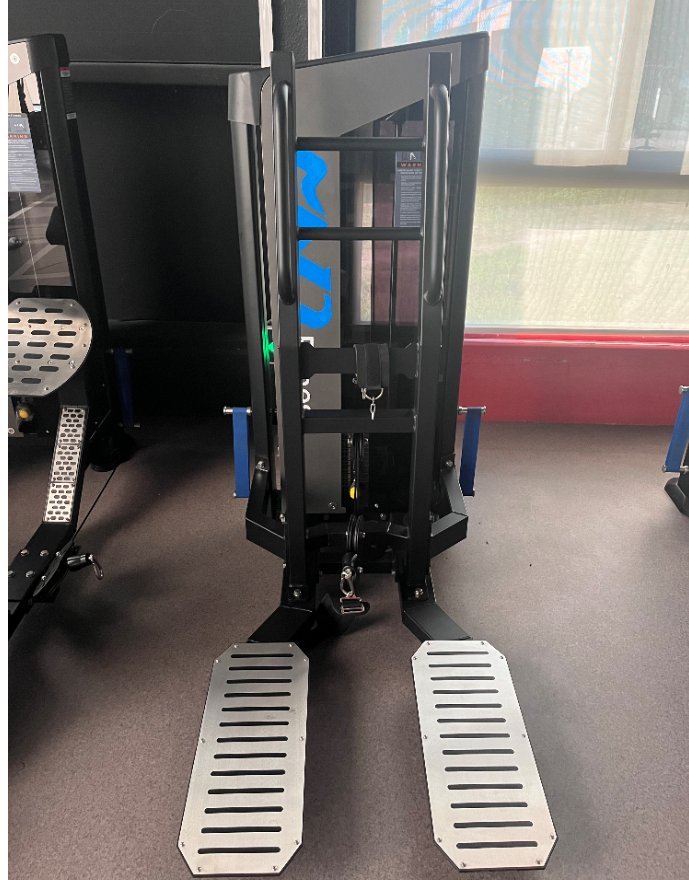
Look for smooth carriage travel, a stable frame, sensible entry and exit angles, and a platform that supports multiple foot positions. Handle placement should help the user settle in without awkward wrist angles. Padding should be firm enough to support the shoulders and back without creating pressure points. Weight-loading layout matters too, especially in busy facilities where plate changes must be quick and predictable.
Commercial buyers also tend to notice the little things only after installation: how easy it is to clean around the base, whether the machine footprint suits the room, and how the design fits the rest of the strength area. Those practical points can make a stronger difference than a flashy finish.
Shandong Minolta Fitness Equipment Co., Ltd., operating under MND FITNESS, is a manufacturer with more than a decade in the fitness equipment sector. The company says its facility covers 120,000 square meters and includes manufacturing, quality control, and exhibition spaces. Its strength lineup spans multiple series, including MND-AN, MND-FM, MND-FH, MND-FS, MND-FB, MND-E Crossfit, MND-F, MND-FF, MND-G, and MND-H, alongside cardio lines such as MND-D exercise bikes and the MND-X500, X600, and X700 treadmill families. It also reports offering more than 300 types of equipment and exporting to over 100 countries. For buyers comparing suppliers, that range suggests a broad manufacturing base, though final suitability still depends on the specific machine, build details, and after-sales support.
Common mistakes users make on the hack squat
The most common mistake is rushing the descent and treating depth like a trophy. Another is letting the knees cave inward under load. A third is setting the feet so low that the heels lift and the movement turns into a toe-heavy grind.
There is also the habit of using the machine as if it were a backrest for ego lifting. On paper, machine assistance may look forgiving. In practice, uncontrolled reps can still be rough on knees, hips, and lower back. The fix is usually not complicated, but it does require patience: reduce load, tidy the setup, and earn the right to add plates later.
Quick buyer takeaway
If your users want a guided squat pattern with strong quad emphasis, the hack squat remains a valuable machine. If they mainly want a seated leg press feel, then the leg press may be the better first purchase. The best choice depends on your training audience, room layout, and the kind of lower-body work you want your members to repeat week after week.
For teams evaluating equipment lines, the next step is usually hands-on comparison: inspect the frame feel, carriage motion, foot platform, and access angles before making a final decision. A machine that looks impressive in a catalog can feel very different when a real user climbs onto it with a loaded set in front of them.
FAQ: hack squat basics for buyers and trainers
Is the hack squat only for advanced lifters?
No. Beginners can use it, but they should start with manageable loads and focus on control rather than depth alone.
Is the hack squat better than the leg press?
Not universally. It depends on whether you want a more upright squat pattern or a more seated pushing pattern.
Does the hack squat build just the quads?
The quads are the main target, but glutes, hamstrings, calves, and core all contribute.
What should commercial buyers test first?
Smooth travel, stability, ergonomic contact points, and how easy the machine is to use for different body sizes.
Next step for sourcing and training teams
If you are evaluating lower-body equipment for a gym, studio, or commercial fitness line, the smartest move is to compare the movement feel, footprint, and construction quality side by side with your member profile in mind. The right hack squat is not simply the heaviest-looking one. It is the one your users will trust, repeat, and load without hesitation.