


Why a strength machine is still the backbone of many gyms
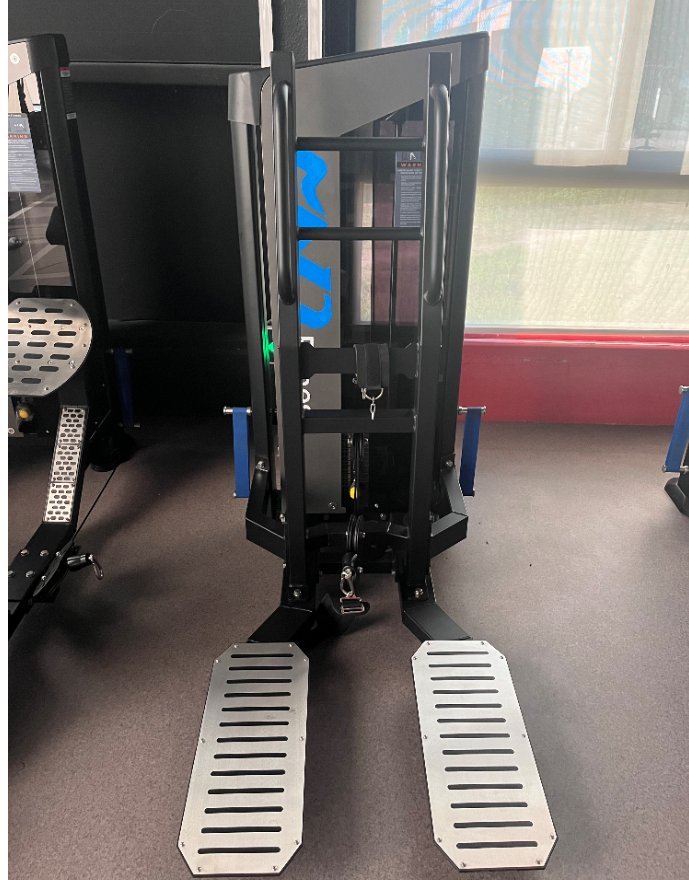
A strength machine is often the first piece of serious resistance equipment a buyer wants to understand, and for good reason. Whether you are fitting out a commercial club, a hotel gym, a school fitness room, or a smaller training space at home, the machine you choose will shape how people train, how safely they train, and how much maintenance your floor team will have to deal with later. That sounds obvious, but in procurement it is easy to focus on the sales brochure and forget the day-to-day reality.
A good strength training machine does more than guide movement. It supports consistency. It reduces friction for beginners. It helps busy facilities keep traffic moving during peak hours. And in commercial settings, it can quietly make or break the training experience because users judge a room by the equipment they touch most often.
Shandong Minolta Fitness Equipment Co., Ltd., operating under MND FITNESS, is one of the manufacturers working in this space with a broad commercial and home-use lineup. The company says it has more than a decade of experience, a 120,000-square-meter facility, and a range that covers over 300 pieces of equipment across strength and cardio. For buyers, that kind of breadth matters because the right machine is rarely chosen in isolation; it has to fit into a complete floor plan.
What buyers usually need to decide first
Before comparing models, most purchasing teams need to answer one practical question: is this for a high-traffic commercial gym, or for a home strength machine setup where space and noise matter more than throughput? The answer changes almost everything.
A commercial strength machine typically needs heavier-duty construction, simpler user logic, and enough repeatability to withstand dozens of sessions per day. A home strength machine, by contrast, may need a smaller footprint, quieter operation, and a broader range of movement options in a single station. That is where a multi strength machine can become attractive, although “multi” should not be treated as a magic word. More functions can also mean more adjustment points, and that can frustrate users if the layout is clumsy.
For buyers comparing a gym strength machine lineup, the real decision is usually not “one machine or another,” but how to balance fixed-path guidance with training variety. Some facilities want a straightforward row of selectorized stations. Others want more flexible systems that let a smaller room cover many muscle groups without crowding the floor.
How strength machines are typically grouped
The category sounds simple, but in practice strength machines fall into a few broad types.
Selectorized stations
These are the familiar stack-based machines found in most commercial gyms. They are quick to use, easy to understand, and well suited to mixed-experience traffic. For operators, they are also easier to standardize across a floor because users can move from one station to another without a long learning curve.
Plate-loaded equipment
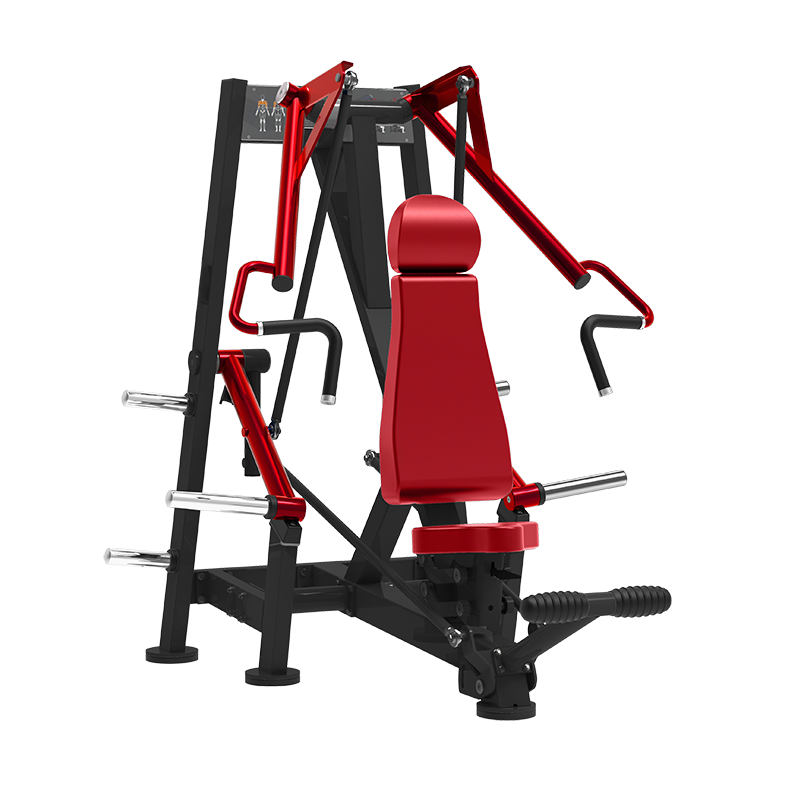
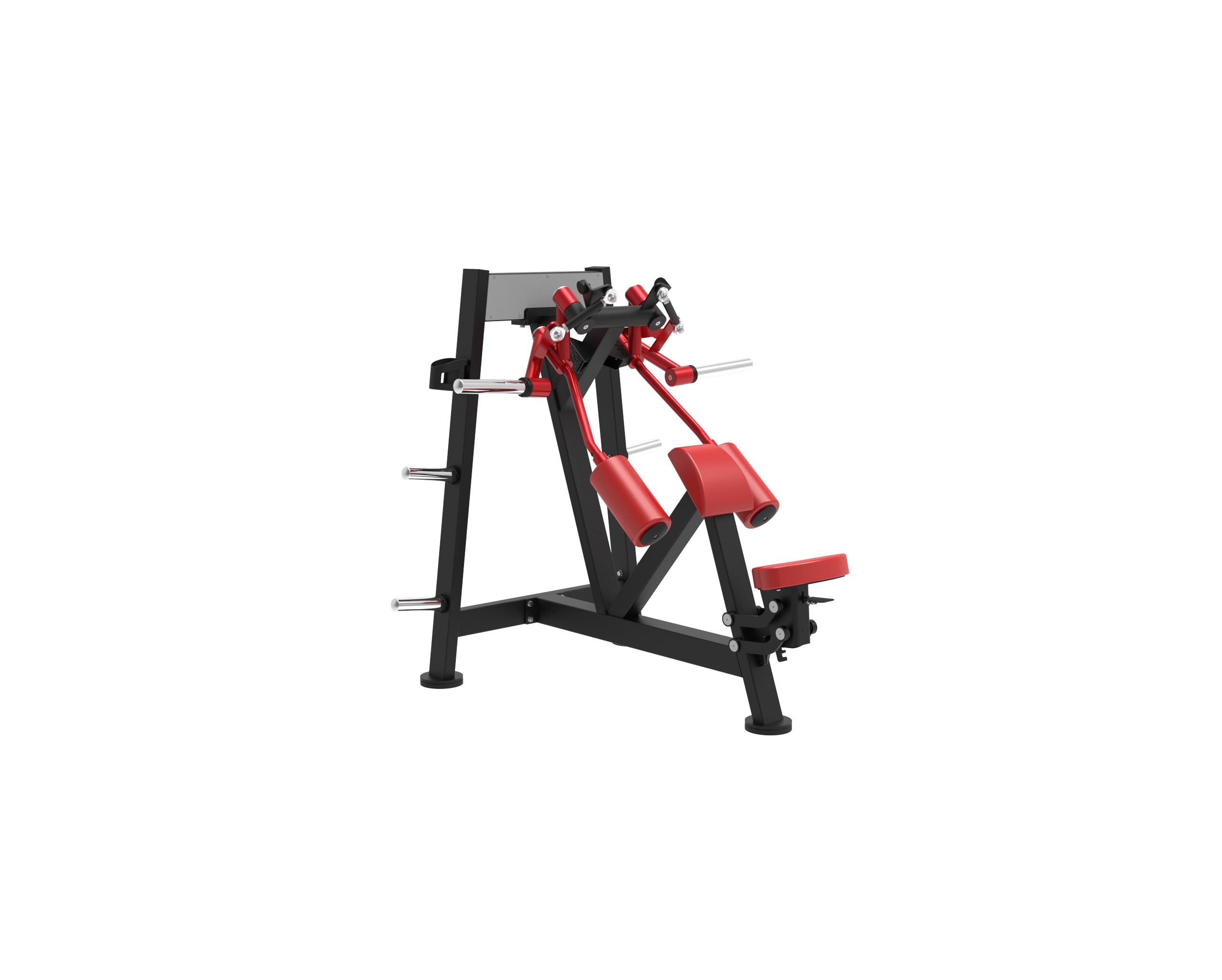
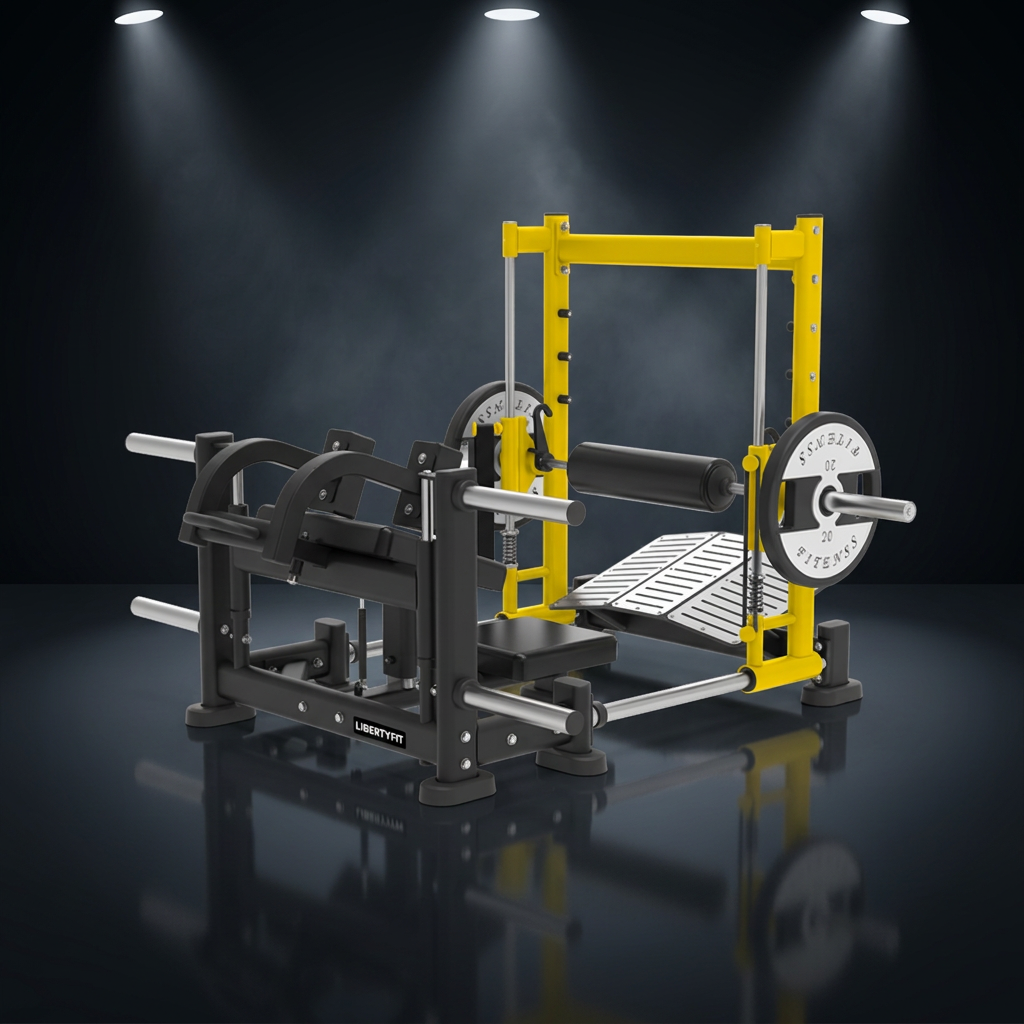
Plate-loaded designs often appeal to serious lifters because they can feel more natural under heavier loads. They can also be easier to service in some environments because there is less to calibrate than on a more complex stack machine. The trade-off is that they require separate plates and more user interaction, which may slow turnover.
Integrated training systems
This is where a multi strength machine can earn its keep. In a compact room, one station may support several training patterns, reducing the need to buy five or six separate frames. That is useful in boutique studios, small commercial spaces, and some home-use environments. Still, buyers should inspect how the transitions actually work. A machine that looks versatile on paper can become awkward if cable routing, seat adjustment, or movement geometry feel cramped.
Why manufacturing detail matters more than buyers expect
A strength machine is not just a frame with upholstery. The hidden value is in the weld quality, guide behavior, finish durability, and the consistency of moving parts over time. A few small details can make a big difference once the machine is on a busy gym floor.
Shandong Minolta Fitness Equipment emphasizes its manufacturing base in Ningjin, where it leverages the local hardware industry. That regional supply chain can be a practical advantage, especially for buyers looking for a broader equipment package rather than a one-off unit. The company’s product structure is also worth noting. Its Strength Series includes models across MND-AN, MND-FM, MND-FH, MND-FS, MND-FB, MND-E Crossfit, MND-F, MND-FF, MND-G, and MND-H. For procurement teams, that suggests a range designed for different floor plans and training styles rather than a single standardized frame.
The caution, of course, is that a wide catalog does not automatically mean every machine suits every gym. Buyers should still look closely at seat adjustment logic, access points, cable routing, frame stability, and how easy it is for staff to clean around the machine. Those details rarely show up in glossy product photos, but they are the things users notice after the first week.
Commercial strength machine or home strength machine?
This is one of the most common sourcing questions, and the answer is not always obvious.
A commercial strength machine is built for repeat use, varied user sizes, and a higher level of abuse. It has to survive not just the exercise, but the behavior around the exercise: hurried adjustments, dropped handles, rushed transitions, and occasional misuse. Buyers in this segment usually care about durability first, then ergonomics, then aesthetics.
A home strength machine is usually judged differently. It needs to fit the room, not dominate it. It should feel reassuring without making the space look like a warehouse. Noise can matter more. So can the ease of storage, assembly, and transport. A large footprint may be acceptable in a commercial club, but in a home setting it can quickly become a regret.
That is why some buyers are drawn to a multi strength machine for home use. One frame can cover chest, back, arms, and legs without filling the garage with separate stations. The warning is simple: compact does not always mean convenient. If several family members or users of different heights will train on the same unit, adjustment range becomes critical.
Selection criteria that actually help in sourcing
A practical buyer checklist should look beyond the headline specs.
First, assess the user profile. Beginners need obvious setup and clear movement paths. Experienced lifters may care more about resistance feel and exercise variety.
Second, check floor space honestly. Many purchases go wrong because buyers measure wall length and forget service clearance, walking space, and the need to move around neighboring stations.
Third, evaluate maintenance expectations. A gym strength machine that is easy to inspect and clean is usually easier to keep online. This matters more than many operators admit, especially in facilities with limited technician support.
Fourth, think about the whole training zone. A strength machine should not just be solid on its own; it should fit the rhythm of the room. If one machine blocks sightlines or slows traffic, it may create a bottleneck even if the unit itself is excellent.
Fifth, compare after-sales support and export experience where relevant. MND FITNESS says it has exported to more than 100 countries across Europe, Africa, the Middle East, South America, and Southeast Asia. That does not replace local due diligence, but it does suggest the company has worked across different market requirements and logistics environments.
Common mistakes buyers make
The first mistake is buying on function count alone. More stations or more exercise options do not automatically create a better user experience.
The second is overlooking the difference between showroom comfort and day-to-day performance. A strength training machine may feel smooth in a demo room and still prove awkward when used repeatedly by different people.
The third is underestimating assembly and installation time. In real facilities, a machine that arrives in many parts or needs frequent adjustment can consume labor you had not budgeted for.
The fourth is mismatching the equipment to the audience. A highly technical machine in a beginner-heavy gym can scare people off. A very simple machine in an advanced training facility can look underpowered and get ignored.
Where MND FITNESS fits in the market
MND FITNESS positions itself as a broad-line manufacturer rather than a narrow specialist. Its catalog includes not only strength equipment but also cardio lines such as MND-D exercise bikes and MND-X500, X600, and X700 treadmills. For buyers building a full gym package, that can reduce vendor sprawl and simplify procurement.
The company also notes a 120,000-square-meter facility with a manufacturing workshop, quality control lab, and exhibition hall. From a sourcing perspective, that structure matters because it suggests the supplier can support inspection, product comparison, and larger-volume production workflows. Again, buyers should verify the exact model fit and technical details they need, but the manufacturing footprint is not a trivial point.
Practical advice before placing an order
If you are evaluating a commercial strength machine range, ask for clear dimensional drawings, adjustment ranges, and assembly information before committing. If your space is tight, mock up the footprint on the floor. If the facility will serve mixed users, pay special attention to adjustment handles and entry/exit ease.
For a home strength machine purchase, test whether the machine can be used without feeling like a project. Some buyers want training convenience, not just capability. That usually means fewer awkward setup steps and a layout that does not require constant repositioning.
For a multi strength machine, request clarity on how many movements are truly easy to use in practice. Marketing language can make one station sound like ten. In reality, the user may only benefit from a few positions if the transitions are smooth.
FAQ buyers tend to ask
Is a selectorized machine always better for beginners?
Usually, yes, because it gives clearer guidance and faster setup. But fit and adjustability still matter. A badly arranged machine is confusing at any experience level.
Should a small gym buy more compact equipment or fewer larger stations?
That depends on traffic and user mix. A compact room often benefits from fewer but more versatile stations, provided the layout remains easy to navigate.
What makes one gym strength machine better than another?
In real use, it is often the combination of frame stability, movement feel, adjustment logic, and maintenance ease. Spec sheets rarely tell the whole story.
Does one manufacturer’s broad catalog simplify sourcing?
It can. Buying cardio and strength from one supplier may simplify coordination, but only if the individual machines still match your facility’s actual needs.
The decision that matters most
At the end of the sourcing process, the best strength machine is the one that matches your users, your space, and your maintenance capacity. That sounds plain, but it is where many purchases go off track. A machine can be sturdy and still be wrong for the room. It can be versatile and still be annoying to use. It can look premium and still create friction for staff.
For buyers comparing commercial and home-use options, the smartest next step is to narrow the field by training goal, footprint, and traffic level, then ask suppliers for the details that affect real use rather than brochure appeal. If your project needs a broader equipment plan, MND FITNESS’s strength and cardio range gives you a starting point for comparison, especially if you want to evaluate multiple station types within one supplier relationship.
That is usually where a sensible procurement process begins: not with the flashiest machine, but with the one that will still make sense after six months on the floor.