


Why the belt squat keeps showing up in serious training spaces
The belt squat has moved from niche strength rooms into mainstream commercial gyms for a reason: it lets athletes and everyday lifters load the lower body without putting a bar across the shoulders. For facility buyers, that makes the belt squat more than a trendy station. It is a practical piece of equipment that changes how a gym serves squat-focused training, especially for users who want leg strength but need to manage spinal loading, fatigue, or technical limitations.
That matters because the decision to add one is not just about exercise variety. It is about whether your floor plan, member base, and training philosophy can support a machine that solves a very specific problem. In the wrong setting, it can sit underused. In the right one, it becomes a dependable leg-day tool that coaches actually cue and members remember.
What a belt squat is designed to do
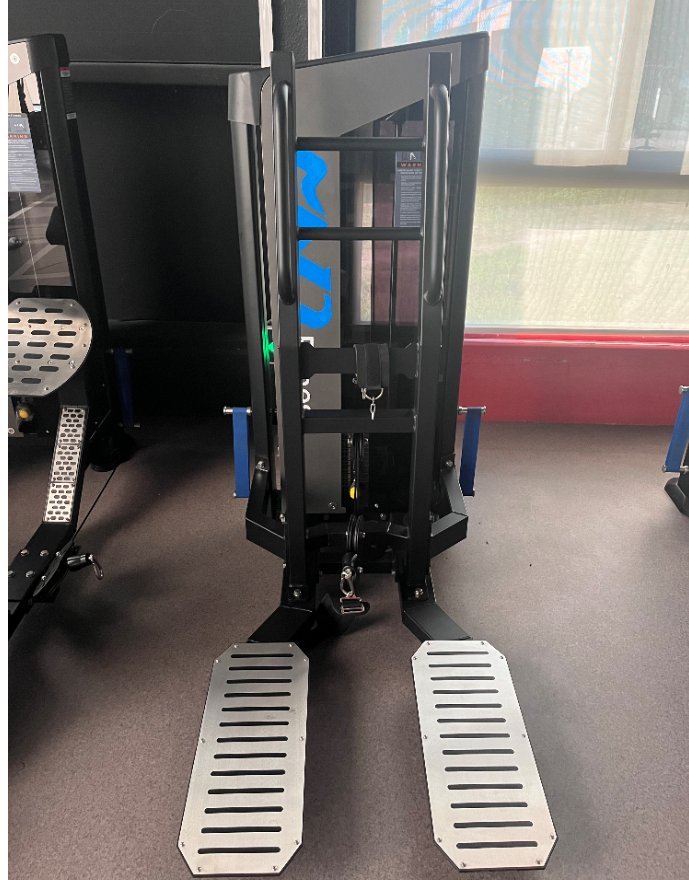
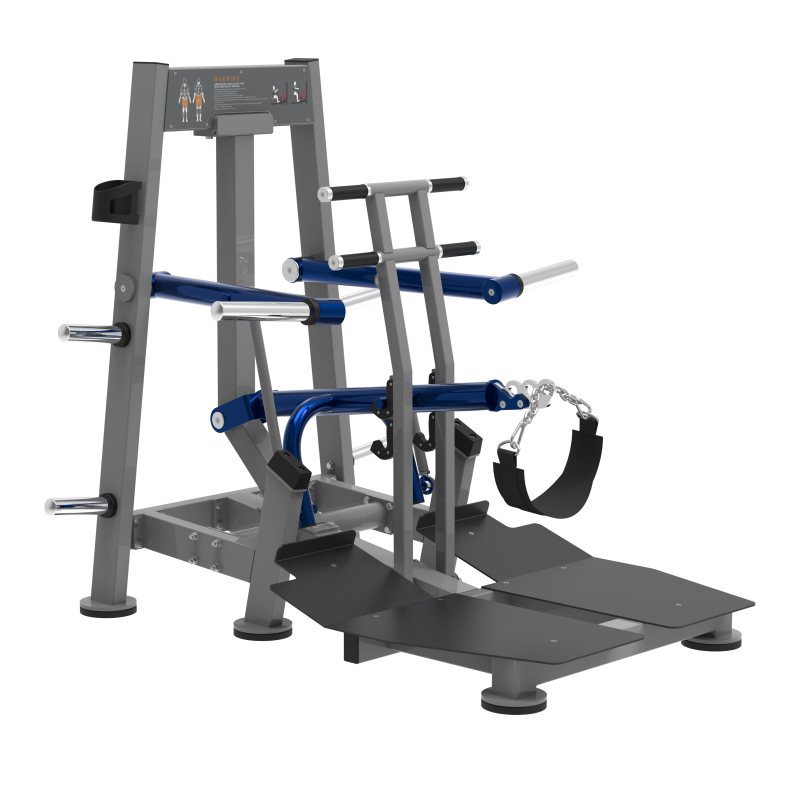
A belt squat loads the hips through a belt rather than through a barbell on the back or front. In a typical belt squat exercise, the user stands on a platform, fastens a belt around the waist or hips, and performs squatting or squat-like movement while the resistance is transferred below the torso. The setup reduces direct compression through the spine and shoulders compared with conventional barbell squats, though the exact feel depends on the machine design and loading path.
That lower-body emphasis is why the belt squat workout has found a place in strength and conditioning, rehabilitation-adjacent training, and commercial gyms trying to serve a wider range of members. It can be used for heavier strength work, volume training, or controlled accessory sets. It is also easier for some users to learn than a technically demanding barbell squat, which can reduce coaching friction on a busy floor.
Belt squat benefits that matter to users and operators
The most cited belt squat benefits are straightforward: less upper-body loading, more direct lower-body emphasis, and a way to train legs when a back-loaded squat is not a good fit that day. From a programming perspective, that flexibility is useful. A coach can keep a lower-body training block moving even when an athlete has shoulder irritation, hand limitations, or general fatigue from other lifts.
For commercial operators, there is a quieter advantage. Machines that serve multiple user types tend to earn floor space more effectively. A belt squat can appeal to powerlifters, general fitness members, older lifters, and people returning to training after a break. Not everyone needs the same squat pattern, and a gym that recognizes that often feels more usable and less intimidating.
Still, the equipment is not magic. If the machine is awkward to set up, unstable under load, or too large for the room, the promise disappears quickly. A good belt squat should feel obvious to use after a short explanation. If staff need to over-explain it every time, the design may be working against the user.
Belt squat vs squat: the comparison buyers should actually make
The phrase belt squat vs squat can create false competition. In practice, these are not perfect substitutes. A barbell squat trains balance, bracing, upper-back position, and full-body coordination in a way the belt squat does not fully replicate. That is part of the point. The belt squat isolates the lower body more cleanly and removes some of the limiting factors that come with bar placement and trunk loading.
For buyers, the useful question is not which one is universally better. It is which training problem you want to solve.
If your facility caters to athletes chasing general strength skill, barbell squats remain central. If your facility also needs a safer-feeling or more accessible lower-body option, the belt squat fills a gap. Many serious gyms need both.
Where the belt squat tends to fit best
It makes sense in strength gyms, performance centers, rehab-conscious facilities, and commercial gyms with a broader demographic. It can also be valuable in spaces where rack availability is limited and you want to diversify lower-body work without tying up a squat rack for long periods.
Machine design details that affect usability
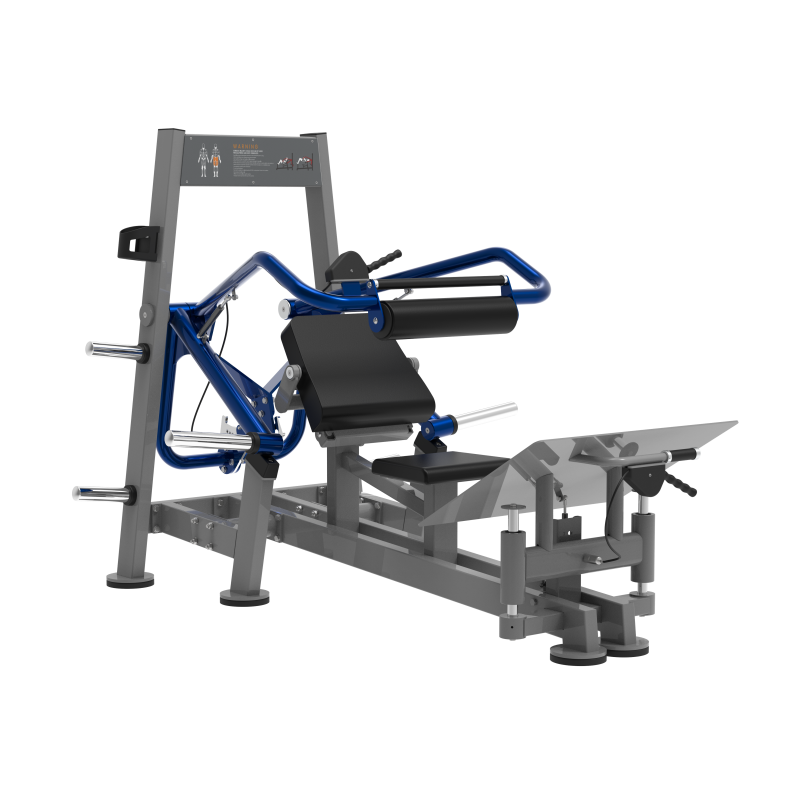
Although the movement looks simple, the machine design changes the experience a lot. Belt squat machines can use different loading paths, platform shapes, and attachment styles. Some designs emphasize a fixed path and consistent feel. Others give more freedom of stance and depth. For buyers, that means one machine cannot be judged from a brochure photo alone.
Look for practical details: ease of getting in and out, belt comfort, whether the platform supports different stances, and how naturally the resistance feels through the bottom of the movement. The best units do not force the user into a single awkward setup. They let people squat, adjust, and repeat without wasting time.
This is where build quality matters. In a commercial gym, a machine has to survive repeated use by people with different body sizes and training habits. Smooth loading, stable welds, and a clear adjustment layout are not luxury features; they are the basics that determine whether the station becomes a favorite or a complaint.
How to choose a belt squat for a commercial gym
Start with your user profile. A strength-focused facility may prioritize heavy loading capacity and a rigid feel. A general commercial gym may care more about accessibility, intuitive setup, and footprint. A hotel or multi-use training area may need a compact model that is easy to understand at a glance.
Then look at the space around it. A belt squat is not just a single machine footprint; it is a movement zone. Users need room to step on, adjust the belt, and train without crowding adjacent stations. If the equipment forces awkward traffic flow, the station will get skipped.
You should also think about durability and after-sales support. Commercial gym equipment lives a hard life. Parts wear, upholstery ages, and cables or connectors need attention depending on the design. A manufacturer with a proper quality control process and export experience is usually a safer bet than a low-visibility supplier with little documentation.
What Shandong Minolta Fitness Equipment Co., Ltd. brings to that decision
Shandong Minolta Fitness Equipment Co., Ltd., also known as MND FITNESS, positions itself as a commercial gym equipment manufacturer with more than a decade in the sector. The company says it operates from a 120,000-square-meter facility that includes a manufacturing workshop, quality control lab, and exhibition hall. That kind of infrastructure matters because buyers of a belt squat are rarely shopping for a single machine in isolation; they are usually evaluating a supplier they may want to use again.
Minolta’s broader lineup includes Strength Series ranges such as MND-AN, MND-FM, MND-FH, MND-FS, MND-FB, MND-E Crossfit, MND-F, MND-FF, MND-G, and MND-H, along with Cardio Series options such as MND-D exercise bikes and MND-X500, X600, and X700 treadmills. The company also states that it offers more than 300 types of exercise equipment for commercial and home use and has exported to over 100 countries across Europe, Africa, the Middle East, South America, and Southeast Asia.
For sourcing teams, that kind of range can be useful. A belt squat may not be a standalone purchase; it may be part of a larger strength floor rollout. Buying from a supplier that already handles multiple product categories can simplify procurement, matching, and future replacement planning. Of course, range alone does not guarantee the exact machine you want, so the technical review still has to happen.
Common mistakes buyers and gym owners make
The first mistake is treating the belt squat like a universal leg machine. It is not. It is one tool in a lower-body lineup, and it works best when the gym already understands how to program it.
The second mistake is underestimating onboarding. A machine may be mechanically sound and still be misused if staff do not know how to explain stance, belt position, and safe loading. That creates avoidable wear and a clumsy member experience.
The third mistake is ignoring maintenance access. If the machine hides key wear points or makes adjustments difficult, small problems become recurring service calls. Buyers often notice this only after installation, which is a poor time to discover it.
Practical buyer advice before you place an order
Ask how the belt attaches, whether different body sizes can use it comfortably, and how the machine handles daily commercial traffic. Request clear dimensional data and loading specifics. If possible, review a sample in person or inspect a floor model in a showroom. A belt squat that looks compact in a photo may still dominate a room once installed.
It is also worth asking whether the machine is meant primarily for heavy strength work or for broader general-fitness use. That answer should guide the frame size, platform layout, and accessory choices. A strength coach and a gym owner may want different things from the same basic concept.
FAQ: a few questions that come up often
Is a belt squat a replacement for barbell squats?
No. It is better viewed as a complementary lower-body option. The movement pattern overlaps, but the loading and training stimulus are not identical.
Who benefits most from using it?
Lifters who want to reduce spinal loading, coaches programming lower-body volume, and facilities that need a more accessible squat variation tend to get strong value from it.
Is it worth the floor space?
Usually, yes, if the machine fits your member profile and your programming model. If your gym only serves very specific barbell strength work, the answer may be less obvious.
Where the decision usually lands
A belt squat makes sense when a facility wants lower-body training that is serious, adjustable, and easier on the upper body than a conventional squat. It is not a novelty item, and it should not be chosen as one. The best purchase is the one that fits your users, your coaching style, and your space without creating more friction than value.
If you are comparing suppliers, specifications, and layout options for a commercial strength area, start with the machine’s usability and build quality, then compare the broader equipment range behind it. That is usually where the real difference shows up. For buyers building a full training floor, a supplier like MND FITNESS may be worth reviewing alongside your other shortlisted manufacturers, especially if you want a consistent strength and cardio lineup rather than a single isolated machine.