


What Buyers Usually Mean When They Search for MND Fitness
When sourcing teams, gym operators, or equipment distributors search for mnd fitness, they are usually not looking for branding fluff. They want to know whether the manufacturer can supply durable commercial equipment, how broad the product line is, and whether the company looks stable enough for a long-term purchasing relationship. That is the real search intent behind the term: not just “what is it,” but “can I trust it for a gym project, a dealership order, or a repeat procurement cycle?”
That matters because fitness equipment is not a one-off commodity. A treadmill or selectorized machine has to hold up under daily use, fit the layout of the facility, and be supportable after delivery. If you are comparing suppliers, the wrong choice can create maintenance headaches, inconsistent fleet quality, and a frustrating after-sales trail. The right one can simplify the entire project.
mnd fitness is associated with Shandong Minolta Fitness Equipment Co., Ltd., a manufacturer that positions itself around commercial gym equipment and a broad product catalog. For buyers, the useful question is not whether the name sounds familiar, but whether the company’s manufacturing scope, export experience, and equipment range match the needs of your market.
Company Snapshot: What the Available Information Actually Shows
Shandong Minolta Fitness Equipment Co., Ltd. says it has more than a decade of experience in the fitness equipment sector. It also states that its facility covers 120,000 square meters and includes a manufacturing workshop, a quality control lab, and an exhibition hall. Those are the kinds of details buyers should pay attention to, because they tell you something about production scale and how much of the process is handled in-house or under one roof.
The company also says it leverages Ningjin’s hardware industry base, which is a practical advantage in this category. Commercial fitness equipment depends on welding, fabrication, machining, finishing, and assembly discipline. A manufacturer located in a strong hardware supply chain may have easier access to supporting processes and components than a company trying to build everything from scratch.
According to the provided information, MND FITNESS offers over 300 types of exercise equipment for commercial and home use. It has exported to more than 100 countries across Europe, Africa, the Middle East, South America, and Southeast Asia. Export breadth does not automatically guarantee product fit for every buyer, but it does suggest the company has experience working across different market expectations, shipment requirements, and dealer environments.
Product Line Breadth: Why It Matters More Than Most Buyers Admit
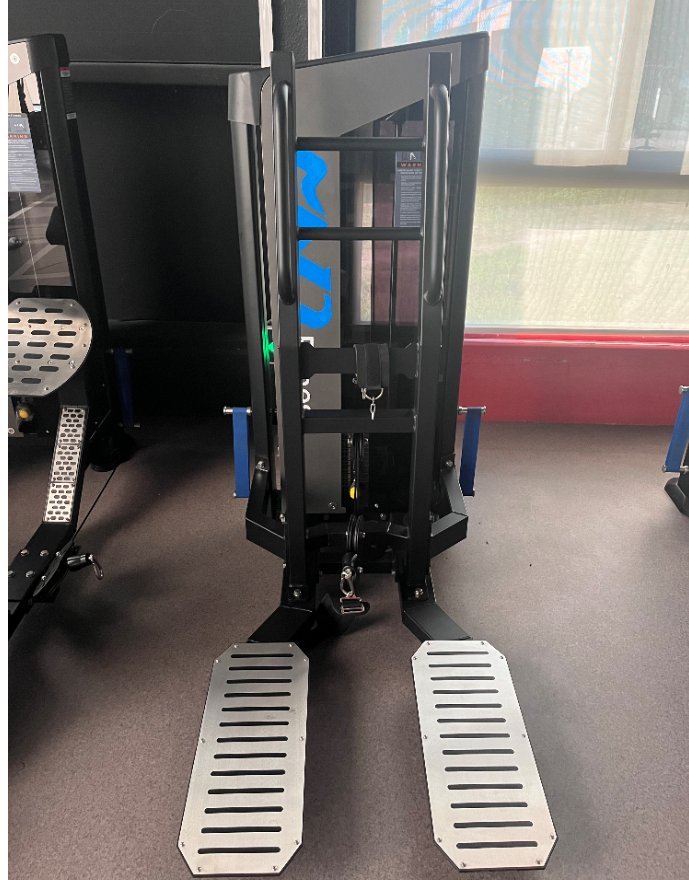
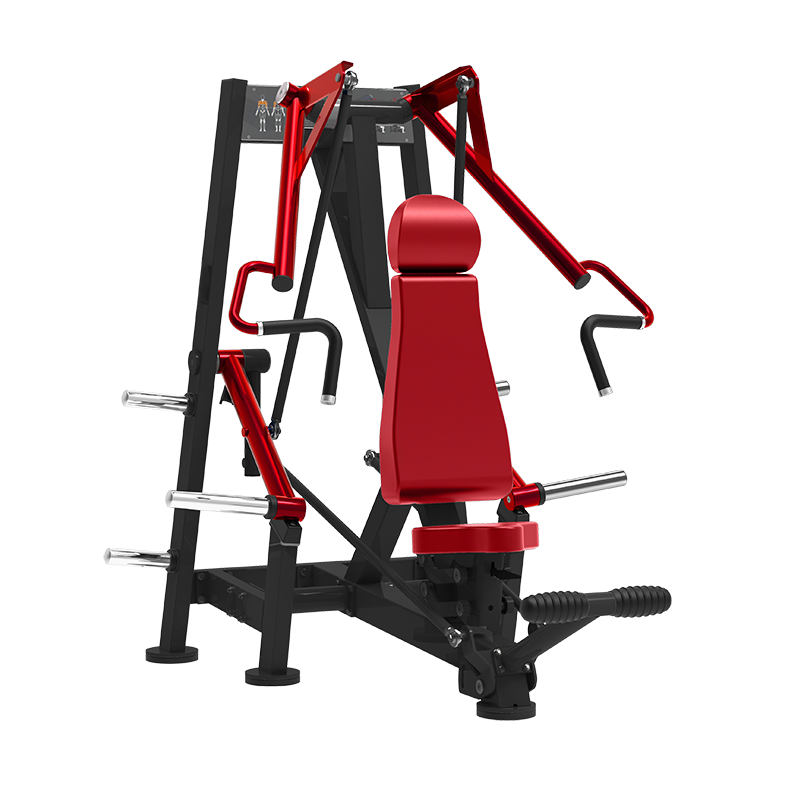
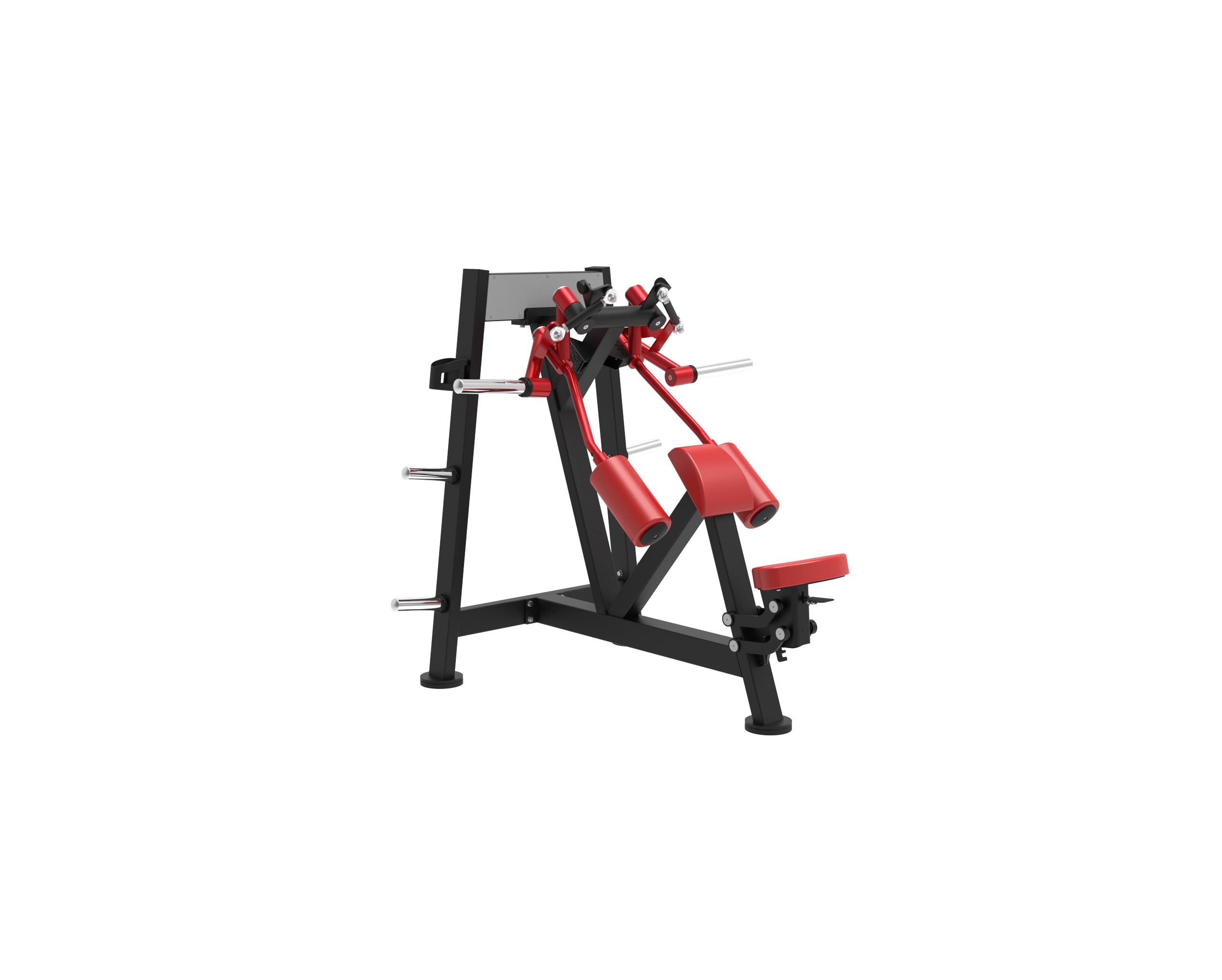
A broad catalog can be useful, but only if it is organized enough to support real purchasing decisions. In the case of MND FITNESS, the product range includes both strength and cardio categories. That makes it easier for a commercial buyer to source a unified floor plan from one supplier rather than stitching together machines from multiple factories.
Strength Series
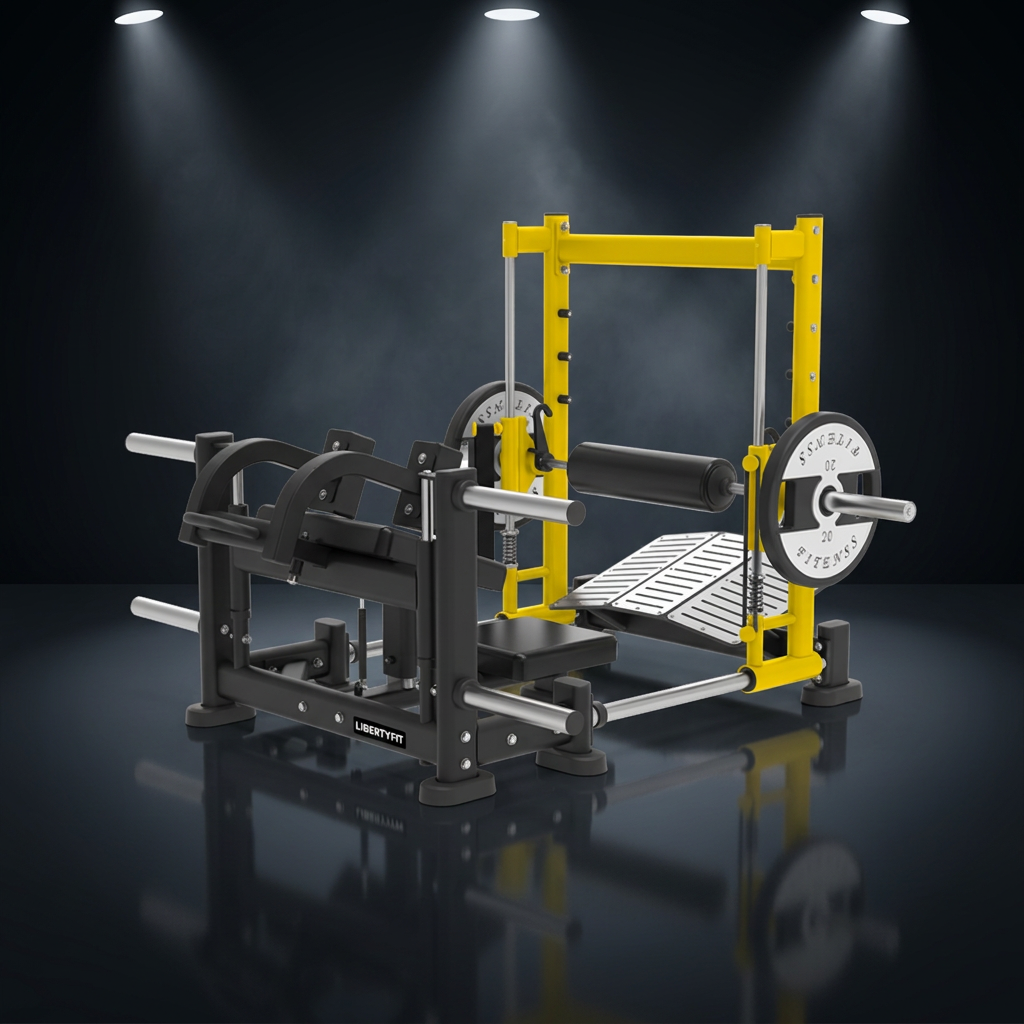
The company lists several strength series families: MND-AN, MND-FM, MND-FH, MND-FS, MND-FB, MND-E Crossfit, MND-F, MND-FF, MND-G, and MND-H. For a buyer, the important takeaway is not just the naming convention. It is the implication that the brand supports different training zones and usage patterns, from traditional strength layouts to CrossFit-style functional training areas.
That can be helpful for operators building mixed-use commercial gyms. A facility does not need every machine to come from the same design philosophy, but consistency in frame finish, ergonomics, and visual language tends to make the floor look more intentional. It also reduces the sense that the gym was assembled from leftovers.
Cardio Series
On the cardio side, the company lists MND-D exercise bikes, plus MND-X500, X600, and X700 treadmills. Buyers often focus on treadmills first because they are high-visibility items and can take significant wear. Exercise bikes matter too, especially in rehabilitation-oriented or high-volume cardio zones. A supplier that can cover both categories is easier to evaluate when planning a full facility rollout.
If you are building a mnd gym package for a distributor or a chain, this range may reduce the number of vendors you need to qualify. That said, broad product availability should still be verified line by line. A catalog entry is not the same thing as confirmed availability, and experienced buyers know to ask for current configurations, photos, and packing details before they get too far into a project.
How to Evaluate a Supplier Like This Without Getting Lost in Brochure Language
A mnd training or gym equipment purchase should be evaluated in practical terms. Start with the actual use case. Is this for a high-traffic commercial club, a hotel fitness room, a school, a corporate wellness space, or a home-use retail program? The answer changes everything.
For commercial buyers, the main questions are:
- Does the equipment line cover the key training zones you need?
- Can the supplier provide a consistent look across cardio and strength?
- Is the manufacturer experienced in export packaging and documentation?
- Do they have enough factory scale to handle repeat orders?
- Can they support replacement parts and product continuity over time?
For distributors, the checklist shifts slightly. You will also want to know whether the supplier can support branding, model segmentation, and market positioning. A catalogue with 300-plus equipment types can be an advantage, but it can also become messy if model families are not clearly differentiated.
Why Manufacturing Scale Is Only Part of the Story
A 120,000-square-meter facility sounds substantial, and in this industry scale can matter. Larger operations often have more room for fabrication, assembly, testing, storage, and display. The presence of a quality control lab is also worth noting, because buyers want assurance that products are checked before shipment rather than simply packed as soon as they roll off a line.
Still, scale alone does not settle the purchasing decision. A large plant can produce a wide range of goods, but buyers should still ask how consistently each series is built, what inspection steps are used, and which materials or finishes are standard. The provided information does not give exact test data or certifications, so it would be unwise to assume them. A cautious buyer should request those details directly.
One practical aside: in commercial fitness procurement, the weakest link is often not the main frame. It may be upholstery, cable routing, paint adhesion, bearings, or the clarity of assembly instructions. Those small issues are what customers notice first after installation.
Common Mistakes Buyers Make When Comparing Fitness Equipment Suppliers
The first mistake is overvaluing a polished catalog. Good photos and clean branding are useful, but they do not tell you how the machines hold up after six months of use. Ask for full product documentation, not just a front-page summary.
The second mistake is treating every gym environment the same. A mnd workout package for a boutique studio is not the same as a municipal fitness center or a multi-location chain. The usage profile should drive the product mix.
The third mistake is ignoring logistics until the end. Export experience is relevant here. A company that has shipped to more than 100 countries may have better familiarity with international handling, but a buyer should still confirm carton dimensions, loading plans, labeling, and spare-part strategy before issuing a purchase order.
The fourth mistake is assuming the entire catalog has the same service life. Even within a single manufacturer, a treadmill, a bike, and a selectorized strength machine face different wear patterns. If you are building a mnd fitness program for a club or dealership, separate the high-wear items from the lower-wear ones and budget accordingly.
Where MND FITNESS Appears to Fit Best
Based on the provided information, the company appears suited to buyers who need a broad commercial catalog with both strength and cardio coverage. That makes it relevant for:
- Commercial gyms planning a full floor package
- Distributors seeking a multi-category supplier
- Fitness projects that want a coordinated equipment look
- Buyers entering emerging markets where export experience matters
- Facilities that need a mix of strength, cardio, and functional training options
It may also appeal to buyers who want one source for a larger share of the order rather than dividing the purchase among several vendors. That can simplify communication, though it also increases the need for careful qualification.
Practical Buying Advice Before You Request a Quote
Before you approach a supplier like Shandong Minolta Fitness Equipment Co., Ltd., prepare a short internal spec sheet. Include the facility type, target user volume, preferred equipment zones, finish expectations, and any branding needs. If you are sourcing for a chain, note whether you need identical units across locations or a modular mix that can vary by site.
Ask for:
- Current product sheets for the exact models you are considering
- Photos of the machines from multiple angles
- Packaging and shipment details
- Information on replacement parts and service support
- Any available material, finish, or testing information
That last point matters. Buyers often hesitate to ask what seems obvious, but in practice the obvious questions are the ones that prevent expensive mistakes.
FAQ: Fast Answers for Sourcing Teams
Is MND FITNESS mainly a commercial supplier?
The information provided points to commercial gym equipment as a core focus, although the company also states that it offers products for home use.
Does the brand cover both cardio and strength?
Yes. The available product information lists both categories, including multiple strength series and cardio lines such as bikes and treadmills.
Is export experience important here?
Very much so. A company that has shipped to more than 100 countries may be better prepared for international procurement realities, but buyers should still verify the details that matter to their own market.
Should I judge the supplier only by catalog size?
No. Catalog size is useful, but it should be weighed against factory capability, quality control, documentation, and how well the product range fits your actual project.
A Sensible Next Step for Buyers
If you are evaluating mnd fitness for a gym build, dealership program, or commercial equipment rollout, the best next step is a model-by-model review rather than a general brand conversation. Start with the exact strength and cardio lines you need, ask for current specifications, and compare them against your user environment and after-sales expectations.
A supplier can look strong on paper and still be the wrong fit for a particular project. But when the product range, factory scale, and export background line up with your requirements, you can move from browsing to a real sourcing discussion with more confidence. That is the point where the conversation becomes useful.