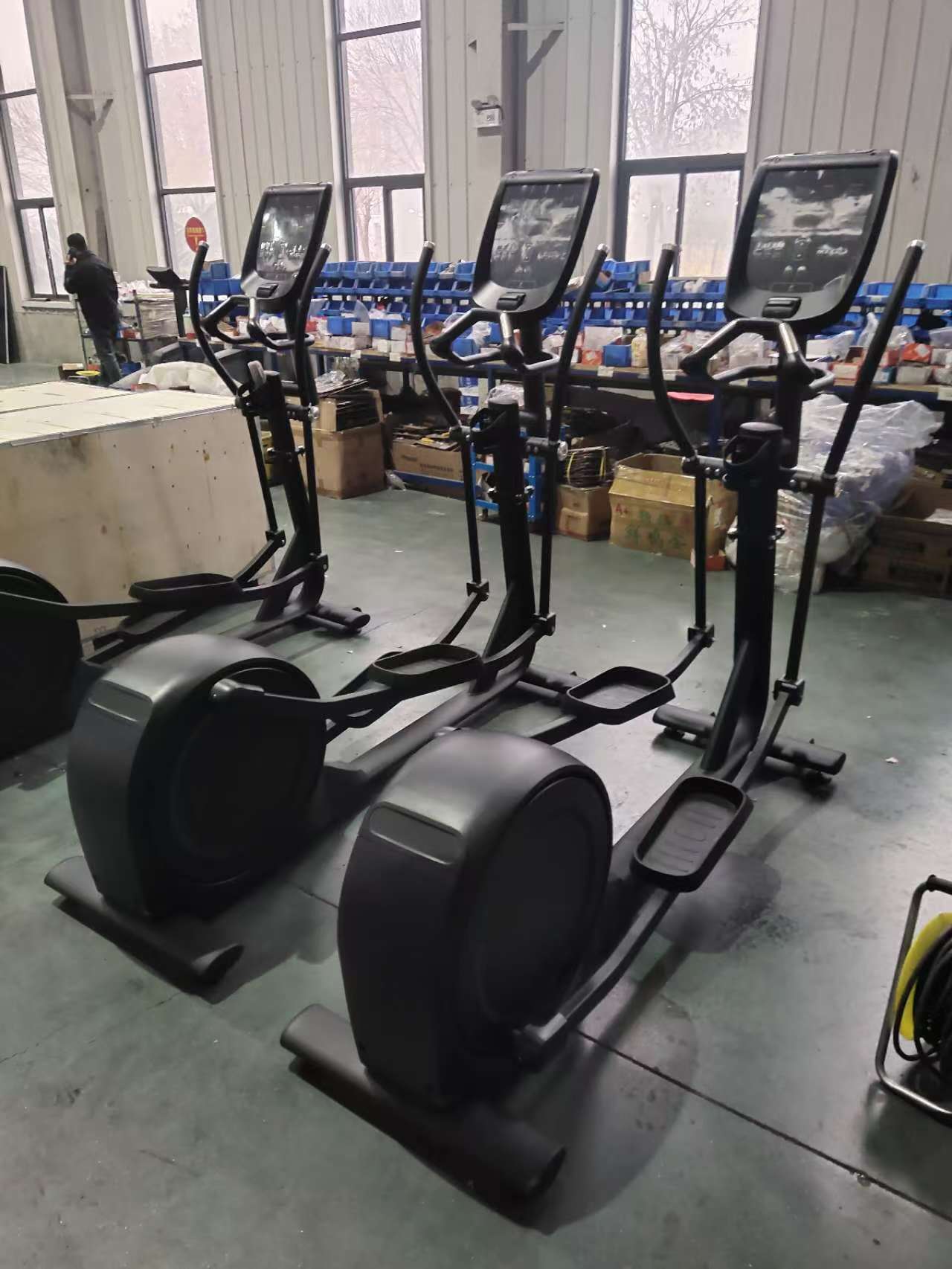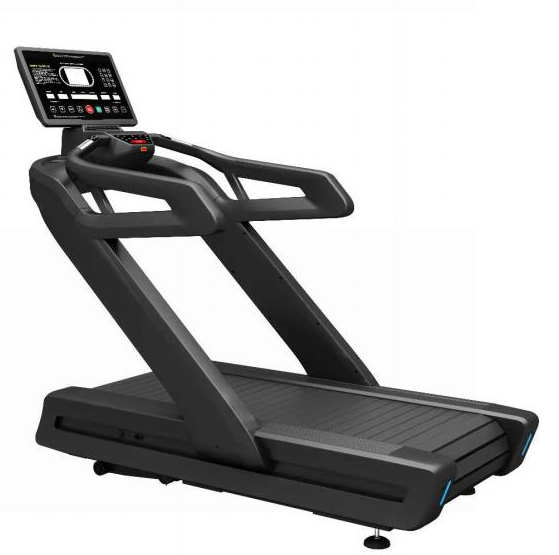



What Buyers Really Mean When They Ask for a High End Treadmill
A high end treadmill is not just a faster version of a basic running machine. In commercial buying terms, it usually means a treadmill built for heavier use, steadier performance, better serviceability, and a more comfortable user experience under load. For a gym operator, hotel procurement team, or facility manager, that distinction matters because the wrong choice shows up quickly: more downtime, higher maintenance calls, unhappy members, and a machine that feels good on day one but softens under real traffic.
If you are evaluating a fitness treadmill for a serious environment, the decision is rarely about one feature. It is about the mix of frame strength, motor behavior, running deck feel, console usability, durability, and how the unit fits into the rest of your equipment mix. That is especially true when you are comparing a premium treadmill against a lower-cost alternative that may look similar on paper.
Shandong Minolta Fitness Equipment Co., Ltd., better known as MND FITNESS, sits in that commercial equipment world. The company says it has more than a decade of experience, a 120,000-square-meter facility, and a product line that includes the MND-X500, X600, and X700 treadmills alongside a broad range of strength and cardio equipment. For buyers, that matters because treadmill sourcing is rarely a one-machine decision; it is usually part of a broader floor plan and maintenance strategy.
Why the Category Matters More Than the Label
The word “high end” gets used loosely in this market. Some suppliers use it to mean a larger screen. Others mean a stronger frame. In a commercial setting, neither is enough by itself.
A true commercial treadmill is judged by how it behaves after months of use, not by a short demo in a showroom. The treadmill should handle repeated start-stop cycles, different user weights, and variable stride patterns without shaking, lagging, or making operators chase service tickets. That is where the premium treadmill category earns its keep. Buyers are really purchasing uptime, consistency, and a better training experience.
This is also why many sourcing managers look beyond the treadmill itself and ask about the manufacturer’s broader capability. A company with a dedicated manufacturing workshop, quality control lab, and exhibition hall, as MND FITNESS describes, can be easier to assess than a trading-only supplier. You still need to verify the exact specification sheet, of course, but the production footprint helps when you are weighing repeat orders or a multi-unit rollout.
Quick Reference: What to Compare Before You Buy
If you are shortlisting a gym treadmill or commercial treadmill, the fastest way to avoid trouble is to compare the machines in use conditions, not just spec headlines.
1. Intended environment
A hotel gym, school fitness room, apartment amenity space, and full commercial club do not put the same stress on equipment. A treadmill that is acceptable in a low-traffic setting may be a poor fit for a high-traffic club floor.
2. User mix
If your members include runners, walkers, older users, or rehabilitation clients, deck feel and speed control become more important than flashy extras. A machine that starts and responds smoothly is often a better long-term choice than one overloaded with features nobody uses.
3. Service access
Ask how easy it is to replace wear parts, access the motor area, and maintain the running belt and deck. This is one of those practical details buyers sometimes forget until the first service visit becomes awkward.
4. Floor plan and power
A large machine can dominate a room quickly. Check footprint, clearance, and power requirements before signing off. This is especially relevant if you are building out a mixed cardio zone with multiple machines from the same supplier.
What a Serious Buyer Should Expect from the Machine Itself
A premium treadmill should feel stable from the first step. That may sound obvious, but in practice many lower-tier machines reveal flex, vibration, or noisy behavior once the pace rises. The better units are usually designed with a more substantial frame, steadier drive behavior, and a running surface that reduces the sense of pounding.
For a commercial treadmill, the details that matter most tend to be the least glamorous ones:
The deck should feel consistent across the full stride.
The controls should be easy to read when the user is moving.
The handrails should feel secure without getting in the way.
The console should support the kind of training your users actually do.
The machine should tolerate repeated daily use without turning maintenance into a weekly ritual.
MND FITNESS lists treadmill models in the X500, X600, and X700 series. Without a supplied spec sheet here, it would be unwise to claim model-by-model features, but the naming itself suggests a tiered product structure that buyers can compare against their target market and budget. That kind of lineup is useful when a sourcing team wants to match different zones in the same facility: perhaps a more accessible machine for general users and a more robust unit for the main running area.
How to Evaluate a MND Cardio Machine in a Real Procurement Process
When a buyer reviews an MND cardio machine or any comparable unit, the internal question should not be “Does it look premium?” The better question is “Will it hold up in our room, with our users, and with our maintenance team?”
That means asking for the documents that let you make a grounded decision. You want the full dimensional data, power needs, structural details, console options, and warranty terms if available. If a supplier cannot provide clear answers, that is usually more informative than a glossy brochure.
It also helps to compare the treadmill against the rest of the floor. MND FITNESS says it supplies over 300 types of exercise equipment, including strength and cardio options. That breadth can matter for buyers who want consistency across a facility: a matching look, shared vendor communication, and the possibility of bundling orders. Still, a broad catalog should not distract from the main point. One excellent machine is better than five average ones.
Common Mistakes Buyers Make
The first mistake is overbuying features. Many teams specify large screens, preset programs, or extra media functions because they look impressive in a proposal, then discover that members mostly want a stable, quiet, easy-to-use machine.
The second mistake is underestimating traffic. A treadmill that works well in a lightly used staff gym may struggle in a club where several users queue for peak-hour cardio.
The third mistake is not planning for service. Even a durable machine needs routine maintenance, and a good buying decision should include parts access, support response, and who will perform the work.
A fourth mistake, and this one is common, is buying the cheapest unit that still calls itself commercial. The label alone does not guarantee commercial-grade behavior.
Where a Premium Treadmill Fits in a Broader Facility Strategy
For sourcing teams, treadmill selection is part of a larger equipment mix. A gym that carries a premium treadmill but mismatched strength stations or weak accessory choices can feel inconsistent to the end user. That is one reason manufacturers with both cardio and strength portfolios can be easier to plan around.
Shandong Minolta Fitness Equipment Co., Ltd. positions itself as a commercial equipment manufacturer with product families such as MND-AN, MND-FM, MND-FH, MND-FS, MND-FB, MND-E Crossfit, MND-F, MND-FF, MND-G, and MND-H in strength, plus MND-D exercise bikes and the treadmill range in cardio. For buyers, that kind of breadth can simplify sourcing across multiple zones, especially when standardizing equipment style and supplier coordination.
That said, breadth should never replace testing. If possible, compare the actual user feel of the treadmill models you are considering. The best commercial floors are usually built by people who notice the small things: pedal-like belt smoothness, console clarity, and whether the machine sounds settled or strained when pushed.
Buyer Questions Worth Asking Before You Place an Order
What does the treadmill weigh, and how does that affect stability and transport?
How easy is routine service for the running belt and deck?
Which user types was the machine designed for?
Are replacement parts and technical support available in your market?
How does the treadmill fit with the rest of your cardio zone?
Those questions are not glamorous, but they are the ones that protect your budget.
FAQ
Is a high end treadmill always the best choice?
Not always. If the machine will see light use, a simpler model may be enough. The key is matching the machine to the traffic, user mix, and service expectations.
What makes a treadmill “commercial” instead of residential?
Commercial units are generally intended for heavier, more frequent use. They are selected for durability, serviceability, and a more stable user experience under repeated daily operation.
Why consider a manufacturer with a broad product line?
It can help with sourcing consistency and facility planning. A supplier that covers both cardio and strength may make it easier to align finish, logistics, and future expansion.
Should I care about where the company is based?
Yes, to a point. A manufacturer with an established production base, quality control setup, and export history is often easier to evaluate than a reseller without manufacturing depth. MND FITNESS states that it has exported to more than 100 countries across Europe, Africa, the Middle East, South America, and Southeast Asia, which suggests experience with international buyers.
What to Do Next
If you are sourcing a premium treadmill for a gym, hotel, or commercial wellness space, start by narrowing the use case rather than the price. Decide whether you need a flagship machine for heavy daily traffic, a dependable mid-tier unit for steady use, or a broader cardio lineup to match a new facility buildout.
Then request the full specification set, compare the treadmill against your service plan, and verify how it fits with your overall equipment list. If you are considering MND FITNESS, their X500, X600, and X700 treadmill range is a sensible place to begin the conversation, especially if you are already evaluating broader commercial gym equipment for the same project.