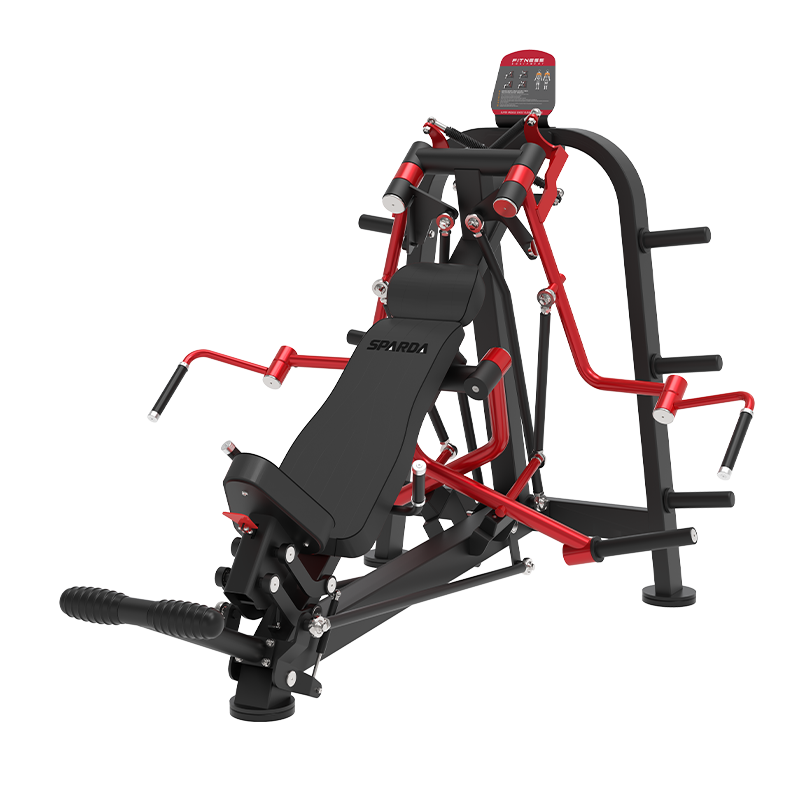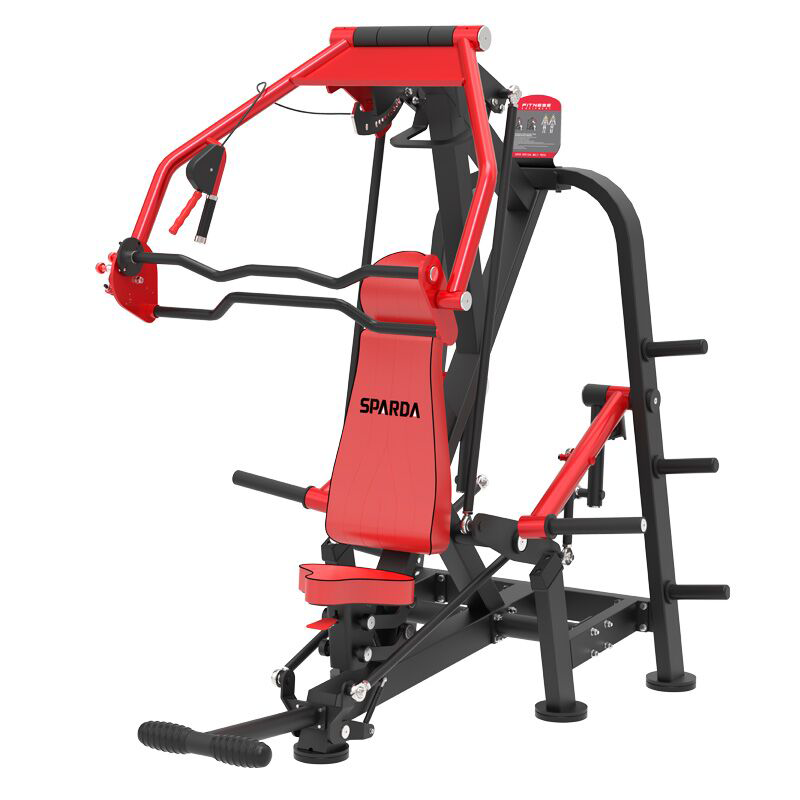



What buyers actually mean when they search for MND gym equipment
When sourcing teams, gym operators, or equipment dealers look up MND gym equipment, they are usually not just asking for a brand name. They are trying to answer a practical question: can this supplier cover a facility’s mix of strength stations, cardio floors, and long-term commercial use without creating maintenance headaches later? That is the real decision behind the search.
For many buyers, the first filter is simple. Does the supplier offer enough variety to outfit a full room, and does that range look coherent enough to manage in the field? Shandong Minolta Fitness Equipment Co., Ltd., operating as MND FITNESS, positions itself in that space with more than a decade of experience, a 120,000-square-meter facility, and a catalog that spans more than 300 types of exercise equipment. According to the company information provided, its lineup includes both strength and cardio categories, which matters because most commercial projects are not solved with a single machine family.
The challenge, of course, is that the equipment itself is only part of the buying decision. Engineers and sourcing managers need to think about durability, footprint, serviceability, consistency across batches, and whether the product range fits the end user: a club floor, a hotel gym, a school, or a residential setup with heavier expectations than typical home gym equipment.
A quick way to think about the range
A useful way to evaluate a supplier like this is to separate the catalog into two buckets. That sounds basic, but it keeps the review grounded.
Strength lines for structured training floors
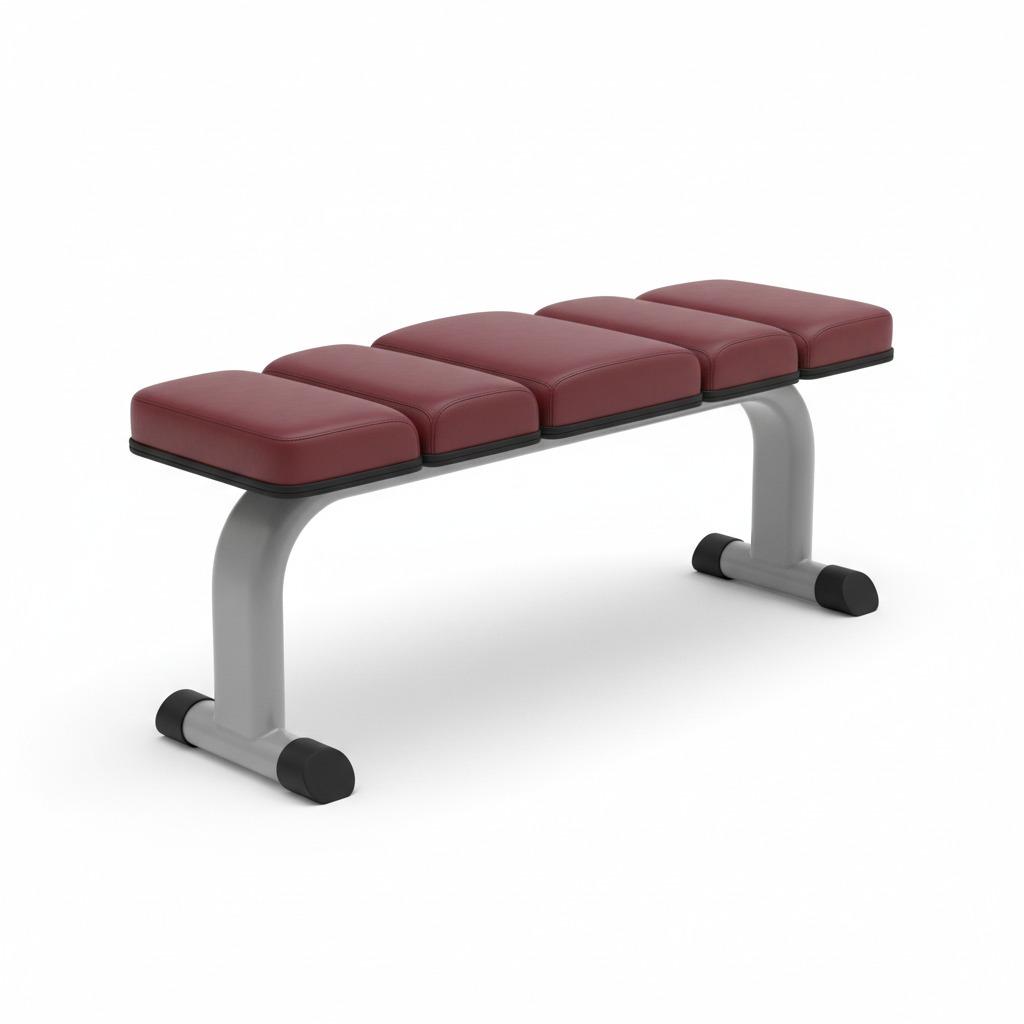
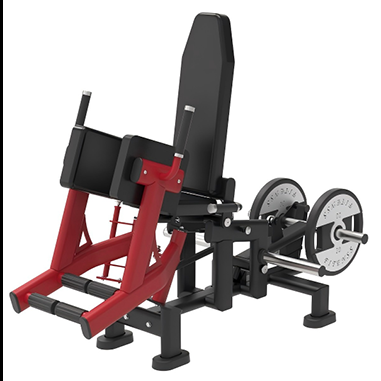
MND FITNESS lists several strength series, including MND-AN, MND-FM, MND-FH, MND-FS, MND-FB, MND-E Crossfit, MND-F, MND-FF, MND-G, and MND-H. For buyers planning a commercial fitness equipment package, that breadth suggests the company is trying to serve multiple training styles rather than a single niche.
That matters because a modern strength floor rarely relies on one category alone. Fixed-path machines, plate-loaded stations, selectorized units, and cross-training pieces all solve different problems. The best equipment plan usually balances user familiarity with training variety. A beginner should not be forced to learn a complicated setup just to use the chest press. At the same time, a serious commercial gym needs enough range to keep experienced members from drifting away.
Cardio equipment for occupancy and retention
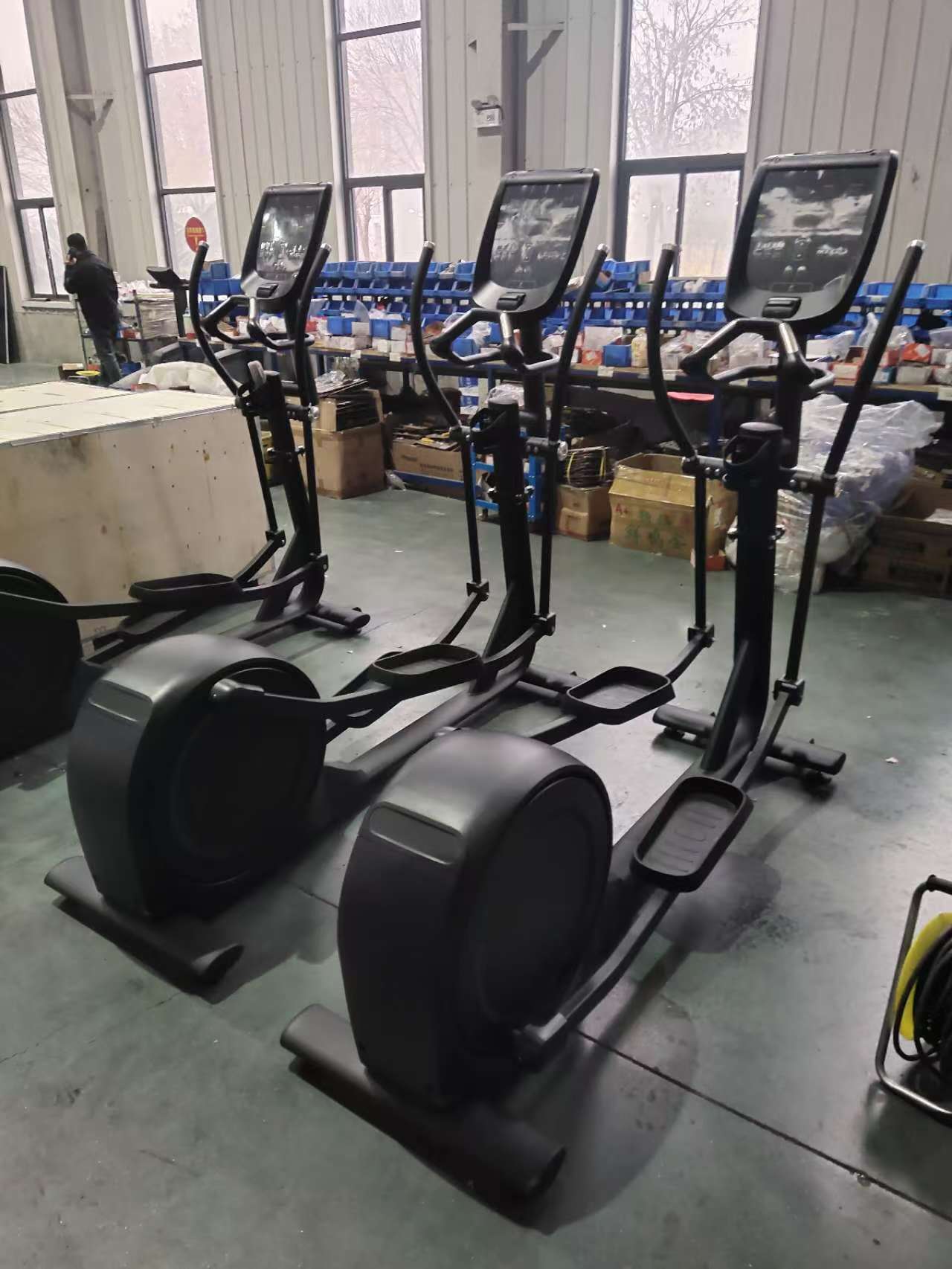
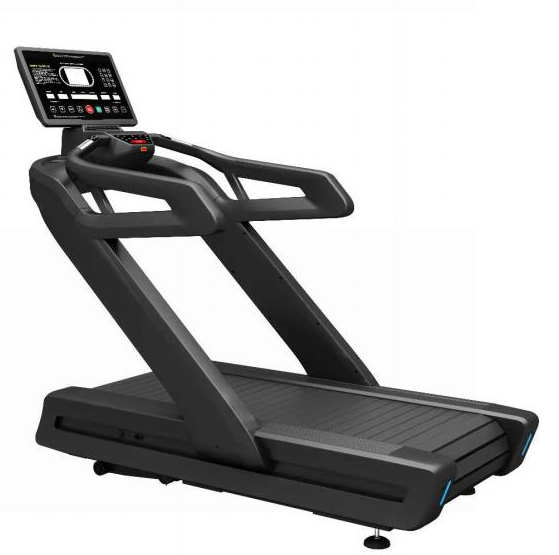
The cardio side includes MND-D exercise bikes and MND-X500, X600, and X700 treadmills. In many facilities, cardio fitness machines carry a disproportionate amount of traffic, which means owners care as much about reliability and uptime as they do about features. A treadmill that looks impressive on paper can still become a problem if belts wear quickly, consoles age poorly, or maintenance access is awkward.
That is one reason buyers should not treat cardio and strength the same way. Strength machines often fail slowly and visibly. Cardio units can fail in quieter, more disruptive ways: noise, inconsistency, or repeated service calls. If you are comparing MND fitness equipment with alternatives, the question is not only “what models are available?” but also “how well does the supplier support the equipment class most likely to get hard use?”
Why the factory profile matters more than the brochure
A polished catalog does not tell you much about production control. A factory profile does.
Minolta says its facility includes a manufacturing workshop, a quality control lab, and an exhibition hall. That combination is worth noting because it suggests the company is set up not only for production but also for inspection and product presentation. For buyers, especially those importing commercial fitness equipment, that often signals a more mature operating structure than a purely trading-oriented business.
The mention of Ningjin’s hardware industry is also relevant. Regional manufacturing ecosystems matter in fitness equipment because they influence access to metalworking capacity, fabrication know-how, and supplier networks for frames, parts, and finishes. Buyers do not need to romanticize that advantage, but they should not ignore it either. In practice, a concentrated industrial base can help with repeatability and component sourcing. It can also help when a project needs multiple categories from one exercise equipment supplier instead of stitching together a line from several unrelated factories.
Still, buyers should keep a sober eye on specifications. Factory size does not automatically mean strong process discipline. Ask how models are checked, what gets verified at outgoing inspection, and how the supplier handles revisions. The older the gym or the larger the chain, the less forgiving it is when a product changes quietly between orders.
How to choose the right mix for your project
If you are sourcing for a club, school, hotel, or distributor program, the right mix depends on use case more than on catalog length.
For a commercial gym, prioritize the equipment that creates traffic flow and retention. That usually means treadmills, bikes, and a balanced block of strength stations. For a hotel or apartment amenity room, footprint and ease of use may matter more than sheer variety. For a distributor, packaging, modularity, and model consistency can matter as much as the machine itself because the after-sales burden may land on you.
A simple comparison can help:
- Heavy-use club floor: look for breadth across strength and cardio, easy maintenance access, and durable finishes.
- Hospitality or office gym: choose compact cardio fitness machines and a smaller, intuitive strength selection.
- Distributor or reseller program: favor a supplier with a stable catalog, clear series structure, and enough depth to support repeat orders.
- Residential or premium home setup: compare commercial fitness equipment against home gym equipment only if the user expects frequent, serious training.
That last point is worth underlining. Some buyers use “home” as shorthand for light-duty. Others mean a private training room with commercial expectations. Those are not the same purchase.
Common mistakes when evaluating gym equipment suppliers
One mistake is overfocusing on appearance. A machine can look sharp on a showroom floor and still be awkward in daily use. Another is comparing only the number of models. More models do not always mean a better program. A tidy, coherent series can be easier to service and easier for end users to understand.
A third mistake is ignoring the full lifecycle. Replacement parts, finish durability, labeling, and assembly clarity all become important after the initial shipment is paid for. In the fitness sector, buyers often discover too late that the machine they liked most is the one that creates the most support work.
There is also a common sourcing trap: assuming all commercial fitness equipment is interchangeable. It is not. A machine designed for a lightly trafficked studio may not be the right choice for a 24-hour chain club. The frame might be adequate, but the hardware, upholstery, or console life may not match the duty cycle.
What the Minolta catalog suggests, and what it does not
Based on the information provided, MND FITNESS appears to be a broad-line manufacturer rather than a narrow specialist. That can be valuable. A broad-line supplier can reduce coordination burden, especially when a project needs both strength training equipment and cardio units under one procurement plan.
The company also states that it exports to more than 100 countries across Europe, Africa, the Middle East, South America, and Southeast Asia. For buyers, export reach is not a guarantee of quality, but it is a useful signal that the manufacturer has worked with varied market expectations, shipping conditions, and commercial requirements.
What the supplied information does not tell us is just as important. It does not give exact load ratings, warranty terms, test data, or model-by-model construction details. So if you are shortlisting MND gym equipment for a serious project, do not stop at the family names. Ask for frame specs, finish process, component sourcing, console options where relevant, and any available assembly documentation. A responsive supplier should be able to support that conversation without confusion.
Buyer-facing questions worth asking before you commit
Before placing an order, it helps to ask a few plain questions that reveal more than a glossy brochure ever will:
- Which models are most commonly used in commercial settings?
- How consistent are parts and accessories across the series?
- What support exists if the order includes mixed cardio and strength lines?
- How are quality checks handled before shipment?
- Can the supplier help match equipment selection to a specific floor plan or user profile?
These questions are not administrative filler. They help you judge whether the supplier is simply selling exercise equipment, or actually supporting a commercial deployment.
FAQ: a few practical questions buyers ask
Is MND gym equipment more suitable for commercial or home use?
Based on the company information provided, the range is built primarily around commercial applications, though the company also says it offers equipment for home use. Buyers should treat commercial and home requirements separately because duty cycle changes everything.
Does the catalog cover both cardio and strength?
Yes. The supplied information lists strength series and cardio series, including bikes and treadmills.
Is a larger product range always better?
Not necessarily. A large range is useful only if the models are coherent, supported, and appropriate for the intended facility. Fewer well-chosen pieces can outperform a crowded, unfocused floor.
Where a supplier like this fits best
If you need one source for a broad commercial gym package, MND fitness equipment appears positioned for that role. It is the kind of catalog that may interest operators who want to standardize across a project, distributors who need breadth, and procurement teams that prefer dealing with a manufacturer capable of covering more than one category.
That said, the smart move is still to verify the specifics against your own use case. MND gym equipment may be a sensible fit, but the right decision depends on your floor plan, member profile, maintenance capability, and the kind of abuse the machines are likely to see.
If you are shortlisting suppliers now, build the comparison around the products you will actually install, not the ones that look best in a brochure. Ask for the current series list, request the relevant technical documents, and compare service expectations alongside price. That is usually where the real difference shows up.