


Choosing a Cardio Machine That Fits the Space, the Users, and the Budget
A cardio machine looks straightforward until you have to buy one for a gym floor, a hotel, a community center, or a serious home setup. Then the details matter: footprint, durability, console behavior, user comfort, service access, and whether the machine will still feel solid after thousands of sessions. For sourcing managers and fitness operators, the challenge is not finding a machine that can move. It is finding cardio equipment that matches the actual use case without paying for features nobody needs.
That is where the decision gets practical. A cardio workout machine for a commercial environment has to handle constant turnover, varied body types, and uneven user habits. A home cardio machine may need to be quieter, easier to fold or store, and simpler to maintain. If you are comparing options for a gym expansion or replacing older units, the questions are less about marketing language and more about how the machine performs after installation, during peak hours, and over time.
What Buyers Usually Need to Decide First
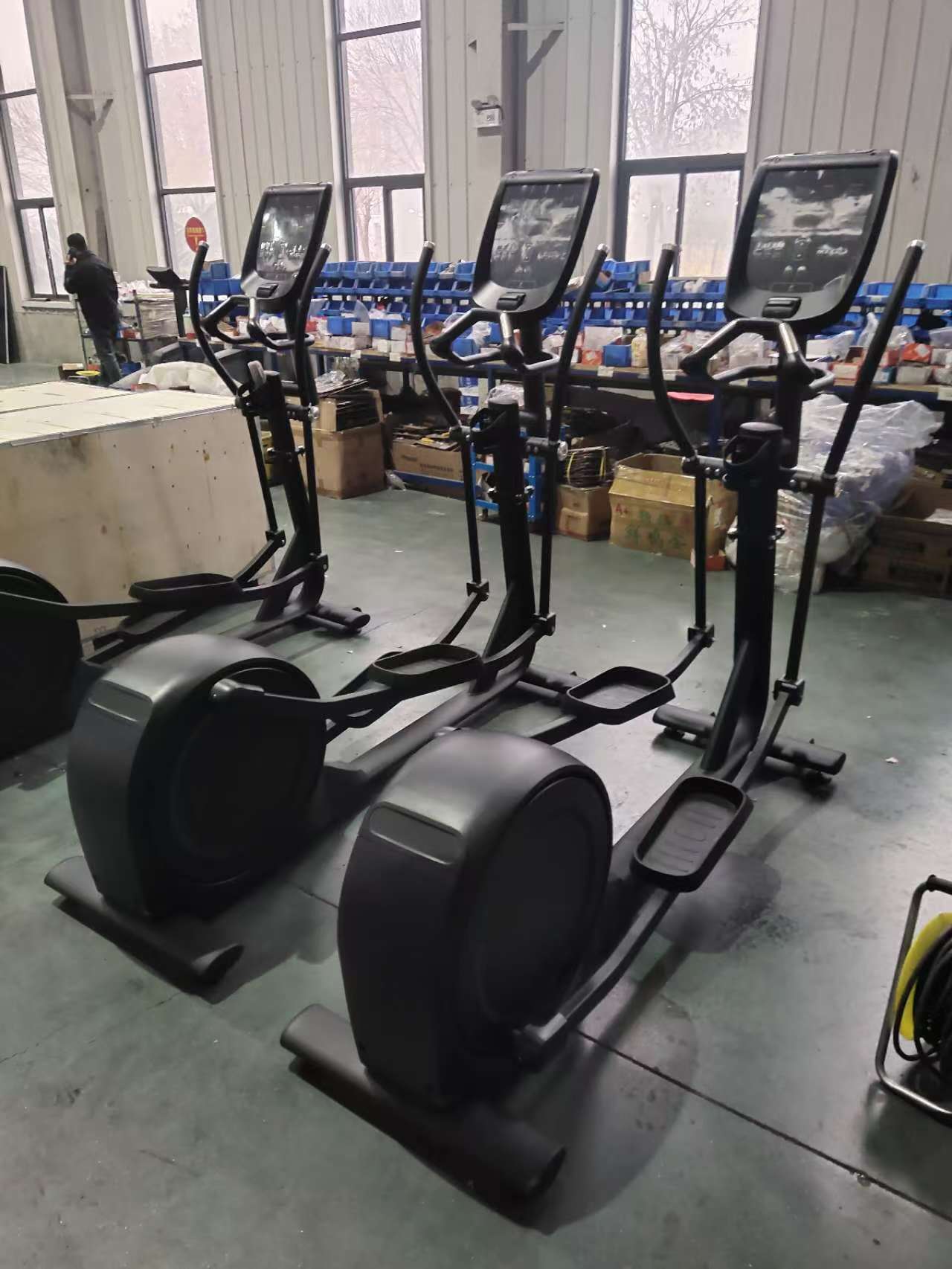
Before comparing models, it helps to narrow the category. “Cardio machine” can mean treadmills, exercise bikes, ellipticals, rowers, and other conditioning equipment. Each serves a slightly different training purpose, and each has different maintenance demands. If a facility mainly needs general fitness access, a mix of machines usually works better than buying multiple units of the same type. If the goal is endurance training or rehab-friendly low-impact movement, the right choice shifts again.
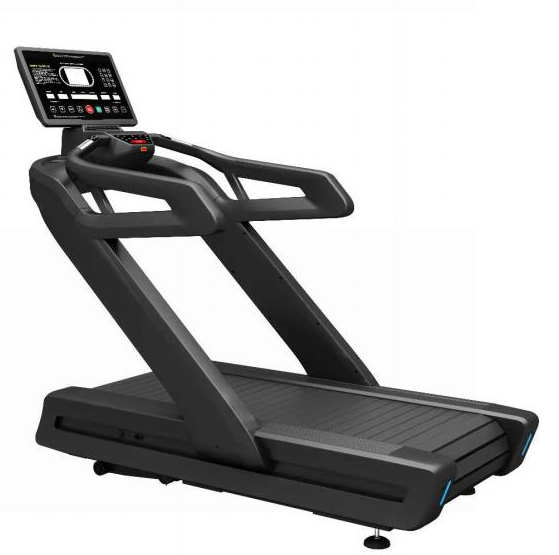
Shandong Minolta Fitness Equipment Co., Ltd. offers a broad range of commercial gym equipment and says it has more than a decade of experience in the sector. Its portfolio includes strength series equipment and cardio series products such as MND-D exercise bikes and MND-X500, X600, and X700 treadmills. The company also notes a 120,000-square-meter facility with a manufacturing workshop, quality control lab, and exhibition hall. Those details matter because they suggest a supplier built for production scale, not just small-batch trading.
Quick Comparison: Matching the Machine to the Setting
Commercial gym floors
In a gym environment, the machine needs to survive constant use and occasional rough handling. Treadmills and upright bikes are usually the workhorses. They are familiar to most users, easy for staff to explain, and suitable for a wide training range. A commercial treadmill often becomes the most visible machine in the room, so console clarity and frame stability matter as much as raw motor or resistance claims.
Hotel and hospitality fitness rooms
Here, compact design and ease of use often matter more than advanced training features. Guests want a machine that starts quickly, responds predictably, and does not require a learning curve. Noise level is also a real consideration. A noisy cardio machine can frustrate not just the guest using it but anyone staying in the adjacent room.
Home training areas
A home cardio machine usually has to balance performance with storage, footprint, and household noise. Families tend to care about simpler interfaces and lower maintenance, while dedicated users may want more robust run surfaces, better resistance systems, or multi-program consoles. The trade-off is simple: the more commercial the machine, the more durable it often is, but the less forgiving it may be on space and budget.
What Makes a Cardio Machine Worth Buying
The obvious specs get attention first, but buyers who work in equipment sourcing know the long-term cost is often hidden in the less glamorous details.
Frame and structural stability
A stable frame reduces wobble, improves user confidence, and tends to hold up better under repeated use. In practical terms, it also lowers the chance that staff will be constantly tightening parts or fielding complaints. For commercial settings, that is worth more than a flashy console feature.
Console usability
The display should be readable at a glance. If users have to hunt through menus just to start a session, the machine will frustrate beginners and slow down busy gym traffic. A good console also helps with floor management, since people spend less time asking staff how to use the equipment.
Maintenance access
Maintenance is where many purchasing decisions become more expensive than expected. Access panels, belt inspection points, and simple component replacement paths can save substantial downtime. This is especially relevant for treadmill-heavy facilities, where routine care directly affects uptime.
Noise and ride feel
Noise is not only an amenity issue. In compact spaces, it affects the customer experience and can influence how often a machine gets used. Ride feel matters too. A machine can look premium and still feel awkward if the motion is harsh, unstable, or inconsistent.
Treadmills, Bikes, and the Rest: Type Matters
Not every facility needs the same cardio lineup. Minolta’s cardio series includes exercise bikes and treadmills, which are still the most common anchor products for many gyms. That is not surprising. Treadmills appeal to a wide audience because walking and running are intuitive. Exercise bikes are often easier to place in smaller rooms and can be a better choice when low-impact training is a priority.
For a gym cardio machine purchase, treadmills usually demand the most attention because they take the highest perceived load and often see the broadest range of users. Bikes are generally simpler from a user standpoint, though they still need sturdy adjustment systems and consistent resistance feel. If you are building a balanced cardio zone, it is often smarter to mix machine types instead of doubling down on one category just because it is familiar.
Commercial vs. Home Use: The Real Difference
This is where buyers sometimes overbuy or underbuy. A commercial machine is built with heavier use in mind, which can mean stronger components, more durable coverings, and better long-term reliability. A home model may be perfectly suitable if the use is moderate and the space is limited. But once a machine is expected to serve multiple users per day, the economics change quickly.
One practical caution: do not judge a machine only by its max advertised features. A unit that looks ideal for a personal fitness room may feel underbuilt in a busy studio. The reverse is also true. A full commercial build can be unnecessarily large, loud, or costly for a private home where it will be used a few times a week. Matching duty cycle to the real environment is more important than chasing the highest spec line.
Where Suppliers Add Value Beyond the Product Sheet
When evaluating a supplier such as Shandong Minolta Fitness Equipment Co., Ltd., the product list is only part of the picture. The company says it offers more than 300 types of exercise equipment for commercial and home use and has exported to more than 100 countries across Europe, Africa, the Middle East, South America, and Southeast Asia. For buyers, that kind of reach can suggest familiarity with different market expectations, freight patterns, and installation realities.
It also helps when a manufacturer has a quality control lab and a large production facility, because that usually means more structured inspection and more consistent output. Still, buyers should confirm the exact model details, accessory options, and after-sales support for their order. A large factory does not automatically remove the need for proper due diligence. It just gives you a better starting point.
Common Buying Mistakes That Cost More Later
One of the most common mistakes is overfocusing on the newest console features while ignoring the frame, drivetrain, and serviceability. Another is buying too few units of the wrong type. For example, a facility may install several treadmills because they are popular, then discover that peak-hour users actually prefer bikes or low-impact machines because they are easier to start and less intimidating.
Another problem is poor placement. Even a good cardio machine becomes less useful when it blocks traffic, sits too close to a wall, or is hard to access for cleaning. That may sound obvious, but it is a recurring issue in fitouts. Space planning should happen before purchase, not after delivery.
Questions to Ask Before You Order
Buyers do not need a technical interrogation, but they do need a short checklist. What kind of users will actually train on the machine? How many hours per day will it run? Is the space commercial, semi-commercial, or home-use only? What maintenance can your team realistically handle in-house? How much floor area, clearance, and power access does the setup require?
It also helps to ask how the machine fits into the rest of your floor plan. A cardio machine that seems perfect in isolation may become awkward beside strength stations or functional training areas. In commercial settings, the machine should support traffic flow, not fight it.
FAQ: Cardio Machine Buying Basics
What is the best cardio machine for general fitness?
For broad appeal, treadmills and exercise bikes usually cover the most users. Treadmills attract walkers and runners, while bikes are often easier for beginners or users who want lower-impact training.
Should I buy commercial-grade equipment for home use?
Sometimes yes, especially if the machine will get frequent use or multiple family members will share it. But if the room is small and the usage is light, a lighter-duty option may be more practical.
How important is manufacturer scale?
It is useful, but not decisive. A larger manufacturer may offer broader product variety and more consistent production, but buyers should still verify model specs, support options, and how the equipment fits their actual space.
A Practical Next Step for Buyers
If you are sourcing a cardio machine for a gym, hotel, distributor catalog, or home-fitness project, start with the use case rather than the catalog. Define who will use the machine, how often it will run, and how much room you can spare. Then compare the available cardio equipment on durability, service access, console simplicity, and overall fit. That process will usually point you toward the right machine faster than comparing spec sheets line by line.
For buyers who want a supplier with a broad commercial fitness range, Minolta’s treadmill and exercise bike offerings are a reasonable place to begin evaluating options. Ask for model-specific details, confirm configuration choices, and make sure the final recommendation reflects the actual training environment. That is where the purchase becomes useful instead of merely impressive.