


Why the knee leg curl still matters in commercial strength programming
The knee leg curl is one of those machines that can look simple on the floor plan and still cause headaches in purchasing meetings. Operators want durable equipment that members will actually use. Trainers want a hamstring movement that fits real bodies, not just the textbook version. Buyers want to know whether a leg curl machine belongs on the order at all, and if so, which style makes sense for their facility.
That is the practical question behind this article. The hamstrings are not a vanity muscle group, and they are not there only for athletes chasing sprint speed. They contribute to knee flexion, hip stability, and balanced lower-body training. If a gym’s lower-body zone is built around presses, squats, and extensions, the back side of the leg often gets less attention than it should. A knee flexion station closes that gap without asking members to learn a complicated setup.
For sourcing teams, the decision is usually not “Do we need hamstring work?” but “Which machine style fits our users, floor space, and service expectations?” That is where the details start to matter.
Quick takeaways for buyers and facility managers
A knee leg curl is a targeted hamstring exercise station, but the useful comparison is not just brand to brand. It is machine type to machine type.
If your facility serves a broad membership base, a seated leg curl may be easier for some users to enter and adjust. A lying leg curl can feel more traditional and is still common in commercial environments. Both can do the job, but they do not feel identical, and members will notice that difference quickly.
For commercial gyms, the best choice usually comes down to three things: user comfort, adjustment clarity, and durability in daily traffic. A machine that looks good in a catalog but is awkward to set up will create weak utilization, no matter how solid the frame is.
What the exercise is actually doing
The knee leg curl isolates knee flexion, which means it trains the hamstrings by bending the knee against resistance. That sounds almost too plain, but it is useful because it keeps the movement focused. Unlike more compound lower-body lifts, this station lets users load the hamstrings directly and with relatively easy supervision.
This matters in commercial settings for a few reasons. First, the movement pattern is easy to coach. Second, it gives trainers a clean way to balance quad-dominant programs. Third, members often understand it quickly, which helps adoption. A machine that is straightforward to use generally earns more floor time than a machine that needs a long explanation.
There is also a programming issue. Many gym users undertrain the back side of the leg, especially if their routine revolves around running, cycling, or machine-based leg press work. A dedicated hamstring exercise can help round out lower-body training without demanding a lot of additional coaching time.
Lying leg curl vs. seated leg curl
This is the comparison most buyers end up making, and it is worth slowing down on.
Lying leg curl
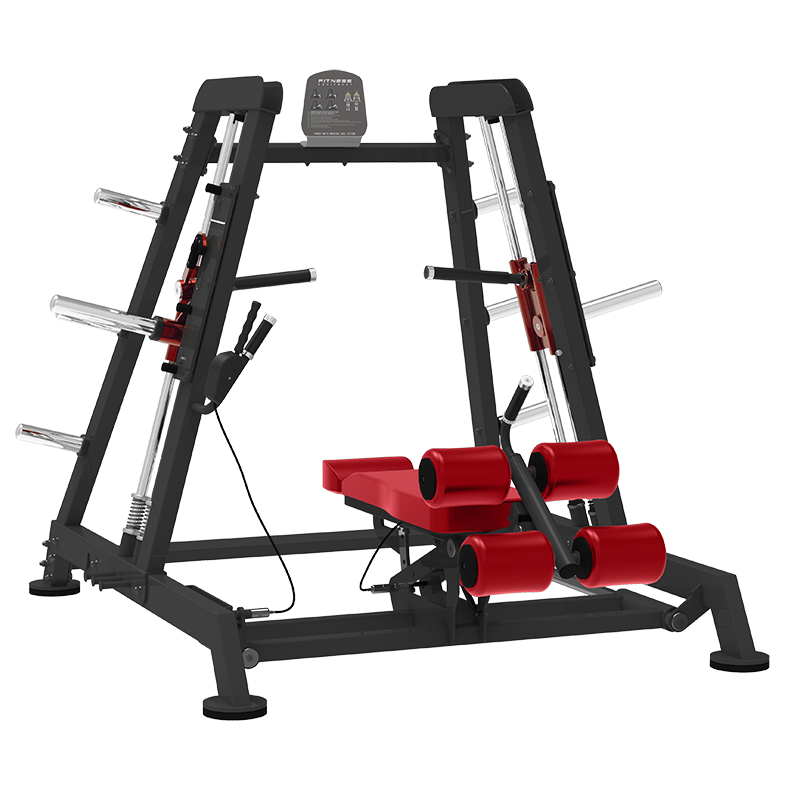
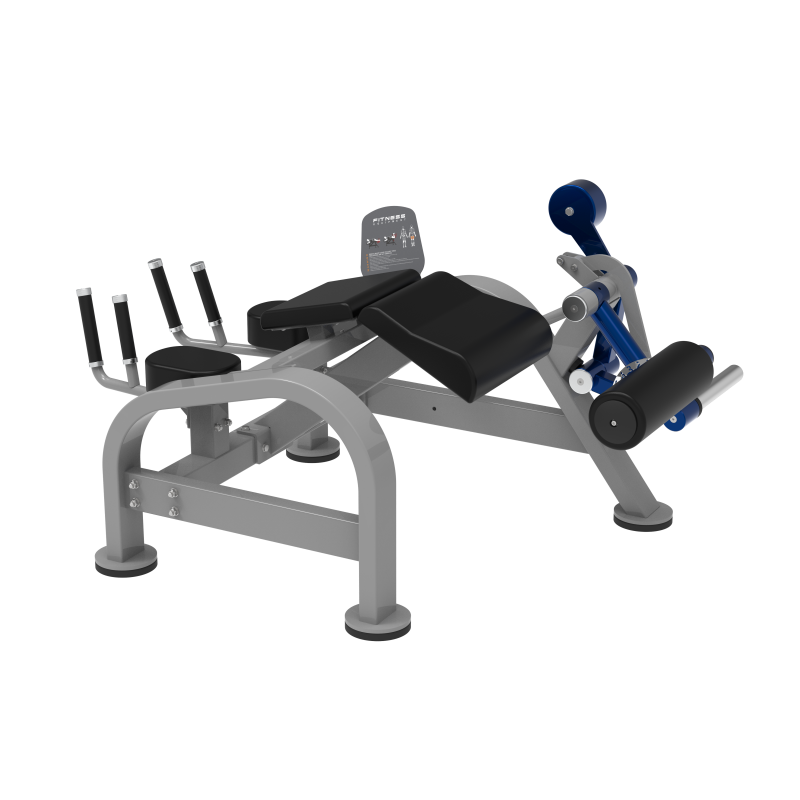
A lying leg curl places the user face down, with the lower legs working against the roller as the knees flex. In many gyms, it is the more familiar version. Some users like the feel because the setup is direct and the exercise is easy to recognize.
The tradeoff is that prone positioning is not ideal for every body type. Some members feel pressure through the hips or lower back, and older users may find the entry and exit less convenient. In a busy commercial gym, that matters more than people sometimes admit.
Seated leg curl
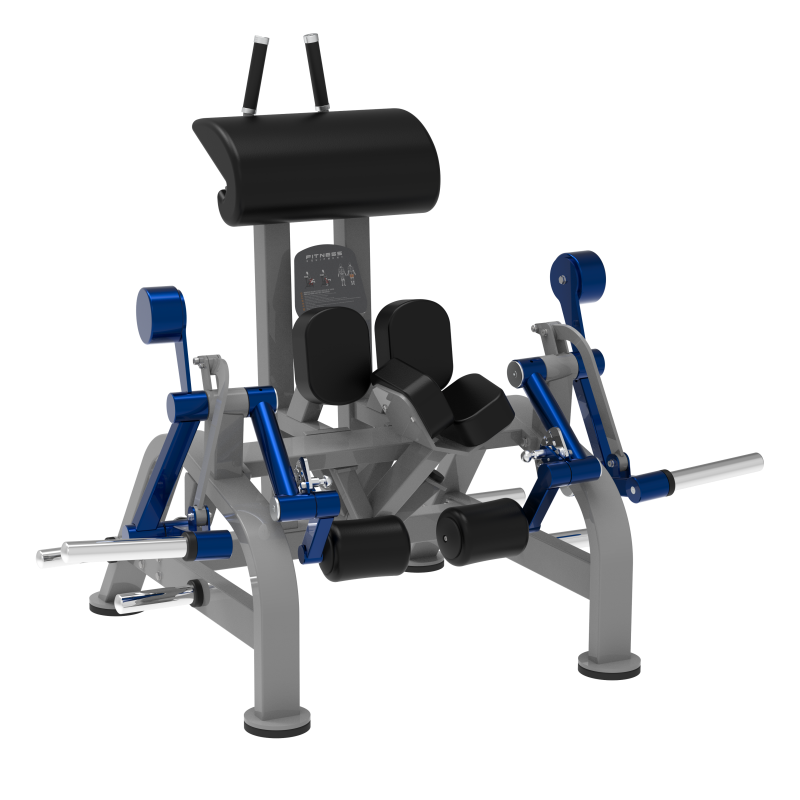
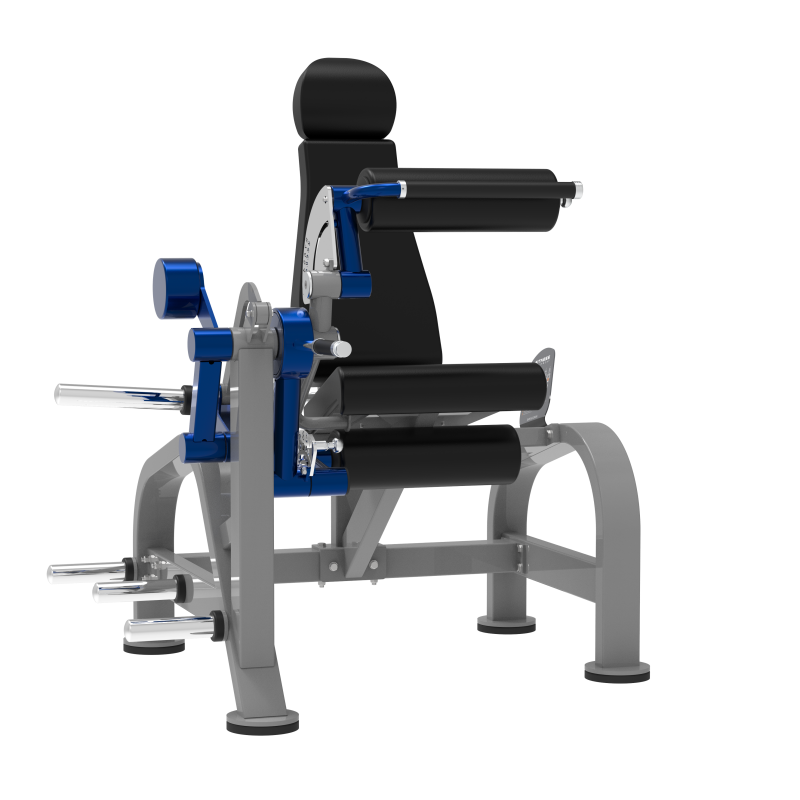
A seated leg curl changes the body position and often feels more stable for the torso. Many users prefer the seated setup because they feel anchored and can focus on the working muscles without thinking about balance.
From a buyer’s point of view, the seated version can be appealing in facilities that serve general fitness members, rehabilitation-oriented users, or a wider age range. That said, adjustment range and seat ergonomics need to be sensible. A seated design that is hard to line up is not a real advantage.
What to look for in a commercial leg curl machine
A good leg curl machine is not defined by one feature alone. In practice, several details have to work together.
The first is adjustability. Users should be able to set the roller and seat position without guessing. If the adjustment logic is confusing, the machine slows down the training floor. That is a common operational problem, and it is easy to overlook during a showroom visit.
The second is stability. A lower-body machine takes repeated force, and wobble creates a cheap feeling even when the frame itself is acceptable. In commercial use, that sensation spreads quickly through user feedback.
The third is maintenance accessibility. Upholstery, moving parts, and contact points should be serviceable without turning every minor repair into a shutdown. Operators tend to learn this lesson after the first busy quarter, not before.
The fourth is footprint. A leg curl station is rarely the largest item on the floor, but it can still interfere with traffic if the layout is tight. In a compact strength zone, the difference between a smooth circulation path and a congested corner can decide whether the machine is well used or ignored.
How Minolta fits into the commercial equipment conversation
Shandong Minolta Fitness Equipment Co., Ltd. works from Ningjin’s hardware manufacturing base and positions itself as a commercial gym equipment manufacturer with a broad catalog. According to the company information provided, MND FITNESS has more than a decade of experience in the fitness equipment sector, operates a 120,000-square-meter facility, and includes a manufacturing workshop, quality control lab, and exhibition hall.
The range is relevant because buyers rarely source a single machine in isolation. They often want matching strength equipment across the floor, plus compatible cardio units. Minolta’s listed Strength Series includes multiple product families such as MND-AN, MND-FM, MND-FH, MND-FS, MND-FB, MND-E Crossfit, MND-F, MND-FF, MND-G, and MND-H, while the Cardio Series includes MND-D exercise bikes and MND-X500, X600, and X700 treadmills.
That sort of breadth can matter when a buyer wants visual consistency and simpler procurement. It does not replace due diligence, of course, but it can reduce the number of suppliers needed for a full gym package.
Common buyer mistakes with lower-body isolation equipment
One common mistake is selecting a machine purely by appearance. A polished frame and matching upholstery colors are fine, but they do not tell you whether the motion feels natural to average users.
Another is underestimating the importance of user education. Even on a simple hamstring station, incorrect setup can reduce the training effect and make the machine seem awkward. Clear placards or onboarding from staff can fix a lot.
A third mistake is over-specifying for a narrow user profile. If the floor serves mostly serious lifters, a more performance-oriented machine may be justified. If the user base is mixed, the better choice is often the one that accommodates more bodies comfortably, even if it feels a little less specialized.
And one practical warning: if the machine is too aggressive in pad pressure or too limiting in adjustment, users may avoid it entirely. That is an expensive outcome for a piece of equipment that is supposed to improve training balance.
How to decide which version belongs in your facility
The decision usually becomes clearer when you ask who the primary user is.
For a premium club with experienced members, both seated and lying options can earn a place, especially if the lower-body area is broad enough to support duplication. For a hotel gym or compact training space, one well-chosen station is better than two mediocre ones. In that situation, the safer choice is usually the model that is easier to adjust and easier for the average user to understand.
If your program leans toward general fitness, the seated version often gets the edge because of its sense of stability. If your members are used to traditional bodybuilding equipment, the lying version may feel more familiar and may blend better with a classic strength zone.
The key is not to chase novelty. A knee flexion station succeeds when it feels intuitive, sturdy, and available often enough that members keep returning to it.
FAQ: common questions buyers ask
Is a knee leg curl necessary if we already have a leg press?
Usually yes, if you want balanced lower-body training. A leg press does not replace direct hamstring work.
Which is better for general members: lying or seated?
It depends on the population, but many facilities find the seated style easier for a wide range of users. The lying version remains popular where members already know the movement.
Should this machine be part of a full commercial strength package?
If the facility serves mainstream fitness users, it usually makes sense. Hamstring isolation is a practical complement to compound lower-body work.
What should I check before purchasing?
Focus on adjustment simplicity, frame stability, footprint, pad comfort, and whether the motion feels natural during a real test session. A short showroom demo tells you more than a spec sheet.
A sensible next step for sourcing teams
If you are building or refreshing a commercial gym floor, start by deciding how much emphasis you want on lower-body isolation versus general-purpose strength work. Then compare leg curl machine options based on user population, maintenance expectations, and space. If you are evaluating broader equipment packages, a supplier such as Shandong Minolta Fitness Equipment Co., Ltd. may be worth reviewing because it offers both strength and cardio lines under one roof, which can simplify coordination.
For the buyer, the real value is not just owning a knee leg curl. It is choosing a machine that people can set up quickly, use confidently, and return to week after week. That is what makes the station earn its floor space.