


Choosing a leg curl machine: what buyers need to decide first
A leg curl looks simple on the floor plan, but anyone sourcing commercial gym equipment knows it is one of those stations that can quietly shape the quality of a lower-body area. The leg curl is a hamstring exercise staple, yet the real buying decision is not just about whether the movement exists. It is about which configuration fits your training style, your users, and the traffic pattern of the facility.
For a club operator, distributor, or product team, the question usually comes down to this: should you specify a lying leg curl, a seated leg curl, or both? The answer affects space, user comfort, programming range, and even maintenance planning. A machine that looks sturdy on paper can still be awkward in use if the adjustment points are clumsy or the pad geometry fights the body instead of guiding it.
Why the hamstring station matters more than it first appears
Hamstrings are often undertrained in commercial settings. Many members default to squats, presses, and a few cable moves, then expect balanced leg development anyway. That is not how most training programs work in practice. A dedicated hamstring station gives users a clearer path to posterior-chain work, and that helps with everything from athletic prep to general leg balance.
From an operator’s point of view, the station also has a reputation effect. If a gym floor is missing a proper leg curl, experienced users notice quickly. They may not say much, but they often judge the rest of the strength lineup by those details. In that sense, the equipment choice is not cosmetic. It speaks to whether the facility understands serious training.
Lying leg curl vs seated leg curl: the practical difference
The two main formats each bring a different feel and a different use case.
Lying leg curl
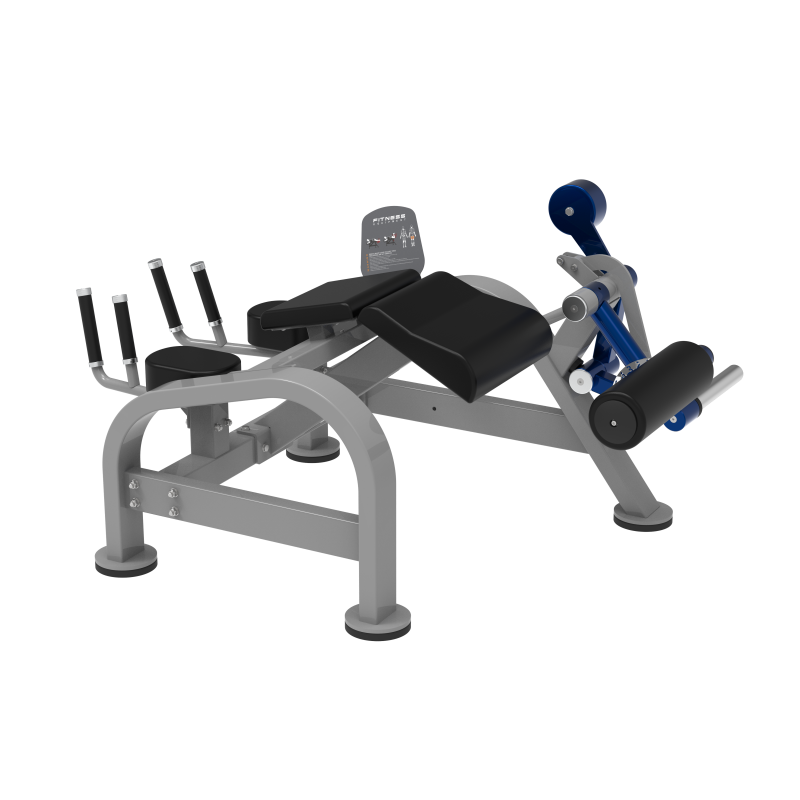
The lying leg curl is familiar, compact, and often easy for new users to understand. The user lies face down and curls the pad toward the glutes. Many clubs choose this format because it is straightforward and can fit neatly into a strength circuit.
Its advantage is accessibility. For some users, the prone position feels natural, and the setup is fast once the adjustment points are clear. The caution is that smaller design flaws become obvious here. If the chest pad, hip support, or ankle roller spacing is not well thought out, the machine can put pressure in the wrong place or create a loose feeling at the top of the movement.
Seated leg curl
The seated leg curl changes the body angle and often changes the quality of the exercise experience. Many trainers prefer it because the hip position can encourage a strong contraction and makes the movement easy to cue. For facilities that want a more premium lower-body line, seated units often feel more complete in the room.
It also tends to work well for users who prefer a supported, upright setup. Still, it is not automatically better. Some members find the machine more intimidating at first, and if the knee alignment or seat adjustment is not intuitive, the learning curve can be steeper than the sales brochure suggests.
What commercial buyers should evaluate before placing an order
When sourcing a leg curl machine, the obvious specifications matter, but the less visible ones often make the bigger difference after installation.
1. Adjustment range and setup logic
A good machine should help users get into position quickly. Look at the seat, back support, ankle roller, and start-position adjustments as a system, not as separate features. If the adjustment sequence feels complicated, staff will spend more time helping people than selling the experience.
2. Frame feel and motion path
Commercial users notice wobble. They notice cable routing that feels rough, and they notice whether the movement stays smooth under varying loads. The machine should not feel vague at the start or abrupt near the end of the curl. A clean resistance curve is one of those things people stop talking about when it is done well, which is exactly the point.
3. Pad comfort and contact points
Hamstring work can be unforgiving on weak pad design. Thigh support, chest support, and ankle contact all need to hold the body in place without turning the station into a pressure test. On busy gym floors, that matters more than flashy trim or oversized branding panels.
4. Footprint and floor planning
Some clubs have room for both a lying leg curl and a seated leg curl; others do not. If the floor is tight, the right choice may be the model with the best balance of training value and footprint. That decision is easier when the machine family is broad enough to keep the room visually consistent.
How Minolta’s equipment range fits into a commercial sourcing plan
Shandong Minolta Fitness Equipment Co., Ltd. operates from Ningjin, where hardware manufacturing has long supported industrial equipment production. The company says it has more than a decade of experience in the fitness equipment sector and a facility covering 120,000 square meters, including a manufacturing workshop, quality control lab, and exhibition hall.
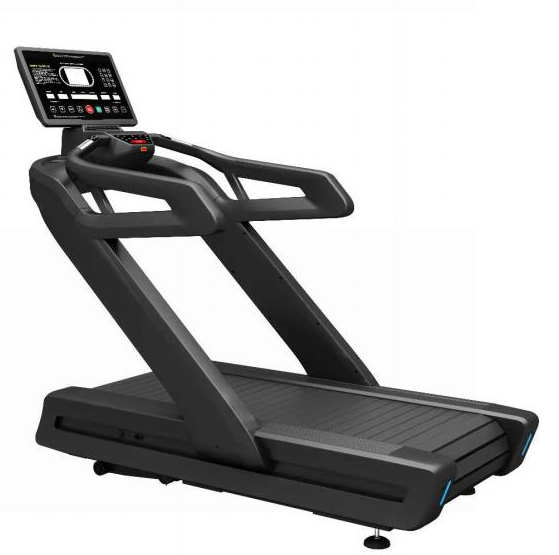
For buyers, that scale matters because a strength floor is rarely built from one hero machine. It is assembled as a family. Minolta’s commercial lineup includes multiple Strength Series families such as MND-AN, MND-FM, MND-FH, MND-FS, MND-FB, MND-E Crossfit, MND-F, MND-FF, MND-G, and MND-H, along with Cardio Series lines like MND-D exercise bikes and MND-X500, X600, and X700 treadmills.
That breadth can help when a purchasing team wants a consistent visual language across the gym. It is easier to build a coherent commercial floor when the supplier can cover both cardio and strength, rather than forcing the buyer to mix three different design families and hope the room still looks intentional.
Common mistakes when buying a leg curl machine
The most common mistake is overemphasizing price while underestimating user experience. A lower upfront cost can disappear fast if the machine is difficult to use, uncomfortable at the pads, or unpopular with trainers.
Another mistake is choosing only one leg curl variant because the catalog photo looks appealing. A busy fitness facility may actually need both a lying leg curl and a seated leg curl, especially if the membership includes athletes, general fitness users, and older clients with different comfort preferences.
A third issue is forgetting maintenance access. Moving parts, upholstery, and guide systems all need servicing eventually. If the design makes routine upkeep awkward, the machine will spend more time out of rotation than anyone planned.
Buyer-facing questions worth asking before you commit
Before placing a commercial order, it helps to ask a few blunt questions:
Which user profile is the machine intended to serve most often?
How easy is the setup for first-time users?
Does the machine support smooth, repeatable motion under regular club traffic?
Can the supplier maintain product consistency across a larger order?
Does the current strength line allow the gym to present a unified look?
Those questions are not glamorous, but they are the ones that determine whether the equipment becomes a workhorse or just another floor fixture.
What a good hamstring station should deliver in daily use
A solid leg curl machine should do three things well: guide the body into stable alignment, provide a clear resistance path, and survive commercial traffic without constant attention. That sounds basic, but plenty of products miss one of those points.
For gym owners and sourcing managers, the best decision is usually the one that fits the training mix rather than the one with the loudest marketing language. If your floor already serves serious lifters, a seated model may earn more loyalty. If your layout needs fast turnover and easy orientation, a lying unit may be the better fit. In a larger facility, both may be justified because they answer slightly different user expectations.
Next step for teams comparing commercial options
If you are building or refreshing a strength area, use the leg curl as a test case for the supplier’s overall approach. Look at how the machine is designed, how it fits into a broader product family, and whether the company can support a commercial-grade lineup over time.
For buyers exploring a broader equipment package, Shandong Minolta Fitness Equipment Co., Ltd. is worth reviewing alongside any short list, especially if you want a supplier that can cover strength and cardio within one manufacturing base. The real goal is not simply to buy a hamstring exercise machine. It is to choose equipment that holds up in a busy room and still feels right after the novelty wears off.