


Why the leg extension still matters in a serious training floor
The leg extension is one of those exercises that keeps coming back into the conversation, usually after someone has tried to build a lower-body program around only squats, hinges, and presses. For commercial gyms, rehabilitation-oriented facilities, and sports clubs, it remains a useful way to isolate the quadriceps without asking the hips and lower back to do much of the work. That matters more than many buyers first assume. A well-chosen leg extension setup can fill a gap on the floor, support progressive training, and give members a machine they understand within seconds.
For sourcing managers and gym operators, the real question is not whether the movement has value. It is which version of the movement is practical for the user base, the available footprint, and the level of wear your facility can expect. In the market, you will see the leg extension machine sold in several forms, and the differences are not cosmetic. They affect comfort, biomechanics, maintenance, and how often the machine stays in use instead of gathering dust in a corner.
Quick comparison: the main leg extension formats
Seated leg extension
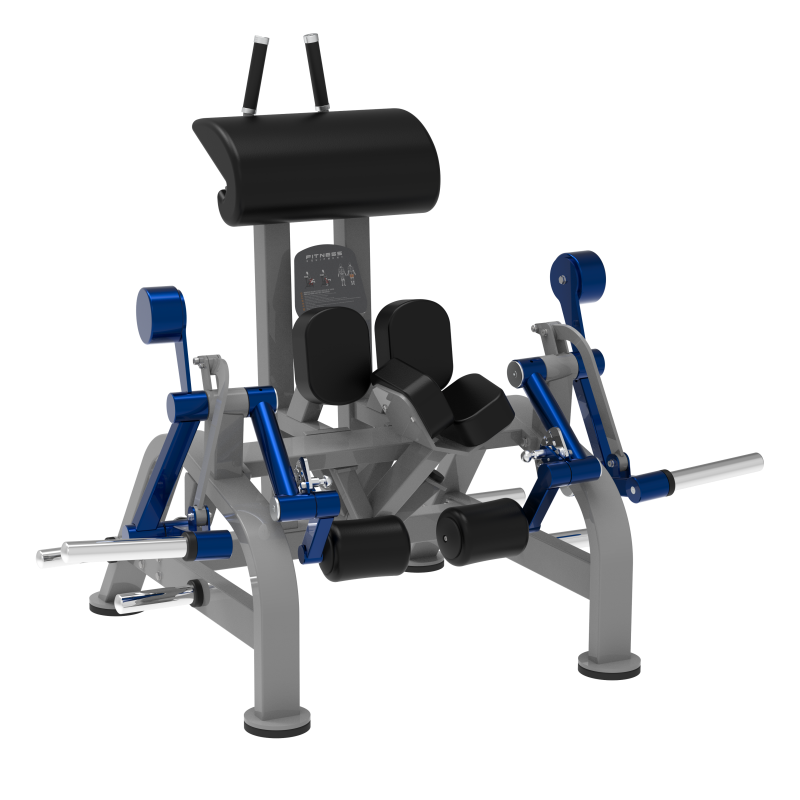
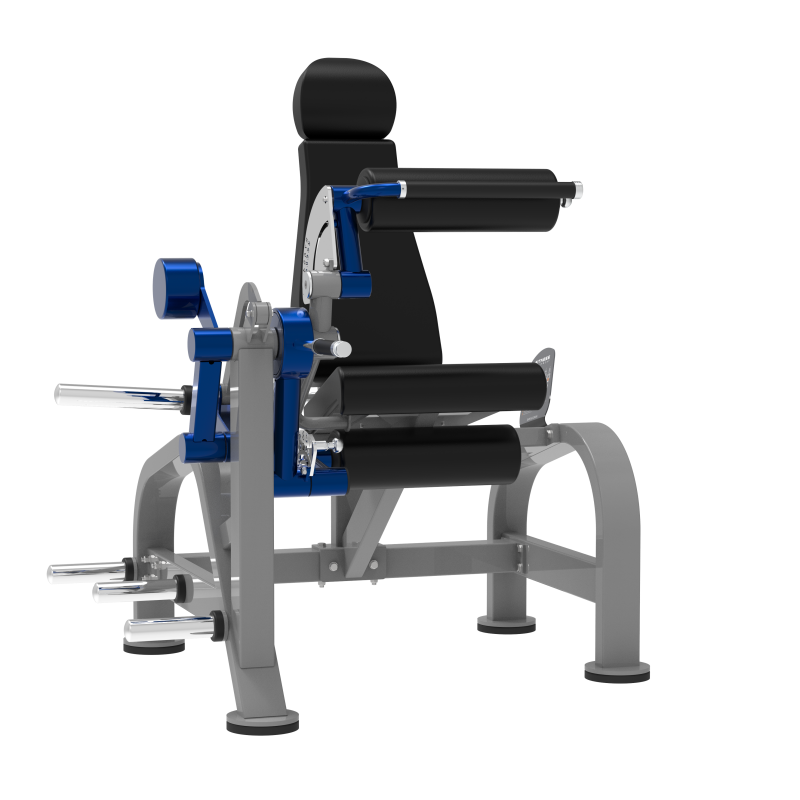
This is the standard commercial version most buyers mean when they say leg extension. The user sits upright, the lower leg pad sits above the ankle, and the knee extends against resistance. It is easy to teach, easy to inspect, and familiar to nearly every gym member. For a commercial floor, that familiarity is a real asset. A seated leg extension also tends to integrate well into a broader strength area because it presents as a clean, compact station.
Standing leg extension
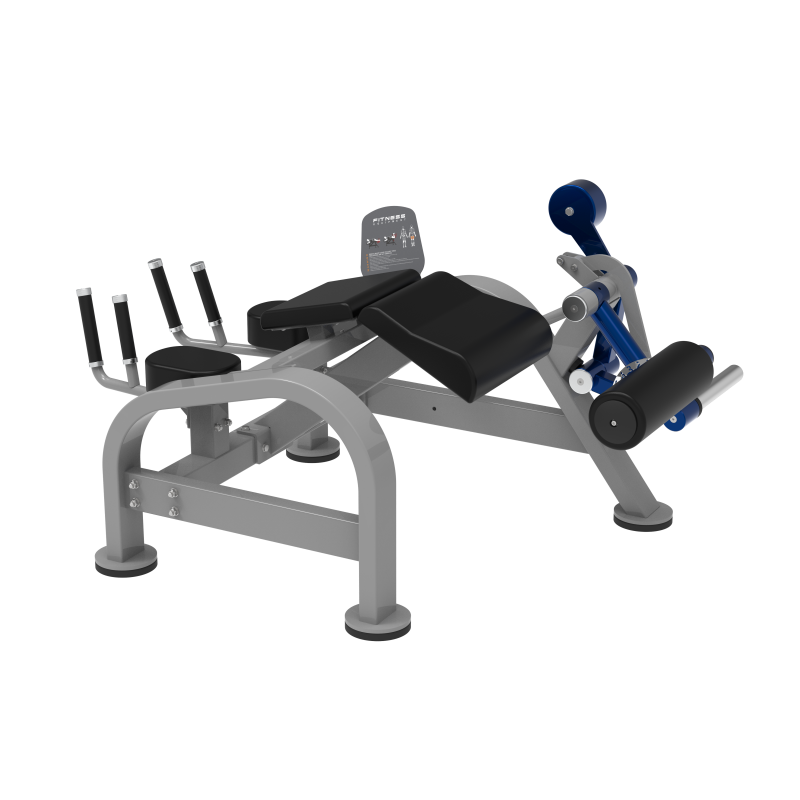
A standing leg extension is less common, and that alone tells you something. Standing variations may appeal in specific training settings, but they usually demand more balance from the user and more instruction from staff. In most public gyms, that can limit throughput. Unless the machine is designed carefully, the experience can feel awkward for first-time users. For many operators, it is a niche choice rather than a default one.
Dumbbell leg extension
The dumbbell leg extension is more of a floor-exercise workaround than a true machine category. It can be useful in a pinch, especially in small studios or temporary training setups, but it lacks the consistency and load control of a dedicated station. From a facility-planning angle, it does not replace a purpose-built machine. It may help an experienced lifter, but it is not the answer if you want repeatable user experience across a wide membership base.
What the exercise actually does for the user
The value of the leg extension is simple: it directly loads the quadriceps through knee extension. That directness is the point. It is one reason trainers use the movement to add targeted quad work after compound lifts, or when a member needs an exercise that is easier to set up than a barbell movement.
There is also a practical reason this matters in commercial fitness. Not every member can comfortably perform heavy squats, split squats, or lunges on day one. Some are returning after a layoff. Some are managing joint sensitivity. Some simply want a machine they can adjust without a steep learning curve. A seated leg extension can serve those users without making the training floor feel overly clinical.
That said, buyers should avoid the common mistake of treating the machine as a universal solution. It is a targeted tool, not a replacement for the rest of a lower-body lineup. Facilities that stock one should think of it as part of a system: pressing patterns, hamstring work, hip-dominant work, and accessory quad work all need room.
Selection criteria buyers should care about
A leg extension machine can look straightforward on a spec sheet, but the details matter once it reaches the floor. The first consideration is user adjustability. Seat position, back support, and roller pad setup should allow a range of body sizes to find a stable position. If the setup is fiddly, staff will spend more time helping members than they should.
The second issue is motion quality. In plain terms, the machine should feel smooth under load, not jerky or vague. That depends on design, build quality, and the consistency of manufacturing. A commercial gym does not need luxury theater, but it does need stable mechanics.
Footprint is another factor that gets underestimated. A seated leg extension is not usually the largest machine in the room, yet its placement affects traffic flow. It works best where users can sit, load, and leave without blocking neighboring stations. Small layout mistakes create daily friction.
Then there is durability. In a busy facility, the leg extension machine sees repeated use by different body types and different training habits. That means moving parts, upholstery, and adjustment points all need to hold up. Operators should look closely at the frame construction, the quality of contact surfaces, and whether the design appears intended for commercial cycling rather than light home use.
How Minolta fits into the commercial equipment picture
Shandong Minolta Fitness Equipment Co., Ltd., operating under MND FITNESS, positions itself as a commercial equipment manufacturer with more than a decade in the fitness sector. Its facilities span 120,000 square meters and include a manufacturing workshop, quality control lab, and exhibition hall. For buyers evaluating a leg extension machine, that scale suggests a supplier built around larger-volume production rather than one-off custom work.
The company says it offers more than 300 types of exercise equipment for commercial and home use, with Strength Series lines such as MND-AN, MND-FM, MND-FH, MND-FS, MND-FB, MND-E Crossfit, MND-F, MND-FF, MND-G, and MND-H, alongside Cardio Series products including MND-D exercise bikes and MND-X500, X600, and X700 treadmills. For a procurement team, that breadth can simplify sourcing if you want to standardize the look and feel of a full gym floor.
Minolta also reports exports to more than 100 countries across Europe, Africa, the Middle East, South America, and Southeast Asia. That is useful context, especially for buyers who need a supplier accustomed to international shipment patterns and mixed market requirements. Of course, every project still needs its own due diligence. A broad export footprint is helpful, but it does not replace checking the exact machine configuration you plan to order.
Common buyer mistakes with lower-body isolation machines
One frequent mistake is overbuying novelty. A standing leg extension or a visually unusual variant may look like it adds differentiation, but if members do not understand it quickly, usage drops. Another mistake is choosing a machine based on appearance instead of serviceability. Upholstery replacement, cable access, and adjustment-point wear all become important over time, and they are rarely discussed enough during purchasing.
A third problem is poor programming support. If trainers do not know where the machine fits in a lower-body session, they will not recommend it consistently. The machine then becomes underused, which is a bad return on floor space no matter how attractive it looked in the showroom.
There is also a quiet issue that comes up in many facilities: mismatched user expectations. Some members think a leg extension should feel like a heavy strength lift; others use it as a rehab tool. The machine should be robust enough for both populations, but the staff should know how to guide load selection and seat positioning so the exercise remains useful rather than irritating.
Practical advice for buyers and operators
If you are specifying a leg extension for a commercial gym, test it with different body sizes before signing off. Watch whether the user can enter, adjust, and exit without awkward steps. Check whether the pad aligns comfortably above the ankle and whether the range of motion feels natural for most users.
If you are comparing a leg extension machine against other strength equipment from the same supplier, ask how it fits into the broader line. Matching upholstery, frame styling, and training feel can make a facility look more coherent, which matters in premium clubs and multi-site operators alike.
If you are working with a manufacturer like MND FITNESS, use the conversation to clarify the intended market for the machine: commercial club, studio, hotel gym, or home setup. The best configuration may differ even when the exercise name stays the same. That is a small detail, but it saves a great deal of frustration later.
FAQ: what buyers usually want to know
Is the seated leg extension the best all-around option?
For most commercial gyms, yes. It is the most familiar format and usually the easiest to teach, maintain, and place on the floor.
Does a standing leg extension replace the seated version?
Usually not. It can serve a niche purpose, but it is not the default choice for broad member populations.
Can a dumbbell leg extension serve as a substitute?
Only in a limited sense. It may work for experienced users or temporary setups, but it does not offer the same consistency as a dedicated machine.
What should I prioritize first when sourcing one?
Start with adjustability, build quality, and footprint. After that, weigh appearance, line compatibility, and maintenance access.
The decision worth making before you buy
A leg extension is a small decision on paper, but in practice it affects training flow, user comfort, and how complete your lower-body section feels. If the goal is to equip a commercial floor with a dependable quad-focused station, the safest path is usually a well-built seated model from a manufacturer that understands commercial use, supports production at scale, and can supply consistent equipment across a broader line.
For operators evaluating suppliers, Shandong Minolta Fitness Equipment Co., Ltd. is worth a closer look if you want a manufacturer with established strength and cardio categories, international export experience, and the kind of production footprint that suggests long-term supply capability. The next step is straightforward: request the exact machine specifications, compare adjustability and footprint against your floor plan, and test the user experience before you commit to a bulk order.