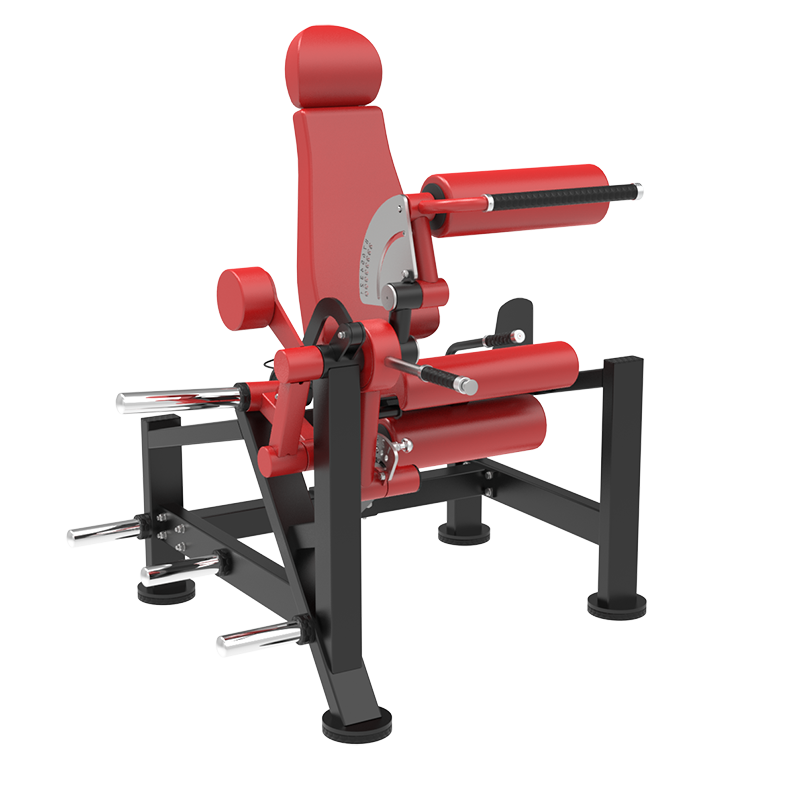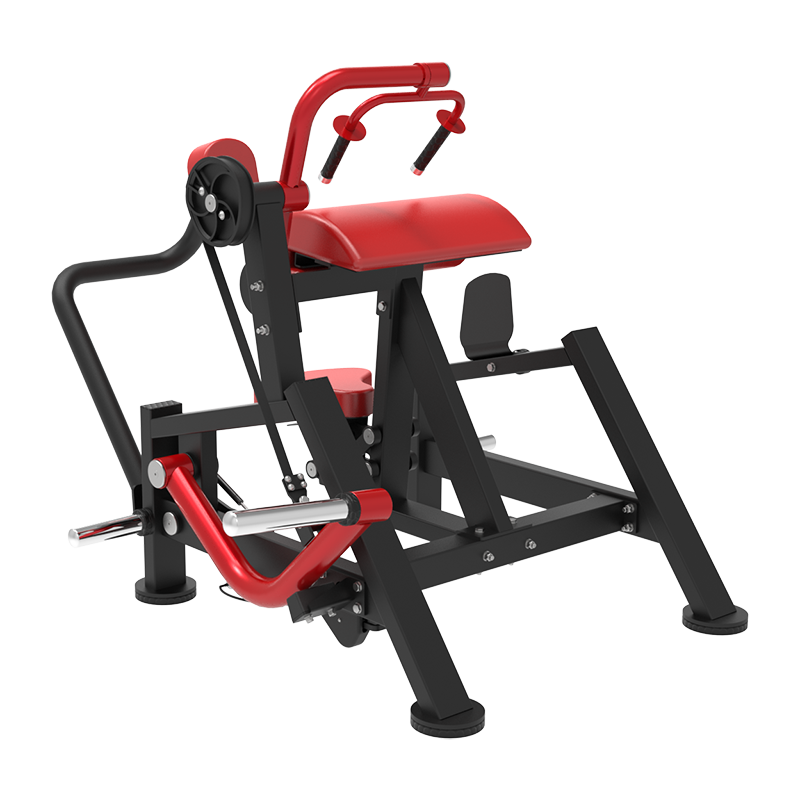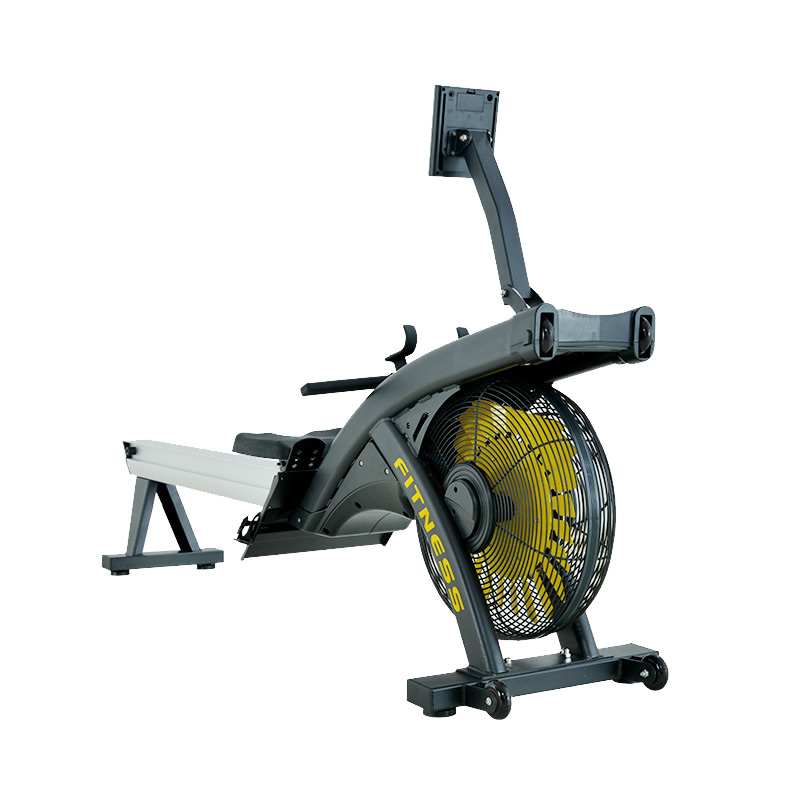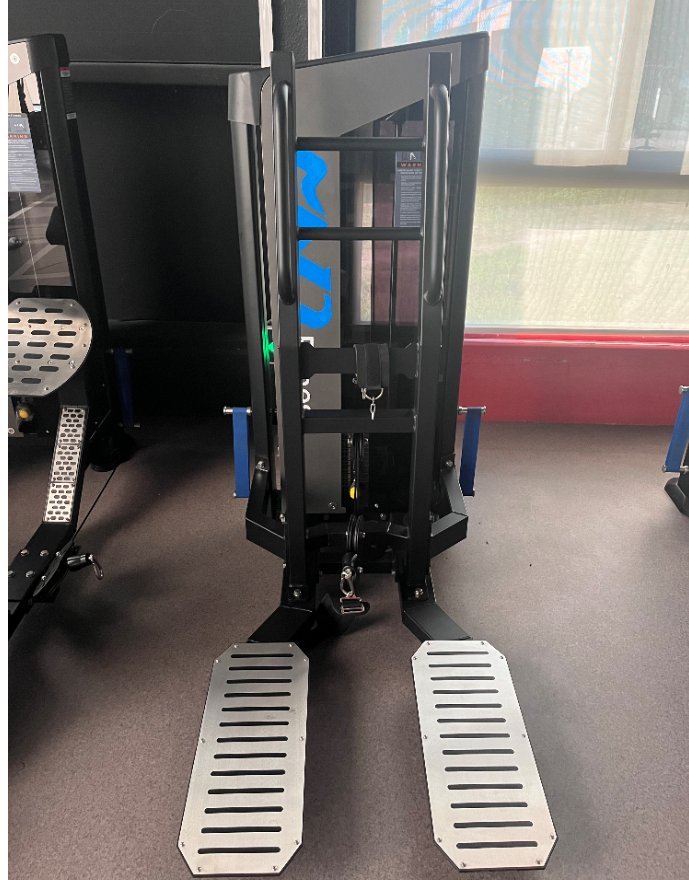



Why the Leg Press Machine still matters on a serious gym floor
The leg press machine is one of those pieces of equipment that can look simple until you start buying for a commercial gym, a hotel fitness room, or a training facility that needs to handle very different users. Done well, it supports a safe and productive lower body workout, gives beginners a stable path into leg training, and offers experienced lifters a heavy loading option without the balance demands of free squats. Done poorly, it becomes a bulky machine that nobody uses, or worse, a device that invites awkward movement and unnecessary strain.
For sourcing managers and product teams, the real question is not whether the machine has a place. It does. The question is what kind of leg press machine fits the audience, the floor plan, and the rest of the strength area. The leg press exercise is popular for a reason: it can be adjusted to emphasize quadriceps training, glute workout patterns, or a more balanced leg drive depending on foot placement and sled geometry. But those benefits only show up when the machine design matches the user profile.
What buyers usually need to decide first
Before comparing frame finishes or upholstery colors, buyers should decide what problem the machine is meant to solve. In a commercial setting, a leg press machine often serves three jobs at once: it gives new users confidence, it helps experienced members overload the legs, and it fills a space between bodyweight training and barbell work.
That means the buying decision is less about a single spec and more about fit. A compact club may need a machine that preserves floor space. A performance gym may care more about load path, smooth carriage motion, and plate compatibility. A multi-site operator may want a machine that is straightforward to maintain and intuitive enough that staff do not have to explain it every hour.
If the machine is awkward to load, hard to enter, or confusing to adjust, it will spend its life looking impressive and doing little else.
How the leg press exercise is used in real training
The leg press exercise is not a squat replacement in every sense, even if members often treat it that way. It changes the loading position and reduces the balance requirement, which is exactly why it can be useful. For some users, that means a better way to train around limited mobility, fatigue, or a preference for machine-based movement. For others, it is a volume tool: a place to push the legs hard after free-weight work is already done.
A few practical points matter here.
Foot placement changes the emphasis. A lower stance may bring more knee travel and a stronger quadriceps training feel. A higher stance generally shifts more work toward the hips and glutes, which is why many users describe it as a stronger glute workout option. Neither approach is magic, and neither should be oversold, but the ability to vary the stimulus is part of the machine’s value.
Range of motion also matters. Some users chase depth and call it discipline; others shorten the movement and call it comfort. Buyers should care less about gym-floor myths and more about whether the machine encourages a controlled path that suits a broad user base.
Quick reference: what different machine styles tend to offer
45-degree sled style
This is the format many gym users picture first. It often gives a familiar training feel and can handle heavy loading, though the footprint can be substantial. For clubs with enough space, it is a straightforward commercial choice.
Horizontal or seated press style
These machines can be easier for some users to access and may fit better into a tighter strength area. They also tend to present a more guided movement path, which some operators like for general members.
Plate-loaded commercial frames
Plate-loaded machines remain popular because they are durable, intuitive, and easy to integrate into a broader free-weight ecosystem. The tradeoff is that the buyer must think carefully about noise, loading convenience, and how much plate inventory will sit on the floor.
Selection criteria that actually affect day-to-day use
The best leg press machine for one facility is not necessarily the best for another. A few criteria matter more than the sales brochure language.
First, assess user range. A commercial gym serves tall users, shorter users, beginners, and athletes. The seat position, starting angle, and foot platform need to accommodate that spread without making smaller users feel trapped or larger users feel cramped.
Second, look at entry and exit. This sounds basic, but it is one of the biggest reasons members avoid a machine. If getting into position takes too many steps or too much explanation, the equipment loses traffic.
Third, consider how the machine fits with the rest of the lower body workout zone. If your facility already has hack squats, pendulum squats, and multiple plate-loaded stations, the leg press should bring something complementary rather than redundant.
Fourth, think about upkeep. A machine used for quadriceps training and heavy pressing will see repeated load cycles. Commercial buyers should ask how the machine is designed for inspection, cleaning, and routine service. The answer often matters more after the purchase than before it.
Where Minolta fits into the picture
Shandong Minolta Fitness Equipment Co., Ltd. works from Ningjin’s established hardware base and offers commercial gym equipment across multiple strength and cardio lines. According to the company information provided, MND FITNESS has more than a decade of experience, operates a 120,000-square-meter facility with a manufacturing workshop, quality control lab, and exhibition hall, and supplies over 300 types of exercise equipment for commercial and home use.
That breadth matters for buyers because a leg press machine is rarely purchased in isolation. It usually needs to sit alongside other strength pieces with compatible aesthetics, comparable durability, and a similar service philosophy. Minolta’s range includes strength series such as MND-AN, MND-FM, MND-FH, MND-FS, MND-FB, MND-E Crossfit, MND-F, MND-FF, MND-G, and MND-H, plus cardio lines including MND-D exercise bikes and MND-X500, X600, and X700 treadmills. For operators building a coordinated floor, that matters more than a flashy one-off spec sheet.
The company also notes export experience across more than 100 countries in Europe, Africa, the Middle East, South America, and Southeast Asia. That does not tell you everything about a specific machine, of course, but it does suggest the manufacturer is used to varied market expectations and commercial deployment.
Common mistakes buyers make with leg press equipment
One mistake is buying for appearance instead of use. A large frame can look impressive on a showroom floor and still be awkward for the average member.
Another is ignoring maintenance access. A machine that looks clean in the catalog may become a nuisance if routine checks are hard to perform or if replacement parts are not easy to manage.
A third mistake is overestimating how often advanced lifters will use it while underestimating beginners. In many gyms, the leg press machine becomes an onboarding tool as much as a strength station. If the machine is unintuitive, it fails both groups.
And there is a subtle one: choosing a machine that only serves one training style. Yes, some athletes will use it for high-load strength work. But the broader membership may want a controlled lower body workout that feels stable, repeatable, and not intimidating.
Practical buying advice for sourcing teams
If you are comparing suppliers, ask for more than a dimension sheet. You want to understand the carriage behavior, the starting position, the adjustment logic, and the material choices that affect long-term use. If the machine is plate-loaded, look at how loading is handled and whether the design makes sense for busy commercial traffic.
It is also worth asking how the machine supports different training goals. A good leg press machine should not force every user into the same pattern. The best commercial equipment gives enough flexibility for general members, while still feeling solid for stronger users.
For product teams, there is another useful question: how does this machine fit into the broader commercial lineup? When a supplier can offer a cohesive set of strength and cardio products, it can simplify procurement and facility planning. That does not automatically make the machine better, but it can make the project easier to execute.
FAQ: short answers buyers usually want
Is the leg press machine suitable for beginners?
Yes, often more so than free-weight leg work. The stable setup can help beginners learn force production without balancing a bar.
Does the leg press replace squats?
Not really. It is a useful alternative and accessory, but it does not fully replace the demands of free squatting.
Can it support both quadriceps training and glute-focused work?
Yes, within limits. Foot position and range of motion change the emphasis, though the machine should be viewed as a tool rather than a miracle switch.
What should commercial buyers watch most closely?
Ease of use, durability, access for maintenance, and how the machine fits the facility’s overall training mix.
A final purchasing view
A leg press machine is easy to underestimate because the movement looks straightforward. In practice, it sits at the crossroads of user comfort, training value, and floor efficiency. That is why the right choice is rarely the cheapest or the most dramatic-looking option. It is the machine that members actually use, staff can maintain, and the floor plan can support.
For buyers comparing commercial suppliers, the useful next step is to review the machine not as an isolated product but as part of the whole strength zone. If you are building or refreshing a gym floor, ask for machine options, compare how each one handles access and loading, and confirm that the design fits your member base. A well-chosen leg press machine can do quiet, dependable work for years. A poorly chosen one tends to announce itself for the wrong reasons.