


MND fitness and the practical reality of buying commercial gym equipment
When buyers start comparing MND fitness against other names in the market, the real question is rarely “Who has the biggest catalog?” It is usually simpler and more commercial than that: which supplier can deliver durable commercial gym equipment that fits the space, the user base, and the operating budget without creating maintenance headaches six months later?
That is why the decision matters. A gym machine factory may look impressive on paper, but a sourcing manager still needs to know whether the equipment is built for daily traffic, whether the product range covers both strength training equipment and cardio equipment, and whether the supplier can support a long-term rollout rather than a one-time shipment. The wrong choice shows up fast: uneven wear, awkward member experience, spare-part delays, and a floor plan that looked good in CAD but feels cramped in real life.
Shandong Minolta Fitness Equipment Co., Ltd. positions MND FITNESS around exactly this commercial-use problem. The company says it has more than a decade in the sector, a 120,000-square-meter facility, and a range of more than 300 types of exercise equipment. Those are the kinds of details buyers should pay attention to, because in this category production scale and product breadth often tell you more than polished marketing language ever will.
What MND FITNESS offers, at a glance
For buyers scanning a shortlist, the most useful way to view MND FITNESS is as a broad-line fitness equipment supplier with both strength and cardio coverage.
The company’s product structure includes:
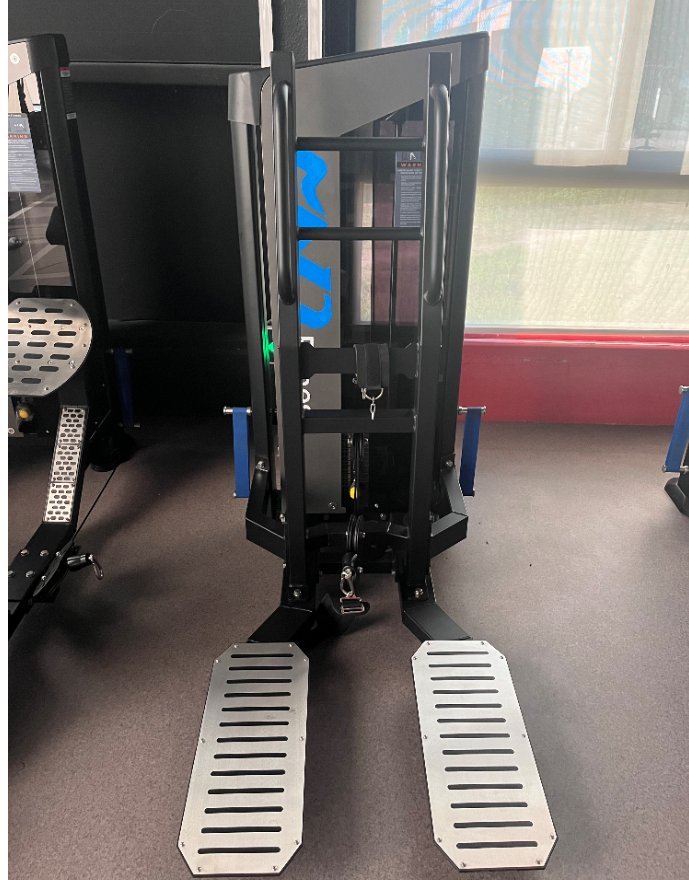
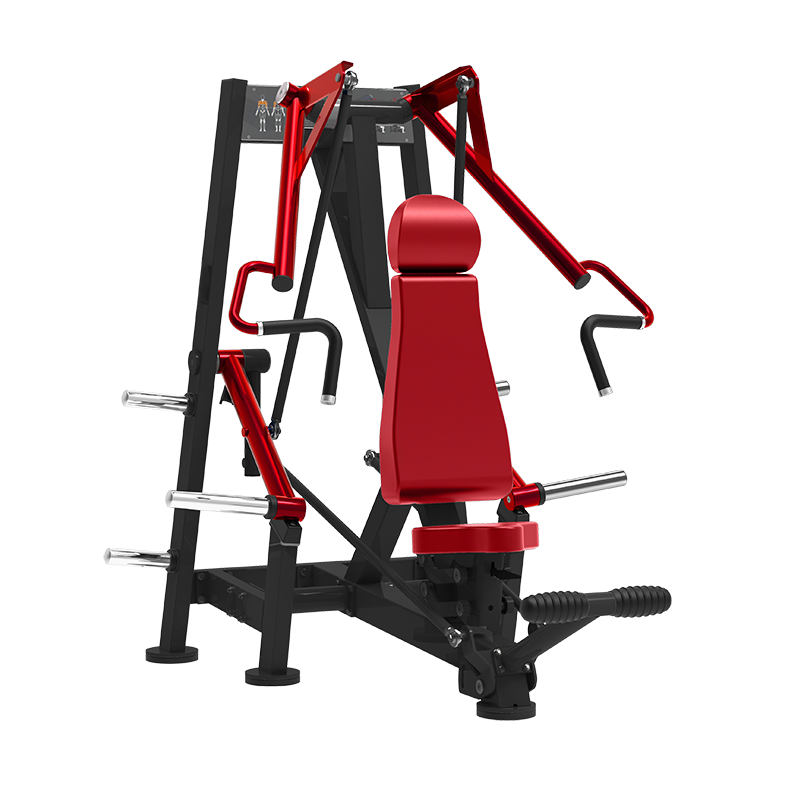
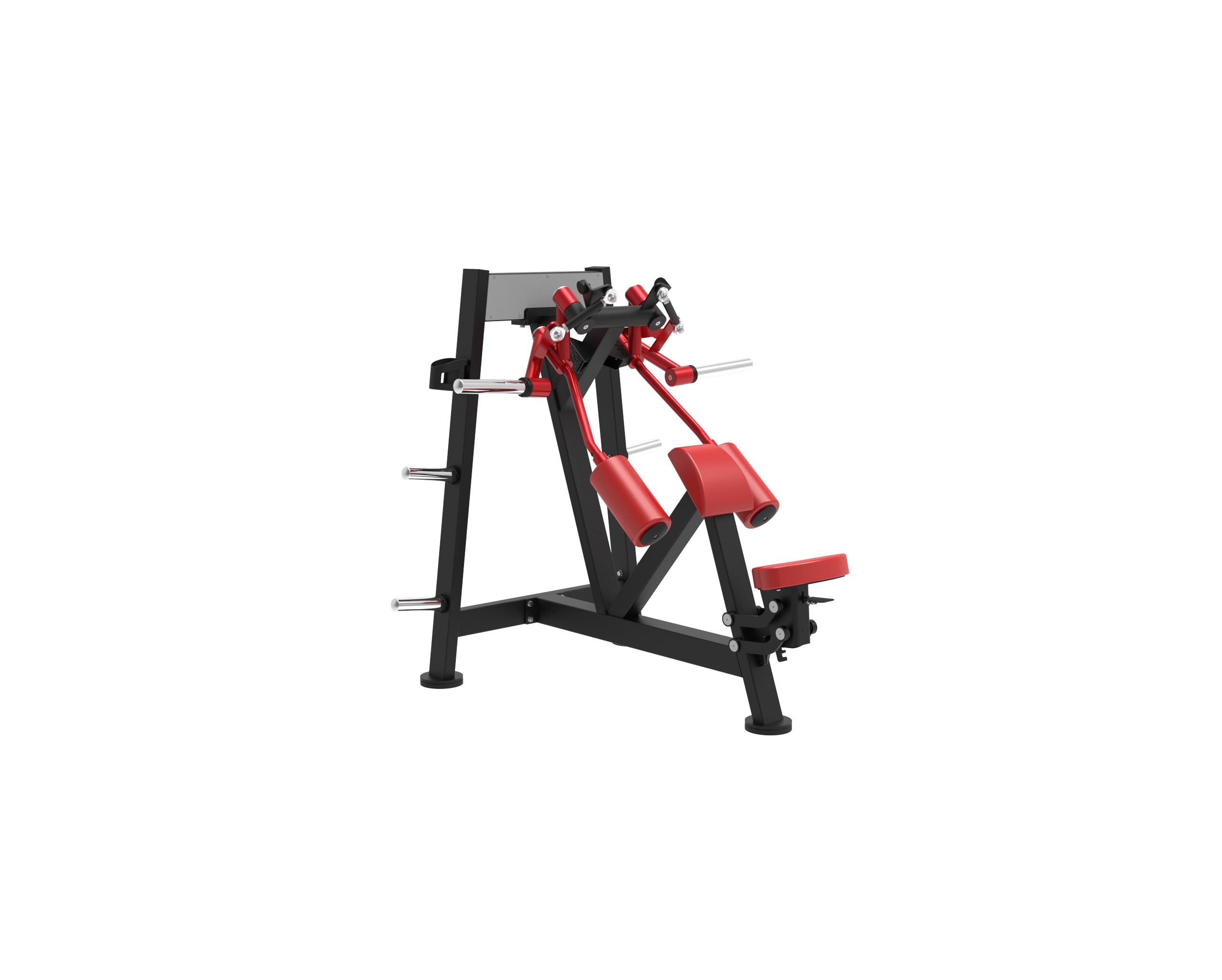
Strength Series: MND-AN, MND-FM, MND-FH, MND-FS, MND-FB, MND-E Crossfit, MND-F, MND-FF, MND-G, and MND-H
Cardio Series: MND-D exercise bikes and the MND-X500, X600, and X700 treadmills
That lineup matters because commercial buyers rarely purchase in one category only. A club opening a new floor, a hotel gym upgrading its footprint, or a distributor building a regional offering usually needs a mix of plate-loaded or selectorized machines, free-weight-adjacent stations, and cardio anchors. A single-source supplier can simplify procurement, but only if the range is broad enough to avoid awkward substitutions.
The company also says its products are supplied to more than 100 countries across Europe, Africa, the Middle East, South America, and Southeast Asia. Export reach does not automatically equal fit for every market, of course, but it does suggest the company is familiar with different commercial expectations, shipping realities, and procurement styles.
Why buyers care about factory scale and product breadth
In the commercial fitness equipment market, scale is not just a vanity metric. A 120,000-square-meter facility typically signals room for manufacturing, quality control, warehousing, and display functions under one roof or within one industrial footprint. For a buyer, that can translate into fewer handoffs and, in some cases, more consistent order handling.
The presence of a manufacturing workshop, quality control lab, and exhibition hall is also worth noting. An exhibition hall is not a substitute for engineering, but it does help buyers inspect machine layouts, upholstery finish, movement feel, and general build philosophy before placing larger orders. The quality control lab is the part that should get the most attention, even if the details are not fully spelled out in the available information. Commercial buyers should still ask what is tested, how often, and against which internal standards.
A practical caution: a large catalog is useful only if the product families are coherent. Some factories spread themselves thin by offering too many looks and too little standardization. Buyers should ask whether parts are shared across lines, how easy replacement items are to source, and whether the series they choose will be supported over time. That question can matter more than the frame color.
Understanding the strength and cardio split
For many gyms, the purchasing logic starts with a simple divide: strength training equipment on one side, cardio equipment on the other.
Strength series
The MND strength series appears to cover multiple commercial use cases, from compact club layouts to more demanding training zones. While the available data does not provide detailed mechanical specifications, the breadth of the series suggests the company is targeting multiple machine styles and user groups.
In practice, buyers evaluating strength equipment should look for a few basics regardless of brand: stable frames, smooth resistance paths, comfortable entry and exit points, and upholstery that holds up under repeated cleaning. If you are furnishing a hotel or community facility, ease of use may matter more than advanced biomechanics. For performance clubs or serious training centers, adjustability and motion quality usually become the deciding factors.
Cardio series
The cardio side includes MND-D exercise bikes and the X500, X600, and X700 treadmills. That is enough variety to suggest the company understands core cardio needs, though buyers should still compare console options, drive system performance, footprint, and service access before making assumptions.
Treadmills are often the most punishing machines in a commercial environment. They are also the first to expose weak after-sales support. If the unit looks strong but is difficult to service, the operator pays for it later. Buyers should ask how belt wear is handled, what the recommended maintenance interval is, and whether local technicians can actually support the installed base.
How to judge MND FITNESS as a sourcing option
The useful question is not whether a supplier is “good” in the abstract. It is whether the supplier matches your operating model.
If you are a distributor, you may care most about breadth, repeatability, and the ability to build a consistent catalog with recognizable series names. If you are a gym operator, you may care more about user feel, durability under constant traffic, and whether the supplier can align the equipment mix with member demographics. If you are a project buyer for a hotel, school, or housing development, footprint and ease of use can outrank almost everything else.
A few buying criteria are worth keeping close:
Frame and finish quality: Commercial gyms reveal poor finishing quickly, especially around welds, touchpoints, and handles.
Range coherence: A strong catalog should look like a family, not a collection of unrelated products.
Serviceability: Ask how easily worn parts can be replaced and whether common components are standardized.
Layout fit: Machines that are technically sound can still fail if the floor plan is too tight.
Export experience: Selling into over 100 countries is encouraging, but buyers should still verify documentation, packaging, and logistics expectations for their own market.
Common mistakes buyers make with gym machine factory sourcing
The most common mistake is chasing product count instead of operational fit. A huge list of SKUs can be comforting, but it does not answer the real questions about daily use.
Another frequent error is treating cardio and strength as separate purchases. They are not separate in the eyes of the end user. If the strength area feels premium but the treadmills are underpowered or awkward to maintain, the whole facility gets downgraded in perception.
Buyers also sometimes skip the dull questions. What is the packaging method? Are spare parts available in a predictable way? How does the supplier handle customization requests? Those questions are not glamorous, but they are exactly where many projects go sideways.
And a small warning from experience: do not assume that a commercial fitness equipment line built for export will automatically suit every climate or facility type. Humidity, cleaning chemicals, usage density, and staffing levels all affect long-term performance.
Who MND FITNESS appears suited for
Based on the information provided, MND FITNESS seems positioned for buyers who want a broad commercial fitness equipment source rather than a niche specialist. That includes:
Distributors looking for a multi-series catalog
Gym chains that want consistent equipment families across locations
Facility buyers needing both strength and cardio equipment from one supplier
International procurement teams that value export experience
This is especially relevant where a project needs scale without moving up to the most expensive premium brands. Not every operation needs a flagship-tier logo. Sometimes the better decision is a dependable, commercial-grade range that leaves room in the budget for flooring, mirrors, conditioning, or technician training.
Questions to ask before placing an order
Before committing to any MND fitness order, buyers should ask for the things that make a real comparison possible:
Which series best fits the intended user profile?
What components are shared across models?
How is quality control handled during production?
What options exist for branding or product grouping?
Which cardio and strength products are most commonly exported to similar facilities?
Those questions are not about being difficult. They are about avoiding a polite, expensive mistake.
Final buyer takeaway
MND FITNESS looks most relevant to buyers who need a broad, export-oriented gym equipment manufacturer with enough scale to support commercial rollout. The company’s strength is not just the name itself, but the combination of factory footprint, product range, and cross-market experience.
If you are comparing suppliers, the smartest next step is to map your actual floor plan against the series you are considering, then request product details that speak to durability, service access, and shipment consistency. That is where the difference between a promising brochure and a workable procurement decision becomes clear.
For sourcing teams, the goal is not to find the loudest brand. It is to find the supplier that can keep a gym running smoothly after installation day is long forgotten.