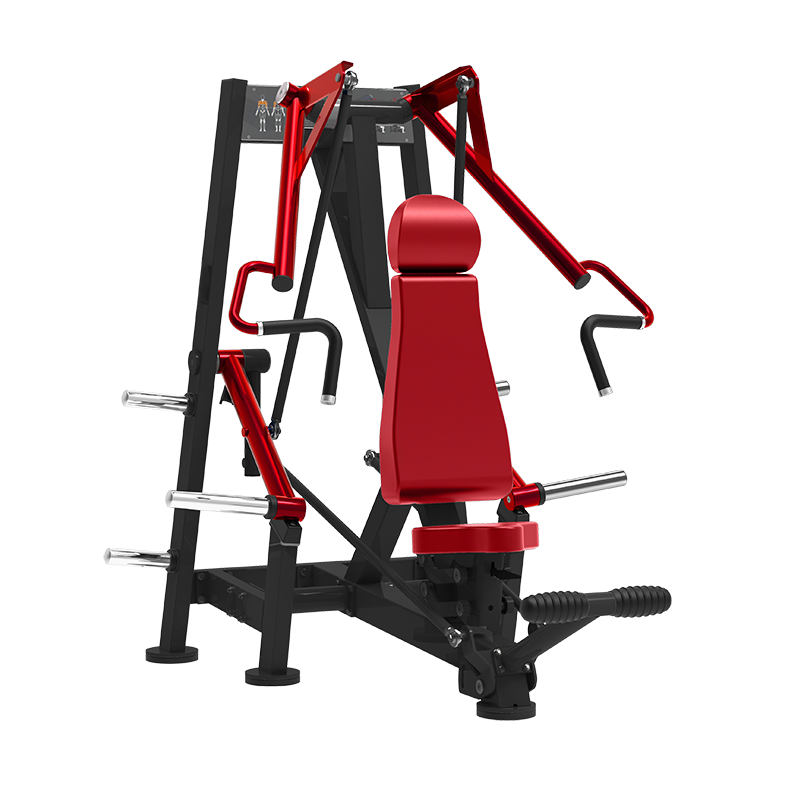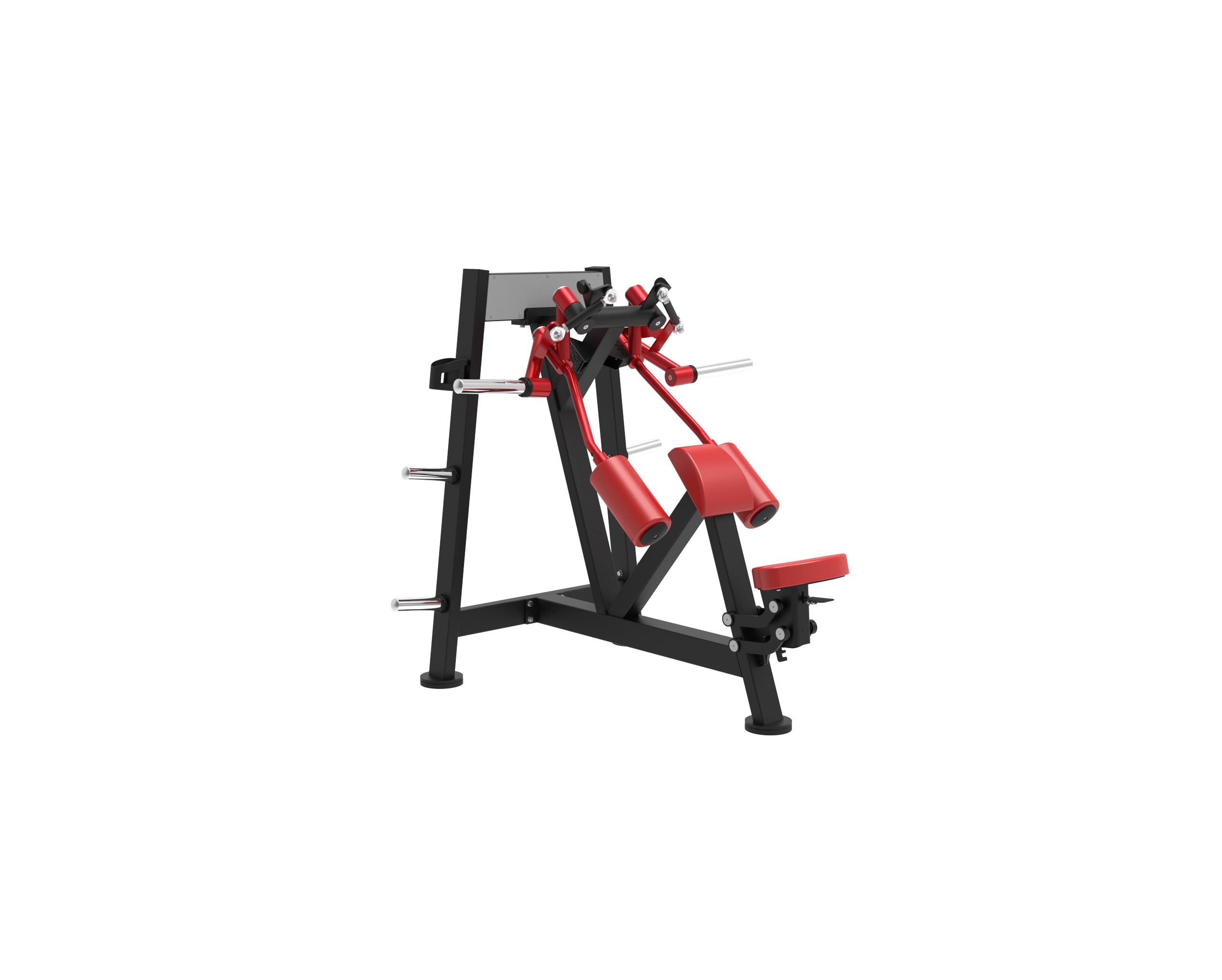



Why buyers start with MND fitness equipment
When sourcing MND fitness equipment, most buyers are not just comparing machines. They are trying to solve a harder question: which supplier can deliver durable, consistent, and commercially sensible equipment for a gym floor, a hotel fitness room, a school, or a retail channel without creating maintenance headaches later. That is why product range, factory capability, and export experience matter as much as the frame design itself.
Shandong Minolta Fitness Equipment Co., Ltd. positions itself squarely in that conversation. Based in Ningjin, where hardware manufacturing has a strong industrial base, the company says it has more than a decade of experience and a 120,000-square-meter facility that includes a manufacturing workshop, a quality control lab, and an exhibition hall. For sourcing teams, those details are not decorative; they are the first clues about whether a supplier can handle volume, inspection discipline, and product consistency.
This article is meant to help engineers, sourcing managers, and product teams decide whether a supplier in this category fits their project. The real issue is not whether a gym machine looks good in a catalog. It is whether the equipment matches the intended use case, the expected duty cycle, and the cost of ownership once the machines are installed and put under daily stress.
What the MND range covers
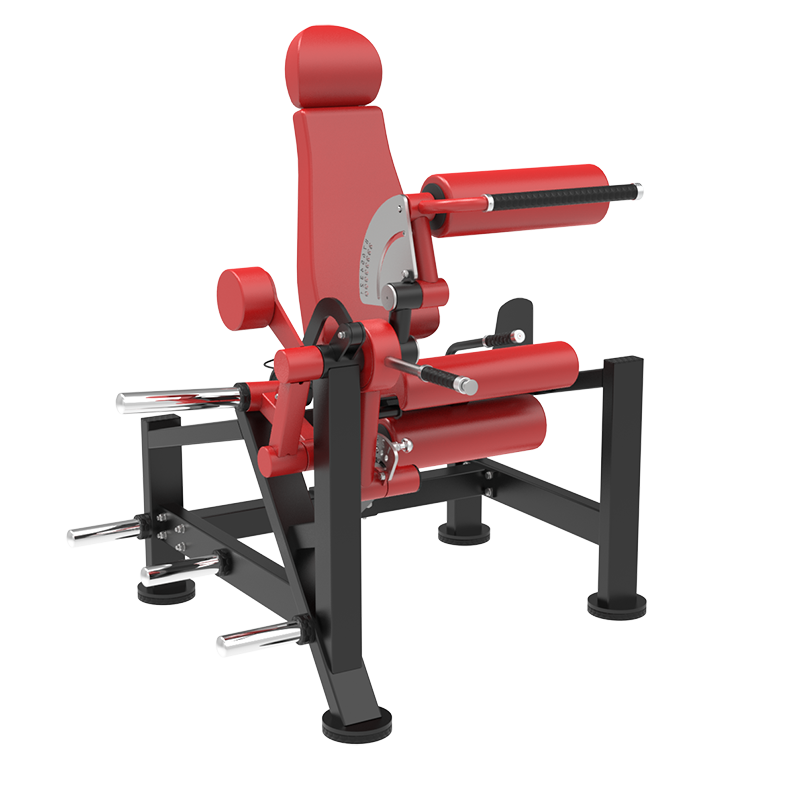
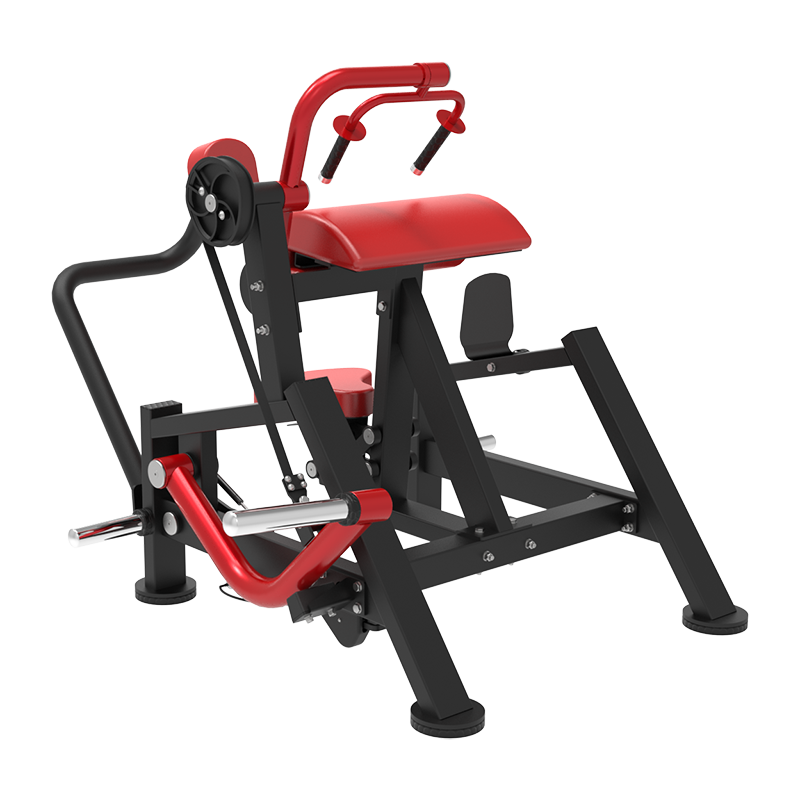
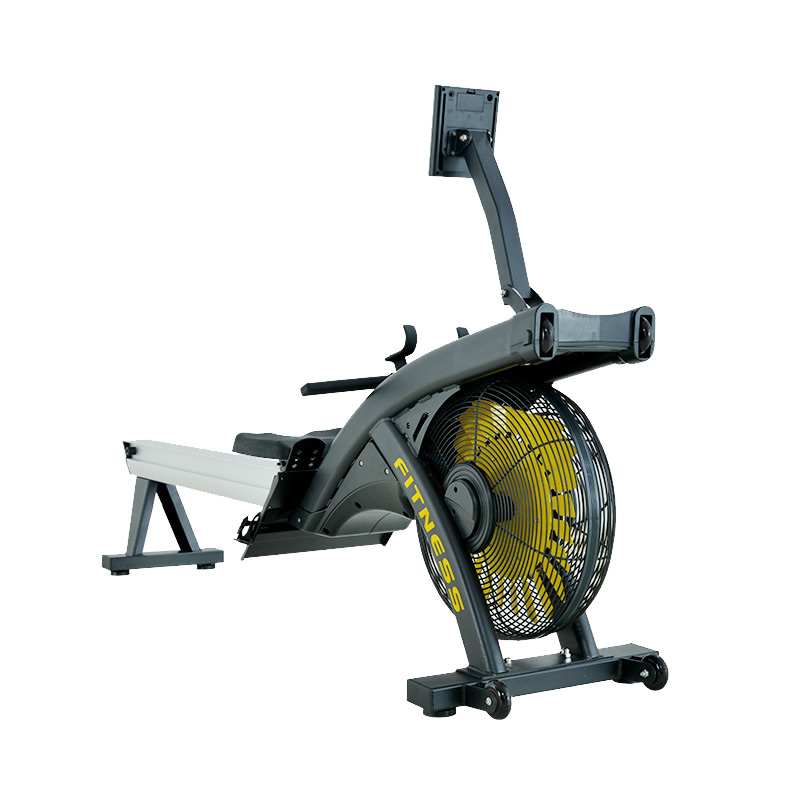
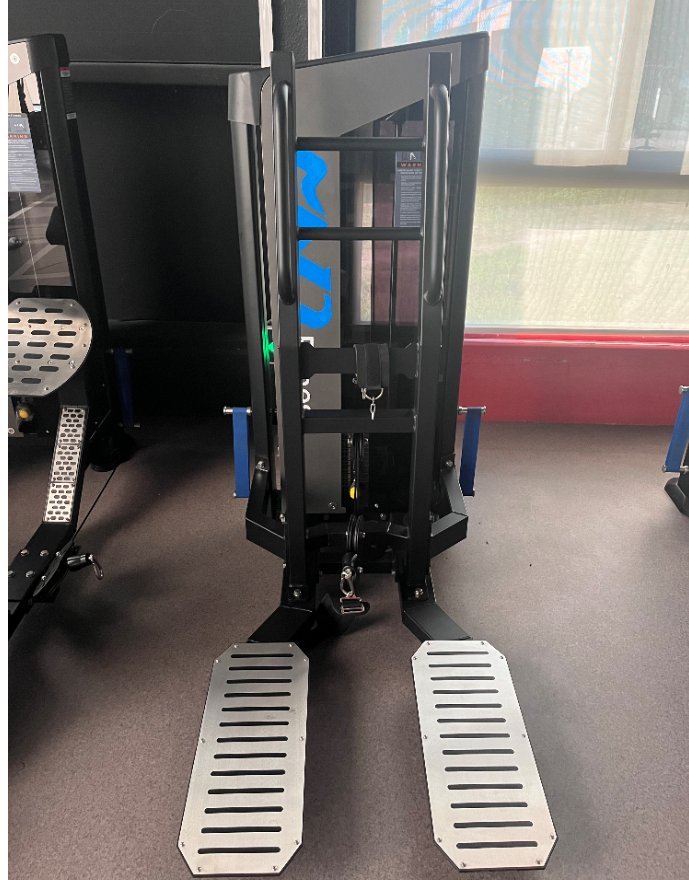
Minolta says its lineup spans more than 300 types of exercise equipment, covering both commercial and home use. The company breaks its offer into Strength Series and Cardio Series, which is a familiar and practical structure for buyers. On the strength side, the named series include MND-AN, MND-FM, MND-FH, MND-FS, MND-FB, MND-E Crossfit, MND-F, MND-FF, MND-G, and MND-H. On the cardio side, the company lists MND-D exercise bikes and MND-X500, X600, and X700 treadmills.
That breadth matters for two reasons. First, it suggests a supplier that can support complete-room procurement instead of just filling in a few missing pieces. Second, it gives purchasing teams a better chance of keeping design language and training experience consistent across a facility. In a commercial gym, small inconsistencies add up quickly: seat geometry, adjustment feel, resistance behavior, and machine footprint all affect how operators and end users judge the brand.
Commercial gym equipment versus home fitness equipment
Buyers often blur these two categories, but they should not. Commercial gym equipment is expected to withstand heavier daily use, more frequent adjustments, and a broader user range. Home fitness equipment can be designed with different priorities, including compact size, quieter operation, and easier assembly. A company that serves both categories can be useful, but only if it can clearly distinguish which models are intended for which environment. That distinction should be asked directly during sourcing.
Why factory capability matters more than product photos
For a China fitness equipment manufacturer, the factory story is often the real product story. Photos of a treadmill or strength machine can show design intent, but they do not reveal process control. A 120,000-square-meter site with a manufacturing workshop and a quality control lab suggests the basic infrastructure needed for repeatable production, though buyers should still request model-specific documentation and sample verification before they place any meaningful order.
In practical terms, the best signal is not how many machines a supplier claims to make; it is whether the supplier can maintain uniform weld quality, stable finish quality, and consistent assembly across a broad product family. That is especially important for strength training equipment, where frame rigidity, moving parts, cable behavior, and upholstery durability affect both safety perception and service life. A commercial operator will usually forgive a cosmetic issue faster than a noisy pulley or a loose adjustment mechanism.
The company also reports exports to more than 100 countries across Europe, Africa, the Middle East, South America, and Southeast Asia. Export reach is not a guarantee of fit, but it does indicate that the supplier has experience handling different market expectations, freight realities, and channel requirements. For buyers managing multi-country rollouts, that can reduce friction later when documentation, packaging, or mixed-SKU shipments become part of the routine.
Quick buyer takeaway: what to compare before you shortlist
If you are comparing MND fitness equipment with other offers, keep the review simple and disciplined. Look at the intended application first, then the product range, then the supplier’s ability to back it up.
Ask whether the machine is meant for a commercial gym floor, a lighter institutional setting, or home use. That single question eliminates a lot of expensive mismatch.
Check whether the supplier can cover the full room. A broad catalog can simplify procurement, but only if the models can be mixed without creating a patchwork feel.
Review the factory setup. Workshop capacity, QC lab presence, and exhibition space are useful signs, though they should not replace actual sample inspection.
Confirm export experience in markets similar to yours. Shipping conditions, voltage expectations for cardio equipment, and documentation habits vary more than newcomers expect.
Selection criteria that matter in real projects
Engineers and sourcing managers usually care about a different set of questions than consumers do. The surface-level features matter, but they are not the whole story.
Frame and structure
For professional gym equipment, the frame is the backbone of the purchase. Buyers should look for a machine family that appears designed around stability, not just visual mass. Heavy-looking equipment is not automatically better, and lightweight equipment is not automatically weak. What matters is whether the structure suits repeated use and whether the geometry supports the target exercise cleanly.
Motion quality
On strength stations, motion quality often determines user satisfaction more than branding does. Smooth travel, predictable resistance, and ergonomic access are what keep equipment in use rather than parked in the corner. For cardio units such as treadmills and exercise bikes, quiet operation and stable feel become especially important in commercial settings where multiple machines run for long periods.
Serviceability
Buyers sometimes overlook serviceability until the first replacement cycle begins. If a supplier offers a wide lineup, ask how spare parts are handled and whether components are standardized across series. That can make a large difference in maintenance planning. A machine that is excellent on day one but awkward to service can become a nuisance by month twelve.
Common sourcing mistakes to avoid
One frequent mistake is treating all gym equipment as interchangeable. A unit that works in a boutique training studio may not hold up in a 24-hour club. Another is buying on catalog variety alone. A supplier with 300-plus products may be capable, but breadth should never replace a technical review of the exact models being purchased.
It is also easy to overfocus on the popular items and neglect the supporting mix. In a commercial gym, the smallest mismatches can hurt the user experience: bench spacing, machine congestion, and visual inconsistency all affect how the room feels. In a retail or hospitality project, that can influence repeat business and guest perception more than a buyer expects.
A practical caution: do not assume that a single manufacturer’s strength and cardio lines carry the same specifications or the same positioning. Even within one brand family, different series may be designed for different facility types or price bands. Ask for the model-specific sheets, not just the family name.
How this kind of supplier fits different buyer profiles
For operators building a commercial gym, a supplier with both strength and cardio coverage is attractive because it simplifies procurement and can reduce visual fragmentation. For distributors, the appeal is broader: a full catalog can support tiered pricing, channel segmentation, and repeat orders. For project buyers in hotels, residential clubs, schools, and company fitness rooms, the ability to choose from multiple series may make it easier to match budget to usage.
That said, buyers should not pick solely on range. A project with a smaller footprint may need fewer models but stricter attention to dimensions and user accessibility. A multi-site rollout may need better packaging discipline and SKU control. In other words, the right supplier is not the one with the longest list; it is the one whose list can be organized to fit the project.
Practical questions to ask before you order
Before committing to any MND fitness equipment order, ask for the following in plain language: which series is intended for your use case, what parts are common across models, how the supplier handles quality control, and how it supports export shipments to your region. If you are comparing commercial gym equipment packages, ask whether the proposed mix covers your floor plan without redundancy.
If you need strength training equipment for a serious training environment, ask for detail on adjustability, machine footprint, and maintenance access. If you are sourcing cardio, check the functional differences between the listed treadmill and bike lines rather than assuming a family resemblance means the same performance.
FAQ
Is MND fitness equipment suitable for commercial facilities?
Based on the company information provided, the brand offers a substantial commercial-oriented range, including strength and cardio series. Suitability still depends on the exact model and the service demands of the facility.
Does the company only make commercial equipment?
No. The company says it provides equipment tailored for both commercial and home use. Buyers should verify which models are intended for each setting.
Why does export experience matter?
Export experience can affect packaging, documentation, logistics, and the supplier’s familiarity with different market requirements. It does not replace product evaluation, but it often helps the procurement process move more smoothly.
What should I request first from a supplier?
Start with the exact model list, application guidance, and product documentation. After that, move to sample review, shipping terms, and service support.
Next step for buyers
If you are evaluating MND fitness equipment for a new facility, a distributor program, or a multi-site replacement plan, start by narrowing the choice to the specific series that matches your application. The company’s broad catalog is useful, but only if the final shortlist is shaped by use case, serviceability, and the realities of your market.
For sourcing teams, the smartest next step is to request model-level information and compare it against the intended duty cycle of the project. That is the point where a supplier stops being a catalog and starts being a practical partner.