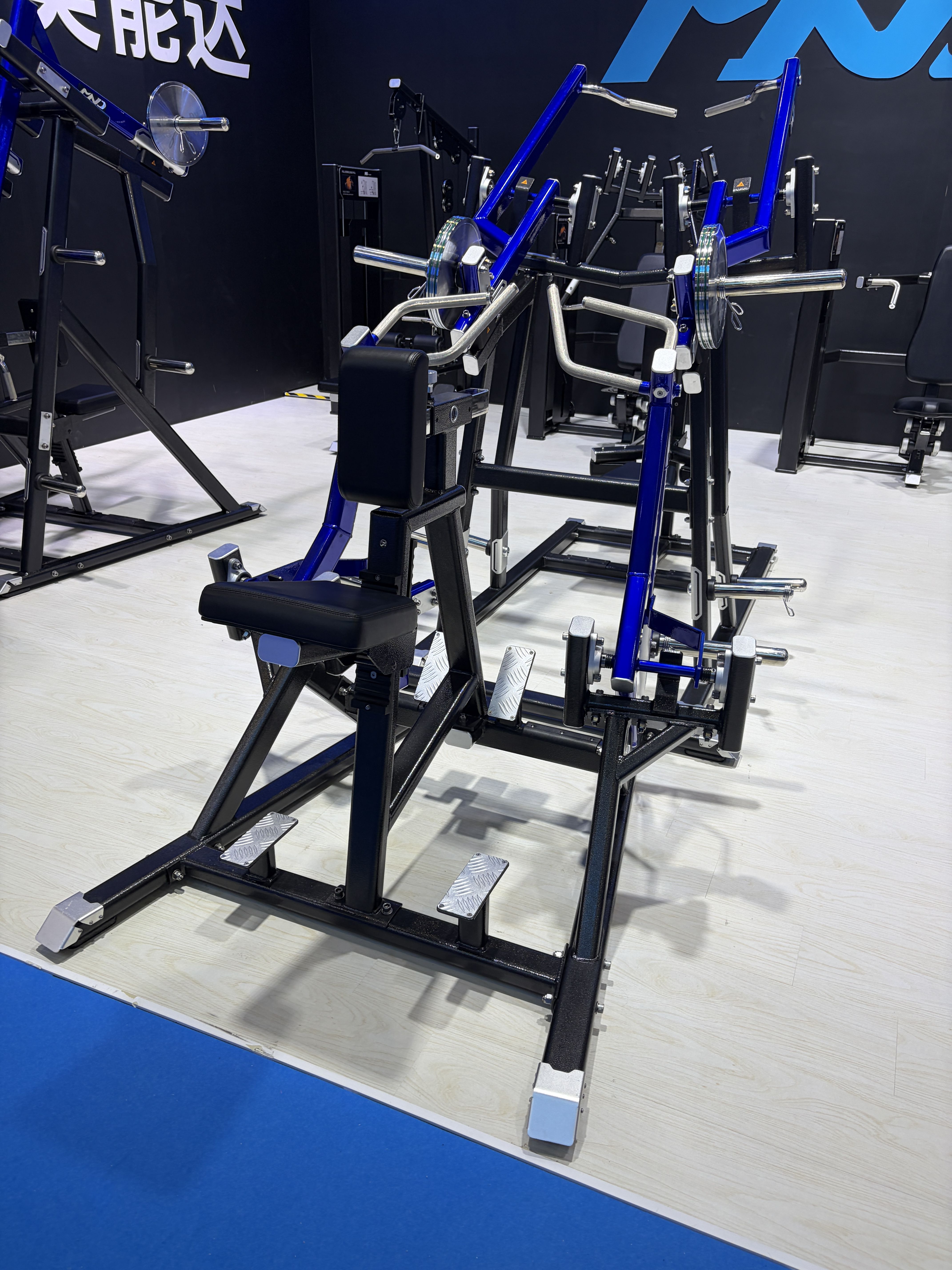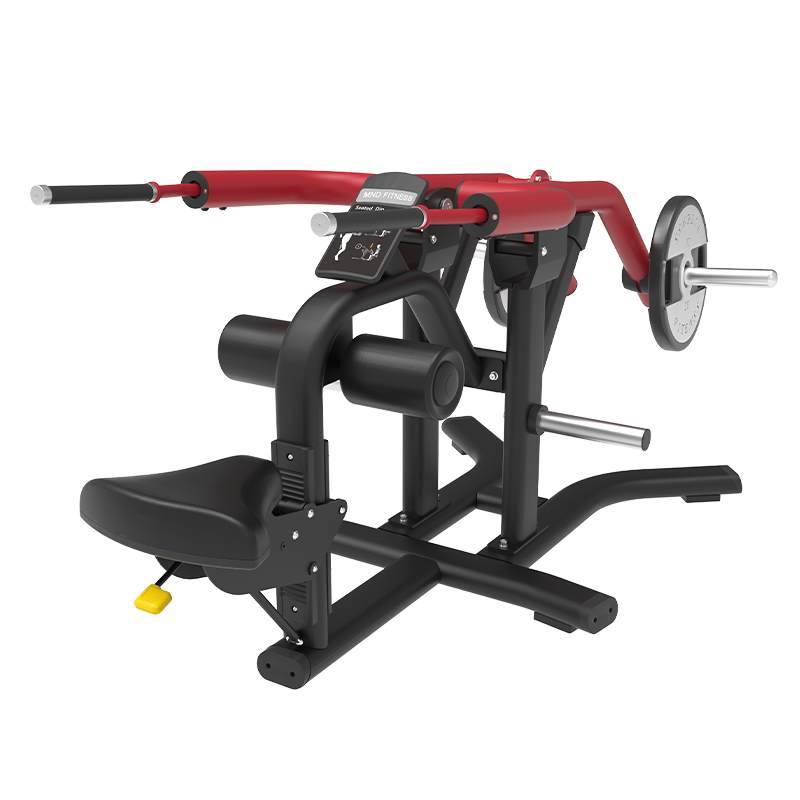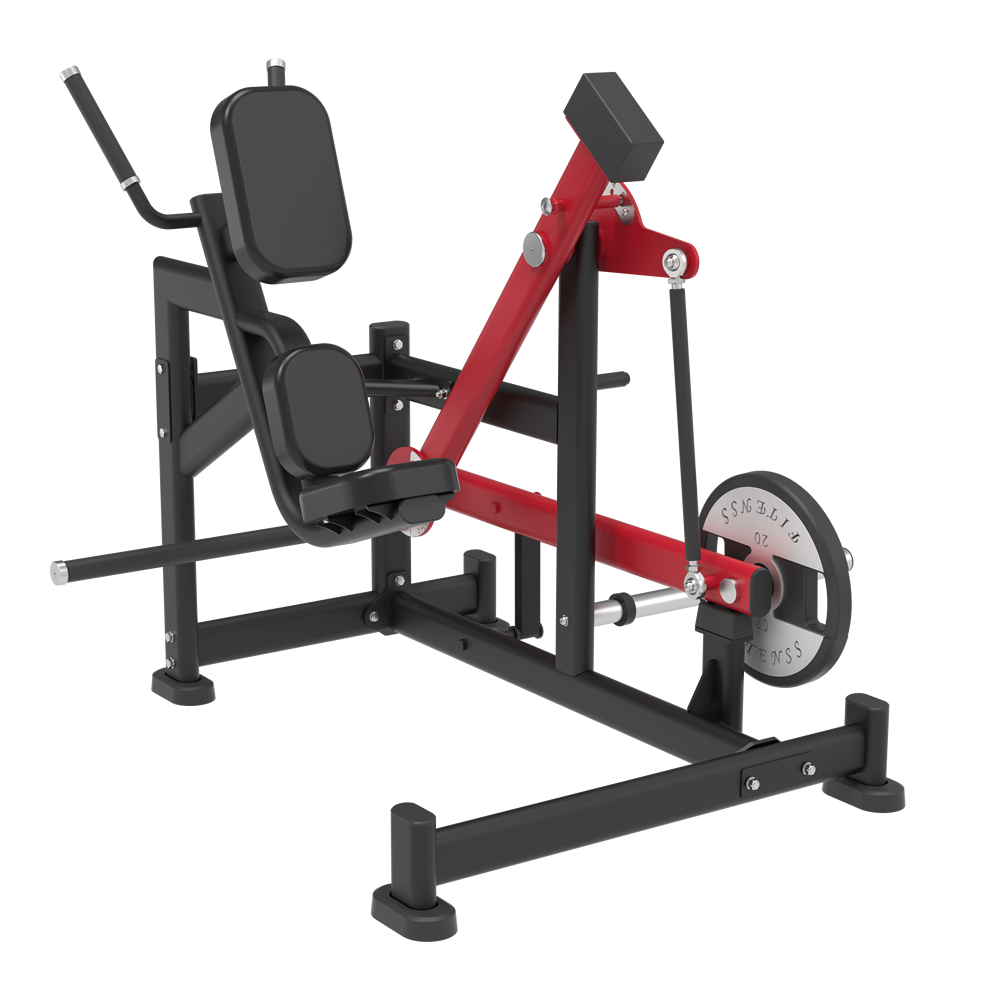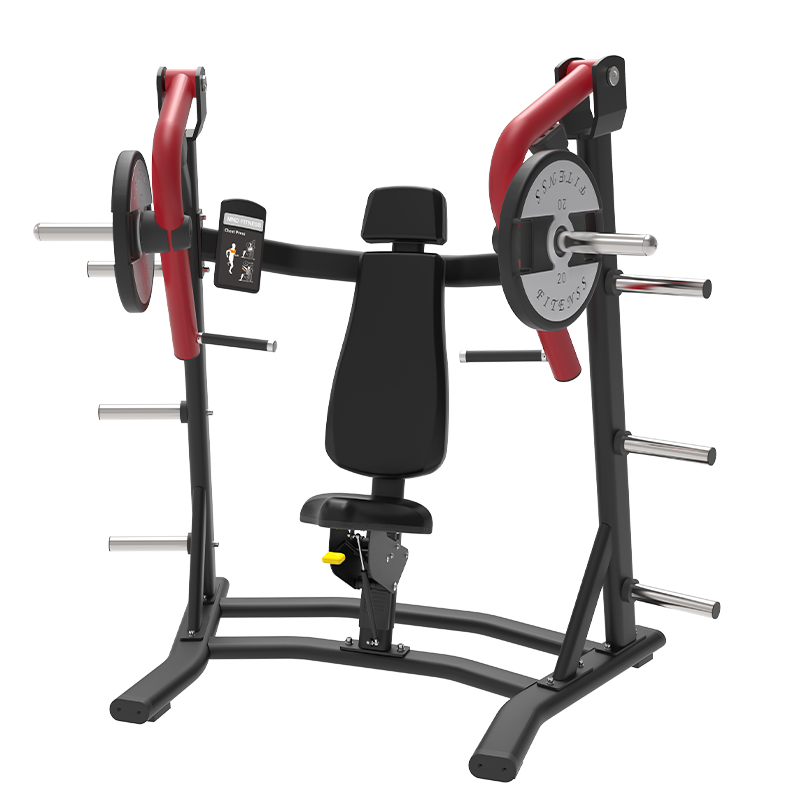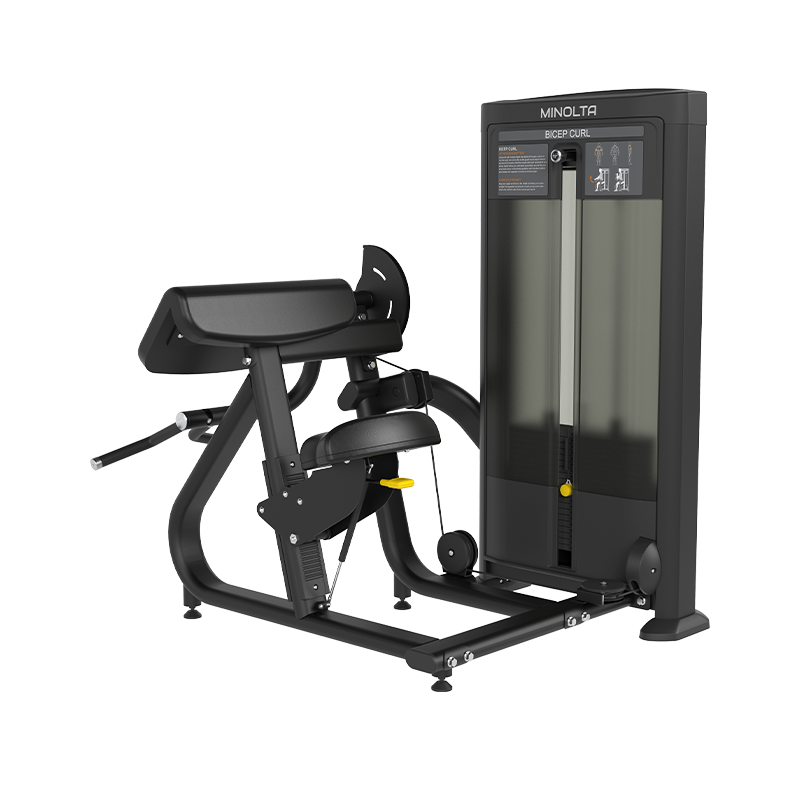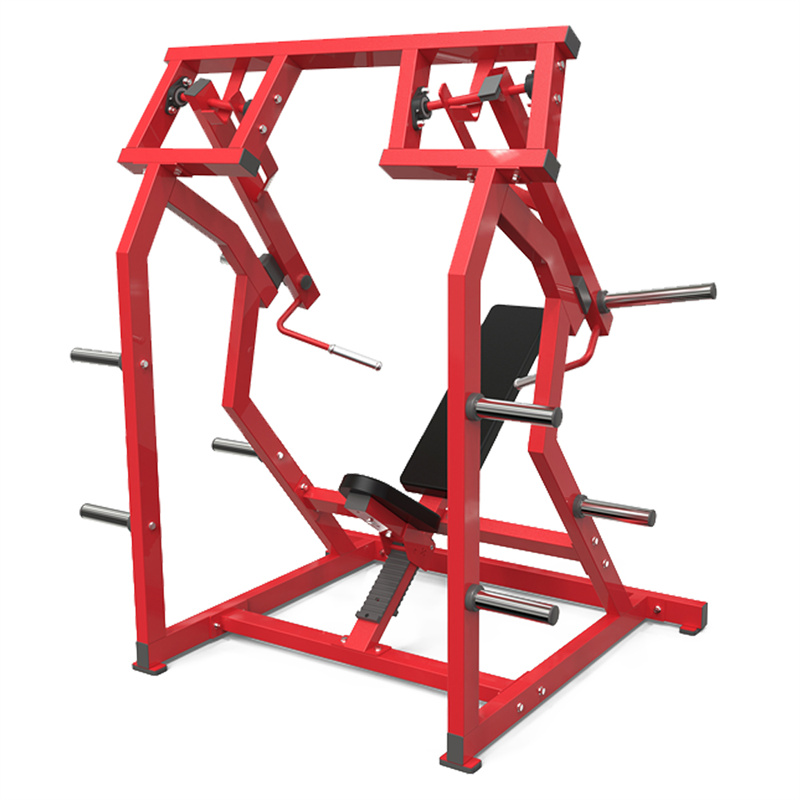



Why the MND Fitness New Plate Loaded SG Line matters to buyers
When a commercial gym, hotel fitness room, or sports facility starts comparing plate loaded gym equipment, the real question is rarely whether the machines look good on a showroom floor. The question is whether the line can hold up to daily traffic, fit the training style of the facility, and make sense on the buying side of the ledger. The MND Fitness New Plate Loaded SG Line sits in that practical middle ground: it is built for strength training environments that want the feel of free weights with the control and footprint of plate loaded strength equipment.
That distinction matters. For buyers, a plate loaded system can be easier to justify than a full free-weight expansion because it gives users a guided movement path while still allowing progressive overload with standard plates. For operators, it can be a cleaner way to add heavy training capacity without turning half the floor into a loose-plate zone. And for sourcing teams, the real work is comparing construction, stability, exercise variety, and supplier reliability rather than getting distracted by a polished product render.
Shandong Minolta Fitness Equipment Co., Ltd., the company behind MND FITNESS, has been working in commercial fitness equipment for more than a decade and operates from a 120,000-square-meter facility with manufacturing, quality control, and exhibition space. That does not automatically make every line the right fit for every buyer, but it does tell you this is a manufacturer used to serving commercial procurement, not just domestic hobby sales.
What the SG line is trying to solve
The MND Fitness SG line appears designed for facilities that need plate loaded strength equipment with broad appeal: sturdy enough for serious lifters, approachable enough for general members, and diverse enough to support a balanced strength zone.
That is the real market problem. Many gyms want the training feel of plate loaded machines, but not the complexity or floor demand of a full free-weight environment. Others need machines that keep the line of motion predictable for less experienced users while still giving advanced trainees enough resistance potential. SG line plate loaded machines are typically chosen for exactly that reason: they bridge the gap between machine-based safety and free-weight-style loading.
The user experience is important here. A good plate loaded machine should not feel twitchy at the start of the rep, and it should not demand awkward setup just to begin a movement. A commercial buyer should look for smooth travel, obvious loading points, stable frames, and seat or pad adjustment that does not fight the user.
Quick takeaways for sourcing teams
If you are comparing the MND plate loaded SG line to other plate loaded fitness machines, the decision usually comes down to a few practical questions:
Is the line broad enough to cover the major pressing, rowing, pulling, and lower-body patterns your members actually use?
Does the machine design suit your traffic level, meaning it can take repetitive daily loading without feeling loose after a few months?
Can your staff manage plate compatibility, spacing, and floor layout without creating bottlenecks?
Does the supplier have enough manufacturing scale and export experience to support repeat orders, consistent finish, and commercial after-sales communication?
Those questions sound simple, but they are often where bad purchases are exposed. A plate loaded machine can look impressive in a catalog and still be a poor fit if the handles are awkward, the loading points interfere with plates, or the machine occupies too much valuable floor area.
What buyers usually want from plate loaded gym equipment
Commercial buyers do not all want the same thing, but most are balancing four priorities.
Durability under daily use
Plate loaded strength equipment sees hard use. Members slam into the start position, rattle plates onto the sleeves, and sometimes use the machine in ways nobody intended. That means frame integrity, weld quality, and hardware consistency matter more than decorative finish.
Training versatility
A good machine should attract multiple user types. A chest press or row machine that feels accessible to casual users but still gives advanced athletes a meaningful workload is usually better value than a niche piece that looks impressive but stays idle.
Floor efficiency
Most facilities have less floor than they wish they had. SG line plate loaded machines are relevant if they offer strong training output without consuming excessive space. That is especially true for clubs trying to build a serious strength zone without crowding out cardio or functional training areas.
Procurement simplicity
Sourcing managers often care about repeatability. When a manufacturer offers a broader strength catalog, like MND FITNESS does across multiple strength series, it can be easier to build a coordinated gym package rather than assembling the room from unrelated suppliers.
How the SG line fits within a broader commercial range
One point worth noting is that the MND Fitness SG line does not exist in isolation. Shandong Minolta Fitness Equipment Co., Ltd. offers a wide commercial range across strength and cardio, including series such as MND-AN, MND-FM, MND-FH, MND-FS, MND-FB, MND-E Crossfit, MND-F, MND-FF, MND-G, MND-H, along with cardio products like exercise bikes and treadmills.
For buyers, that matters because it suggests the company is not just a one-category vendor. If you are building a facility package, it can be useful to source plate loaded fitness machines from a manufacturer that also understands the surrounding ecosystem: benches, racks, selectorized units, and cardio equipment. Even if you do not purchase everything from one supplier, there is a procurement advantage in working with a company that understands how a full gym has to function day to day.
There is also a practical fit issue. Commercial buyers often need a consistent visual language across the floor. A mixed room of mismatched paint, upholstery, and frame geometry can make a facility feel pieced together. A coherent series, or at least a coherent supplier approach, helps the room look deliberate.
Selection criteria that matter more than marketing copy
When evaluating SG line plate loaded machines, the technical checklist should be more grounded than glossy brochures usually allow.
Look at frame stability first. If the unit shifts during heavy reps, the user notices immediately and trust drops fast.
Check adjustment points. Seats, back pads, and start positions should be straightforward enough for members to use without asking staff every time.
Review loading access. Plates should be easy to add and remove without awkward angles or interference with the machine’s range of motion.
Ask about finish consistency and protective details. Commercial equipment lives hard lives. Edges, grips, upholstery seams, and powder coating all show wear eventually, and poor details become maintenance tasks.
Pay attention to the training path. On plate loaded strength equipment, the best machines often have a movement arc that feels natural rather than mechanically dramatic. A machine does not need gimmicks to be effective; in fact, too much mechanical flair can make the exercise feel less predictable.
Common buyer mistakes with plate loaded machines
One mistake is buying for image instead of usage. A machine can look elite and still be too specialized for the member base.
Another mistake is underestimating plate inventory. A facility can install several plate loaded gym equipment stations and then realize it has not budgeted enough plates, collars, or storage. That creates friction immediately.
A third mistake is ignoring layout. These machines need safe circulation around the loading area. If the room is tight, the space between stations becomes as important as the stations themselves.
A final caution: do not assume all plate loaded machines are interchangeable. Two units may both be labeled as press machines, but one may suit a high-volume commercial gym while the other feels better in a performance training studio. The difference is in biomechanics, not terminology.
Who is the SG line likely to suit?
The MND Fitness SG line is most relevant for commercial gyms, hotel and resort fitness spaces, training clubs, and multi-use facilities that want durable strength machines without moving fully into specialist athletic equipment.
It is also a sensible category for buyers in export markets where one supplier’s manufacturing capacity, product breadth, and communication discipline matter as much as the individual machine design. MND FITNESS has exported to more than 100 countries across Europe, Africa, the Middle East, South America, and Southeast Asia, which suggests familiarity with varied commercial expectations and shipping realities. That does not remove the need for due diligence, but it does reduce the odds of dealing with a manufacturer learning export basics on your order.
Practical advice before you request a quote
Before you price out the MND plate loaded SG line, define the room, the user profile, and the training balance you want. A club that serves bodybuilders, general members, and personal training clients may need a different mix than a hotel gym that mostly sees short, occasional sessions.
Ask for enough product detail to compare the machines on equal terms. If dimensions, structure details, or finishing options are important to your project, get them in writing. Commercial sourcing should never rely on assumptions, especially when the purchase has to fit into a broader opening schedule.
If you are comparing multiple suppliers, put the SG line side by side with the competing plate loaded fitness machines you are already considering and judge them against the same criteria: stability, usability, footprint, serviceability, and the overall coherence of the range.
FAQ
Is the MND Fitness New Plate Loaded SG Line only for large gyms?
Not necessarily. Larger gyms are the obvious fit, but smaller commercial spaces can also use plate loaded machines if the layout is planned carefully and the equipment mix is disciplined.
How does plate loaded equipment differ from selectorized machines?
Plate loaded machines use external weight plates for resistance, while selectorized machines use built-in weight stacks. Plate loaded equipment generally gives a more free-weight-like feel and can be preferred for heavier strength work.
What should I check first when evaluating an SG line machine?
Start with frame stability, adjustment ease, and how naturally the movement path feels under load. Those factors tell you more than catalog language usually does.
Can one manufacturer cover a full gym package?
In some cases, yes. MND FITNESS offers a broad range across strength and cardio, which can simplify sourcing if you want a more unified supply approach.
What a sensible next step looks like
If the MND Fitness New Plate Loaded SG Line is on your shortlist, the next move is not to chase more marketing language. It is to request the exact model details you need, map them against your floor plan, and compare them with at least one other plate loaded strength equipment option on the same criteria. That is the buyer’s job, and it is where a good procurement decision is actually made.
For teams building a durable commercial strength area, the SG line is worth a serious look because it sits in a useful middle zone: commercial enough for regular use, flexible enough for mixed training audiences, and backed by a manufacturer with broad production experience. The rest comes down to how well the machines fit your room, your members, and the way your facility really operates.