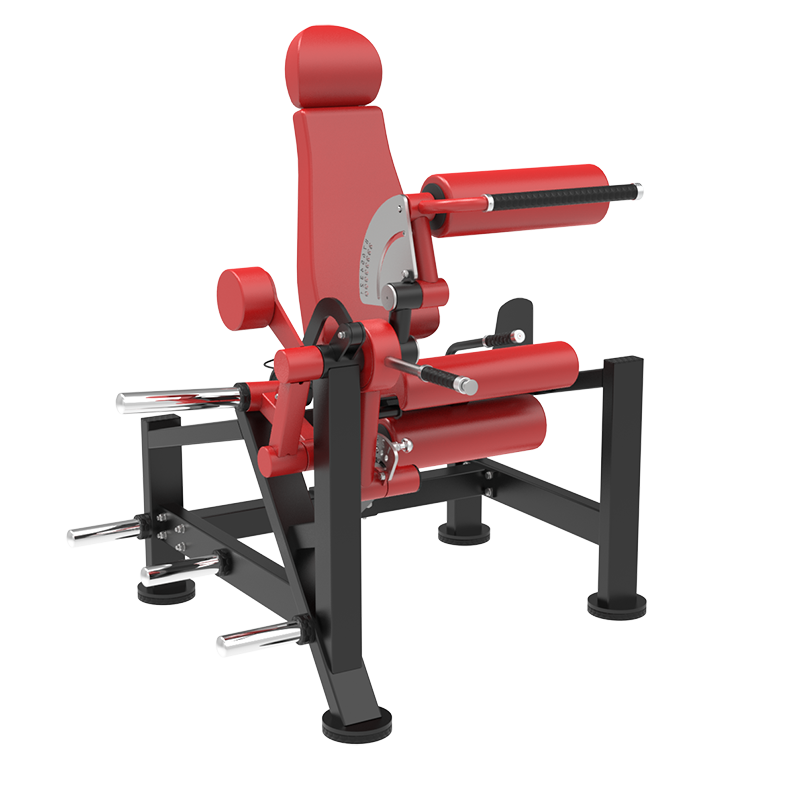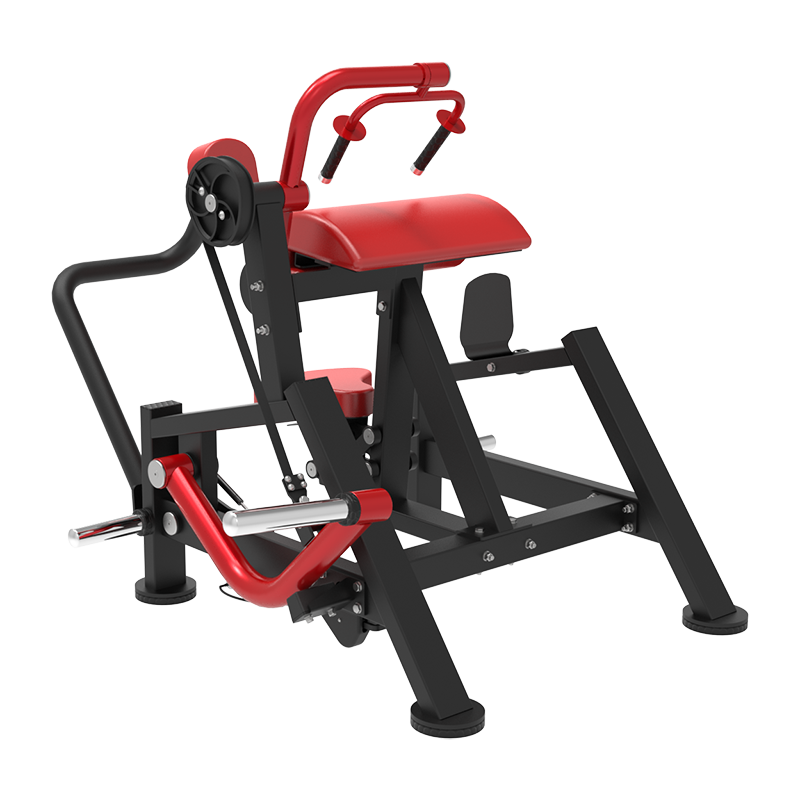



Why a pendulum style rear kick trainer matters in real training spaces
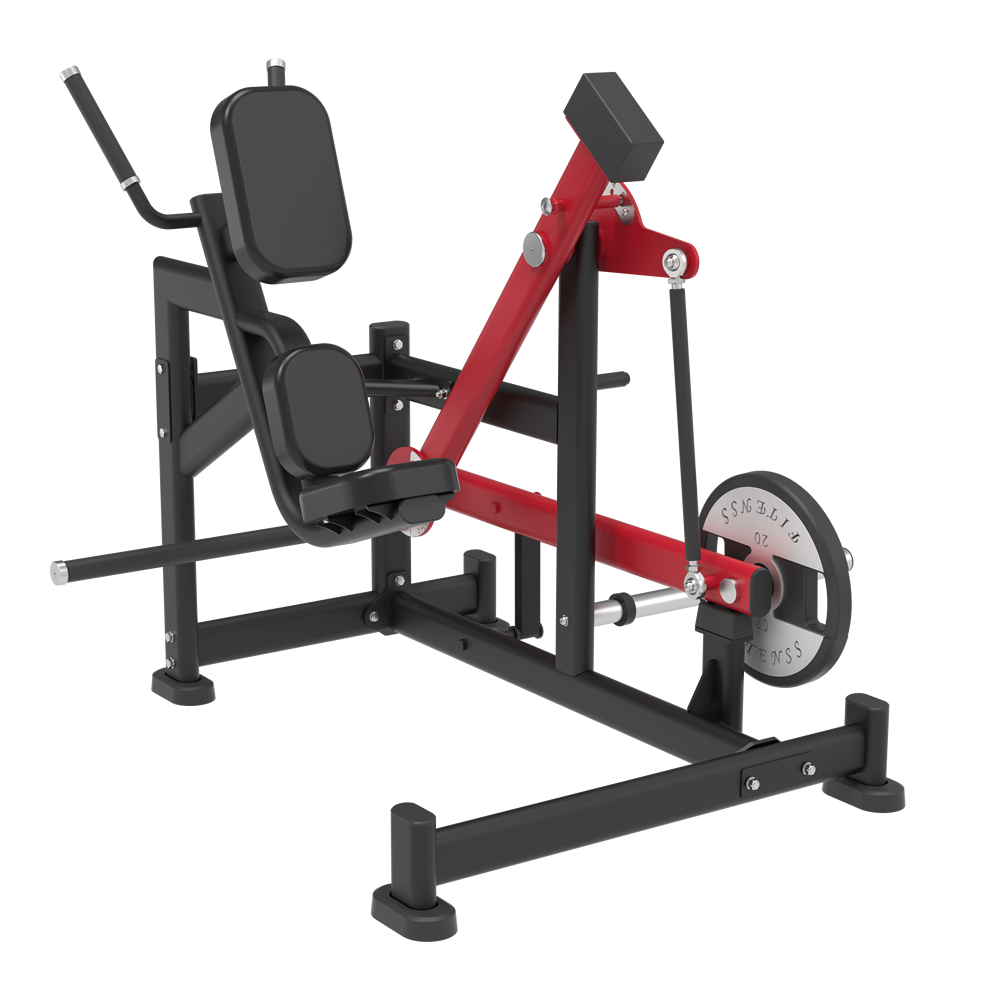
A pendulum style rear kick trainer is one of those pieces of equipment that looks simple until you watch a class or a performance team try to use it well. Then the value becomes obvious. It gives athletes a repeatable target and a controlled path for rear kick practice, which matters because many kicking mistakes are not about strength alone. They come from timing, hip positioning, balance, and confidence under repetition. For coaches, studios, and training centers, that makes the right rear kick trainer less of a novelty and more of a practical tool.
In martial arts kick training, rear kicks can be awkward to drill consistently. The movement asks the body to rotate, load, and extend in a direction the athlete cannot always see. That is exactly where a pendulum rear kick training setup can help. The swing or yielding action gives feedback that is immediate and physical, without forcing the trainee to chase a rigid target every rep. For some users, that difference improves rhythm. For others, it simply makes solo work less frustrating.
The buyer’s question is not whether a kick trainer can help. It is which kind of rear kick practice tool matches the training environment, how much durability is needed, and whether the design supports repeated commercial use without becoming awkward or noisy. Those are the decisions that matter in a gym, dojo, or fitness facility.
What this type of trainer is designed to do
A pendulum style rear kick trainer is built around a moving target. Instead of a fixed pad that only reacts when struck, the target usually allows some controlled motion. That motion can help simulate a more natural striking response and may reduce the harsh stop that some athletes feel on rigid targets. In practical terms, the equipment is meant to support technique work, reaction, and repetition.
A well-made kick trainer should do a few things well:
- Provide a clear striking surface at an appropriate height
- Move predictably rather than wobble randomly
- Handle repeated impact without losing alignment too quickly
- Stay stable enough for safer practice
- Fit into a facility where different users may train on the same station
That sounds obvious, but these details separate a useful training station from a piece of gear that gets ignored after the first week.
Where pendulum rear kick training fits best
This style of equipment tends to make the most sense in commercial or semi-commercial environments where multiple people need to cycle through drills. Martial arts schools, combat sports conditioning rooms, and mixed training facilities often need stations that are easy to understand and quick to reset. A rear kick trainer with a pendulum action supports that kind of workflow.
It can also be useful in cross-training spaces where kick mechanics are being taught alongside conditioning. For example, a coach might use it to help an athlete work on rear kick delivery after footwork drills or mobility work. The equipment does not replace a coach’s eye, and it should not be treated as a shortcut. But it does make structured repetition easier to organize.
One caution worth noting: the trainer should match the user level. Beginners often need a forgiving target and clear guidance. Advanced users may want a firmer response and more precise placement. If the swing is too loose or too stiff, the tool can become distracting rather than helpful.
Quick comparison: what buyers usually look for
When comparing a pendulum style rear kick trainer with other kick stations, the decision usually comes down to three practical factors: feel, durability, and space.
- Feel: Does the target move enough to teach timing without feeling unstable?
- Durability: Can the structure handle repeated striking in a commercial setting?
- Space: Does the footprint suit a crowded training floor?
A fixed pad is often simpler, but it may not provide the same feedback. A more elaborate machine can feel impressive, but if it is difficult to adjust or maintain, coaches may avoid it. In many facilities, the middle ground is best: a rear kick practice tool that is sturdy, intuitive, and not overbuilt for the room it sits in.
Material and construction details that actually matter
For buyers, the frame and contact surfaces deserve more attention than the marketing language on the box. On commercial equipment, steel framing is common because it offers the stiffness needed for repeated use. The padding or striking surface should be dense enough to absorb impact without feeling dead. Weld quality, bracket alignment, and hardware fit all affect how long the unit stays usable.
A practical buyer should ask how the target is anchored, how the moving section is guided, and whether replacement parts are available. If the pendulum mechanism develops play too quickly, the trainer can start to feel loose and less accurate. That is not just a maintenance issue; it changes the training experience.
For facilities that already manage heavy-use equipment, the same logic applies here as it does for strength machines. Simple, well-supported construction tends to age better than clever design that depends on delicate joints.
Choosing the right trainer for your facility
The best rear kick trainer is not necessarily the most specialized one. It is the one that matches your users, your floor space, and your maintenance reality.
1. Match the trainer to the training goal
If the goal is technique repetition, a controlled pendulum rear kick training unit can be a smart fit. If the goal is full-contact conditioning, you may need a more robust station with stronger anchoring and more impact tolerance.
2. Look at adjustability
Height adjustment matters more than many buyers expect. Martial arts kick training often involves people of different builds, and a fixed target can quickly become inconvenient. Ease of adjustment also matters during classes, when no one wants to spend half the session reconfiguring equipment.
3. Check stability before appearance
A glossy finish is nice. Stability is better. A kick trainer should not shift excessively, twist under load, or require constant correction. In a busy room, that becomes annoying fast.
4. Think about noise and wear
In shared training spaces, noisy metal-on-metal movement can be a real nuisance. Buyers sometimes ignore this until the trainer is installed near a class area. The quieter setup is often the one coaches keep using.
Common mistakes buyers make
The first mistake is assuming all kick trainers behave the same. They do not. Some are designed more as striking dummies, others as technique aids, and the difference shows up immediately in use.
The second mistake is buying for a single athlete rather than a group. A private studio can live with a narrower setup. A commercial facility usually cannot.
The third mistake is overlooking maintenance. A rear kick practice tool with moving parts needs inspection, even if it looks low-tech. Loose bolts, worn padding, and unstable bases are all predictable problems if the equipment is used heavily.
There is also the temptation to over-spec the purchase. More mass is not always better if the device becomes too difficult to move or store. That is a common trap in smaller gyms.
How this fits with commercial fitness equipment standards
Shandong Minolta Fitness Equipment Co., Ltd. is better known for commercial gym equipment than for combat-sport accessories, but the company’s background still matters to buyers who care about manufacturing discipline. According to the provided company information, Minolta operates from a 120,000-square-meter facility with a manufacturing workshop, quality control lab, and exhibition hall, and it offers more than 300 types of exercise equipment for commercial and home use. That kind of scale suggests experience with production consistency, packaging, and export handling.
For sourcing managers, those details are relevant because a kick trainer is only useful if it arrives intact and stays dependable in service. Equipment built in a commercial manufacturing environment is often evaluated with the same questions used for larger gym machines: structural integrity, repeatability, finish quality, and parts support.
The company’s broader portfolio, including strength and cardio lines such as MND-AN, MND-FM, MND-FH, MND-FS, MND-FB, MND-E Crossfit, MND-F, MND-FF, MND-G, MND-H, plus cardio series like MND-D exercise bikes and MND-X500, X600, and X700 treadmills, indicates a manufacturing operation accustomed to diverse equipment categories. That does not automatically tell you everything about a specific rear kick trainer, of course, but it does suggest a production environment built around commercial expectations.
Practical buyer advice before you place an order
Ask for clear product photos from multiple angles. If possible, request the adjustment range, base dimensions, and the mechanism used for the pendulum motion. Those details help you judge whether the unit fits your floor plan and training style.
If your facility serves different populations, test whether the striking surface can be set high enough and low enough without awkward workarounds. A device that fits only one user profile tends to collect dust.
For distributors and importers, packaging deserves a mention too. A sturdy machine can still become a headache if it is badly packed. That is especially true for moving assemblies.
FAQ on pendulum style rear kick trainers
Is a pendulum style rear kick trainer only for martial arts schools?
No. It is most common in martial arts and combat training settings, but it can also be useful in general athletic conditioning spaces where rear kick mechanics are trained.
Does the swinging motion make training easier?
Easier is not always the right word. It can make the drill more natural and responsive, but the real benefit is usually better feedback and repetition.
Should I choose the heaviest model available?
Not necessarily. Heavier can mean more stable, but it can also mean less practical if the unit becomes difficult to move or adjust. Balance matters.
What should I inspect first during maintenance?
Check the fasteners, pivot points, contact surfaces, and any parts that guide the swing. Small looseness tends to show up before major wear does.
Where to go from here
If you are evaluating a pendulum style rear kick trainer for a gym, studio, or training center, start with the use case rather than the catalog photo. Decide whether you need technique feedback, class efficiency, or heavy-duty commercial durability, then compare the construction and adjustment details against that goal.
For buyers sourcing from an established manufacturer such as Shandong Minolta Fitness Equipment Co., Ltd., the next step is usually to request product specifications, confirm structural details, and ask how the unit is packaged for shipment. That is a small effort compared with replacing equipment that looked fine on paper but did not hold up on the floor.