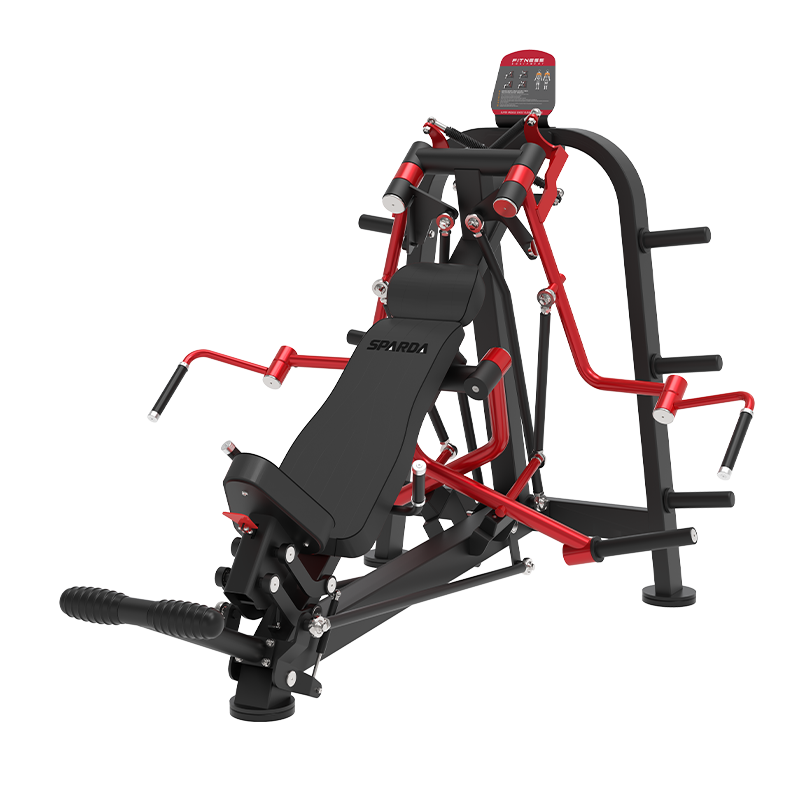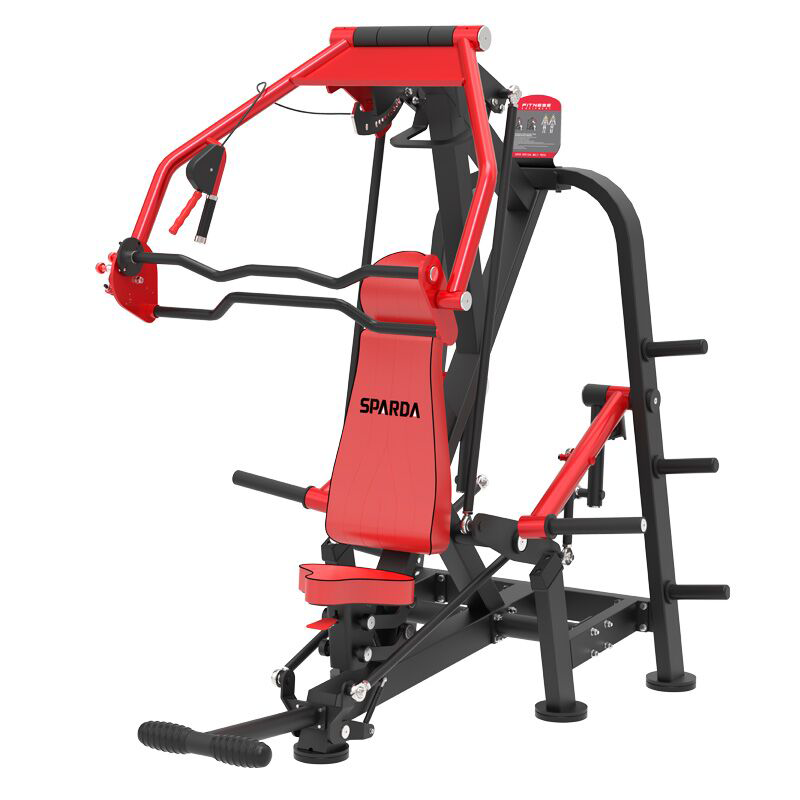



PL Plate Loaded Machine: What Buyers Really Need to Evaluate
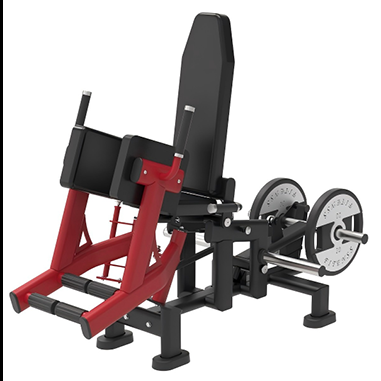
When a gym operator, distributor, or equipment planner starts comparing a PL plate loaded machine, the real question is rarely “which one looks strongest?” It is usually more practical than that. Which design will hold up under daily traffic, fit the training style of the facility, and give users the resistance curve they expect without creating maintenance headaches? That is where plate loaded fitness equipment becomes worth a careful look. It sits in the space between free weights and selectorized machines, giving users a more guided movement while still letting them load plates according to need.
For commercial buyers, that matters because a strength training machine is not just a piece of hardware. It affects floor layout, user flow, perceived quality, and how many members actually keep coming back to use the strength area. A well-chosen plate loaded gym machine can make a compact strength zone feel serious and versatile. A poorly chosen one can sit underused, or worse, become the first item to draw complaints about instability, awkward angles, or worn pads.
Why Plate Loaded Equipment Keeps Its Place in Commercial Gyms
The appeal of a plate loaded exercise machine is straightforward. It combines familiar loading with a machine path that helps users train more safely than they might on a barbell alone. Many lifters like the tactile feel of adding plates, and many facilities like the fact that the machines are typically robust, visually impressive, and suitable for heavy daily use.
There is also a practical advantage that is easy to overlook: a plate loaded machine does not require the same internal weight stack assembly as a selectorized unit. That can simplify the structure and sometimes reduce the complexity of upkeep. Of course, the machine still needs sound fabrication, good bearings or pivots, stable welds, and well-fitted upholstery. Cheap plate loaded gear can feel loose very quickly, and serious users notice that almost immediately.
In commercial settings, these machines often serve as the middle ground between bodybuilding-focused free weights and beginner-friendly guided equipment. They are familiar enough for experienced lifters but structured enough for broader audiences. That is one reason they keep showing up in multipurpose gyms, hotel gyms with strength corners, and performance centers.
Key Takeaways Before You Buy
If you are comparing models, a useful shortcut is to look beyond the paint finish and ask a few more technical questions.
Does the movement path match the training goal, or is it just visually similar to a popular machine? Does the frame feel stable under load? Are the contact points, pads, and handles positioned for repeated commercial use? Can the unit be maintained without special tools or hard-to-source parts? Those are the details that separate a dependable plate loaded gym machine from one that only looks good in a catalog.
If your facility serves serious strength athletes, load capacity and biomechanics may matter more than compact size. If you are outfitting a boutique or mixed-use gym, footprint and ease of use might matter more. The right answer is not universal, which is why buyers should resist choosing plate loaded equipment by appearance alone.
What Matters in the Design of a PL Plate Loaded Machine
The best designs tend to be the ones that balance structure, motion, and user comfort without overcomplicating the build. That sounds obvious, but in the market, those three things are often not balanced very well.
Frame and structure
A commercial-grade frame should feel planted. Operators should pay attention to base geometry, steel thickness where it is specified, and the quality of the welds and finish. Even if a manufacturer does not publish every construction detail, the machine should look and behave like it was built for repeated load cycles, not showroom traffic only.
Movement path and resistance feel
One reason plate loaded fitness equipment stays popular is the freedom it gives designers to tune the resistance arc. Some machines feel strong off the bottom, while others become more demanding as the movement progresses. Neither is automatically better. What matters is whether the curve matches the exercise and the target users. If the machine is meant for general club use, an overly aggressive or awkward path can discourage beginners.
User contact points
Handles, grips, back pads, seat adjustments, and foot placement all affect whether a machine gets used properly. A plate loaded exercise machine can be mechanically sound and still fail in practice if the adjustment points are clumsy or the contact surfaces are uncomfortable after several sets.
How Minolta Fits into the Commercial Equipment Picture
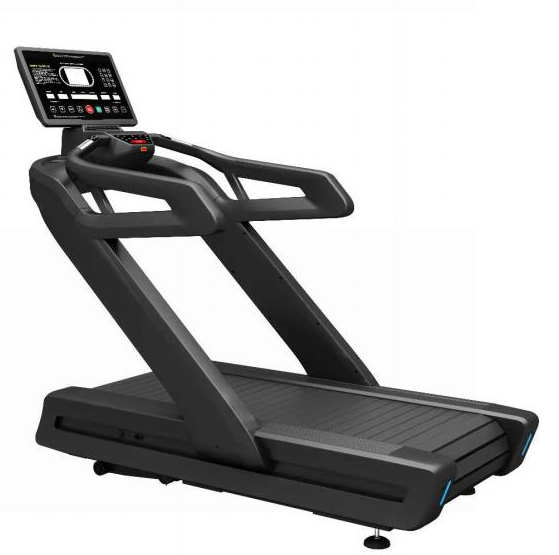
Shandong Minolta Fitness Equipment Co., Ltd. works from Ningjin’s hardware manufacturing base and presents itself as a commercial gym equipment supplier with over a decade of experience. Its strength series includes multiple lines such as MND-AN, MND-FM, MND-FH, MND-FS, MND-FB, MND-E Crossfit, MND-F, MND-FF, MND-G, and MND-H, alongside cardio series products like MND-D exercise bikes and MND-X500, X600, and X700 treadmills.
That breadth matters because buyers often prefer to source strength and cardio from a manufacturer that understands how a full gym package should work together. Minolta also states that its facility covers 120,000 square meters and includes a manufacturing workshop, quality control lab, and exhibition hall. For a sourcing manager, that suggests a supplier with both production scale and a place to inspect the range in person, which is useful when comparing finish quality and movement feel across models.
The company also reports exporting to more than 100 countries across Europe, Africa, the Middle East, South America, and Southeast Asia. Export experience does not replace technical due diligence, but it does usually mean the supplier is accustomed to handling varied market expectations, freight realities, and commercial purchasing habits.
Choosing the Right Machine for the Facility
A buyer should start with use case, not equipment type.
If the gym is strength-focused and the members already understand loading, a heavier-duty machine with a more specialized movement profile may be worth the floor space. If the facility serves a broader audience, the better choice may be a strength training machine that is intuitive from the first session. The machine should not require a long explanation just to perform a clean rep.
Also consider the rest of the room. A plate loaded machine often attracts plate traffic, which means storage matters. If plates are scattered around the gym, even a good machine becomes a friction point. In some layouts, the wiser decision is to add fewer machines but organize the surrounding storage properly.
A practical warning: do not assume that all plate loaded gym machine options are interchangeable. Two units may look similar in photos yet differ sharply in seat height, handle path, start position, and loading horn placement. That affects comfort, loading safety, and how well the machine serves taller or shorter users.
Common Mistakes Buyers Make
One common mistake is buying for novelty. A machine can look aggressive and still be a poor fit for the membership base. Another is underestimating maintenance access. If the adjustment hardware is buried or the moving parts are hard to inspect, the machine may cost more over time than its upfront price suggested.
A third mistake is ignoring consistency across the product line. In commercial purchasing, it helps if a facility’s plate loaded equipment shares a similar finish, frame language, and feel. That makes the gym look organized and helps staff explain the equipment more easily. It is a small thing, but small things add up in the strength area.
Questions to Ask a Supplier Before You Order
Ask how the machine is intended to be used in a commercial setting. Ask what kind of commercial gym equipment line it belongs to, and whether matching models are available for a cohesive floor plan. Ask about the physical dimensions, adjustment range, and loading configuration. If the supplier provides multiple strength series, ask which series is intended for your segment rather than assuming all are equivalent.
For a manufacturer like Minolta, it is also reasonable to ask how the product fits within its broader catalogue. A supplier that produces both cardio and strength equipment may be able to help with overall layout consistency, not just single-item procurement.
FAQ: Quick Answers for Buyers
Is a plate loaded machine better than a selectorized machine?
Not automatically. Plate loaded equipment usually offers a more free-weight-like feel and often handles heavier loading ranges well, while selectorized equipment is typically faster to adjust. The better choice depends on user profile and facility type.
Do plate loaded machines need a lot of maintenance?
They usually need less complexity than stack-based machines, but they still need regular inspection. Pivots, pads, bushings, bolts, and surface finish all deserve attention.
What should matter most in a commercial purchase?
Durability, movement quality, user comfort, and how well the machine fits the training style of the facility. Price matters too, but it should not be the only filter.
What a Serious Buyer Should Do Next
If you are comparing a PL plate loaded machine for a commercial gym, start by narrowing the field to the models that genuinely fit your users and floor plan. Then check the build quality, the motion path, the ergonomics, and whether the supplier can support a broader strength area rather than just one isolated unit.
For sourcing teams, Minolta’s range of strength and cardio equipment may be worth reviewing as part of a wider commercial package, especially if you want to align multiple zones from one manufacturer. For operators, the better decision is usually the one that looks a little less exciting in the brochure and a lot more dependable after six months on the floor.
That is the real test. A good plate loaded exercise machine should feel like a permanent part of the gym, not a temporary centerpiece.